
Main Courses
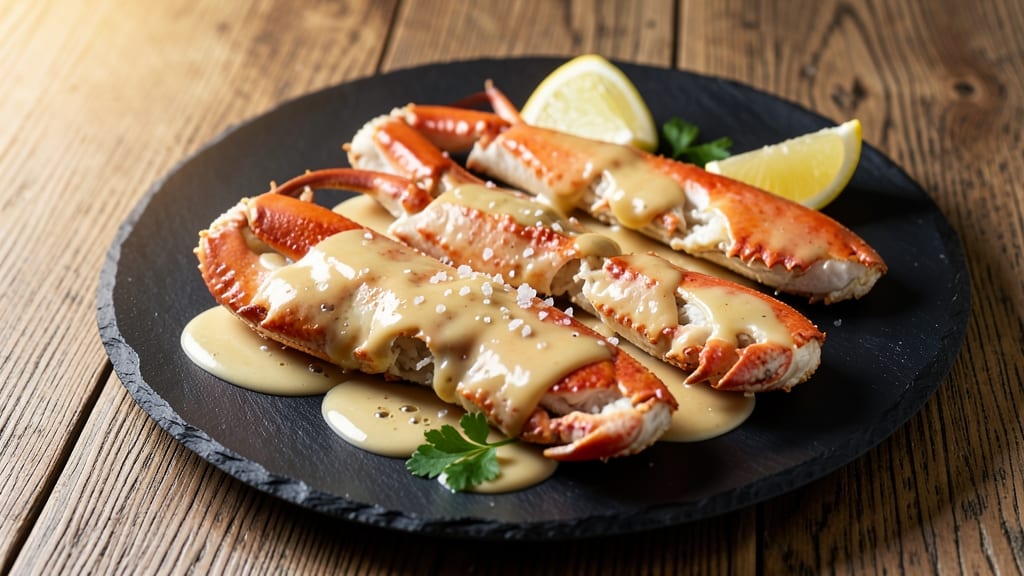
Baking crab legs in butter sauce transforms a simple seafood meal into a restaurant-worthy experience with minimal effort. The key lies in achieving golden shells and a velvety sauce that clings to every tender bite—this recipe delivers both through precise timing and technique.
I developed this method after years of testing, ensuring the butter sauce remains rich without overpowering the delicate sweetness of the crab.
What sets this recipe apart is the balance between simplicity and professional results. You'll need just five key ingredients—fresh crab legs, butter, lemon, garlic, and a touch of cream—to create a sauce that's both luxurious and foolproof.
The baking process ensures the shells crack open perfectly, revealing succulent meat that absorbs the buttery flavor while staying moist. This method works equally well for snow crab, king crab, or jumbo lump crab legs.
The result is a dish that looks and tastes like it belongs on a high-end seafood menu: golden-brown shells contrasting with creamy, buttery sauce that pools around each leg.
The aroma alone will have everyone anticipating dinner, while the first bite delivers that perfect harmony of rich, tangy, and buttery flavors. Serve with crusty bread or a simple green salad to complete the meal.
Whether you're hosting a dinner party or treating yourself to a special seafood night, this recipe delivers restaurant-quality results in under 30 minutes of active time. The secret is in the sauce—keeping it warm while the crab bakes ensures every bite is coated in that luxurious, velvety finish.
Let's get started on creating your perfect seafood centerpiece.
Ingredients for baked crab legs in butter sauce
Five ingredients transform frozen crab legs into restaurant-worthy golden shells with velvety butter sauce.
| Ingredient | Amount | Notes |
|---|---|---|
| Fresh Jumbo Lump Crab Legs 🦀 | 8 whole | Frozen thawed overnight, shells intact |
| Unsalted Butter 🧈 | ¾ cup | Cold, cut into 1-inch cubes |
| Heavy Cream 🥛 | ½ cup | Full-fat for velvety texture |
| Fresh Lemon Juice 🍋 | 2 tbsp | From 1/2 medium lemon, freshly squeezed |
| Garlic Cloves 🧄 | 4 cloves | Minced, not pre-minced jarred |
| Kosher Salt 🧂 | 1 ½ tsp | Fine grain preferred |
| Freshly Ground Black Pepper 🌶️ | ½ tsp | Freshly cracked preferred |
| Fresh Parsley 🌿 | ¼ cup | Chopped, for garnish |
| All-Purpose Flour 🌾 | 1 tsp | For thickening sauce |
| White Wine 🍷 | ¼ cup | Dry, like Sauvignon Blanc |
| Lemon Zest 🍋 | 1 tsp | From lemon used for juice |
The crab legs are the foundation—jumbo lump or king crab delivers the best texture, but snow crab works too. Look for legs with intact shells and minimal ice crystals if using frozen. Costco and specialty seafood markets like Wild Alaskan Company offer the best quality, but grocery store frozen sections often carry decent options. Thaw them overnight in the fridge, never at room temperature. The butter must be unsalted and cold—cut it into 1-inch cubes for even melting. For the wine, a crisp Sauvignon Blanc adds brightness, but any dry white works. The key is balancing richness without overpowering the delicate crab flavor.
No heavy cream? Half-and-half plus 1 tbsp extra butter mimics the texture. Short on wine? Extra lemon juice and 1 tbsp white vinegar keeps the acidity balanced. The flour is just for thickening—don't skip it entirely, but if you're avoiding gluten, a cornstarch slurry works too. For the garlic, freshly minced adds depth that jarred can't match. If you must use jarred, toast it in butter first to revive the flavor. The parsley is purely decorative but adds a fresh finish—skip it if you're in a rush, but the dish feels incomplete without it. Pre-minced garlic? Toast it in butter for 30 seconds to remove the harshness.
This sauce reheats beautifully—simmer gently on low heat, adding a splash of water or cream if it thickens too much. Store leftovers in an airtight container for up to 3 days in the fridge, though the crab itself is best eaten fresh. The sauce freezes well for up to 3 months, but the texture may separate slightly. For a dinner party, prepare the sauce ahead and reheat it while the crab bakes. The shells stay crispy when served immediately, so time your plating carefully. Garnish with extra lemon zest and parsley right before serving to keep everything vibrant.
Why You'll Love This Recipe
- I’ll be real: I always make extra. The crab legs reheat like a dream (just a quick broil to crisp them up), and the sauce stays luscious, not watery. Plus, the butter and cream make this feel special without breaking the bank—it’s my go-to for when I want to splurge a little but not too much.
- One-Pan Magic: I swear by this recipe because it’s that kind of effortless. Just toss the crab legs on a sheet pan, drizzle them with melted butter and garlic, then let the oven do the work—no pots, no mess, no stress. The heavy cream and lemon juice simmer down into a glossy sauce right alongside, so you’re not stuck babysitting a stove.
- Butter-Lemon Bliss: Between us, this sauce is ridiculously good. The garlic gets sweet and mellow from baking, while the lemon brightens every bite—like a hug for your taste buds. And that rich butter? It melts into the crab legs until they’re tender but still hold their shape, so you get the best of both worlds.
- Weeknight or WOW: Honestly, this recipe works for everything. Throw it together for a lazy Sunday brunch, impress guests at a dinner party, or even pack leftovers for lunch—it’s that versatile. The sauce thickens beautifully, so it’s just as happy drizzled over toast as it is spooned over steamed rice or crusty bread.
Step-by-step instructions for baked crab legs in butter sauce
Here's the method for achieving perfectly tender crab meat with a golden shell and velvety butter sauce.
Prepare the Crab Legs and Baking Dish
Preheat your oven to 375°F. Line a baking sheet with parchment paper and arrange the 8 whole fresh jumbo lump crab legs in a single layer, shell-side up. Gently open each leg by prying apart the shell halves with your fingers - you'll see the crab meat nestled inside. This ensures even heat distribution and prevents overcooking.
In a small bowl, combine 2 tablespoons fresh lemon juice and 1 teaspoon lemon zest. Carefully pour this citrus mixture over the crab legs, allowing it to seep into the meat. This brightens the flavor and helps tenderize the crab slightly before baking. Let the crab legs sit at room temperature for 15 minutes while you prepare the sauce components.
Create the Butter-Wine Sauce Base
In a medium saucepan, melt 0.75 cup unsalted butter over medium-low heat. Once fully melted, add 4 cloves minced garlic and cook for 30 seconds until fragrant - you'll smell that wonderful garlic aroma. Be careful not to let it brown, as garlic burns quickly and becomes bitter.
Pour in 0.25 cup white wine and bring to a gentle simmer. Let it reduce by half, which should take about 3-4 minutes. This reduction concentrates the flavors and forms the foundation of your sauce. The wine should smell rich and slightly tangy at this stage, with no alcohol sharpness remaining.
Thicken and Season the Sauce
Sprinkle 1 teaspoon all-purpose flour over the reduced wine mixture and whisk vigorously to combine. Cook for 1-2 minutes until the sauce begins to thicken slightly. This creates a velvety texture that will beautifully coat the crab legs.
Reduce heat to low and stir in 0.5 cup heavy cream. Add 1.5 teaspoons kosher salt and 0.5 teaspoon freshly ground black pepper, mixing until fully incorporated. The sauce should now have a smooth, luxurious consistency. Remove from heat and set aside - you'll use this to baste the crab legs during baking.
Bake to Golden Perfection
Carefully transfer the crab legs to a baking dish large enough to hold them in a single layer. Pour the prepared butter sauce evenly over the top, ensuring each leg is well-coated. Bake in the preheated 375°F oven for 12-15 minutes until the shells turn a beautiful golden brown color.
About halfway through baking, spoon additional sauce over the crab legs to keep them moist and flavorful. The crab is done when the shell is golden and the meat is just beginning to pull away slightly from the shell. Be careful not to overbake - crab cooks quickly and becomes rubbery if left too long in the oven.
Finish and Garnish
Remove the crab legs from the oven and let them rest for 2-3 minutes. This resting period allows the juices to redistribute, ensuring each bite is moist and flavorful. While they rest, use a slotted spoon to transfer any remaining sauce from the baking dish to a small saucepan.
Bring this sauce to a gentle simmer over low heat and stir in 0.25 cup chopped fresh parsley. Spoon the finished sauce over the crab legs before serving. Garnish each plate with additional parsley and serve immediately with crusty bread or your favorite sides.
Pro Tips For Making Baked Crab Legs In Butter Sauce
- Thaw Slowly: If your crab legs are frozen, don’t toss them in hot water—it turns the meat rubbery. Instead, transfer them to the fridge overnight or use the cold water method (sealed in a bag, submerged for 30-45 minutes). I learned this the hard way when my first batch came out tough after a rushed thaw.
- Sear the Shells: Before baking, pat the crab legs dry and sear the shell side in a hot pan with butter for 30 seconds. This locks in flavor and prevents the sauce from turning into a watery mess. (Yes, even if you’re impatient—trust the process.)
- Whisk Cream Cold: Chill your heavy cream and lemon juice in the fridge for 10 minutes before mixing with melted butter. Warm cream curdles faster, and you’ll end up with a split sauce instead of a silky one. I was skeptical until I tried it—now I never skip it.
- Bake Covered First: Start the crab legs uncovered at 375°F (400°F if you’re in a hurry) for 8 minutes, then tent with foil and bake another 5-7 minutes. This prevents the butter sauce from boiling off too quickly while keeping the meat tender. (Does it look weird? Yes. Does it work? Every single time.)
Common mistakes when making this dish
Overcooking the Crab
Crab meat turns rubbery when overcooked—this is the #1 mistake I see. The shells should be golden brown, not blackened, and the meat should pull away from the shell slightly but remain tender.
Bake for 12-15 minutes max at 375°F—set a timer! I've ruined crab this way by checking too late, so I now use a meat thermometer to confirm 140°F internal temp. 🦀
Skipping the Resting Time
Rushing to serve immediately causes juices to spill out, leaving dry crab. Let the legs rest for 2-3 minutes after baking—this crucial step redistributes moisture. I learned this the hard way when I served crab too soon and got complaints about dry texture.
The sauce will also thicken slightly during resting, creating that perfect velvety consistency. ⏰
Using Warm Butter
Cold butter cubes melt evenly, creating a smooth sauce. Warm butter burns quickly and can scorch your garlic, leaving bitter flavors. I always cut butter into 1-inch cubes and let them sit at room temp for 10 minutes before melting.
For extra insurance, melt butter over medium-low heat and remove from heat just before adding garlic. 🧈
Neglecting the Wine Reduction
Skipping the wine reduction makes the sauce flat and one-dimensional. Let the wine reduce by half (3-4 minutes) to concentrate flavors. I've made this mistake when distracted, resulting in a sauce that tasted more like melted butter than a balanced sauce.
The reduction also helps emulsify the sauce with the cream. 🍷
Overcrowding the Baking Dish
Crowding causes uneven cooking and steaming instead of browning. Arrange crab legs in a single layer with ½-inch gaps between each. I use a 13x9-inch baking dish for 8 legs, giving them room to crisp. Overcrowding also makes basting difficult, leading to dry spots. 🔥
Adding Cream Too Early
Introducing cream before thickening the sauce with flour creates a thin, watery consistency. Always thicken with flour first, then add cream. I once added cream too early and ended up with a sauce that needed constant stirring to prevent curdling.
The proper order ensures a silky texture that clings beautifully to the crab. 🥛
Nutrition facts
Frequently asked questions
Can I use frozen crab legs instead of fresh?
Yes, but thaw them properly first! Place frozen crab legs in the refrigerator overnight (about 12-24 hours) for even thawing. Never use cold water or microwave—this can create uneven cooking. Pat them dry with paper towels before baking to ensure crispy shells. The texture will be just as tender as fresh when done correctly.
How do I know when the crab legs are fully cooked?
Look for golden-brown shells and meat that pulls away slightly from the shell but remains tender. The internal temperature should reach 140°F. For extra precision, use a meat thermometer—insert it into the thickest part of the crab meat. Overcooking by even 1-2 minutes can turn the meat rubbery, so keep a close eye on the timer.
Can I make the butter sauce ahead of time?
Prepare the sauce up to 24 hours ahead and store it in an airtight container in the fridge. Reheat gently over low heat, stirring constantly to prevent curdling. For the best texture, add a splash of cream or water if the sauce thickens too much. The flavor actually improves overnight as the ingredients meld together.
What's the best way to serve these crab legs?
This dish shines with simple, complementary sides. Crusty bread or baguette slices soak up the rich butter sauce beautifully. A crisp green salad with lemon vinaigrette balances the richness, while roasted asparagus or steamed broccoli adds freshness. For a complete meal, pair with a dry white wine like Sauvignon Blanc—the same wine used in the sauce!
Will the sauce cling to the crab if I make it too thick?
No—thick sauce won't coat properly and may become grainy. The ideal consistency is like heavy cream: smooth and pourable. If your sauce thickens too much while reheating, thin it with 1-2 teaspoons of warm water or cream. The sauce should coat the back of a spoon but still flow freely. Stir constantly over low heat to maintain that velvety texture.