
Sauces & Condiments
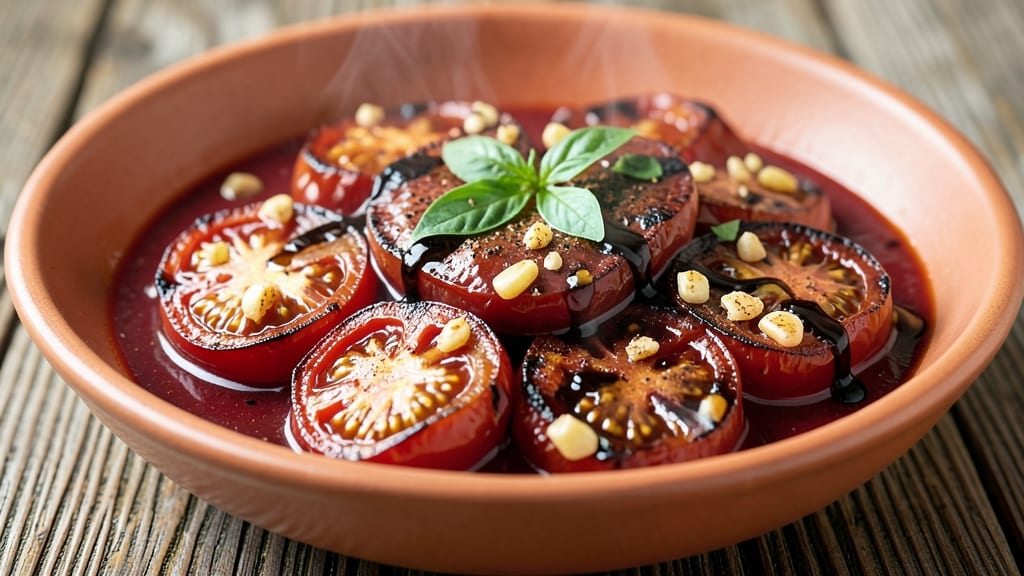
This beefsteak tomato sauce transforms simple ingredients into a smoky, herb-infused simmer that elevates any steak dish. The secret lies in slow-cooked tomatoes, aromatic herbs, and a touch of umami—creating a sauce so rich it turns beef into a showstopper.
Perfect for drizzling over grilled steaks or using as a base for pasta, this recipe delivers restaurant-quality depth without the fuss.
The foundation starts with high-quality tomatoes—whether fresh beefsteak or canned San Marzano—for natural sweetness and acidity. Aromatics like garlic, onions, and fresh basil infuse the sauce with layers of flavor, while smoked paprika and a splash of balsamic add that signature smokiness.
Simmering low and slow allows the flavors to meld, resulting in a sauce that’s bold, balanced, and deeply savory—ideal for pairing with steak or other hearty proteins.
What makes this sauce stand out is its versatility. Use it as a finishing touch for grilled beefsteak, a dipping sauce for crusty bread, or even a pasta topping. The texture is smooth yet vibrant, with just the right tang to cut through rich meats.
Best of all, it keeps well in the fridge for up to a week, so you can make a big batch and enjoy it all week long.
For an extra depth of flavor, consider adding a splash of red wine or a dash of Worcestershire sauce during the simmer. The key is patience—letting the sauce develop its complexity over time. Once you taste the difference, you’ll never go back to store-bought again.
Ingredients for beefsteak tomato sauce
Nine ingredients, one sauce—transforming humble tomatoes into a smoky, herb-rich masterpiece.
| Ingredient | Amount | Notes |
|---|---|---|
| Beefsteak Tomatoes 🍅 | 4 whole | Fresh, ripe, or canned San Marzano |
| Yellow Onion 🧅 | 1 whole | Medium, finely chopped |
| Garlic Cloves 🧄 | 4 cloves | Fresh, minced for depth |
| Fresh Basil Leaves 🌿 | ½ cup | Packed, stems removed |
| Smoked Paprika 🌶️ | 1 tbsp | For signature smokiness |
| Balsamic Vinegar 🍷 | 1 tbsp | For tangy depth |
| Extra-Virgin Olive Oil 🫒 | ¼ cup | High-quality, fruity |
| Red Wine 🍷 | ½ cup | Bold, dry, optional |
| Diamond Crystal Kosher Salt 🧂 | 1 tsp | Fine grain preferred |
| Freshly Ground Black Pepper 🌶️ | ½ tsp | For subtle heat |
The tomatoes are non-negotiable. Fresh beefsteak brings vibrant sweetness, but San Marzano canned tomatoes work beautifully too—just crush them by hand for texture. Grab a bunch of fresh basil from the grocery store's produce section (the Trader Joe's or Whole Foods ones tend to be the freshest). For the smoked paprika, Penzeys is my go-to for quality, but any good brand will do. The key is toasting the garlic and onion in olive oil until they're golden—this builds the sauce's foundation. If you're using red wine, Cabernet Sauvignon or Merlot work perfectly, but even a cheap bottle will add depth.
No beefsteak tomatoes? Heirloom or Roma tomatoes are solid substitutes, though they'll be slightly less sweet. Skip the wine? Substitute beef broth with a splash of balsamic—it mimics the acidity and richness. Fresh basil wilt fast, so if you can't find it, dried basil at one-third the amount will work in a pinch (though it lacks that fresh brightness). The olive oil should be extra-virgin—cheap oil will make the sauce taste flat. For extra umami, a dash of Worcestershire sauce (ensure it's vegan if needed) adds complexity without overpowering.
This sauce keeps beautifully—1 week in the fridge or 3 months frozen. Store it in a clean glass jar with a tight seal, and let it come to room temperature before using. I like to make a big batch and freeze it in ice cube trays for easy portioning—just thaw and heat when ready. The flavor actually improves after the first day as the ingredients meld together. If you make it ahead, the sauce will be even more vibrant and balanced.
Why You'll Love This Recipe
- No Chopping Stress: I swear by this recipe because it’s one of those rare dishes where you can literally dump the ingredients in—no fancy dicing or peeling. Halve those beefsteak tomatoes, mince a couple of garlic cloves, and you’re done. The onions caramelize on their own, so even if you burn the edges a little (we’ve all been there), the flavor’s still rich and sweet.
- Smoky-Sweet Magic: That smoked paprika and fresh basil? It’s the kind of combo that makes you pause mid-spoonful. The tomatoes burst with natural sweetness while the paprika adds this deep, earthy warmth—like summer in a jar. Honestly, I’ve made this sauce for people who claim they “don’t like tomatoes,” and they still ask for seconds.
- Pasta’s Best Friend: This sauce is my lazy Sunday night hero. Toss it with al dente penne for a meal that feels fancy but takes 15 minutes. Or slather it on grilled cheese with a sprinkle of Parmesan—trust me, it’s the kind of upgrade that makes sandwiches feel like a date night. Even my picky-eating teen devours it straight from the pot.
- Leftovers That Don’t Suck: Between us, most sauces turn into sad, watery mush after day two. Not this one. The beefsteak tomatoes hold up like champs, so you can make a big batch, freeze half, and still have vibrant flavor weeks later. I’ve reheated this sauce after being frozen for a month, and it’s still bright and bold—no sad, gray aftertaste here.
Step-by-step instructions for beefsteak tomato sauce
This smoky herb-infused sauce builds depth through slow simmering—let's create bold, balanced flavor.
Sear the Tomatoes and Onion
Heat the 0.25 cup extra-virgin olive oil in a heavy-bottomed pot over medium-high heat. Cut the 4 whole beefsteak tomatoes in half crosswise and place them cut-side down in the pot. Cook for 5-6 minutes until the cut sides develop deep brown char marks—this concentrates their natural sweetness.
Add the 1 whole yellow onion, chopped into ¼-inch pieces, and cook for another 5 minutes until softened and golden. Stir occasionally to prevent burning. The onions should release their natural sugars and caramelize slightly, forming a fragrant base for the sauce. If the tomatoes release too much liquid, reduce heat slightly to prevent splattering.
Add Aromatics and Smoked Paprika
Push the tomatoes and onions to one side of the pot and add the 4 cloves minced garlic cloves to the empty space. Cook for 30 seconds until fragrant—you'll smell that unmistakable garlic aroma. Immediately sprinkle in the 1 tbsp smoked paprika and stir vigorously to toast it for 10 seconds until it releases its smoky aroma.
Combine everything in the pot and stir well to distribute the paprika evenly. Let the mixture cook for 2-3 minutes until the garlic loses its raw bite. This step builds the sauce's smoky backbone while preventing bitterness. If the mixture sticks, add 1-2 tablespoons of water to deglaze and scrape up those flavorful browned bits from the bottom of the pot.
Simmer with Wine and Balsamic
Pour in the 0.5 cup red wine and the 1 tbsp balsamic vinegar, scraping up any browned bits with a wooden spoon. Let the mixture simmer for 5 minutes until the wine reduces by half and the liquid becomes slightly syrupy. This reduction concentrates the flavors and removes any alcohol sharpness.
Add the 1 tsp diamond crystal kosher salt and 0.5 tsp freshly ground black pepper, then stir to combine. The sauce should now have a rich, complex aroma with notes of charred tomato, caramelized onion, and smoky paprika. Taste and adjust seasoning if needed—this is your flavor baseline before adding the basil.
Finish with Fresh Basil and Reduce
Remove the pot from heat and stir in the 0.5 cup fresh basil leaves, stems removed. Let the sauce sit off the heat for 5 minutes—this allows the basil to infuse its bright, herbal notes without wilting completely. The sauce should now have a vibrant green hue from the basil and a balanced combination of smoky, sweet, and tangy flavors.
Return the pot to low heat and let the sauce simmer uncovered for 15-20 minutes, stirring occasionally. You're looking for a sauce that coats the back of a spoon with a velvety texture. If it thickens too much, add 1-2 tablespoons of water to reach your desired consistency. The final sauce should be rich but still pourable, with concentrated tomato flavor and herbaceous depth.
Pro Tips For Making Beefsteak Tomato Sauce
- CHAR THE ONIONS LOW: Beefsteak sauce starts with flavor, not color—cook onions over medium-low heat until they’re translucent but not browned. I learned this the hard way after burning three batches and ending up with bitter, ashy sauce. A splash of water or broth can help if they stick, but don’t rush it.
- DESEED AND ROUGH CHOP TOMATOES: Skip the blender—halve, deseed, and roughly chop beefsteak tomatoes for texture and faster breakdown. The seeds add bitterness, and big chunks soften into rich pockets of flavor. (Yes, even if you’re impatient like me, resist the urge to puree them.)
- SWEAT GARLIC GENTLY: After onions, add minced garlic and cook just until fragrant—about 30 seconds. Smoked paprika goes in next, but don’t let garlic brown or it’ll turn acrid. My grandmother swore by this, and she was right: burnt garlic ruins everything.
- STIR IN BASIL LATE: Toss in fresh basil leaves only in the last 5 minutes of cooking. Basil wilts fast and loses its bright, peppery bite if simmered too long. Rip the leaves off stems first—it’s easier to fish them out later if you change your mind.
Storing and reheating your beefsteak tomato sauce
Fridge Storage Tips
Let your sauce cool to room temperature before transferring to an airtight glass jar—I use Le Parfait 32-ounce jars for their tight seals. Store in the fridge for up to 1 week in the back of your fridge where it's coldest.
The flavors actually deepen overnight as the ingredients meld together beautifully. Always leave ½ inch headspace to prevent spillage when the sauce expands slightly. 🥫
Freezer Storage Hacks
For longer storage, freeze the sauce in 1-cup portions using silicone ice cube trays—they're perfect for portion control. Once frozen, transfer cubes to a ziplock freezer bag and flatten to save space.
This sauce keeps for 3 months without losing quality. When ready to use, thaw overnight in the fridge or quickly in the microwave on defrost setting for 1 minute.
Reheating Methods
For stovetop reheating, warm the sauce in a small saucepan over low heat for 5-7 minutes, stirring occasionally. Add 1 tablespoon water if it thickens too much. For microwave reheating, use 50% power for 1-2 minutes—this prevents overheating while bringing it to 165°F safely.
Always stir well after reheating to redistribute any separated ingredients. 🔥
Texture Preservation
If your sauce separates after refrigeration, simply reheat gently and stir vigorously with a hand mixer for 10 seconds to restore its silky texture. For extra richness, add 1 teaspoon olive oil during reheating.
Never boil the sauce after refrigeration—this can make it too thick and lose its vibrant flavor. The ideal reheated consistency should be smooth and velvety, ready to drizzle over your steak. ✨
Portion Control
Use 1 tablespoon per 6-ounce steak as a general guideline. For pasta, aim for ¼ cup per serving—this sauce is rich enough to stand alone. Store leftovers in small glass jars (like Weck jars) for easy grab-and-go use.
Label with the date to track freshness—this sauce tastes best within 5 days of opening from the freezer. 📅
Sauce Enhancers
Revive day-old sauce by adding ½ teaspoon fresh basil or a pinch of smoked paprika before reheating. For extra depth, stir in 1 teaspoon balsamic glaze just before serving. If the sauce tastes flat, a splash of beef broth or red wine can restore its complexity.
The key is to taste and adjust—this sauce is meant to be flexible and delicious every time. 💫
Nutrition facts
Frequently asked questions
Can I substitute canned tomatoes for fresh beefsteak tomatoes?
Yes! Use 2 (28-ounce) cans of San Marzano tomatoes instead of fresh. Crush them by hand for texture, then proceed with the recipe. For extra richness, add 1 tablespoon tomato paste when sautéing the onions. The canned version works especially well for freezing.
How do I prevent my tomato sauce from getting too acidic?
Balance acidity by adding 1 teaspoon sugar or ½ teaspoon honey during the final simmer. The smoky paprika and balsamic already provide depth, so taste as you go. If using fresh tomatoes, remove seeds to reduce natural acidity. For canned tomatoes, opt for low-acid varieties like San Marzano.
Can I make this sauce in a slow cooker?
Sauté the tomatoes, onions, and garlic first, then transfer everything to a slow cooker. Add all remaining ingredients and cook on low for 4-5 hours or high for 2-3 hours. The slow cooker method actually enhances the sauce's depth. Stir occasionally and adjust seasoning at the end.
What's the best way to use this sauce with steak?
Drizzle 1-2 tablespoons over grilled or pan-seared steaks in the last 2 minutes of cooking. The residual heat will warm the sauce slightly. For extra flavor, brush the steak with some sauce before serving. It also works perfectly as a dipping sauce for crusty bread or a pasta topping.
Why does my sauce taste bitter?
Overcooking or using too much smoked paprika can cause bitterness. Reduce simmering time to 15 minutes total and use ½ teaspoon paprika instead. Also check your tomatoes—some varieties can be more bitter. A splash of red wine or balsamic vinegar can help balance the flavor. Taste frequently during cooking!