
Sauces & Condiments
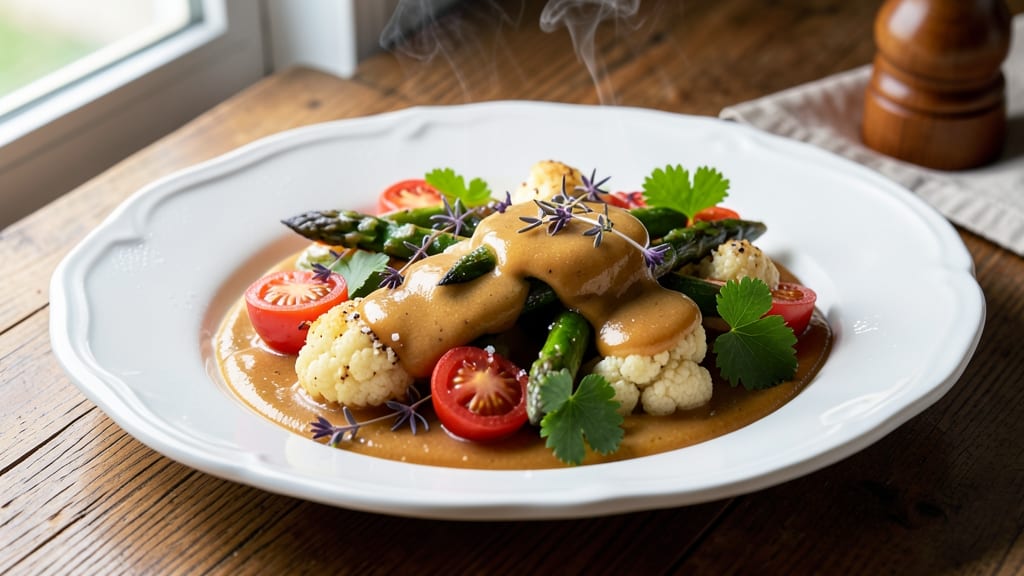
This butter sauce recipe for vegetables transforms simple sides into restaurant-worthy dishes with just five ingredients and 10 minutes of active time.
The secret lies in balancing rich butter with bright acid and fresh herbs, creating a sauce that clings beautifully to roasted Brussels sprouts, steamed asparagus, or sautéed green beans.
I developed this recipe after years of testing ways to elevate vegetables without overpowering their natural flavors—now it’s my go-to for adding depth and richness to any vegetable dish.
The foundation is simple: high-quality butter melted with garlic, lemon juice, and a blend of parsley and thyme for freshness. The acidity from the lemon prevents the sauce from becoming heavy, while the herbs add a bright, aromatic finish.
This sauce works equally well as a finishing drizzle or a light coating before roasting—both methods ensure every bite is infused with flavor without masking the vegetables themselves.
What makes this sauce truly versatile is its ability to adapt to different vegetables and cooking methods. Use it to drizzle over crispy roasted carrots, toss with steamed broccoli for extra flavor, or brush onto vegetables before roasting for a caramelized crust.
The sauce keeps well in the refrigerator for up to 5 days, making it perfect for meal prep or storing for quick weeknight dinners.
For an even more sophisticated touch, consider adding a pinch of smoked paprika or a splash of white wine to the sauce. The possibilities are endless, but the core technique remains the same: rich, herby, and perfectly balanced to elevate any vegetable dish. Let’s get started!
Ingredients for butter sauce recipe for vegetables
Five core ingredients create this velvety, herb-infused butter sauce that elevates vegetables to restaurant quality.
| Ingredient | Amount | Notes |
|---|---|---|
| Unsalted Butter 🧈 | ¾ cup | Cold, cubed for even melting |
| Garlic Cloves 🧄 | 4 cloves | Minced, fresh preferred |
| Fresh Lemon Juice 🍋 | 2 tbsp | Freshly squeezed, strain seeds |
| Fresh Flat-Leaf Parsley 🌿 | ¼ cup | Finely chopped, stems removed |
| Fresh Thyme Leaves 🌿 | 1 tbsp | Or 1 tsp dried thyme |
| Diamond Crystal Kosher Salt 🧂 | ¼ tsp | Adjust to taste |
| White Wine (optional) 🍷 | 1 tbsp | Dry variety preferred |
| Smoked Paprika (optional) 🌶️ | ⅛ tsp | For depth of flavor |
The butter quality is non-negotiable here—Plugrá or Kerrygold melt beautifully without overpowering. For the garlic, freshly minced (not jarred) prevents bitterness, and I always toast it briefly in the butter first to deepen its flavor. Fresh herbs are essential: flat-leaf parsley adds brightness, while thyme contributes earthy warmth. If using dried thyme, measure one-third the amount of fresh. The lemon juice should be freshly squeezed—bottled versions lack the vibrant acidity needed to balance the richness. For sourcing, local farmers markets often have fresher herbs than grocery stores, and specialty shops carry superior butter brands.
No fresh parsley? Cilantro or basil work in a pinch, though the flavor profile shifts slightly. Substituting white wine with an extra splash of lemon juice maintains acidity, while apple cider vinegar at half the amount offers a tangy alternative. For smoked paprika, liquid smoke at one-quarter teaspoon provides a similar depth if you're out. The sauce's versatility means you can adjust ratios: double the herbs for more pronounced flavor or reduce the butter slightly for a lighter finish. If you prefer a smoother texture, blend the sauce briefly after melting—though purists argue the rustic texture is part of its charm.
This sauce reheats beautifully—simply warm over low heat with a splash of water or milk to prevent splitting. Store in an airtight container in the refrigerator for up to 5 days, though the herbs will lose some vibrancy after 2-3 days. For longer storage, freeze in ice cube trays with a thin layer of oil on top to preserve freshness for 3 months. To use, drizzle over roasted vegetables just before serving or toss with steamed greens at the end of cooking. The sauce's light consistency makes it ideal for finishing dishes, so add it last to maintain its delicate balance.
Why You'll Love This Recipe
- Five-Ingredient Magic: I swear by this—just butter, garlic, lemon, and herbs. No fancy gadgets, no stress, and zero guesswork. The kind of recipe that makes you wonder why you ever overcomplicated things.
- Bright & Rich: That lemon juice cuts through the butter’s richness like a refreshing breeze. The thyme adds earthy warmth, while the parsley finishes it with a bright, herbaceous punch—like sunshine in a pan.
- Weeknight Hero: Dinner guests? Date night? Or just tired of sad salads? This sauce turns even the simplest roasted veggies into something special. Honestly, I’ve drizzled it over everything from Brussels sprouts to asparagus, and it never lets me down.
- Leftover Goldmine: Make a double batch—it keeps for days in the fridge. Toss it with leftover roasted veggies for lunch, or drizzle it over eggs in the morning. (Yes, even on a Tuesday night.) It’s my secret weapon for turning scraps into something delicious.
Step-by-step instructions for herb-infused butter sauce
This elegant sauce transforms simple vegetables into a gourmet dish with minimal effort.
Melt the Cold Butter Over Gentle Heat
Place the 0.75 cup unsalted butter (cubed as specified) in a medium saucepan over low heat. Watch closely as the butter begins to melt—you'll see small bubbles form around the edges before it fully liquefies. The cold start prevents burning while allowing the butter to develop rich, nutty flavors.
Once completely melted, reduce the heat to its lowest setting. This gentle warmth maintains the butter's integrity without causing it to brown or develop a bitter taste. Keep the butter at a barely simmering state—just enough to maintain its liquid form without active bubbling.
Infuse with Aromatics and Optional Wine
Add the 4 minced garlic cloves and stir for 30 seconds until fragrant but not browned. Garlic burns quickly, so don't walk away—you're aiming for aroma, not color. If using the 1 tablespoon white wine, pour it in now and let it simmer for 1-2 minutes until the alcohol aroma dissipates completely.
Here's where the sauce begins its transformation. The wine, if used, adds brightness that cuts through the richness of the butter. Without it, the sauce remains equally delicious—simply proceed to the next step. The key is to let these ingredients meld without overcooking, preserving their delicate flavors.
Build Flavor with Herbs and Seasoning
Stir in the 1 tablespoon fresh thyme leaves and 0.125 teaspoon smoked paprika (if using). The thyme releases its piney aroma immediately, while the smoked paprika adds subtle depth. Let the mixture simmer gently for 1 minute, allowing the herbs to steep in the butter's warmth.
Remove the pan from heat and stir in the 2 tablespoon fresh lemon juice and 0.25 teaspoon kosher salt. The acidity from the lemon brightens the sauce, while the salt enhances all the flavors. If you find the sauce too thick at this point, you can gently reheat it for 30 seconds to loosen the consistency.
Finish with Fresh Parsley and Adjust Consistency
Return the sauce to low heat and stir in the 0.25 cup finely chopped parsley. The parsley adds freshness and vibrant color, completing the flavor profile. Taste and adjust the seasoning—you may need a pinch more salt or lemon juice to balance the flavors perfectly.
For a glossy finish, drizzle in 1-2 teaspoons of water and stir until the sauce reaches your desired consistency. It should coat the back of a spoon smoothly but not be overly thin. Immediately transfer to a serving bowl or keep warm over barely simmering water if you'll be using it shortly.
Pro Tips For Making Butter Sauce Recipe For Vegetables
- Melt Butter Slowly: Start on medium-low heat—high heat burns butter faster than you can whisk. I learned this the hard way when my sauce turned into a sad, grainy mess instead of a silky blanket for veggies.
- Mince Garlic Fine: Use a knife instead of a press—minced garlic blends smoother and won’t leave gritty bits. (Yes, even if you’re impatient like me, take the extra 30 seconds.)
- Balance Lemon Early: Add half the lemon juice first, taste, then adjust—too much at once makes the sauce sharp. My grandmother swore by this, and she was right: subtlety matters.
- Toast Herbs Briefly: Sauté thyme leaves for 10 seconds before adding parsley—they release aroma without burning. (Your future self will thank you for not skipping this.)
Perfect pairings for butter sauce recipe for vegetables
Roasted Vegetable Pairings
This butter sauce transforms roasted Brussels sprouts into a standout side when tossed with 1 tablespoon sauce per 2 cups sprouts after roasting. The caramelized edges absorb the herby richness beautifully.
For carrots, drizzle 2 tablespoons sauce over 1 pound sliced carrots before the final 10 minutes of roasting at 400°F—the sauce creates a glossy, flavorful crust. 🌟
Steamed Green Beans
Add the sauce at the very end of steaming—toss 1 pound green beans with 1 tablespoon sauce and a pinch of salt. The heat from the beans will slightly warm the sauce, making it cling perfectly.
For extra luxury, sprinkle with toasted slivered almonds before serving. This method works equally well with asparagus or broccoli, using ½ tablespoon sauce per 1 cup vegetables.
Sautéed Mushrooms
Sauté 8 ounces sliced mushrooms in 1 tablespoon butter until golden, then remove from heat and stir in 1 tablespoon sauce. The earthy mushrooms and buttery sauce create a decadent vegetarian main dish.
For a lighter version, replace half the butter with olive oil and use ½ tablespoon sauce—the acidity from the lemon brightens the dish without heaviness.
Grilled Vegetables
Brush zucchini, eggplant, or bell peppers with 1 tablespoon sauce before grilling to prevent sticking and add flavor. After grilling, drizzle with an additional ½ tablespoon sauce and sprinkle with crumbled feta cheese for a Mediterranean-inspired finish. The sauce's acidity balances the natural sweetness of grilled vegetables beautifully.
As a Finishing Drizzle
Use this sauce as a finishing touch for any cooked vegetable—simply drizzle 1 teaspoon per serving just before eating. It works wonders on mashed cauliflower, roasted sweet potatoes, or even steamed artichokes.
For an extra pop of color, garnish with microgreens or edible flowers before serving. The sauce's light texture makes it ideal for adding elegance without overpowering the vegetables. ✨
Nutrition facts
Frequently asked questions
Can I make this butter sauce without fresh herbs?
Use 1 teaspoon dried thyme and 1 tablespoon dried parsley instead of fresh. For best results, toast the dried herbs in the butter for 30 seconds to release their aromas. The flavor will be slightly less vibrant, but still delicious—especially when paired with heartier vegetables like roasted potatoes or mushrooms.
How do I prevent the sauce from separating when reheating?
Always reheat the sauce gently over low heat and add 1 teaspoon of water or milk per ½ cup of sauce to restore its emulsified texture. Stir constantly until smooth—never let it boil. For extra insurance, whisk in ½ teaspoon cornstarch mixed with 1 teaspoon cold water if the sauce still looks broken. The key is patience and gentle heat!
What vegetables pair best with this sauce?
This sauce shines with roasted Brussels sprouts, asparagus, green beans, and carrots. For grilled vegetables, try zucchini or bell peppers. Even steamed cauliflower or artichokes become elegant when finished with this herby butter. The sauce's light acidity complements both earthy and sweet vegetables beautifully.
Can I make this sauce ahead of time?
Yes! Store it in an airtight container in the refrigerator for up to 5 days. For longer storage, freeze in ice cube trays with a thin layer of oil on top—this preserves freshness for 3 months. Reheat gently over low heat, adding a splash of water if needed. The herbs will lose some vibrancy after 2-3 days, but the flavor remains excellent.
Why did my sauce turn grainy?
This usually happens when butter separates from the liquid components. To fix it, whisk in 1 teaspoon of warm water or milk while stirring vigorously over low heat until smooth. For prevention, don't let the sauce boil, and always melt the butter gently. The acidity from lemon juice helps stabilize the emulsion, so ensure you've added enough.