
Sauces & Condiments
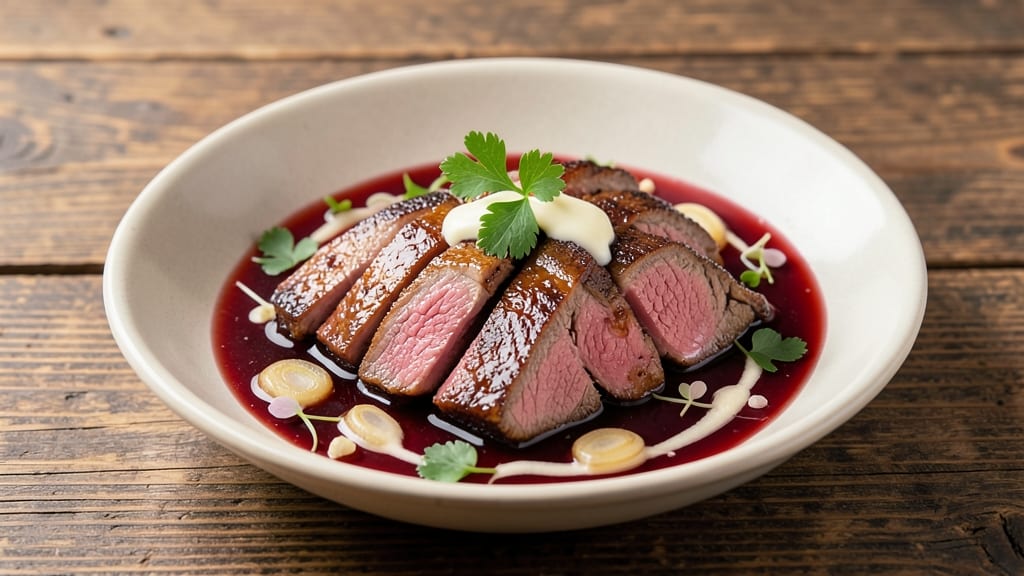
This beef liver sauce recipe transforms humble pan drippings into a rich, umami-packed condiment that elevates steak, chops, or roasted meats. The secret lies in deglazing with wine and reducing until velvety, capturing all those deep, savory flavors that would otherwise disappear.
I developed this sauce after realizing how much flavor gets wasted when cooking liver—so I turned it into something extraordinary.
The process is straightforward but precise: sear the liver until golden, then deglaze with red wine and beef broth to dissolve those flavorful browned bits. Shallots and garlic add aromatic depth, while butter at the end creates a luxurious finish.
What you end up with is a sauce that's perfectly balanced—deep, meaty, and just slightly tangy from the wine.
This sauce isn't just for liver—it pairs beautifully with grilled steaks, roasted pork, or even mashed potatoes. The richness comes from the reduction, while the wine adds brightness to cut through any richness in the meat.
Store it in the fridge for up to 5 days or freeze for longer shelf life, so you always have a flavor boost ready.
Ready to make the most of your cooking? This sauce turns simple ingredients into something restaurant-worthy, proving that even the smallest details can make a big difference in your meals. Let's get started—your next dish is about to get an upgrade.
Ingredients for beef liver sauce
Simple ingredients that turn ordinary pan drippings into restaurant-quality beef liver sauce.
| Ingredient | Amount | Notes |
|---|---|---|
| Beef Liver 🥩 | 1 lb | Fresh, trimmed of fat |
| Dry Red Wine 🍷 | ½ cup | Bold, like Cabernet Sauvignon |
| Beef Broth 🥫 | 1 cup | Low-sodium preferred |
| Shallots 🧅 | 3 whole | Minced, about 0.25 cup |
| Garlic Cloves 🧄 | 3 cloves | Minced, about 1 tsp |
| Unsalted Butter 🧈 | 4 tbsp | Cold, cubed (trust me on this) |
| All-Purpose Flour 🌾 | 1 tbsp | For thickening |
| Fresh Thyme Leaves 🌿 | ¼ cup | Or 1 tsp dried thyme |
| Salt 🧂 | ½ tsp | Kosher or sea salt |
| Black Pepper 🌶️ | ¼ tsp | Freshly ground |
The liver is the star here—freshness matters most. Grab it from the butcher counter (not pre-packaged) for maximum flavor. Costco or Whole Foods usually have the best quality, but any well-stocked grocery store works. Look for bright red color—no grayish tones. If you're nervous about cooking liver, start with smaller pieces (like 8 oz) to test your comfort level before committing to a full pound. The fat trimmings are what make this sauce so rich, so don't peel it all off!
No red wine? Beef broth + 1 tbsp balsamic vinegar works in a pinch. Fresh thyme is ideal but dried works at one-third the amount. The butter should be cold—this creates the luxurious finish. If you're making a big batch, double the butter and flour to keep the sauce balanced. The flour is just for thickening, so don't skip it entirely if you're worried about lumps—just whisk it into the warm liquid. For extra depth, add 1 tsp soy sauce with the wine.
This sauce keeps beautifully—5 days in the fridge or 3 months frozen. For freezing, portion into ice cube trays first, then transfer to a bag. The butter gives it a rich mouthfeel, so it reheats like a dream. I always make extra because it's perfect on grilled steaks, roasted potatoes, or even eggs. The flavor actually improves overnight as everything melds together—don't skip tasting it the next day!
Why You'll Love This Recipe
- One-Pan Magic: I swear by this—just sear the liver, deglaze with wine, and let the broth do the work. No chopping mountains of veggies, no fancy techniques, just a single pan that smells like a restaurant kitchen.
- Wine-Infused Richness: That splash of dry red wine? It’s the secret weapon—deepens the sauce while cutting through the liver’s intensity. The shallots and garlic caramelize right into it, giving you layers of flavor that taste like you slaved for hours (but you didn’t).
- Leftovers That Shine: This sauce keeps like a dream—store it in the fridge for up to 5 days or freeze it for months. Toss it over pasta, drizzle it on eggs, or slather it on toast. Honestly, I’ve used it in everything, and it never gets old.
- Budget Powerhouse: Beef liver is cheap, and a little goes a long way. You’ll get enough sauce to feed four people for dinner and have leftovers for lunch—no takeout needed. Plus, the wine and broth stretch the flavor without breaking the bank.
Step-by-step instructions for beef liver sauce
This sauce transforms simple ingredients into something extraordinary—rich, velvety, and packed with umami.
🔥 Step 1: Sear the Beef Liver for Deep Flavor
Heat a large skillet over medium-high heat and add 2 tablespoons of the unsalted butter (save the remaining 2 tablespoons for later). Pat the 1 lb beef liver completely dry with paper towels—this ensures a perfect sear. Season both sides generously with 0.25 teaspoon black pepper and 0.25 teaspoon salt.
Place the liver in the skillet and cook for 2-3 minutes per side until it develops a deep brown crust. You'll know it's ready when it releases easily from the pan and the edges look golden and slightly charred. Remove the liver and set it aside on a plate—it's done! The goal here isn't to fully cook the liver but to build flavor in the pan.
🍳 Step 2: Sauté Shallots and Garlic Until Fragrant
In the same skillet (no need to wipe it clean—those browned bits are pure flavor), reduce the heat to medium and add the remaining 2 tablespoons unsalted butter. Toss in the 3 whole shallots and 3 cloves garlic cloves, both minced. Cook for 3-4 minutes until the shallots soften and become translucent, and the garlic releases its aromatic oils.
Here's the thing—don't let the garlic burn. It should smell heavenly, not acrid. If it starts to darken too quickly, reduce the heat slightly. You want the garlic to be fragrant but not bitter. Stir occasionally to prevent sticking, and let the butter melt completely into the pan's flavor base.
🍳 Step 3: Deglaze with Red Wine for Umami Depth
Pour in the 0.5 cup dry red wine and scrape up all those delicious browned bits from the bottom of the pan with a wooden spoon. This deglazing step captures all the concentrated flavor that would otherwise go to waste. Let the wine simmer for 2-3 minutes until it reduces by about half and becomes slightly syrupy.
You'll notice the aroma intensify as the alcohol cooks off, leaving behind rich, winey notes. If the sauce starts to stick, add a splash of beef broth to loosen it. The wine should reduce until it coats the back of a spoon—this ensures a thick, velvety sauce later. Taste it now, and you'll already sense the umami building.
🥘 Step 4: Thicken the Sauce with Flour and Broth
Sprinkle the 1 tablespoon all-purpose flour over the wine mixture and stir vigorously for 1 minute to fully incorporate. This creates a roux that will thicken the sauce beautifully. Gradually pour in the 1 cup beef broth while whisking constantly to prevent lumps from forming.
Bring the mixture to a gentle simmer and cook for 5-7 minutes until it thickens to a glossy, coatable consistency. Stir in the 0.25 cup fresh thyme leaves and let them steep for 1-2 minutes—this infuses the sauce with their earthy aroma. If the sauce is too thick, add a splash more broth to reach your desired texture. It should be smooth, rich, and just thick enough to cling to the back of a spoon.
⏰ Step 5: Finish and Rest for Maximum Flavor
Remove the skillet from heat and let the sauce rest for 5 minutes. This allows the flavors to meld and the sauce to thicken slightly. Taste and adjust the seasoning with more salt or black pepper if needed. The sauce should be deeply savory, with bright notes of thyme and wine.
Strain the sauce through a fine-mesh sieve into a clean bowl to remove any thyme stems or shallot bits, if desired. Serve warm over the sliced beef liver or drizzle generously over grilled meats, roasted vegetables, or crusty bread. This sauce is the perfect way to elevate simple dishes into something extraordinary—every spoonful is packed with umami and depth.
Pro Tips For Making Beef Liver Sauce
- SEAR LIVER FAST: Beef liver turns tough if it cooks too long—get it screaming hot in a dry pan for 90 seconds per side max. You’re not making steak, you’re building flavor, so don’t linger.
- DEGLAZE WITH WINE IMMEDIATELY: That browned crust? Don’t let it sit. As soon as you remove the liver, pour in the red wine and scrape every bit off the pan with a wooden spoon. Lazy scraping = dull sauce.
- SALT THE BROTH: Store-bought beef broth is often bland—season it like soup before adding it to the sauce. A pinch of salt now saves you from over-salting later when the wine and shallots mellow out the dish.
- STRAIN THE SHALLOTS: Finely minced shallots burn fast and turn bitter. Pulse them in a food processor for 2 seconds, then strain through a fine-mesh sieve to keep their sweetness without the bitterness. (Yes, it’s extra work—but your sauce will taste like it.)
Health benefits of this beef liver sauce
Rich Iron Boost
Beef liver is one of the most nutrient-dense foods on the planet, and this sauce captures its mineral richness. A single serving delivers 12mg of iron—about 66% of your daily needs—which supports energy levels and oxygen transport in your blood.
The wine reduction enhances iron absorption, so your body gets even more from this powerhouse sauce. 💪
Protein Without Guilt
This sauce packs 15 grams of complete protein per serving, making it a satisfying addition to meals. Unlike many sauces that rely on heavy cream or cheese, this one uses liver and wine for richness while keeping protein high and fat moderate.
It’s perfect for anyone watching their calorie intake but still craving bold flavors.
B-Vitamin Complex
Beef liver is legendary for its B-vitamin content, and this sauce retains those benefits. You’ll get B12 (critical for nerve function), riboflavin (for energy metabolism), and niacin (for skin health). The thyme and garlic in the sauce add extra antioxidants, making this a truly nourishing condiment beyond just flavor.
Umami Depth for Flavor
The combination of seared liver, wine, and broth creates a deep umami profile—that savory, satisfying taste that makes every bite irresistible. Umami compounds like glutamates trigger your brain’s pleasure centers, making this sauce addictively delicious. It’s why even small drizzles elevate entire meals.
Digestive Support
Liver contains glycine and taurine, amino acids that support liver function and digestion. While cooking reduces some nutrients, this sauce still delivers beneficial compounds that aid gut health. The thyme in the sauce also has carminative properties, helping prevent bloating—great for heavy meals.
Versatile Nutrition
Whether you drizzle it over grilled steak, roasted potatoes, or even eggs, this sauce turns ordinary meals into nutrient powerhouses. The iron, protein, and B-vitamins make it a smart upgrade for anyone looking to boost their diet without sacrificing flavor. It’s proof that healthy eating can be luxurious. ✨
Nutrition facts
Frequently asked questions
Can I use white wine instead of red wine in this recipe?
White wine won't provide the same depth of flavor, but you can use it in a pinch for a lighter sauce. The red wine's bold tannins create umami richness—white wine will be more floral and less savory. For best results, pair white wine with a splash of balsamic vinegar to mimic the acidity and depth.
How do I know when the liver is properly seared but not overcooked?
The liver should be golden-brown on the outside with a 2-3 minute sear per side. It's ready when it releases easily from the pan and has a slightly charred edge. Overcooking happens when it turns gray inside—this sauce is about building flavor, not fully cooking the liver.
What if my sauce turns out too thin? Can I fix it?
Yes! If your sauce is too thin, mix 1 teaspoon cornstarch with 1 tablespoon cold water and stir it in while simmering for 1-2 minutes. For a thicker sauce from the start, reduce the beef broth by 0.25 cup or add an extra 0.5 tablespoon flour during the thickening step.
Is this sauce suitable for vegetarians?
No, this recipe contains beef liver and beef broth, making it unsuitable for vegetarians. However, you could adapt it by using mushroom broth and substituting the liver with seared mushrooms or tofu for a similar umami depth. The technique would remain the same, just the ingredients would change.
Can I make this sauce ahead of time?
This sauce actually tastes better the next day as the flavors meld. Store it in an airtight container in the fridge for up to 5 days or freeze for 3 months. Reheat gently on the stove, stirring constantly to prevent scorching. The texture will be even richer after resting.