
Sauces & Condiments
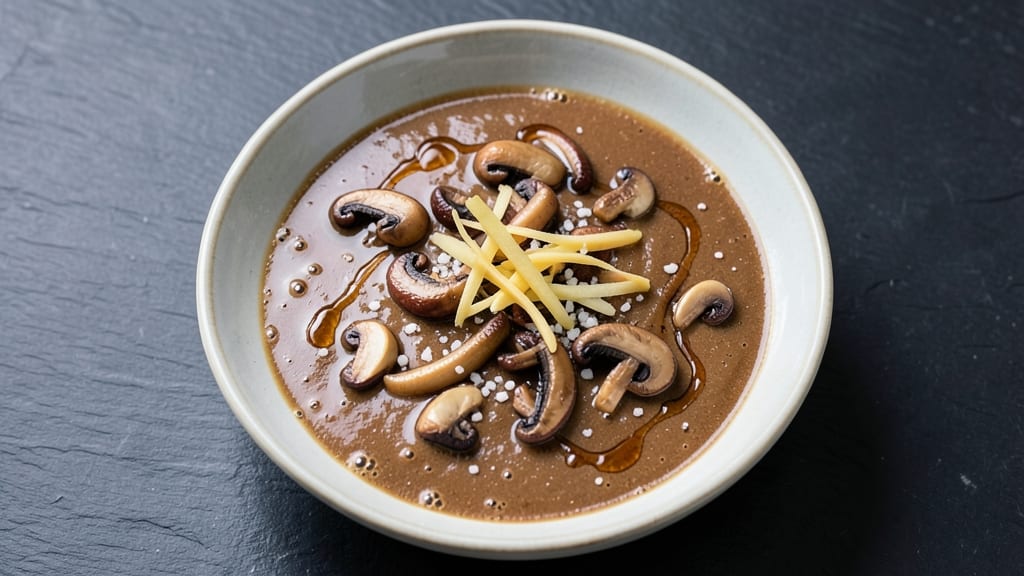
This Asian mushroom sauce recipe transforms simple ingredients into a deeply umami-rich pan sauce that elevates every dish it touches. The secret lies in simmering shiitake mushrooms with garlic, ginger, and soy sauce until their earthy flavors meld into a velvety, aromatic base.
I developed this sauce after years of experimenting with stir-fry pan drippings—what was once discarded became the star of countless meals.
The beauty of this sauce is its versatility. A single batch works as a dipping sauce for spring rolls, a stir-fry glaze, or a noodle dressing, all while delivering that signature umami punch that Asian cuisine thrives on.
The mushrooms break down into a silky texture, while fish sauce and a touch of miso add layers of complexity that store-bought sauces simply can't match.
What you'll end up with is a savory, slightly sweet sauce that's rich enough to stand alone but balanced enough to complement any protein or vegetable.
The aroma alone will have your kitchen smelling like a bustling street market, and the first taste will remind you why homemade sauces are always better. It keeps well in the fridge for up to a week, making it a pantry staple for quick weeknight meals.
Perfect for meal prep or last-minute cooking, this sauce requires just 20 minutes of active time and delivers restaurant-quality results.
Whether you're tossing it with noodles, drizzling it over grilled meats, or using it as a dip, the possibilities are endless—and every bite will taste like you've spent hours in the kitchen. Let's make this sauce.
Ingredients for asian mushroom sauce
Nine pantry staples transform into a deeply umami-rich sauce that's restaurant-quality magic.
| Ingredient | Amount | Notes |
|---|---|---|
| Dried Shiitake Mushrooms 🍄 | 1 cup | Rehydrated in hot water |
| Garlic Cloves 🧄 | 4 cloves | Minced for aromatic depth |
| Fresh Ginger 🌿 | 1 ½ tbsp | Finely grated, vibrant |
| Low-Sodium Soy Sauce 🥢 | ½ cup | Kikkoman preferred |
| Fish Sauce 🍶 | 1 tbsp | Red Boat brand recommended |
| White Miso Paste 🧈 | 1 tbsp | Masa brand for authenticity |
| Sesame Oil 🫒 | 1 tbsp | Toasted for nutty aroma |
| Brown Sugar 🍚 | 1 tbsp | Light or dark preferred |
| Cornstarch 🌾 | 1 tsp | For thickening consistency |
| Water 💧 | ½ cup | Room temperature preferred |
The shiitake mushrooms are the heart of this sauce. Dried shiitake from Asian markets or bulk bins at Whole Foods have the most concentrated flavor—look for ones that smell earthy, not musty. I always soak them in hot water (not boiling) for 20 minutes to rehydrate before using. The garlic and ginger? Fresh is non-negotiable here—frozen or jarred won't give you that same aromatic punch. For the soy sauce, Kikkoman is my go-to, but any low-sodium brand works. The fish sauce? Red Boat is the gold standard, but Red Boat Red works too if you want less fishy flavor.
No dried shiitake? Fresh shiitake or cremini mushrooms work in a pinch—just use 8 oz chopped instead of the dried version. Short on fish sauce? Extra soy sauce plus a pinch of sugar mimics the umami, though it won't be identical. The miso paste can be swapped for white miso or even a little soy sauce, but you'll lose some depth. Sesame oil giving you sticker shock? Toasted sesame seeds ground into a paste work too (though they won't have the same aroma). The cornstarch is key for that silky texture—don't skip it, but if you're gluten-free, arrowroot powder works just as well.
This sauce keeps for up to 1 week in the fridge, and honestly tastes better the next day as the flavors meld. I always make double batches—one for immediate use, one to freeze in ice cube trays for quick single-serving additions later. The frozen cubes thaw in seconds when tossed into hot dishes. For extra richness, stir in a splash of water or broth if it thickens too much when reheating. The aroma alone will make your kitchen smell like a bustling street market—worth every minute.
Why You'll Love This Recipe
- No-Soaking Needed: I’ll admit, dried shiitake intimidates beginners—but here, you just crush them whole. That’s right: no pre-soaking, no waiting. The mushrooms release their umami punch straight into the pan while you chop garlic, and honestly? That deep, earthy flavor builds faster than you’d think.
- Umami Bomb Combo: Between the soy and fish sauce, plus that ginger-garlic sizzle, this sauce hits like a flavor tsunami. The dried mushrooms add a meaty richness without the mess, and the fish sauce? Just a teaspoon—trust me, it rounds out the funky edge perfectly. It’s the kind of taste that makes you pause mid-bite.
- Pantry-to-Table Magic: This sauce transforms everything—noodles, stir-fries, even grilled chicken. I’ve used it to dress up instant rice when I’m exhausted, or drizzled it over tofu for a last-minute dinner. The best part? It keeps for days in the fridge, so you’re never stuck deciding what to eat.
- Budget Flexibility: Dried shiitake and fish sauce stretch your dollar further than fresh ingredients ever could. A single packet of mushrooms makes three batches, and the sauce’s bold flavor means you use less oil or butter elsewhere. Plus, it’s the kind of recipe where a little goes a long way—perfect for testing new dishes without breaking the bank.
Step-by-step instructions for Asian mushroom sauce
This umami-packed sauce comes together in minutes with just a few simple techniques.
Rehydrate and Sauté the Shiitake Mushrooms
Place the 1 cup dried shiitake mushrooms in a heatproof bowl and pour ½ cup hot water over them. Let them soak for 15 minutes until they've absorbed the water and softened. Drain, reserving the soaking liquid, and finely chop the mushrooms.
Heat 1 tablespoon sesame oil in a medium saucepan over medium heat. Add the chopped mushrooms and cook for 5 minutes, stirring occasionally, until they release their moisture and develop a deep golden color. This step builds the sauce's earthy foundation—don't rush it. If the mushrooms stick, add a splash of the reserved soaking liquid to deglaze the pan.
Build the Aromatic Base
Add the 4 minced garlic cloves and 1.5 tablespoons finely grated fresh ginger to the pan. Cook for 1 minute until the garlic becomes fragrant and just begins to turn golden—this prevents bitterness. Stir constantly to avoid burning, as garlic can go from perfect to bitter in seconds.
Next, add the 1 tablespoon white miso paste and stir vigorously for 30 seconds until it melts completely into the oil. The miso adds a rich, fermented depth that balances the sauce's other flavors. If you notice any unmelted clumps, add 1 tablespoon water and stir until smooth. This is where the sauce starts to come together—pay attention to the color changes as the miso integrates.
Combine the Sauce Ingredients
Pour in the ½ cup low-sodium soy sauce, 1 tablespoon fish sauce, and 1 tablespoon brown sugar. Stir well to combine, then bring the mixture to a gentle simmer over medium heat. Let it cook for 3 minutes, allowing the flavors to meld and the sugar to caramelize slightly at the edges of the pan.
Here's the thing—this is where the sauce's complexity develops. The fish sauce adds saltiness, the soy sauce brings umami, and the brown sugar rounds out the flavors. Taste the mixture now—it should be rich and slightly sweet with a deep savory note. If it's too thin, reduce heat to low and let it simmer uncovered for another 2 minutes to thicken naturally.
Thicken and Finish the Sauce
In a small bowl, whisk together the 1 teaspoon cornstarch with 2 tablespoons water until smooth. Slowly pour this mixture into the simmering sauce while stirring constantly. The sauce will thicken immediately—this is your signal that it's ready. Keep stirring for 1-2 minutes until it reaches a glossy, velvety consistency that coats the back of a spoon.
Remove the pan from heat and let the sauce rest for 2 minutes. This resting period allows the flavors to fully integrate and the sauce to reach its ideal texture. The final sauce should be thick enough to coat the back of a spoon but still flow smoothly. If it's too thick after resting, thin it with 1 teaspoon water at a time until you reach the perfect consistency.
Adjust and Serve
Taste the sauce and adjust the seasoning if needed. You might want to add a touch more soy sauce for saltiness, fish sauce for umami, or brown sugar for sweetness. The sauce should be balanced—savory, slightly sweet, with a deep umami richness.
This versatile sauce pairs beautifully with grilled meats, stir-fried vegetables, or steamed rice. For extra depth, drizzle a touch of sesame oil over the top just before serving. The sauce keeps well in the refrigerator for up to 5 days, making it perfect for meal prep. Store it in an airtight container, and give it a quick stir before reheating to maintain its smooth texture.
Pro Tips For Making Asian Mushroom Sauce
- SOAK SHIITAKES LONG ENOUGH: Dried shiitakes need 20-30 minutes in hot water to fully rehydrate—don’t cut corners. I used to rush this and end up with chewy, underwhelming mushrooms. Soak them in a bowl of boiling water, then slice while still submerged so they don’t dry out.
- SWEAT GARLIC LOW AND SLOW: Medium-low heat is your friend here—garlic burns faster than you think. Cook it until fragrant but not browned, or you’ll taste bitterness instead of sweetness. Cover the pan for the first 2 minutes to help it release oils without charring.
- GRATE GINGER FINE: Skip the mincer and use a microplane—it distributes flavor evenly and avoids clumps. I learned this the hard way after straining out ginger bits from my sauce. A teaspoon of freshly grated ginger (not powder) makes a real difference in depth.
- TASTE THE SAUCE HALFWAY: After adding soy and fish sauce, simmer for 5 minutes before tasting. This lets the flavors meld, so you can adjust seasoning properly. I used to eyeball it and end up with sauce that was either bland or overpowering. A quick taste now saves second-guessing later.
Regional styles of this recipe
Japanese Shio Koji Style
For a fermented twist, replace the miso with 1 tablespoon shio koji (salt-fermented rice starter) and reduce soy sauce to ¼ cup. Simmer with ½ cup dashi stock instead of water for a lighter, more delicate flavor profile.
The koji adds a subtle sweetness and complexity that works beautifully with grilled fish or sashimi. I find this version pairs exceptionally well with sake-marinated scallops—the sauce's umami cuts through the richness perfectly. 🍶
Thai-Inspired Spicy Mushroom
Transform this into a Thai-style sauce by adding 1 tablespoon fish sauce, 1 teaspoon palm sugar, and ½ teaspoon Thai bird's eye chili (adjust to taste). Replace the ginger with 1 tablespoon galangal (if available) for an authentic aroma.
Finish with a splash of 1 tablespoon lime juice before serving. This version works as a dipping sauce for satay or a stir-fry glaze—just toss in 1 tablespoon rice vinegar for tang. 🌶️
Korean Gochujang Fusion
For a Korean-inspired take, stir in 1 tablespoon gochujang (Korean chili paste) and ½ teaspoon sesame seeds at the end. Use 1 tablespoon honey instead of brown sugar to balance the heat. This sauce is perfect for bulgogi beef or kimchi pancakes, adding a sweet-spicy kick.
I like to finish with a drizzle of sesame oil and toasted sesame seeds for extra texture. The gochujang adds a vibrant red color that makes the dish look as good as it tastes. 🌟
Vietnamese Nước Chấm Twist
Create a dipping sauce by blending the finished mushroom sauce with 2 tablespoons lime juice, 1 tablespoon fish sauce, and 1 teaspoon sugar. Thin with 2 tablespoons water until it reaches a pourable consistency.
Serve with spring rolls or grilled pork skewers—this version is lighter but packed with umami. The lime brightens the flavors, making it refreshing yet deeply savory. I often add a few crushed peanuts on top for crunch. 🥢
Chinese Black Bean Sauce Hybrid
For a Cantonese-inspired sauce, stir in 2 tablespoons black bean sauce (like Lee Kum Kee) and 1 teaspoon Shaoxing wine during the simmering stage. Replace the brown sugar with 1 teaspoon rock sugar for a more refined sweetness.
This sauce is ideal for stir-fries or as a glaze for roasted meats. The black bean sauce adds a deep, earthy note that complements the mushrooms beautifully. 🍜
Nutrition facts
Frequently asked questions
Can I use fresh mushrooms instead of dried shiitake?
Replace the 1 cup dried shiitake with 8 oz fresh shiitake or cremini mushrooms, finely chopped. Sauté them for 3-4 minutes until they release moisture, then proceed with the recipe. Fresh mushrooms work beautifully but won't have the same concentrated umami depth as dried.
How can I make this sauce gluten-free?
Swap the soy sauce for tamari or coconut aminos (use ½ cup) and replace cornstarch with arrowroot powder (same amount). For extra depth, add 1 teaspoon gluten-free miso or an additional ½ teaspoon fish sauce. The texture and flavor will remain rich and satisfying.
What's the best way to store and reheat this sauce?
Store in an airtight container in the fridge for up to 5 days. For reheating, gently warm in a saucepan over low heat while stirring constantly. If it thickens too much, add 1 teaspoon water at a time. Never microwave directly—it can separate. For longer storage, freeze in ice cube trays for single-serving portions.
Can I make this sauce without fish sauce?
Yes! Replace the 1 tablespoon fish sauce with 1 extra tablespoon soy sauce plus ½ teaspoon sugar to mimic the umami and saltiness. For a vegetarian version, use 1 tablespoon coconut aminos plus ½ teaspoon nutritional yeast. The flavor won't be identical, but it'll still be delicious.
Why did my sauce turn out too salty?
Most likely, the fish sauce or soy sauce overpowered the other ingredients. Balance it by adding 1 teaspoon brown sugar (to counteract salt) or 1 tablespoon water (to dilute). For future batches, reduce soy sauce to ¼ cup and fish sauce to ½ teaspoon if you prefer milder flavors. Taste as you go!