
Sauces & Condiments
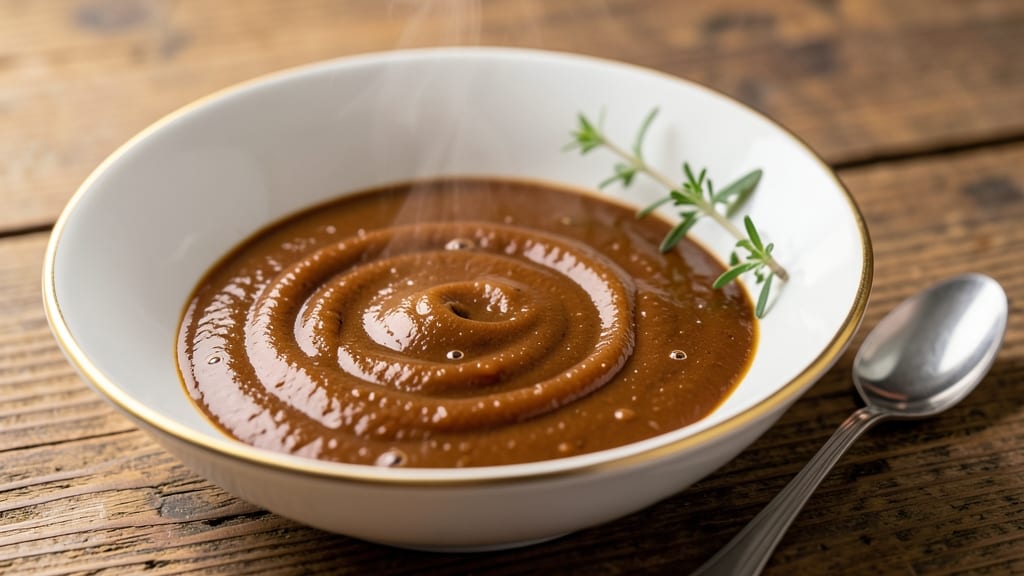
Creating a basic brown sauce recipe that delivers restaurant-quality depth to any dish starts with a simple foundation: stock, butter, and patience. This sauce transforms ordinary meals into something rich and savory, with umami layers that develop through slow simmering.
I’ve perfected this method over years of testing—it’s the secret weapon behind countless elevated weeknight dinners.
The beauty of this brown sauce lies in its versatility and foolproof technique. With just five core ingredients—stock, butter, flour, tomato paste, and seasonings—you’ll build a sauce that’s deep, velvety, and packed with flavor.
The key is simmering it low and slow, allowing the flavors to meld and thicken naturally. No fancy equipment or advanced skills required, just time and attention.
What you’ll end up with is a smooth, glossy sauce that clings perfectly to meats, vegetables, or pasta, adding a rich, caramelized depth to every bite. The aroma alone will have everyone asking what’s for dinner.
This sauce keeps well in the fridge for up to a week, making it ideal for meal prep or batch cooking.
For extra depth, consider adding a splash of red wine or a bay leaf while simmering. Vegetarians can substitute vegetable stock for a plant-based version without sacrificing flavor. Let’s get started on creating this essential pantry staple.
Ingredients for basic brown sauce
Five core ingredients transform into a velvety brown sauce with restaurant-quality depth.
| Ingredient | Amount | Notes |
|---|---|---|
| Unsalted Butter 🧈 | ½ cup | Cold, cubed for even melting |
| All-Purpose Flour 🌾 | ½ cup | Sifted for smooth consistency |
| Tomato Paste 🍅 | 2 tbsp | High-quality, no additives |
| Beef Stock 🥩 | 2 cups | Homemade or premium canned |
| Red Wine 🍷 | ¼ cup | Dry, bold variety preferred |
| Diamond Crystal Kosher Salt 🧂 | 1 tsp | Fine grain for precise seasoning |
| Freshly Ground Black Pepper 🌶️ | ½ tsp | Coarsely cracked for texture |
| Bay Leaves 🌿 | 1 whole | Dried or fresh for aroma |
| Extra-Virgin Olive Oil 🫒 | 1 tbsp | For finishing, high-quality |
The foundation begins with unsalted butter—use European-style if available, as its higher fat content (82%) creates a richer roux. Land O'Lakes or Plugrá are reliable brands for consistent results. For the flour, King Arthur All-Purpose or Bob's Red Mill yield the smoothest texture when sifted. The tomato paste should be San Marzano if possible, as its natural sweetness balances acidity without overpowering. Muir Glen is a solid budget alternative. Beef stock is non-negotiable for authentic umami—Kettle & Fire or Pacific Foods deliver superior depth compared to grocery store brands. The red wine should be dry and bold—Cabernet Sauvignon or Merlot work best, but any Chianti will suffice.
No beef stock? Vegetable stock works for vegetarians, though the flavor profile shifts subtly. Substitute balsamic vinegar for red wine at a 1:1 ratio if needed, though it adds a different acidity. Fresh bay leaves can be swapped for dried at a 1:3 ratio, but remove them promptly to avoid bitterness. The tomato paste from squeeze tubes (like Trader Joe's) is perfectly adequate—just ensure it's 100% paste with no additives. For the butter, margarine can be used in a pinch, though it lacks the rich mouthfeel. If you're avoiding gluten, replace the flour with cornstarch or arrowroot powder at the same ratio, but expect a slightly thinner consistency.
This sauce develops best over time—simmer uncovered for 30-45 minutes to achieve optimal thickness. Store in an airtight container in the refrigerator for up to 7 days, or freeze in ice cube trays for single-serving portions that last 3 months. The sauce thickens further when reheated, so add a splash of beef stock or water if needed. For extra richness, whisk in 1 tablespoon of cold butter at the end. The aroma alone signals depth—this is the kind of sauce that turns weeknight dinners into memorable meals.
Why You'll Love This Recipe
- Pantry Magic: I swear by this sauce because it uses what I already have—no special trips to the store. Butter, flour, tomato paste, stock, and a splash of red wine? That’s it. The wine adds depth without breaking the bank, and the roux (yes, just butter and flour) gives it that velvety richness that feels fancy but isn’t.
- Rich Without Effort: Here’s what sold me—the way the tomato paste and beef stock meld into something deeper than store-bought. The flour-butter base thickens it just right, so it clings to pasta or meat like it’s been simmering for hours. (Between us, it’s my shortcut to restaurant-quality flavor.)
- Weeknight to Dinner Party: This sauce works when I’m microwaving leftovers for lunch and when I’m hosting friends for steak night. Toss it with mashed potatoes, drizzle it over grilled chicken, or use it as a dip—it’s that adaptable. Honestly, I’ve even poured it over ice cream (don’t judge).
- Leftovers That Don’t Suck: Make a double batch, and you’ve got a freezer-friendly sauce that tastes even better the second day. The flavors deepen, and it’s still budget-friendly. I freeze it in portions so I can grab it for last-minute dinners—no takeout, no stress. (Yes, even on a Tuesday night.)
Step-by-step instructions for basic brown sauce
Mastering this rich, velvety sauce begins with patience and precise technique.
Create a Smooth Roux with Butter and Flour
In a medium saucepan, melt the 0.5 cup unsalted butter over medium-low heat, stirring constantly until it foams and subsides. Here's the thing—this step demands attention. The butter should melt evenly without browning, creating a smooth base for your roux.
Once fully melted, whisk in the 0.5 cup all-purpose flour all at once. Stir vigorously for 2-3 minutes until the mixture transforms into a thick, paste-like consistency. You're aiming for a pale blonde roux—this ensures your sauce won't develop a raw flour taste. If it starts to darken too quickly, reduce the heat slightly. This foundational step builds the sauce's structure and carries all the flavors to come.
Cook the Tomato Paste and Deglaze with Wine
Reduce the heat to low and stir in the 2 tbsp tomato paste, ensuring it fully incorporates into the roux. Cook for 1-2 minutes until the paste loses its raw, bright color and blends seamlessly. This step deepens the sauce's umami profile—don't skip it, as the tomato paste acts as a flavor bridge between the roux and the liquid components.
Next, carefully pour in the 0.25 cup red wine, scraping the bottom of the pan with a wooden spoon to release any browned bits. These bits, known as fond, are packed with concentrated flavor. Let the wine simmer for 2-3 minutes until it reduces by half and the alcohol evaporates completely. You'll notice the aroma shift from sharp and acidic to rich and complex—this is when the sauce begins to develop its signature depth.
Build the Sauce with Stock and Seasonings
Gradually whisk in the 2 cups beef stock, about ½ cup at a time, ensuring each addition fully incorporates before adding more. This slow incorporation prevents lumps and allows the sauce to thicken gradually. Bring the mixture to a gentle simmer over medium heat, then reduce the heat to low to maintain a steady, barely bubbling state.
Add the 1 whole bay leaves, 1 tsp diamond crystal kosher salt, and 0.5 tsp freshly ground black pepper. Stir once to distribute the seasonings evenly, then let the sauce simmer uncovered for 20-25 minutes. Here's where the magic happens—the sauce will thicken as the liquid reduces, and the flavors meld into a cohesive, umami-rich profile. Stir occasionally to prevent sticking, but avoid over-stirring, which can break down the roux's structure.
Finish with Olive Oil for Sheen and Texture
Once the sauce reaches your desired consistency—thick enough to coat the back of a spoon but still fluid enough to drizzle—remove it from the heat. Here's the moment that matters: stir in the 1 tbsp extra-virgin olive oil. This final step adds a luxurious sheen and balances the sauce's richness with a touch of brightness.
Taste and adjust the seasoning if needed. The sauce should be deeply savory, with a balance of saltiness, acidity, and umami. If it's too thick, whisk in 1-2 tablespoons of hot beef stock to reach your preferred consistency. Serve immediately over meats, pasta, or vegetables, or store in an airtight container for up to 5 days in the refrigerator. The flavors will continue to develop as it cools, making it even more complex the next day.
Pro Tips For Making Basic Brown Sauce
- WHISK THE ROUX FAST: I used to let the butter and flour sit too long before adding liquid, and it’d turn into a greasy mess. Whisk in the beef stock immediately after melting the butter—keep the heat medium and stir like you’re trying to win a race. A proper roux (nutmeg-colored, not burnt) is the backbone of this sauce, and rushing this step actually saves time later.
- DEGLAZE WITH WINE HEAT: Pour that red wine into the hot pan slowly while scraping the browned bits—this is where flavor hides. Let the alcohol cook off for 2 full minutes before adding tomato paste; otherwise, you’ll end up with a boozy aftertaste instead of deep, caramelized richness. (Yes, even if you’re impatient like me.)
- TOMATO PASTE: STIR IN: My first few batches had clumpy, grainy tomato paste because I just dumped it in and walked away. Instead, mix it into the roux with a splash of stock first, then let it simmer for 30 seconds before adding the rest of the liquid. This breaks it down smooth—no one likes scraping lumps off their plate.
- STOCK REDUCTION: LOW AND SLOW: I learned this the hard way—boiling the stock aggressively turns it thin and watery. After adding the wine and tomato paste, drop the heat to low and let it bubble gently for at least 15 minutes. The sauce will thicken naturally, and you’ll avoid that sad, diluted consistency that ruins everything. (Your future self will thank you.)
Pro cooking tips for this recipe
Roux Perfection
The roux is the backbone of your brown sauce, and getting it right is everything. I can’t stress enough how critical it is to maintain medium-low heat while whisking constantly—this prevents burning and ensures a smooth, lump-free texture.
Use a light-colored roux (blonde stage) for a neutral base that won’t overpower the sauce’s depth. If your pan isn’t heavy enough, switch to a stainless steel saucepan like All-Clad for even heat distribution. 🔥
Deglaze Like a Pro
When you add the red wine, don’t just pour—scrape the pan with a wooden spoon to release those precious browned bits (fond) clinging to the bottom. These bits are flavor gold, packed with caramelized depth.
Let the wine reduce by half before moving on—this step eliminates the alcohol’s harshness and concentrates the sauce’s complexity. I like to use a Cabernet Sauvignon for its bold, dry profile, but any dry red will work. 🍷
Simmer Control
Simmering is where patience pays off. Keep the heat at a gentle bubble—not a rolling boil—to prevent the sauce from breaking or developing a skin. Stir occasionally (but not constantly) to distribute heat evenly.
If you notice the sauce thickening too quickly, add 1 tablespoon of stock at a time. The goal is a smooth, glossy finish, not a gluey mess. A fine-mesh strainer helps remove any unwanted bits before serving. ✨
Flavor Layering
Don’t just toss in the seasonings—build flavor in stages. Start with the bay leaf for aromatic depth, then add salt and pepper to taste. If your sauce tastes flat, a pinch of Worcestershire sauce or a splash of balsamic vinegar can add complexity.
For extra umami, whisk in 1 teaspoon of soy sauce (use a light variety like Kikkoman) at the end. The sauce should sing with layered flavors, not just taste like salt and butter. 💡
Thickness Adjustments
If your sauce is too thick after simmering, thin it with hot stock—never cold, or it’ll shock the sauce and cause lumps. For a silky texture, whisk in 1 tablespoon of cold butter at the end.
If it’s too thin, simmer uncovered for another 5-10 minutes to reduce further. The perfect consistency coats the back of a spoon but still flows smoothly. A pastry brush helps spread it evenly over dishes like meatloaf or mashed potatoes. 🥄
Finishing Touches
The final step is where you elevate the sauce from good to restaurant-quality. Stir in the olive oil for a glossy sheen and a touch of brightness. For a smoky note, add a pinch of smoked paprika or a dash of liquid smoke.
Taste as you go—adjust salt, pepper, or acidity (like lemon juice) until it’s balanced. Serve immediately over roasted chicken, steak, or even roasted vegetables for maximum impact. 💫
Nutrition facts
Frequently asked questions
Why does my brown sauce taste bland?
Blandness usually comes from skipping the simmering step or under-seasoning. Always simmer uncovered for 20-25 minutes to develop rich umami flavors. Taste before finishing and adjust with Worcestershire sauce, soy sauce, or a pinch of smoked paprika for depth.
Can I make this sauce without wine?
Replace the 0.25 cup red wine with an equal amount of beef stock or dry white wine if you prefer. For extra richness, use balsamic vinegar at a 1:1 ratio, though it adds a slightly different acidity. The sauce will still thicken beautifully.
How do I fix a sauce that's too thick or too thin?
For a thick sauce, whisk in 1-2 tablespoons of hot stock gradually. If it's too thin, simmer uncovered for 5-10 more minutes to reduce. Never add cold liquid—it can cause lumps. For a silky finish, stir in 1 tablespoon of cold butter at the end.
What are the best dishes to serve this sauce with?
This versatile sauce elevates roasted meats, mashed potatoes, pasta, and even grilled vegetables. It’s perfect for drizzling over meatloaf, steak, or roasted chicken. For extra drama, use it as a glaze for baked potatoes or as a dip for crusty bread.
Can I make this sauce ahead of time?
Yes! This sauce tastes even better the next day. Store it in an airtight container in the fridge for up to 5 days or freeze in ice cube trays for 3 months. Reheat gently over low heat, adding a splash of stock if needed to restore consistency.