
Sauces & Condiments
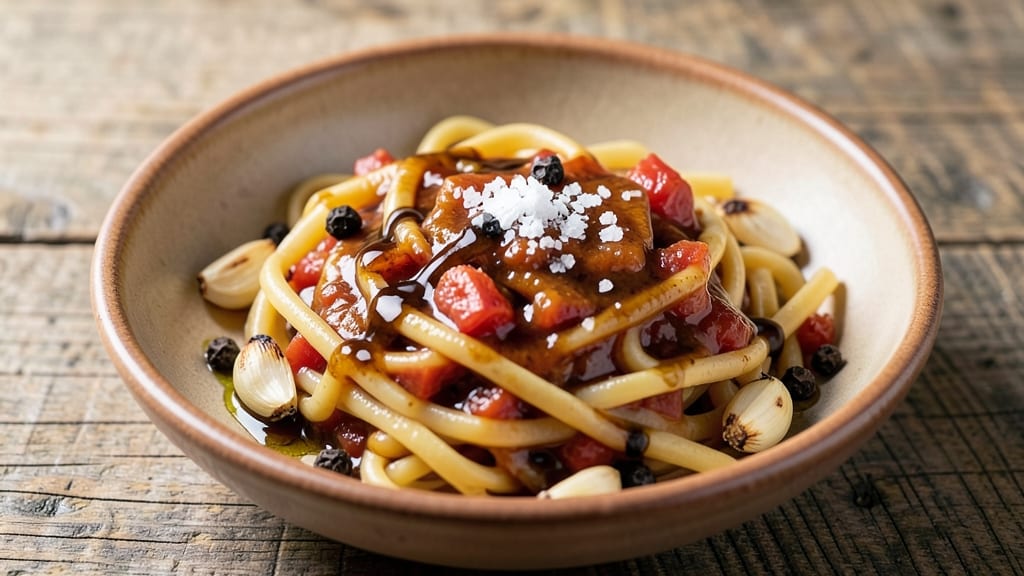
This balsamic vinegar pasta sauce delivers restaurant-quality depth with just five simple ingredients—no added sugar needed. The secret lies in reducing balsamic vinegar to a glossy, caramelized syrup that coats every strand of pasta, creating a balance of tangy and sweet flavors that elevate any dish.
I developed this recipe after years of experimenting with vinegar reductions, and it never fails to impress.
The process is straightforward yet transformative: simmering tomatoes, garlic, and olive oil until deeply concentrated, then incorporating the reduced balsamic vinegar for that signature sweet-tart complexity.
What sets this sauce apart is its versatility—it works equally well as a quick weeknight dinner sauce or a sophisticated topping for grilled meats and roasted vegetables.
By the time you're done, you'll have a rich, velvety sauce with a glossy sheen and layers of flavor that transform simple pasta into a gourmet experience. The best part? It keeps well in the refrigerator for up to five days, making it perfect for meal prep or gifting.
Whether you're serving it over spaghetti, drizzling it on bruschetta, or using it as a marinade, this sauce delivers professional results with minimal effort. Let's get started on creating something truly special.
Ingredients for balsamic vinegar pasta sauce
Five ingredients transform into restaurant-quality sauce with caramelized balsamic sweetness.
| Ingredient | Amount | Notes |
|---|---|---|
| Extra-Virgin Olive Oil 🫒 | ½ cup | High-quality, fruity variety |
| Garlic Cloves 🧄 | 4 cloves | Fresh, minced for depth |
| Canned Crushed Tomatoes 🍅 | 15 oz | San Marzano preferred |
| Balsamic Vinegar 🍷 | ½ cup | Aged 25+ years for richness |
| Diamond Crystal Kosher Salt 🧂 | 1 ½ tsp | Adjust to taste |
| Fresh Black Peppercorns 🌶️ | ½ tsp | Freshly cracked |
| Fresh Basil Leaves 🌿 | ¼ cup | Packed, for finishing |
The balsamic vinegar is the star—aged 25+ years for that deep, caramelized flavor. Trader Joe's and Whole Foods carry excellent options, but any aged balsamic will work. For tomatoes, San Marzano cans from Italy are worth the splurge—they're sweeter and less acidic. Fresh garlic matters here; pre-minced garlic loses its punch. If you're using store-bought crushed tomatoes, shake the can vigorously before opening to distribute the juices. The olive oil should be extra-virgin—you can taste the difference when it's high quality.
No aged balsamic? Regular balsamic vinegar reduced by half works in a pinch, though it won't be as rich. Short on garlic? Garlic powder at half the amount gets you close, but fresh is ideal. The basil can be swapped for Italian parsley if needed—just use the same quantity. For a smoother sauce, blend the tomatoes before using. If you prefer chunkier texture, leave them as-is. The salt is crucial—taste as you go, especially since we're not adding sugar. The pepper should be freshly cracked for maximum aroma.
This sauce keeps beautifully—5 days refrigerated or 3 months frozen. Let it come to room temperature before reheating for best texture. I like to portion it into small jars for easy meal prep. The flavor actually improves over time as the balsamic continues to reduce. Freeze any extras in ice cube trays for perfect single-serving portions later. If the sauce thickens too much when refrigerated, just stir in a splash of water or pasta water when reheating.
Why You'll Love This Recipe
- Pantry Magic: I swear, this sauce comes together with stuff you already own—no fancy ingredients, just crushed tomatoes, garlic, and a splash of balsamic. The kind of meal that saves you from staring blankly at an empty fridge at 6:30pm.
- Garlic-Balsamic Bomb: That first bite? Rich, tangy, and just sweet enough from the tomatoes simmering with vinegar. The garlic sizzles in olive oil until it’s fragrant but not burnt—no charred-on mess, just pure, addictive flavor.
- Weeknight Workhorse: Dinner for two? Done. Feeding a crowd? Double the batch. It’s my go-to for busy nights, lazy Sundays, or when I need something hearty but not heavy. (Yes, even on a Tuesday night.)
- Leftovers That Lie: I make this sauce and it always disappears—first night, second night, even third. The balsamic deepens overnight, and the tomatoes mellow into something even better reheated. Budget-friendly? Absolutely. Waste-free? Even better.
Step-by-step instructions for balsamic vinegar pasta sauce
Here's how to transform simple ingredients into a rich, caramelized sauce with deep flavor and natural sweetness.
Sauté Garlic in Olive Oil Until Fragrant
Heat the 0.5 cup extra-virgin olive oil in a medium saucepan over medium-low heat. Add the 4 cloves minced garlic cloves and cook gently for 2-3 minutes until the garlic becomes light golden and releases its aroma. Be careful not to let it brown—garlic burns quickly and turns bitter.
Here's the thing—this gentle cooking is crucial. The garlic should smell intoxicating but not smoky. If your kitchen fills with a sharp, acrid scent, you've gone too far. Remove the pan from heat immediately if the garlic starts to darken, then return it to the stove once it cools slightly. This step builds the aromatic foundation for your sauce.
Add Tomatoes and Simmer Until Thickened
Pour in the 15 oz canned crushed tomatoes and stir to combine with the garlic and oil. Bring the mixture to a gentle simmer over medium heat, then reduce to low heat. Let it cook uncovered for 15-20 minutes, stirring occasionally, until the sauce thickens and the tomatoes break down completely. You're looking for a consistency where the sauce coats the back of a spoon.
I like to let the tomatoes reduce naturally without stirring constantly—this helps develop deeper flavor. The sauce will darken slightly as it thickens, and you'll notice the aroma becoming more complex. If the sauce starts to stick to the bottom, add 1-2 tablespoons of water to keep it moving. The goal is a smooth, velvety texture without any tomato skins or seeds.
Incorporate Balsamic Vinegar for Caramelization
Once the tomato sauce has thickened, increase the heat to medium-high and add the 0.5 cup aged balsamic vinegar. Stir well to distribute the vinegar evenly throughout the sauce. Let it simmer vigorously for 5-7 minutes, stirring frequently, until the sauce reduces by about one-third and develops a glossy, caramelized sheen.
This is where the magic happens—the balsamic vinegar transforms from acidic to sweet as it reduces. You'll see the sauce darken to a deep amber color with beautiful streaks of caramelization. The aroma will become rich and complex, with notes of dried fruit and vanilla. If the sauce thickens too much, add 1 tablespoon of water at a time until you reach your desired consistency.
Season and Finish with Fresh Basil
Remove the sauce from heat and stir in the 1.5 tsp diamond crystal kosher salt and 0.5 tsp freshly cracked black peppercorns. Taste and adjust the seasoning—you might need a bit more salt to balance the acidity from the balsamic. Let the sauce sit off heat for 2-3 minutes to allow the flavors to meld completely.
Just before serving, stir in the 0.25 cup packed fresh basil leaves. The basil adds a bright, herbal note that cuts through the richness of the balsamic and tomatoes. If you're serving immediately, you can tear the basil by hand for a more rustic presentation. For a smoother texture, pulse the basil in a food processor before adding it to the sauce. The basil should be incorporated but still visible—this ensures every bite gets its fresh, vibrant flavor.
Toss with Cooked Pasta and Rest Briefly
Cook your pasta according to package instructions until al dente, then drain it while reserving 1 cup of pasta water. Immediately toss the hot pasta with the balsamic sauce in a large bowl. If the sauce seems too thick, add pasta water 1 tablespoon at a time until it coats the pasta evenly without making it soggy.
Let the pasta sit for 2-3 minutes before serving—this allows the sauce to cling to each strand and the flavors to meld. The sauce should be glossy and clingy, with each bite delivering a perfect balance of sweet, tangy, and savory notes. If you're serving with protein, add it now and toss gently to warm through. The sauce's natural sweetness makes it versatile for chicken, shrimp, or even a simple vegetable dish.
Pro Tips For Making Balsamic Vinegar Pasta Sauce
- Sizzle the Garlic: I learned this the hard way—low heat turns garlic into sad, gray mush. Crank the heat to medium-high and let those cloves fry until they’re golden at the edges (about 30 seconds), then immediately add the tomatoes. That nutty aroma? That’s flavor you’re locking in.
- Salt the Tomatoes: Diamond Crystal kosher salt dissolves slower than table salt, so add 1½ teaspoons directly to the crushed tomatoes while they warm. Stir it in—this prevents a bland sauce later, even if you forget to season at the end.
- Simmer, Don’t Boil: After adding the balsamic vinegar, drop the heat to a gentle simmer. Boiling burns off the vinegar’s depth and makes the sauce taste harsh. Think "barely bubbling" (like a whisper, not a scream) for the last 10 minutes.
- Finish with Oil: Splurge on a final drizzle of extra-virgin olive oil—about 1 tablespoon—right before serving. It coats the pasta, mellows the acidity, and makes the sauce cling like it’s supposed to. (Yes, even if you’re impatient like me.)
Wine and beer pairings for this balsamic vinegar pasta sauce
Italian White Wines
This sauce pairs beautifully with crisp Italian whites that complement its caramelized sweetness. I reach for a Vermentino from Sardinia—its bright citrus notes and mineral finish cut through the richness while enhancing the balsamic's depth.
For something lighter, try a Pinot Grigio from Alto Adige, which balances the sauce's acidity with its clean, apple-like profile. Avoid heavy, oaked whites—they'll clash with the sauce's delicate balance. 🍷
Crisp Lager Pairings
If you prefer beer, a crisp Italian lager like Peroni or Moretti works wonders. The subtle malt sweetness and effervescence cleanse your palate between bites, letting the sauce's flavors shine.
For craft beer lovers, a Belgian witbier offers a fun contrast with its coriander and citrus notes. Just avoid heavy IPAs or stouts—they'll overpower the sauce's delicate sweetness.
Red Wine for Heartier Meals
When serving this sauce over heartier proteins like grilled chicken or steak, a medium-bodied red like Chianti or Sangiovese stands up to the dish. The acidity in these wines mirrors the sauce's tangy-sweet profile, while their earthy notes complement the balsamic's depth.
Look for wines with 13-14% alcohol to avoid overwhelming the sauce.
Sparkling Wine Finish
For a celebratory touch, serve with a chilled Prosecco or Franciacorta. The bubbles and subtle fruitiness create a refreshing contrast to the rich sauce, making it feel like a special occasion dish.
I like to pour a small glass alongside dinner—it's the perfect way to end a meal with this versatile sauce. ✨
Non-Alcoholic Options
For those avoiding alcohol, a sparkling grape juice spritzer (mix sparkling apple cider with 10% grape juice) works surprisingly well. Alternatively, a ginger beer with a splash of lime adds a zesty kick that pairs beautifully with the sauce's sweet-tart balance.
The effervescence helps cleanse the palate just like wine or beer would.
Nutrition facts
Frequently asked questions
Can I use regular balsamic vinegar instead of aged?
Yes, but the flavor will be less complex. Regular balsamic vinegar has a sharper acidity and won't develop the same caramelized sweetness. For best results, reduce 1 cup of regular balsamic vinegar down to 0.5 cup by simmering it uncovered for 10-15 minutes before adding it to the sauce. This mimics some of the depth you'd get from aged balsamic.
How can I make this sauce thicker or thinner?
For a thicker sauce, simmer it uncovered for an extra 5-10 minutes to reduce more liquid. If it's too thick, stir in 1 tablespoon of water or pasta water at a time until you reach your desired consistency. For extra thickness, you can also mash a few cooked pasta strands into the sauce while it's warm—this adds starch that helps bind the sauce.
Can I make this sauce ahead of time?
This sauce actually tastes better the next day as the balsamic continues to caramelize. Store it in an airtight container in the refrigerator for up to 5 days. When reheating, warm it gently on the stove over low heat and add a splash of water if it thickens too much. For longer storage, freeze the sauce in 1-cup portions for up to 3 months—just thaw overnight in the fridge before using.
What's the best pasta shape for this sauce?
This sauce works beautifully with long, thin pasta shapes that maximize surface area for sauce clinging. Try spaghetti, linguine, or fettuccine for classic results. For something different, use pappardelle or tagliatelle—the wide ribbons create a luxurious presentation. If you prefer shorter pasta, penne or rigatoni work well too, but toss them immediately after draining to prevent sticking.
Why did my sauce turn bitter?
Bitter flavor usually comes from overcooking the garlic or reducing the sauce too aggressively. Garlic burns quickly—remove it from heat as soon as it turns golden. For the sauce, reduce heat to low when simmering and avoid letting it boil vigorously. If bitterness develops, balance it with a pinch more salt or a splash of lemon juice (about 1 teaspoon) to brighten the flavors. Always taste as you go!