Sauces & Condiments
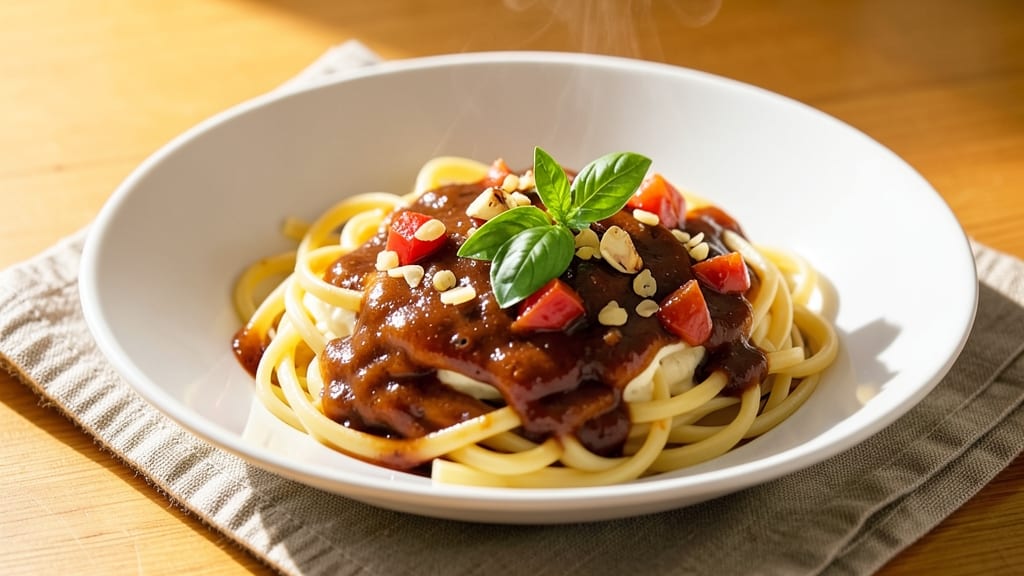
This balsamic pasta sauce recipe transforms simple ingredients into a rich, caramelized masterpiece that elevates any dish. The key lies in reducing balsamic vinegar until it develops deep, glossy sweetness—turning ordinary pasta into a restaurant-worthy meal.
What starts as a tangy vinegar becomes a velvety, complex sauce with layers of umami and fruitiness that clings perfectly to noodles, chicken, or salads alike.
The process is straightforward but requires patience: simmering tomatoes with aromatics until they break down, then gradually adding balsamic to create that signature glossy sheen. A touch of sugar helps balance acidity, while herbs like thyme or basil add freshness.
The result? A sauce that's foolproof, versatile, and packed with depth—far beyond anything store-bought can match.
What makes this sauce truly special is its adaptability. Toss it with al dente pasta for an instant weeknight dinner, drizzle it over grilled meats for extra richness, or use it as a tangy dressing for fresh salads.
The caramelized balsamic adds a sophisticated touch without complicating the recipe, making it perfect for both beginners and seasoned cooks.
Once you taste the difference, you’ll never go back to bottled sauces. The secret is in the reduction—letting the flavors meld and deepen over 20 minutes of gentle simmering.
Store leftovers in the fridge for up to 5 days, or freeze for longer use. Here’s how to make it perfectly every time.
Ingredients for balsamic pasta sauce
Ten simple ingredients transform into a restaurant-worthy balsamic sauce with deep caramelized sweetness.
| Ingredient | Amount | Notes |
|---|---|---|
| Extra-Virgin Olive Oil 🫒 | ½ cup | High-quality, fruity variety preferred |
| Shallots 🧅 | 2 whole | Finely minced, not sliced |
| Garlic Cloves 🧄 | 4 cloves | Peeled, minced for aromatic base |
| Canned Crushed Tomatoes 🍅 | 15 oz | San Marzano preferred, no salt added |
| Balsamic Vinegar 🍷 | ½ cup | Aged 10+ years for depth |
| Granulated Sugar 🍚 | 1 tbsp | Balances acidity, not skipped |
| Dried Thyme 🌿 | 1 tsp | Or 1 tbsp fresh thyme leaves |
| Salt 🧂 | 1 tsp | Diamond Crystal preferred |
| Black Pepper 🌶️ | ½ tsp | Freshly cracked for heat |
| Fresh Basil Leaves 🌿 | ¼ cup | Chopped, for finishing touch |
The balsamic vinegar is non-negotiable here. Aged 10+ years from Italian producers like Giusti or Colavita delivers that signature glossy sheen and complex fruitiness. If you can only find regular balsamic, simmer it longer—30 minutes minimum—to concentrate the flavors. The tomatoes should be San Marzano if possible; their sweetness and low acidity make all the difference. Trader Joe's carries a great canned version, or check the Italian section at Whole Foods. Fresh basil is ideal, but dried basil at half the amount works in a pinch.
No aged balsamic? Substitute with 3 tbsp of regular balsamic plus 1 tbsp of brown sugar, then reduce by half. The sugar is crucial—it balances the acidity and helps create that caramelized depth. Substitute maple syrup for sugar if you prefer, but reduce to 1 tsp to avoid over-sweetening. Fresh thyme is preferable, but if you only have dried, use one-third the amount. For the shallots, red onions work too—just increase to 3 whole and adjust the cooking time slightly. The olive oil must be extra-virgin; cheaper oils won't stand up to the reduction process.
This sauce develops richer flavors over time, so make a double batch—it freezes beautifully. Store in an airtight container in the fridge for up to 5 days, or freeze for 3 months. For longer storage, portion into ice cube trays before freezing—perfect for single servings. The sauce thickens as it cools, so thin with a splash of water or pasta water when reheating. Always finish with fresh basil and a crack of black pepper—that's when the magic happens.
Why You'll Love This Recipe
- Five-Ingredient Magic: I swear by this combo—olive oil, shallots, garlic, tomatoes, and balsamic. That’s it. No fancy prep, no hidden pantry hauls, just pure, reliable flavor with ingredients you already own.
- Sweet-Savory Balance: Here’s what sold me—the way the balsamic glaze caramelizes into those crushed tomatoes, turning tangy and rich without overpowering. Honestly, it’s the kind of sauce that makes you pause mid-bite.
- Weeknight to Dinner Party: Same sauce, different vibes. Toss it with spaghetti for a 20-minute weeknight meal, or drizzle it over roasted chicken for a restaurant-worthy dish. I’ve even used it as a marinade—versatile doesn’t even cover it.
- Leftovers That Don’t Suck: Between us, most pasta sauces turn into a sad, watery mess the next day. Not this one. The balsamic deepens overnight, and the texture thickens just enough to reheat like a dream. (Yes, even on a Tuesday night.)
Step-by-step instructions for balsamic pasta sauce
This method delivers rich, caramelized depth with minimal effort—perfect for weeknight dinners.
Sauté Shallots Until Translucent
Heat the 0.5 cup extra-virgin olive oil in a large saucepan over medium-low heat. Add the 2 whole shallots that have been finely minced and cook for 5-6 minutes until completely translucent but not browned. This slow cook ensures their natural sweetness develops fully without burning.
Here's the thing—shallots release their flavor gradually. If you rush this step, they'll turn bitter. Stir occasionally with a wooden spoon, breaking them down into an almost paste-like consistency. You're building the aromatic foundation for the entire sauce.
Add Garlic and Cook Until Fragrant
Increase heat to medium and add the 4 cloves minced garlic. Cook for 30-45 seconds until the raw garlic aroma disappears and you detect a toasty, nutty scent. This is your signal that the garlic is properly infused but not burned.
Watch this carefully—garlic burns in seconds. If the pan starts to smoke or the garlic turns dark, immediately remove it from heat. The flavor difference between properly cooked and burned garlic is dramatic in this sauce.
Incorporate Tomatoes and Simmer
Pour in the 15 oz canned crushed tomatoes and stir to combine with the shallot-garlic mixture. Add the 1 tbsp granulated sugar, 1 tsp dried thyme, 1 tsp salt, and 0.5 tsp black pepper. Bring to a gentle simmer over medium heat and cook uncovered for 8-10 minutes.
The sugar here serves two purposes: it balances the acidity of the tomatoes and vinegar to come, while also helping create a slight caramelization that deepens the sauce's complexity. Stir occasionally to prevent sticking, and let the mixture reduce slightly—this concentrates the flavors.
Caramelize the Balsamic Vinegar
Reduce heat to low and carefully pour in the 0.5 cup aged balsamic vinegar. Let it simmer uncovered for 10-12 minutes, stirring occasionally, until it reduces by about half and develops a deep, syrupy consistency with caramelized edges.
This reduction is critical for achieving that signature balsamic richness. You'll see the vinegar darken dramatically as it transforms from tart to sweet. Don't walk away—constant attention prevents scorching while allowing proper reduction. The sauce should coat the back of a spoon with a glossy, velvety texture.
Finish with Fresh Basil and Adjust Seasoning
Remove the sauce from heat and stir in the 0.25 cup chopped fresh basil leaves. Let it steep for 2 minutes to infuse the bright herbal notes, then taste and adjust seasoning if needed. The sauce should be perfectly balanced—sweet, tangy, and herbaceous with no single flavor dominating.
For serving, toss with cooked pasta immediately. The residual heat will help the sauce cling beautifully to each strand. If the sauce thickens too much as it cools, simply stir in a splash of pasta water to reach your desired consistency.
Pro Tips For Making Balsamic Pasta Sauce
- Sweat Shallots Low: I learned this the hard way—when you cook shallots too fast, they turn bitter before they soften. Keep the heat at a gentle simmer, stirring occasionally, until they’re translucent but not browned. This takes about 5 minutes, and it’s the foundation of flavor.
- Crush Garlic Properly: Minced garlic burns in seconds, but crushed cloves (peeled and smashed with the flat side of a knife) release flavor without scorching. Add them right when the shallots are ready—no waiting, or you’ll taste ash.
- Simmer Tomatoes Slow: Dumping crushed tomatoes into a hot pan makes the sauce split and watery. Instead, warm them in their can for 30 seconds first, then stir them into the pan. Simmer uncovered for at least 15 minutes—this thickens the sauce naturally.
- Finish with Vinegar Early: Adding balsamic vinegar at the end just makes it taste like vinegar. Stir in 2 tablespoons with the tomatoes, then simmer another 5 minutes. The acid mellows out, and the sauce caramelizes just enough to balance sweetness.
Regional styles of this balsamic pasta sauce
Italian Classic
The balsamic pasta sauce we know today traces back to Emilia-Romagna in northern Italy, where aged balsamic vinegar has been a staple since the 17th century. Traditional versions often included tomatoes (introduced after Columbus) and local Parmigiano-Reggiano, creating a balance of tangy and umami flavors.
In Bologna, cooks would reduce balsamic with onions and rosemary for a rustic touch, while Modena versions leaned into cherry tomatoes and black pepper. The key technique? Slow reduction—never rushed, always patient. 🍷
Modern Italian chefs often add a splash of white wine during the reduction to brighten the sauce, while Tuscan variations might include sage and pecorino cheese. The sauce is traditionally served with tagliatelle or pappardelle, where its glossy texture clings perfectly to the broad noodles.
For authenticity, use Italian balsamic vinegar—the real deal has a syrupy thickness and deep caramel notes that cheap substitutes can't match.
American Twist
Across the pond, American home cooks adapted the sauce by making it sweeter and richer, often adding brown sugar or maple syrup to balance the acidity.
Regional variations emerged: Southern styles might include smoked paprika or hot sauce, while New England versions often feature fresh thyme and crispy bacon bits for texture. The sauce became a crowd-pleaser at family dinners, especially when tossed with penne pasta or grilled chicken. 🌶️
One standout American innovation is the "Balsamic Glaze"—a thinner, sweeter version reduced to a syrupy drizzle, perfect for salads or as a finishing sauce. Brands like Giovanni popularized this lighter take, which pairs beautifully with mozzarella sticks or roasted vegetables.
For a quick weeknight meal, many Americans toss the sauce with rotini pasta and top it with parmesan cheese—a simple yet satisfying combo.
French Influence
French chefs brought their technique-driven approach to balsamic pasta sauce, emphasizing precision and depth of flavor. In Provence, the sauce might include herbes de Provence and olive tapenade for a Mediterranean twist, while Parisian versions often feature shallots and a touch of Dijon mustard for complexity.
The French reduction method—simmering at low heat—ensures the balsamic develops its signature glossy sheen and caramelized aroma. 🥖
A signature French adaptation is the "Sauce aux Cerises"—a cherry-infused balsamic sauce that adds a fruity sweetness to the tang. This version pairs perfectly with duck breast or seared scallops, elevating the sauce from pasta side to gourmet condiment.
French cooks also love to finish the sauce with a drizzle of truffle oil or fresh tarragon, adding an extra layer of sophistication.
Modern Fusion
Today’s global kitchens are blending balsamic pasta sauce with unexpected flavors. In Asia, chefs mix it with soy sauce and ginger for a sweet-savory glaze, while Latin American versions might include chipotle peppers or lime juice for a spicy kick.
Even Middle Eastern twists exist—try adding pomegranate molasses and cumin for a tangy, aromatic profile. The sauce’s versatility makes it a blank canvas for creativity. 🌍
One of my favorite modern fusions is a balsamic-miso sauce, where white miso paste replaces some of the sugar, adding umami depth while keeping the signature tang. This version works beautifully with soba noodles or grilled tofu.
For a quick experiment, try swapping half the balsamic with reduced balsamic-infused balsamic glaze—it’s a game-changer for extra richness.
Nutrition facts
Frequently asked questions
Can I make this sauce without tomatoes?
For a tomato-free version, replace the crushed tomatoes with 1 cup of white wine and 1 cup of chicken or vegetable stock. Simmer these together with the shallots and garlic for 10 minutes before adding the balsamic. This creates a lighter, more elegant sauce perfect for seafood or salads.
How do I prevent the balsamic from burning during reduction?
Keep the heat at low and stir frequently—every 2-3 minutes—while the balsamic reduces. If you see dark spots forming, immediately reduce the heat further. For extra insurance, use a heavy-bottomed saucepan that distributes heat evenly. The goal is a slow, steady reduction, not a quick one.
What's the best pasta to pair with this sauce?
This sauce clings beautifully to tagliatelle or fettuccine due to their wide, flat surfaces. For extra texture, try penne or rigatoni, which hold the sauce in their ridges. For a lighter option, angel hair pasta works perfectly too.
Can I make this sauce ahead of time?
Yes! This sauce actually tastes better the next day as flavors meld. Store in an airtight container in the fridge for up to 5 days. When reheating, warm gently on the stove with a splash of water or pasta water to restore its glossy texture. For longer storage, freeze portions in ice cube trays for perfect single servings.
Why did my sauce turn out too sweet?
This usually happens when the balsamic reduces too much, concentrating the sweetness. Balance it by adding 1-2 tbsp of lemon juice or a pinch of salt to cut through the sweetness. For future batches, reduce the sugar to 0.5 tbsp and taste frequently during cooking.