
Sauces & Condiments
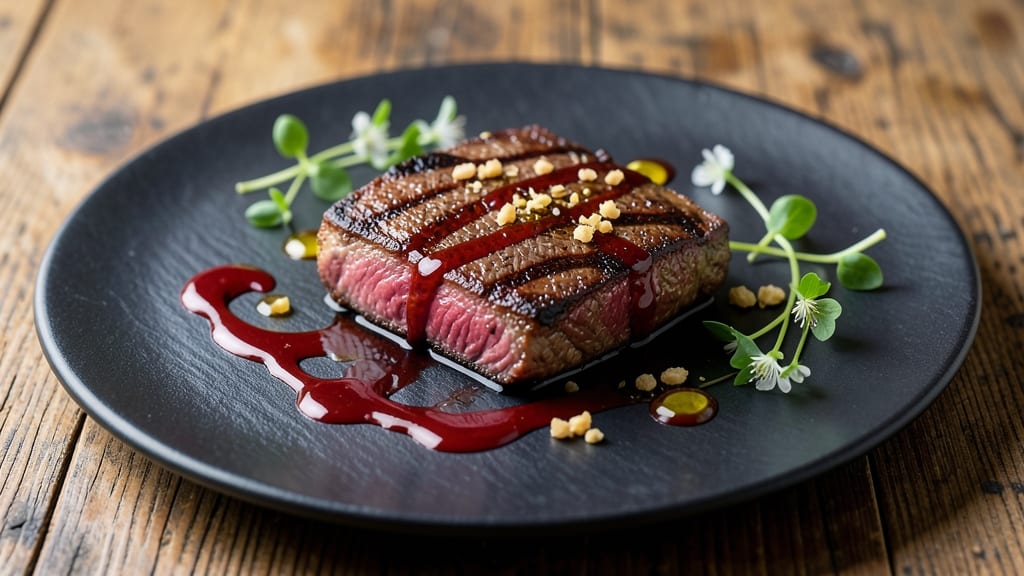
This balsamic vinegar steak sauce recipe transforms simple pantry staples into a rich, umami-packed reduction that elevates any protein. The secret lies in balancing sweetness, acidity, and depth through precise reduction—no fancy techniques required, just patience and attention.
I developed this sauce after years of experimenting with restaurant-quality reductions, and it consistently delivers that perfect balance of tangy, caramelized notes with a velvety finish.
The foundation starts with red wine and balsamic vinegar, which form the sauce's signature complexity when reduced together. Adding a touch of soy sauce and brown sugar enhances the umami while keeping the sauce from becoming overly sweet.
The key step is simmering everything until it thickens to a glossy, coatable consistency—this is where the magic happens, transforming ordinary ingredients into something extraordinary. Unlike store-bought versions, this sauce builds layers of flavor that develop even more after resting.
What you'll end up with is a deep umami kick that clings beautifully to steak, chicken, or even grilled vegetables. The sauce's versatility makes it perfect for dipping, drizzling, or glaze—it's the kind of condiment that turns a simple meal into something restaurant-worthy.
Best of all, it keeps well in the fridge for up to two weeks, so you can make a big batch and enjoy it throughout the week.
Ready to master this technique? The process is straightforward, but the results are anything but basic. Let's get started on creating a sauce that will become your new kitchen staple.
Ingredients for balsamic vinegar steak sauce
Pantry essentials that transform into a restaurant-worthy sauce with just patience and heat.
| Ingredient | Amount | Notes |
|---|---|---|
| Dry Red Wine 🍷 | 1 cup | Bold variety like Cabernet Sauvignon |
| Balsamic Vinegar 🍶 | ½ cup | Aged 10+ years preferred |
| Brown Sugar 🍚 | ¼ cup | Light or dark variety |
| Soy Sauce 🍜 | 2 tbsp | Japanese-style preferred |
| Extra-Virgin Olive Oil 🫒 | 2 tbsp | High-quality, fruity |
| Garlic Cloves 🧄 | 3 cloves | Freshly minced |
| Shallot 🧅 | 1 whole | Finely chopped |
| Fresh Thyme Leaves 🌿 | ¼ cup | Stems removed |
| Black Peppercorns 🌶️ | ½ tsp | Freshly cracked |
| Diamond Crystal Kosher Salt 🧂 | ½ tsp | For seasoning |
The red wine is non-negotiable—bold varieties like Cabernet Sauvignon or Merlot deliver the deepest flavor. Trader Joe's or Whole Foods usually carry affordable bottles perfect for cooking. For balsamic vinegar, aged 10+ years adds that caramelized complexity (the good stuff doesn't come cheap, but it's worth it). Brown sugar here isn't just for sweetness—it helps create that glossy finish through caramelization. I always grab Domino brand because it's consistent and affordable, but light or dark makes no difference in this sauce. The soy sauce? Japanese-style like Kikkoman adds that perfect umami punch without overpowering.
No red wine? Substitute with beef broth plus a splash of balsamic vinegar—it won't be identical, but you'll still get depth. Running out of shallots? Double the garlic (it's close enough). Fresh thyme is ideal, but dried works at one-third the amount. The olive oil matters here—avoid cheap brands that taste like nothing. For extra richness, add 1 tbsp of butter at the end (though purists will scoff). Want more sweetness? Add ½ tsp vanilla extract when you finish reducing. The key is balance—taste as you go!
This sauce develops even more flavor after resting, so make a double batch—it keeps perfectly for 2 weeks in the fridge. Store in a clean glass jar with a tight seal. For longer storage, freeze in ice cube trays—just thaw and reheat gently. The sauce thickens as it cools, so add 1 tsp water if it gets too stiff. Drizzle over steak, chicken, or even roasted veggies—it's the secret weapon that turns ordinary meals into something extraordinary.
Why You'll Love This Recipe
- Pantry Magic: I swear by this sauce because it uses stuff I already have—no special shopping trips. The red wine and balsamic vinegar alone make it taste like a restaurant dish, but the brown sugar and soy sauce? That’s where it gets ridiculously good.
- One-Pot Wonder: Simmer it all together—no blenders, no strainers, just a single pot that smells like heaven. The olive oil ties everything together while keeping it smooth, not clumpy. Honestly, I make it while I’m waiting for the steak to sear.
- Weeknight Steak Hero: This sauce turns a simple grilled steak into a showstopper without effort. Drizzle it over sliced steak for a fancy dinner, toss it with roasted potatoes for a hearty lunch, or even use it in a quick stir-fry. It’s my go-to when I don’t want to overthink dinner.
- Budget-Friendly Luxury: A little goes a long way—this sauce stretches over multiple meals, and the ingredients cost pennies. Between us, I’ve had it last me two weeks in the fridge, and it only gets better as the flavors meld. Plus, the red wine and balsamic make it taste like a splurge, even if it’s not.
Step-by-step instructions for balsamic vinegar steak sauce
This rich reduction delivers restaurant-quality depth with every spoonful—let's build it together.
Bloom the Aromatics in Olive Oil
Heat the 2 tablespoons extra-virgin olive oil in a heavy-bottomed saucepan over medium-low heat. Add the finely chopped shallot and minced garlic cloves, stirring constantly for 2-3 minutes until the shallots soften and become translucent but never brown. This gentle cooking releases their sweetness without bitterness.
Here's the thing—if you see any golden flecks forming, immediately reduce the heat. We want pure flavor, not burnt aromatics. Stir in the fresh thyme leaves and cracked black peppercorns, letting them steep for 30 seconds while you prepare the remaining ingredients. This infusion layer forms the aromatic foundation of our sauce.
Deglaze with Red Wine and Reduce
Pour in the 1 cup dry red wine and immediately scrape up any browned bits from the pan bottom with a wooden spoon. This deglazing captures all the flavor compounds we've built. Increase heat to medium-high and bring to a gentle simmer, then reduce by half—this should take about 8-10 minutes—until you have about ½ cup of reduced wine.
Watch carefully as the wine reduces. You'll see the liquid transform from ruby to deep garnet as the alcohol evaporates and flavors concentrate. This reduction step is where the sauce's complexity begins to develop. If the mixture starts to stick, add 1 tablespoon water to prevent burning, but avoid over-diluting.
Incorporate Balsamic and Umami Elements
Lower heat to medium and stir in the ½ cup balsamic vinegar and 2 tablespoons soy sauce. The vinegar will initially make the sauce smell sharp, but don't worry—it mellows as it cooks. Add the ¼ cup brown sugar and ½ teaspoon kosher salt, stirring until fully dissolved. This is where the sauce starts taking shape, balancing sweet, sour, and savory notes.
Simmer for another 5-7 minutes until the sauce thickens enough to coat the back of a spoon. You're looking for a glossy, syrupy consistency where the sauce clings together. Taste at this stage—it should be tangy, slightly sweet, and developing depth. If it's too thin, simmer uncovered for another minute or two to evaporate excess liquid.
Finish and Adjust for Perfection
Remove the saucepan from heat and let it cool slightly for 2-3 minutes. This resting period allows flavors to meld without further reduction. Taste again and adjust seasoning if needed—add more soy sauce for umami, balsamic vinegar for acidity, or brown sugar for sweetness. The sauce should be complex with layers of fruitiness from the wine, depth from the balsamic, and savory punch from the soy.
For serving, strain through a fine-mesh sieve to remove any thyme stems if desired. The sauce will thicken further as it cools, so you can thin it with 1-2 teaspoons water if needed. This versatile sauce pairs beautifully with grilled steaks, roasted chicken, or even as a drizzle over creamy mashed potatoes. Store in an airtight container in the refrigerator for up to 1 week, or freeze for longer storage.
Pro Tips For Making Balsamic Vinegar Steak Sauce
- Simmer Slow and Low: This sauce isn’t a race—reduce it on medium-low for at least 15 minutes, stirring occasionally. I used to crank the heat and end up with a syrupy mess that tasted like vinegar overload. Let it bubble gently so the wine and balsamic meld instead of evaporating into smoke.
- Toast the Sugar: Dry the brown sugar in the pan for 30 seconds before adding liquids. My grandmother swore by this, and it works: the caramelized bits deepen the sauce’s richness without clumping. Skip this, and you’ll just be stirring dissolved sugar.
- Balance the Vinegar: Start with half the balsamic called for, taste, then add more. Balsamic’s acidity sneaks up on you—if it’s too sharp, a splash of red wine or a pinch of sugar fixes it. I learned this the hard way after serving a sauce that made my guests wince.
- Deglaze with Wine First: Pour in the red wine immediately after searing the steak—it lifts all those browned bits (fond) that make the sauce taste like it was made for hours. Let it bubble for 2 minutes before adding vinegar, or you’ll dilute the flavor before it even starts.
Flavor customization for this dish
Sweet & Tangy Variations
Craving more sweetness? Swap the ¼ cup brown sugar for ½ cup maple syrup—it adds caramel notes while keeping the sauce vegan-friendly. For a tropical twist, add 1 tsp grated ginger and ½ tsp lime zest during the final simmer.
The acidity from lime brightens the deep flavors beautifully. 🍯
Umami Boosters
Want that extra restaurant-quality depth? Stir in 1 tbsp fish sauce or 1 tsp miso paste when adding the soy sauce. Both add umami without overpowering. For a smoky kick, add ½ tsp smoked paprika at the end—it pairs perfectly with grilled meats.
I've even tried 1 tsp Worcestershire sauce for a tangy depth that works wonders.
Herb & Spice Twists
Fresh herbs transform this sauce instantly. Swap thyme for rosemary (use ¼ cup leaves) for a piney aroma, or add ½ tsp dried oregano for Mediterranean flair.
For heat lovers, add ½ tsp crushed red pepper flakes during the final simmer. The capsaicin cuts through the richness while adding warmth. 🌿
Rich & Creamy Adaptations
Make it velvety by whisking in 2 tbsp heavy cream or 1 tbsp crème fraîche at the very end. For a dairy-free option, use 1 tbsp coconut cream—it adds a subtle sweetness.
This works especially well as a glaze for roasted vegetables or drizzled over pasta. The creaminess balances the sauce's acidity beautifully.
Global Fusion Flavors
Give it a Thai-inspired twist by adding 1 tbsp coconut aminos instead of soy sauce, plus ½ tsp galangal or ginger. For Italian flair, fold in 1 tbsp tomato paste with the balsamic and finish with ½ tsp dried basil**.
The tomato adds a fruity depth that complements the wine reduction perfectly. These global touches keep the sauce exciting for different occasions. 🌍
Nutrition facts
Frequently asked questions
Can I make this sauce without red wine?
Yes! For a non-alcoholic version, substitute the 1 cup red wine with 1 cup beef broth plus 2 tablespoons balsamic vinegar. The sauce will still develop depth, though the fruity complexity will be more subtle. For extra richness, add 1 tablespoon tomato paste with the broth to mimic wine's umami notes.
How long should I reduce the sauce to get the perfect consistency?
The total reduction time should be about 15-20 minutes, with the wine reducing first for 8-10 minutes until it's cut by half, then another 5-7 minutes after adding balsamic and sugar. Watch for a glossy, syrupy texture that coats the back of a spoon—this means it's ready. If it's too thick, add 1 teaspoon water to loosen.
Why does my sauce smell sharp when I add the balsamic vinegar?
That's normal! The acidity in balsamic vinegar initially makes the sauce smell strong, but it mellows as it cooks. The sharp aroma fades during the 5-7 minute simmer, leaving behind caramelized sweetness and depth. If it still smells too vinegary after cooking, add ½ teaspoon brown sugar or a pinch of salt to balance it.
Can I make this sauce in a slow cooker or Instant Pot?
For a slow cooker, combine all ingredients (except olive oil) and cook on Low for 3-4 hours, stirring occasionally. For an Instant Pot, sauté aromatics first, then add liquids and cook on High Pressure for 8 minutes, followed by a natural release. Both methods work, but stove-top gives you more control over the reduction process.
How do I prevent the sauce from burning while reducing?
Keep the heat at medium-low to medium and stir frequently to prevent sticking. If the sauce starts to darken too quickly, add 1 tablespoon water to cool it down. A heavy-bottomed saucepan (like stainless steel or cast iron) helps distribute heat evenly and prevents scorching. Never walk away while reducing—constant attention is key!