
Sauces & Condiments
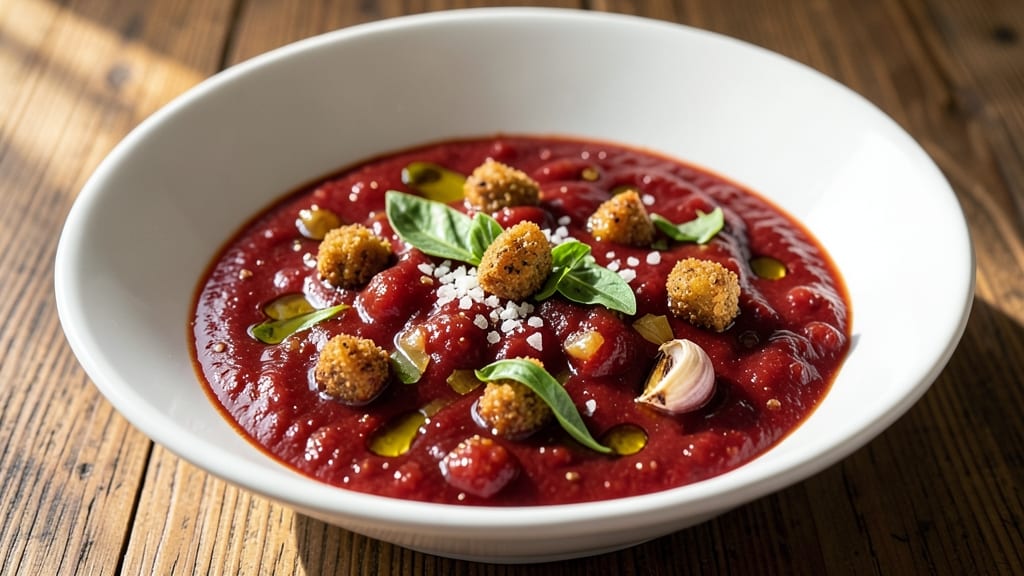
This ball seasoned tomato sauce transforms simple canned tomatoes into a rich, aromatic base that elevates every pasta dish and pizza crust. The secret lies in slow simmering with fresh herbs and aromatic vegetables, creating layers of flavor that no bottled sauce can match.
I developed this recipe after years of testing—it’s the kind of sauce that turns ordinary meals into something special with just a few ingredients and patience.
The process is straightforward but requires attention to detail: onions and garlic form the foundation, while canned tomatoes break down into a velvety consistency. Fresh basil and oregano add brightness, while a pinch of sugar balances acidity, and red pepper flakes introduce just the right kick.
The result? A sauce so versatile it works as a quick marinara or a robust pizza base, all in one pot.
What makes this sauce stand out is its depth—simmered low and slow, it develops a complexity that’s impossible to achieve in minutes. The herbs infuse fully, the tomatoes caramelize slightly, and the seasonings meld into a harmonious blend.
Whether you’re tossing it with al dente pasta or spreading it on a homemade pizza, every bite delivers that restaurant-quality flavor you crave.
Use it immediately for freshness or store it in the fridge for up to a week, letting the flavors deepen over time.
The beauty of this sauce is its adaptability—thin it with water for dipping, thicken it with a splash of cream for richness, or keep it as-is for the perfect balance. Let’s get simmering!
Ingredients for ball seasoned tomato sauce
Nine simple ingredients that turn canned tomatoes into restaurant-quality sauce magic.
| Ingredient | Amount | Notes |
|---|---|---|
| Canned San Marzano Tomatoes 🍅 | 28 oz | Crushed by hand, seeds removed |
| Yellow Onion 🧅 | 1 whole | Medium, finely diced |
| Garlic Cloves 🧄 | 4 cloves | Fresh, minced fine |
| Fresh Basil Leaves 🌿 | ½ cup | Packed, roughly chopped |
| Dried Oregano 🍃 | 1 tsp | Mexican oregano preferred |
| Granulated Sugar 🍯 | 1 tbsp | Balances acidity |
| Red Pepper Flakes 🌶️ | ½ tsp | Adjust for heat preference |
| Extra-Virgin Olive Oil 🫒 | 2 tbsp | For sautéing, fruity variety |
| Salt 🧂 | 1 ½ tsp | Diamond Crystal preferred |
| Black Pepper 🌶️ | ½ tsp | Freshly ground |
The tomatoes are everything here. San Marzano is the gold standard—sweet, meaty, and consistent—but any high-quality crushed tomatoes work. I grab mine from Whole Foods or Trader Joe's when I can, but the store brand at Walmart is surprisingly good too. The secret is crushing them by hand (or with a potato masher) to break up the pulp while keeping some texture. Skip the pre-crushed cans—they're watered down and lack depth. For the onion, yellow gives the best sweetness, but red works if that's what's on hand. Just make sure it's finely diced so it melts into the sauce completely.
No fresh basil? Dried works at half the amount, but it won't have that same bright punch. The oregano can be swapped for Italian seasoning if you're out, but Mexican oregano has a deeper flavor that pairs perfectly. Running low on red pepper flakes? Crushed dried chili or even a pinch of cayenne does the trick. The sugar might seem odd, but it's essential—1 tbsp balances the acidity without making the sauce sweet. And yes, you can skip it if you prefer tart, but trust me on this one. The olive oil matters too—use something fruity and peppery, not that bland stuff in the middle of the store.
This sauce only gets better with time. Let it sit in the fridge for 24 hours before using—flavors meld and deepen like magic. It keeps for 1 week in the fridge, or 6 months frozen in airtight containers. I always make extra because it disappears fast—great for meal prep or gifting. For freezing, portion into 1-cup servings so you can thaw just what you need. And if it thickens too much after chilling? Just stir in a splash of water or pasta water to loosen it up.
Why You'll Love This Recipe
- Pantry-to-Table Magic: I swear by this sauce because it starts with one can—no fresh tomatoes to peel, no seeds to fuss with. Just open, crush, and let the San Marzano’s natural sweetness shine while I chop a single onion and three garlic cloves. That’s it. The rest? Simmering while I stir.
- Herb Bomb Flavor: Between us, the oregano and basil in this sauce are dangerously good—the kind that makes you pause mid-bite. The oregano adds this earthy depth, while the fresh basil at the end? It’s like a little green hug. Honestly, I’ve ruined perfectly good pasta by eating the sauce straight from the pot.
- Weeknight Wonder: This is my go-to for busy nights—toss it with pasta, dollop it on grilled cheese, or even use it as a marinade. (Yes, even on a Tuesday night.) It’s the kind of sauce that works everywhere, and I’ve never had leftovers go to waste.
- Budget-Friendly Staple: A single can of San Marzano tomatoes and a handful of pantry herbs stretch into multiple meals. Freeze half the batch, and you’ve got a backup for when you’re too tired to cook. I’ll be real: it’s the only sauce I buy store-bought for, because this version always tastes better.
Step-by-step instructions for ball seasoned tomato sauce
This sauce builds flavor layer by layer—simple steps, big results.
Sauté Onion and Garlic Until Soft
Heat the 2 tablespoons extra-virgin olive oil in a medium saucepan over medium heat. Add the 1 whole yellow onion, finely diced, and cook for 5-6 minutes, stirring occasionally, until the onion becomes translucent and just beginning to caramelize at the edges.
Here's the thing—don't rush this step. You want the onion to break down completely so it melts into the sauce later. When it smells sweet and the pieces are soft enough to pierce with a fork, it's ready. Add the 4 cloves garlic cloves, minced fine, and cook for another 30 seconds until fragrant. Watch closely—garlic burns fast, and you want it golden, not bitter.
Add Tomatoes and Seasonings
Pour in the 28 oz canned San Marzano tomatoes (crushed by hand, seeds removed) and stir to combine with the onion and garlic. Add the 1 tablespoon granulated sugar, 1 teaspoon dried oregano, 1.5 teaspoons salt, 0.5 teaspoon black pepper, and 0.5 teaspoon red pepper flakes. Stir well to distribute everything evenly.
Bring the mixture to a gentle boil over medium-high heat, then immediately reduce the heat to low. This sauce needs time to develop its depth, so keep the heat steady. You'll know you're on the right track when tiny bubbles form at the edges but the sauce doesn't bubble vigorously. If it starts to boil too hard, just lower the heat a notch.
Simmer for 30 Minutes
Let the sauce simmer uncovered for 30 minutes, stirring occasionally. This is where the magic happens—the flavors meld and the sauce thickens naturally. I like to give it a quick stir every 5-7 minutes to prevent sticking and ensure even cooking.
After about 20 minutes, you'll notice the sauce has reduced slightly and the aroma has deepened. That's your cue to taste and adjust seasoning if needed. If it needs more salt or acidity, add a pinch at a time—you can always fix it, but you can't take it out. The sauce should be balanced, with the sweetness of the tomatoes and sugar complementing the savory onion and garlic.
Finish with Fresh Basil
Remove the saucepan from heat and stir in the 0.5 cup fresh basil leaves, roughly chopped. Let the basil steep in the warm sauce for 5 minutes—this infuses the leaves' bright, fresh flavor without making the sauce watery. The basil will wilt and soften, releasing its aromatic oils into the sauce.
Taste one last time and adjust seasoning if necessary. The basil adds a bright finish that cuts through the richness of the tomatoes and onions. If the sauce is too thick, whisk in a splash of water or pasta water to loosen it to your desired consistency. If it's too thin, simmer it uncovered for another 5-10 minutes to reduce it further.
Use Immediately or Store
Serve the sauce warm over pasta, drizzled with a little extra olive oil, or use it as a base for pizza. If you're not using it right away, let it cool slightly, then transfer to an airtight container. It keeps in the refrigerator for up to 5 days or can be frozen for 3 months. The flavors actually improve over time, so this sauce tastes even better the next day!
This is the kind of sauce that makes everything taste better—simple, but never boring. The key is patience and letting the flavors develop naturally. Don't rush it, and you'll end up with a sauce that's worth every minute of simmering.
Pro Tips For Making Ball Seasoned Tomato Sauce
- CRUSH THE ONIONS: Dice the yellow onion into small, even pieces—no bigger than ¼-inch. I learned this the hard way: big chunks turn to mush and make the sauce taste dull. A sharp knife and a steady hand (or a food processor for the impatient) get you there faster.
- SIMMER LOW AND SLOW: After adding the tomatoes, reduce heat to a gentle bubble—not a rolling boil. I used to rush it, but that turns the sauce into a watery mess. Let it cook uncovered for 40-50 minutes, stirring occasionally, until it thickens naturally.
- SAVE THE BASIL: Tear the fresh basil leaves by hand (don’t chop!) and add them only in the last 10 minutes—they’ll wilt and lose flavor if cooked too long. If you’re short on time, use half the amount and add a pinch of red pepper flakes for depth.
- SALT THE TOMATOES FIRST: Drain the San Marzano tomatoes and sprinkle them with ½ teaspoon of salt before crushing or blending. This draws out excess water, so your sauce thickens faster without needing to simmer forever. (Yes, even if the cans are low-sodium.)
Creative variations of this recipe
Italian-Inspired Twist
For a classic touch, add 1 bay leaf with the tomatoes and remove it before finishing. I also like swapping ½ tsp fennel seeds for half the oregano—this adds an authentic Italian depth that pairs perfectly with chicken or seafood dishes.
Finish with 1 tbsp lemon juice instead of sugar for brightness, and top with toasted pine nuts for crunch. 🌿
Spicy Mexican Fusion
Transform this sauce into a bold salsa base by adding 1 diced jalapeño with the onions and 1 tsp ground cumin with the seasonings. Swap the basil for ½ cup chopped cilantro and finish with 1 tbsp lime juice.
This version works perfectly with tacos, nachos, or grilled meats. The red pepper flakes can go up to 1 tsp for serious heat lovers.
Creamy Garlic Version
For a richer sauce, stir in ¼ cup heavy cream or ½ cup ricotta cheese during the final 5 minutes of simmering. This adds a velvety texture that pairs beautifully with creamy pasta like fettuccine or lasagna.
I recommend using ½ tsp dried thyme instead of oregano for a more sophisticated flavor profile. The cream will slightly thin the sauce, so reduce it uncovered for an extra 5 minutes afterward.
Herb-Forward Variation
Swap the basil for a mix of ¼ cup chopped parsley and ¼ cup chopped thyme to create a more complex herb profile. Add 1 sprig fresh rosemary with the onions and remove it before finishing.
This version has an earthy depth that works wonderfully with roasted vegetables or grilled lamb. For extra richness, finish with 1 tbsp butter stirred in at the end.
Smoky BBQ Base
Turn this sauce into a smoky BBQ base by adding 1 tbsp smoked paprika and ½ tsp liquid smoke with the seasonings. Replace the basil with ¼ cup chopped green onions and finish with 1 tbsp apple cider vinegar.
This version is perfect for pulled pork sandwiches or as a marinade for grilled chicken. The smoky depth makes it a standout for hearty, flavorful dishes. 🔥
White Wine Reduction
For a more refined sauce, deglaze the pan with ½ cup dry white wine after removing the onions and garlic. Simmer the wine for 3 minutes to cook off the alcohol before adding the tomatoes.
Finish with 1 tbsp fresh parsley instead of basil. This version has a sophisticated brightness that pairs beautifully with seafood or creamy risotto. The wine adds acidity that balances the richness of the tomatoes perfectly.
Nutrition facts
Frequently asked questions
Can I use fresh tomatoes instead of canned?
Fresh tomatoes work but require extra prep. Use 3-4 large ripe tomatoes (peeled, seeded, and chopped) instead of canned. Simmer them for 15 minutes first to break down their texture, then proceed with the recipe. Fresh tomatoes add vibrant acidity but may thin the sauce more than canned.
How do I adjust the thickness for different uses?
For pasta: Keep it medium-thick (1-2 minutes simmer after adding basil). For pizza: Reduce uncovered for 5-10 extra minutes until spreadable. Too thick? Thin with water or pasta water. Too thin? Simmer longer or add 1 tbsp tomato paste.
What if I don't have fresh basil?
Use 1 tsp dried basil instead, but reduce by half. For deeper flavor, add ½ tsp dried thyme or ¼ tsp dried marjoram. The sauce will still taste great—just less bright. Store-bought pesto works in a pinch too (use 1 tbsp at the end).
Can I make this sauce in an Instant Pot?
Yes! Sauté onions/garlic normally, then add all ingredients. Cook on High Pressure for 8 minutes, quick-release, then stir in basil. The sauce will be thinner—simmer uncovered for 10 minutes to thicken. Pressure cooking cuts simmer time but requires extra reduction.
Why does my sauce taste too acidic?
Add ½ tsp sugar or 1 tsp honey to balance. For more depth, stir in 1 tsp tomato paste or a pinch of baking soda (just ⅛ tsp) to neutralize acidity. If using low-quality tomatoes, they may need extra sweetener—start with 1 tbsp sugar and adjust.