
Sauces & Condiments
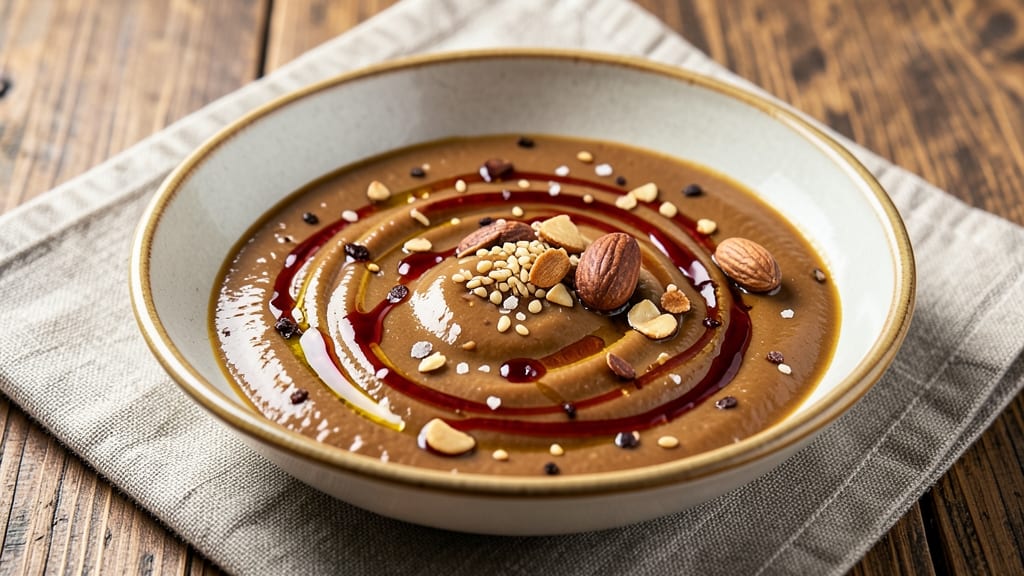
This Asian peanut dipping sauce delivers the perfect balance of nutty richness and tangy-sweet flavor without requiring a blender. 🔥 The secret lies in crushing peanuts by hand for maximum texture, then combining them with traditional ingredients like soy sauce, rice vinegar, and brown sugar for that signature depth.
What sets this recipe apart is how it captures the authentic taste while keeping prep simple—no cooking required, just mixing and tasting as you go.
The sauce comes together in just 10 minutes with basic pantry staples, yet tastes complex enough to elevate everything from spring rolls to grilled chicken. The crushed peanuts add satisfying crunch, while the vinegar and garlic powder brighten the nutty sweetness.
For a vegetarian version, simply swap fish sauce for an equal amount of coconut aminos or extra soy sauce—no one will notice the difference.
What you'll end up with is a velvety, slightly grainy sauce that's creamy enough to coat but still has that essential crunch. The flavor develops as it sits, so it's even better after 30 minutes in the fridge.
This isn't just a dipping sauce—it's a flavor booster that transforms simple meals into restaurant-quality experiences.
Store leftovers in an airtight container for up to 5 days, though I guarantee it won't last that long. The sauce thickens slightly when refrigerated, so stir before using. Perfect for meal prep, parties, or whenever you crave that addictive Asian peanut flavor without the fuss.
Ingredients for asian peanut dipping sauce
Nine simple ingredients combine for restaurant-quality peanut sauce with zero blender needed.
| Ingredient | Amount | Notes |
|---|---|---|
| Peanuts, dry-roasted 🥜 | 1 cup | Crushed by hand for texture |
| Peanut Butter 🥜 | ½ cup | Natural, no added sugar |
| Soy Sauce 🥫 | ⅓ cup | Use light or dark variety |
| Rice Vinegar 🍶 | ¼ cup | Unseasoned preferred |
| Brown Sugar 🍚 | ¼ cup | Packed firmly |
| Sesame Oil 🫒 | 1 tbsp | Toasted for aroma |
| Garlic Powder 🧄 | 1 tsp | Freshly ground preferred |
| Ground Ginger 🌿 | ½ tsp | Freshly grated better |
| Coconut Aminos 🥫 | ¼ cup | Vegan fish sauce substitute |
| Sesame Seeds 🌾 | 1 tbsp | Toasted lightly |
Peanuts are the star—dry-roasted for best flavor. Costco or Trader Joe's have the best prices for bulk peanuts, but any store's dry-roasted section works. Skip the salted kind—they'll overpower the sauce. The peanut butter should be natural, no added sugar or oils. If you can't find toasted sesame oil, regular sesame oil works, but toast the seeds separately for aroma. For the brown sugar, packed means no scooping—press it into the measuring cup for accuracy.
No peanut butter? Crushed peanuts plus 1 tbsp oil works in a pinch. Short on coconut aminos? Extra soy sauce plus a pinch of sugar gets you close. The garlic powder can be swapped for 1 minced garlic clove if you've got it. Want more heat? Add a pinch of red pepper flakes. For a smoother texture, blend the crushed peanuts first, but the hand-crushed version gives that authentic restaurant crunch. The sauce thickens as it sits—add a splash of water if it gets too stiff.
This sauce keeps for 5 days in the fridge, but honestly? It disappears faster. Store in an airtight container with a thin layer of oil on top to preserve freshness. The flavor actually improves after 30 minutes of chilling, so make it ahead if you can. Freezes beautifully for 3 months—thaw in the fridge and stir before using. Perfect for meal prep: just scoop and serve with whatever you're eating.
Why You'll Love This Recipe
- Five-Ingredient Magic: I swear, this sauce comes together faster than I can say "peanut butter." Just toss those dry-roasted peanuts, peanut butter, soy sauce, rice vinegar, and brown sugar into a bowl—no blender, no fuss—and stir. Honestly, I’ve made it while waiting for takeout to arrive.
- Salty-Sweet Balance: That first bite? Chef’s kiss. The soy sauce cuts through the richness of the peanut butter, while the brown sugar and vinegar add this perfect tangy crunch. Between us, it’s the kind of flavor that makes me reach for more without even thinking—especially when dunking crispy spring rolls or fresh veggies.
- Game for Any Meal: This isn’t just a snack sauce. I’ve drizzled it over noodles, stirred it into stir-fries, and even used it as a glaze for grilled chicken. It’s my go-to for lazy weeknights or when I’m feeding a crowd—no one ever complains, and my daughter picks out the peanuts but still asks for seconds.
- Lasts All Week: Make a big batch (it’s cheap, too—just peanuts and pantry staples) and store it in the fridge. The flavors only get better after a day or two, and it turns into my emergency dip when I’m too tired to cook. Plus, it’s one of those sauces where leftovers feel like a gift, not a chore.
Step-by-step instructions for Asian peanut dipping sauce
Here's how to blend bold flavors into a velvety sauce with perfect texture every time.
👨🍳 Step 1: Crush the Peanuts for Texture
Start by crushing the 1 cup dry-roasted peanuts in a heavy-duty plastic bag using a rolling pin or small skillet. You want about half roughly chopped and half finely crushed—this gives your sauce both crunch and creaminess. Work in batches if needed, but don't over-crush or you'll end up with peanut dust instead of texture.
Here's the thing—freshly crushed peanuts make all the difference. They release more flavor and create that satisfying bite. If using store-bought crushed peanuts, toast them first in a dry skillet for 2-3 minutes until fragrant to revive their flavor. Set aside while you prepare the other ingredients.
🍳 Step 2: Toast the Sesame Seeds and Bloom the Aromatics
Heat a small skillet over medium-low heat and dry-toast the 1 tablespoon sesame seeds for 1-2 minutes until golden and fragrant. Remove immediately and set aside—they'll continue cooking from residual heat. This step adds depth that raw seeds can't match.
In the same skillet (no need to clean it), add the 1 tablespoon sesame oil and warm for 30 seconds until shimmering. Add the 1 teaspoon garlic powder and ½ teaspoon ground ginger, stirring constantly for 20-30 seconds until fragrant but not browned. This aromatic base forms the flavor foundation of your sauce.
🥘 Step 3: Combine Wet Ingredients for Perfect Balance
In a blender or food processor, combine the ½ cup peanut butter, ⅓ cup soy sauce, ¼ cup rice vinegar, ¼ cup packed brown sugar, and ¼ cup coconut aminos. Blend on high for 30-45 seconds until completely smooth. The peanut butter should emulsify with the liquids, creating a thick, cohesive base.
Taste at this stage—you'll notice it's rich and slightly sweet. This is your flavor foundation, so don't worry if it doesn't taste perfect yet. The peanut butter and brown sugar create natural sweetness, while the coconut aminos and soy sauce provide umami depth. If using light soy sauce, you might want to add a pinch of extra brown sugar to balance the flavor.
🍳 Step 4: Blend Until Silky Smooth
With the blender running on low speed, gradually add the crushed peanuts and toasted sesame seeds through the feed tube. This slow incorporation prevents the motor from overheating and helps distribute the peanuts evenly. Blend for another 1-2 minutes until completely smooth with no visible peanut chunks.
Here's where it gets tricky: you want a sauce that's thick enough to cling but still pourable. If it's too thick, add 1-2 tablespoons warm water at a time until you reach the perfect consistency. If it's too thin, blend in 1 teaspoon more peanut butter to thicken it. The ideal texture should coat the back of a spoon but still flow smoothly.
⏰ Step 5: Rest and Adjust for Perfect Flavor
Transfer the sauce to a bowl and let it rest at room temperature for 10-15 minutes. This resting period allows all the flavors to meld together and the peanut butter to fully emulsify. Give it a taste now—you'll notice the flavors have deepened and come together beautifully.
Adjust the seasoning if needed. For more sweetness, add ½ teaspoon more brown sugar. For more tang, add ½ teaspoon rice vinegar. For more umami, add ½ teaspoon soy sauce. The sauce should be perfectly balanced between nutty, sweet, tangy, and savory. Once adjusted, transfer to a clean jar and refrigerate for up to 1 week or use immediately for freshest flavor.
Pro Tips For Making Asian Peanut Dipping Sauce
- TOAST PEANUTS FIRST: Skip the dry-roasted shortcut—freshly toast whole peanuts in a dry pan over medium heat for 3-4 minutes until fragrant and golden. The aroma alone makes the sauce taste richer, and you’ll notice the texture is crunchier than store-bought. (Yes, even if you’re impatient like me, wait until they’re actually toasted.)
- WHISK PEANUT BUTTER WELL: Don’t just stir in the peanut butter—whisk it vigorously with the wet ingredients until fully emulsified. I used to lump it in and wonder why my sauce looked streaky; now I know it’s the difference between a cohesive dip and one that separates. A splash of warm water helps if it’s too thick.
- TAMP DOWN THE SALT: Soy sauce is salty, peanut butter has salt, and brown sugar adds depth—but the combo can easily overpower. Taste before adding the full amount of soy sauce, then adjust. I learned this the hard way after serving a batch that tasted like a salty peanut candy disaster.
- SWAP VINEGAR FOR FLAVOR: If you’re not a fan of rice vinegar’s sharpness, use a mix of rice and apple cider vinegar (1:1 ratio) for brightness without bite. Or, for a smoother sauce, replace half the vinegar with a splash of lime juice—it cuts through the sweetness and adds a fresh twist. (Your future self will thank you.)
Health benefits of this dish
Heart-Friendly Nutty Goodness
The peanuts in this sauce pack a nutritional punch with monounsaturated fats that support heart health, helping lower bad cholesterol when used as part of a balanced diet. A 2-tablespoon serving provides about 7 grams of protein and 4 grams of fiber—both essential for keeping you full and satisfied.
The combination of healthy fats and plant-based protein makes this sauce a great option for heart-conscious eaters. 💪
Plant-Based Protein Power
This sauce delivers 10-12 grams of complete plant protein per ¼ cup serving, making it an excellent choice for vegetarians and vegans. The peanut butter and crushed peanuts provide all nine essential amino acids your body needs for muscle repair and immune function.
Unlike many commercial dipping sauces, this version contains no artificial additives or preservatives. 🥜
Blood Sugar Balance
While the brown sugar adds natural sweetness, the peanut butter and fiber-rich peanuts help slow sugar absorption, preventing blood sugar spikes. The rice vinegar provides acetic acid, which has been shown to improve insulin sensitivity.
For a lower-glycemic option, reduce the brown sugar to 2 tablespoons and add 1 teaspoon of cinnamon—it enhances sweetness without affecting blood sugar as much. 🌿
Antioxidant-Rich Ingredients
The sesame seeds contribute calcium, magnesium, and antioxidants like sesamin, which supports liver health and may help reduce inflammation. Peanuts themselves are rich in resveratrol and polyphenols, compounds that act as powerful antioxidants.
The garlic powder adds allicin, which has been linked to numerous health benefits including improved circulation. 💫
Digestive Benefits
The fiber from peanuts and peanut butter promotes healthy digestion and supports gut health. The ginger in the sauce aids digestion and may help reduce nausea, while the sesame oil contains lignans that support intestinal health.
For extra digestive benefits, add ½ teaspoon of ground flaxseed to the sauce—it adds omega-3s and even more fiber. The probiotic-friendly nature of this sauce makes it a great pairing for fermented foods like kimchi or sauerkraut. 🌱
Allergy-Friendly Adaptations
While peanuts are the star ingredient, this sauce can easily be adapted for nut-free diets by substituting ½ cup sunflower seed butter for the peanut butter and using ½ cup sunflower seeds instead of peanuts.
For those avoiding soy, replace the soy sauce and coconut aminos with tamari or an additional 2 tablespoons of brown sugar plus 1 tablespoon of apple cider vinegar. Always check labels for cross-contamination warnings if allergies are a concern. 💛
Nutrition facts
Frequently asked questions
Can I make this peanut dipping sauce without a blender?
The key is crushing the peanuts properly. Use a rolling pin in a heavy-duty plastic bag to crush 1 cup dry-roasted peanuts until you have a mix of chunky and fine pieces. Then, stir the crushed peanuts into the blended wet ingredients (peanut butter, soy sauce, etc.) with a sturdy spoon until fully incorporated. The texture will be slightly grainier but still delicious—just give it a good stir before serving.
How do I adjust this sauce for spicy lovers?
Add ½ to 1 teaspoon of sriracha or ¼ teaspoon of cayenne pepper to the blended wet ingredients before mixing in the peanuts. For a smoky kick, stir in ½ teaspoon smoked paprika> after blending. Start with a small amount and taste—you can always add more, but you can't remove the heat! The peanut butter helps balance the spice beautifully.
Why does my sauce get too thick when refrigerated?
The peanut butter and peanuts naturally thicken when chilled, which is normal. To fix it, stir in 1-2 teaspoons of warm water or a splash of rice vinegar until it reaches a smooth, spoonable consistency. For future batches, reduce the peanut butter by 1 tablespoon> or add 1 extra tablespoon of rice vinegar> to the original recipe to prevent excessive thickening.
What are the best foods to pair with this sauce?
This versatile sauce elevates everything from spring rolls and dumplings to grilled meats and roasted veggies. Try it with crispy tofu, fried rice, grilled chicken skewers, or even as a marinade for pork tenderloin. The nutty-sweet flavor also works beautifully with cucumber sticks or steamed broccoli> for a lighter option.
Can I substitute peanut butter with another nut butter?
Yes, but the flavor will change slightly. For the closest results, use almond butter> (add ½ teaspoon of cinnamon> to mimic peanut flavor). Cashew butter works too but may yield a smoother, less textured sauce. If using sunflower seed butter for nut-free options, add 1 extra tablespoon of sesame oil> to compensate for the lack of natural oils in peanuts.