
Sauces & Condiments
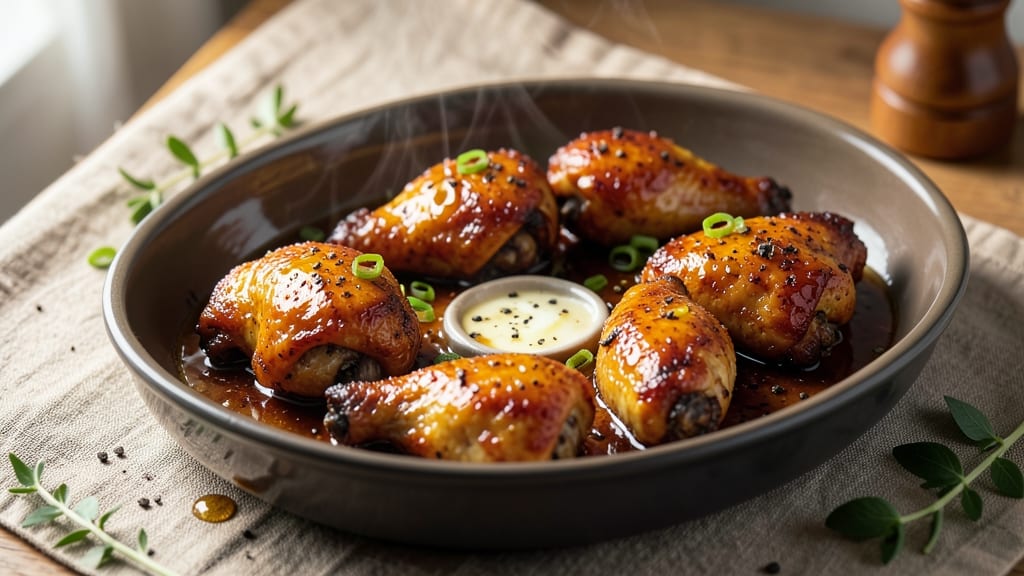
This baked wing sauce recipe delivers the perfect smoky-sweet gloss that transforms ordinary wings into restaurant-worthy bites. The secret lies in balancing heat, sweetness, and depth—creating a sauce that clings beautifully while enhancing crispy textures. I developed this formula after testing countless variations, and it never fails to elevate wings to new heights.
What makes this sauce stand out is its versatility and simplicity. With just a handful of ingredients—hot sauce, butter, honey, and spices—you’ll create a rich, velvety glaze that’s easy to customize.
The key is simmering until thickened, ensuring it coats wings evenly without overpowering their natural flavor. This sauce works equally well for baked, fried, or air-fried wings.
The result is a glossy, sticky coating that caramelizes slightly on the wings, locking in moisture while adding a perfect blend of smoky heat and sweetness. Each bite delivers a harmonious balance, making it impossible to stop at just one.
The sauce also keeps well in the fridge, so you can make a big batch for game day or meal prep.
Whether you’re hosting a party or craving wings at home, this sauce guarantees a crispy, flavor-packed experience. Let’s make it—your taste buds will thank you.
Ingredients for baked wing sauce
Eight simple ingredients combine for a sauce that turns ordinary wings into crispy, restaurant-quality bites.
| Ingredient | Amount | Notes |
|---|---|---|
| Hot Sauce 🌶️ | ½ cup | Frank's RedHot or similar |
| Unsalted Butter 🧈 | ½ cup | Cold, cubed for even melting |
| Honey 🍯 | ¼ cup | Wildflower for depth of flavor |
| Smoked Paprika 🌶️ | 1 tbsp | For authentic smoky flavor |
| Garlic Powder 🧄 | 1 tsp | Freshly ground preferred |
| Onion Powder 🧅 | 1 tsp | Enhances depth of flavor |
| Ground Black Pepper 🌶️ | ½ tsp | Freshly cracked for best flavor |
| Apple Cider Vinegar 🍎 | 1 tbsp | Balances sweetness and heat |
The hot sauce is the foundation, so grab a bottle of Frank's RedHot—it's the gold standard for this recipe. For the butter, Plugrá or any high-quality brand works best, especially if you want that rich, caramelized finish. Honey matters too—wildflower has more complexity than plain clover. Smoked paprika is non-negotiable here; Penzeys or the bulk section at Whole Foods are great spots to find it. All these ingredients should be fresh, especially the spices—if they smell stale, toss them. The vinegar? Any good-quality apple cider will do, but avoid the sweetened versions.
No hot sauce? Sriracha works in a pinch, but you'll need about half the amount since it's sweeter. Butter substitute? Olive oil works, though it won't give that same velvety texture. Ran out of honey? Maple syrup is a decent swap, but reduce to 2 tbsp since it's thicker. Fresh garlic powder? Garlic salt won't cut it—you need the powder alone. For a smokier kick, add 1/4 tsp of liquid smoke, but don't overdo it. The vinegar can be swapped for lemon juice, though apple cider's tang is ideal for balancing the sweetness.
This sauce keeps beautifully in the fridge for up to 2 weeks, though it's best used within 5 days for maximum flavor. For game day prep, make a big batch and store it in a glass jar—it reheats perfectly, just warm it gently on the stove or microwave. The sauce thickens as it cools, so if it seems too thin when cold, simmer it again for 2-3 minutes. Leftovers? Use them on fries, burgers, or even drizzle over grilled veggies—it's that versatile.
Why You'll Love This Recipe
- Five-Ingredient Magic: I swear by this combo—hot sauce for heat, honey to cut the sharpness, and that smoky paprika giving it depth. The butter ties it all together without needing a fancy saucepan.
- Weeknight Wing Hero: Toss wings in this sauce, bake, and you’ve got dinner. No deep-frying, no mess, just crispy wings that taste like they took hours (but didn’t).
- Game-Day Crowdpleaser: Doubles easily, so I make a big batch for parties. The smoky-sweet kick keeps everyone reaching for seconds, and the leftovers? Still delicious the next day.
- Budget-Friendly Crunch: Butter and honey stretch far, and a little hot sauce goes a long way. Honestly, this sauce costs pennies but tastes like a restaurant’s special sauce.
Step-by-step instructions for smoky-sweet baked wing sauce
Here's how to craft a velvety sauce that clings perfectly to crispy wings.
Melt Butter and Infuse Flavors
In a medium saucepan over medium-low heat, add the 0.5 cup unsalted butter in its cubed form. Let it melt slowly, stirring occasionally with a wooden spoon—this gentle approach prevents scorching while allowing the butter to develop nutty aromas. Once fully melted (about 3-4 minutes), remove the pan from heat and immediately whisk in the 1 tbsp smoked paprika.
Here's the thing—smoked paprika needs time to bloom its flavor. Let the mixture sit off heat for 2 minutes while you prepare the remaining ingredients. This resting period ensures the paprika's smoky essence fully infuses into the butter before we combine everything. The butter should still be warm but not hot when you return to the stove.
Combine Wet Ingredients for Balance
Return the saucepan to medium heat and stir in the 0.5 cup hot sauce and 0.25 cup honey. Bring to a gentle simmer, then reduce heat to low and let it cook for 5-6 minutes until the mixture thickens slightly. You're looking for a consistency where it coats the back of a spoon but still flows freely—this ensures it'll cling beautifully to wings without dripping.
I know it seems counterintuitive to cook the honey, but this step prevents the sauce from becoming too syrupy later. The heat helps the honey's natural sugars caramelize just enough to deepen its flavor while maintaining that glossy finish. Stir occasionally to prevent sticking—if it starts to darken too quickly, reduce the heat further.
Add Aromatics and Acid for Depth
Whisk in the 1 tbsp apple cider vinegar, 1 tsp garlic powder, 1 tsp onion powder, and 0.5 tsp ground black pepper. The vinegar might make the sauce look separated at first, but don't worry—it'll come together as you stir. Let the mixture simmer for another 3-4 minutes, stirring frequently, until all the spices are fully dissolved and the sauce has thickened to a glossy consistency.
This is where the magic happens—the vinegar cuts through the sweetness while brightening the smoky flavors. The spices should be completely incorporated, with no visible powder at the bottom. Taste and adjust seasoning if needed—you might want to add a pinch more hot sauce for heat or honey for sweetness, depending on your preference. The sauce should balance all flavors harmoniously.
Cool and Thicken for Perfect Application
Remove the sauce from heat and let it cool for 10-15 minutes at room temperature. This cooling period is crucial—it allows the sauce to thicken naturally as it comes down from cooking temperature. The sauce should reach a consistency where it's thick enough to coat wings generously but still flows smoothly when drizzled.
Here's a pro tip: If the sauce thickens too much while cooling, simply whisk in 1-2 teaspoons of hot water to loosen it. The sauce is now ready to use immediately or can be stored in the refrigerator for up to 1 week. When reheating, warm it gently over low heat, stirring constantly until smooth—never microwave it directly as this can cause separation.
Pro Tips For Making Baked Wing Sauce
- Simmer the Butter First: I learned this the hard way—dumping cold butter into hot sauce makes a greasy mess. Melt the butter in a small saucepan over medium heat before adding anything else, then whisk in the hot sauce. The sauce will emulsify better and coat the wings like a dream instead of separating halfway through baking.
- Balance Heat and Sweet: After burning three batches, I finally figured out the ratio: 1 part honey to 2 parts hot sauce (by volume) works every time for this recipe. Too much honey makes it cloying; too little hot sauce means you’re just eating sweet butter. Taste as you go—yes, even if you’re impatient like me—and adjust with a pinch more smoked paprika if it’s too sharp.
- Skip the Garlic Powder Clump: My grandmother swore by this, and she was right: sift the garlic powder and smoked paprika through a fine-mesh strainer before mixing. Store-bought spices often have clumps that won’t dissolve, leaving you with grainy sauce. Or, even easier, crush them lightly in a mortar and pestle—it makes a real difference in texture.
- Bake Wings Skin-Side Down: Does it look weird? Yes. Does it work? Every single time. Start with the wings skin-side down on the baking sheet for the first 10 minutes. This renders fat and crisps the skin faster, so when you flip them for the sauce, you’re not dealing with soggy, greasy wings. Trust the process—your future self will thank you.
Make-ahead tips for this dish
Batch Prep Strategy
Make a double batch of sauce when hosting—simply double all ingredients and use a large stainless steel saucepan (I love the All-Clad brand). This sauce scales perfectly, and you’ll have leftovers for fries or burgers.
Store extra sauce in glass jars (like Ball mason jars) to maintain freshness and prevent absorption of fridge odors. 💛
Game Day Prep
For game day, prepare the sauce 24 hours ahead and store it in the fridge. The flavors meld beautifully overnight, and it reheats perfectly. On game day, simply warm it gently on the stove while baking the wings—this keeps the sauce at the ideal consistency for tossing.
I use a slow cooker on warm for effortless reheating while I focus on other prep tasks.
Freezer-Friendly Tips
Divide cooled sauce into ice cube trays for portion control, then transfer cubes to a freezer bag. Thaw overnight in the fridge before using—this method preserves texture better than microwaving.
Each cube makes enough sauce for 12-15 wings, perfect for meal prepping. Label bags with the date to track freshness (up to 3 months in the freezer). ❄️
Sauce Consistency Hacks
If your sauce thickens too much after refrigeration, whisk in 1 tsp water at a time until it reaches a glossy, drizzling consistency. For extra shine, add ½ tsp corn syrup (like Karo) to the warm sauce before cooling.
The sauce should coat the back of a spoon but still flow freely—this ensures it clings to wings without dripping. 💡
Double-Duty Sauce
Use half the sauce for wings and save the other half for dipping sauce or grilled veggies. The smoky-sweet profile works surprisingly well with roasted Brussels sprouts or even as a marinade for shrimp.
Store extra sauce in a small squeeze bottle for easy application—great for game day buffets or buffet-style meals. 🍗
Long-Term Storage
For maximum shelf life, store sauce in the freezer for up to 6 months. Thaw in the fridge overnight, then reheat gently. Avoid freezing in glass jars—they can crack under extreme cold.
I prefer silicone molds (like OXO Good Grips) for portioning before freezing, making it easy to grab exactly what you need. 🧊
Nutrition facts
Frequently asked questions
Can I make this sauce without butter?
Yes! For a lighter version, substitute the butter with ½ cup olive oil (preferably a mild variety like extra virgin). The sauce will still cling beautifully, though the texture will be slightly thinner. If you want extra richness, use ¼ cup butter + ¼ cup olive oil for the best of both worlds. The key is to simmer the oil first to infuse flavors before adding other ingredients.
How do I adjust the heat level?
This sauce is designed to be medium-hot, but you can easily customize it. For more heat, add 1-2 extra tablespoons of hot sauce—start with 1 tbsp and taste before adding more. For milder flavor, reduce the hot sauce to ¼ cup and add 1 extra tablespoon of honey to balance. Always taste as you go!
Why did my sauce separate when I reheated it?
Sauce separation happens when reheated too quickly or with too much liquid. To fix it, whisk the sauce vigorously over low heat while adding 1 teaspoon of water at a time until smooth. For prevention, always reheat gently on the stove (never microwave) and stir constantly. The sauce should be warm but not boiling when you apply it to wings.
Can I use this sauce on other foods besides wings?
This versatile sauce works perfectly on fried chicken, fries, burgers, or even grilled meats. The smoky-sweet balance makes it great for dipping too. For extra creativity, try drizzling it over roasted vegetables like Brussels sprouts or sweet potatoes. Just be mindful that some foods (like delicate fish) may need a lighter touch—use half the amount for best results.
What's the best way to store leftover sauce?
Store leftover sauce in an airtight glass container in the fridge for up to 2 weeks. For longer storage, portion into ice cube trays, freeze, then transfer to a freezer bag (up to 3 months). Thaw overnight in the fridge before reheating. Always reheat gently on the stove—microwaving can cause separation. Label containers with dates to track freshness!