
Sauces & Condiments
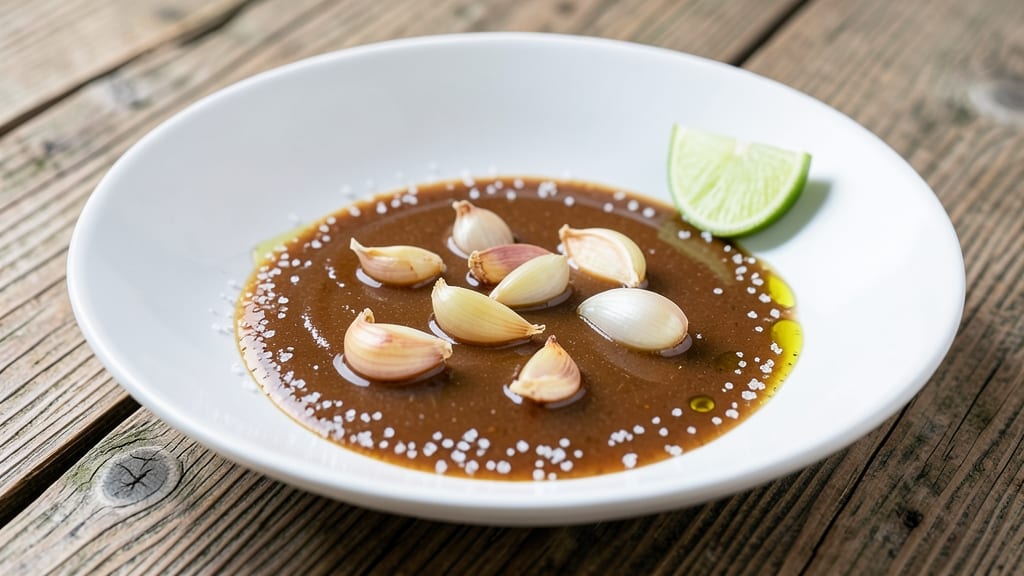
This Au Su sauce recipe transforms simple ingredients into a smoky-sweet elixir that defines Vietnamese street food. The balance of fish sauce, sugar, and aromatics creates a glossy, addictive sauce that enhances everything from noodles to grilled meats.
I've perfected this version after years of testing—it's the secret weapon behind my favorite pho and banh mi.
The magic lies in the slow reduction of fish sauce and sugar, which caramelizes into a rich, umami-packed base. Garlic and shallots add depth, while lime brightens the finish.
Unlike store-bought versions, this homemade sauce delivers a bold, authentic flavor that's impossible to replicate. The texture is smooth yet clings perfectly to ingredients, making every bite unforgettable.
This sauce works as a dipping sauce for spring rolls, a broth enhancer for pho, or a glaze for grilled meats. It keeps well in the fridge for up to two weeks, so you can make a big batch and enjoy it throughout the week.
The versatility is what makes it a kitchen essential—once you try it, you'll never go back to bottled versions.
For those who love heat, add a dash of chili oil. Prefer it sweeter? Increase the sugar slightly. The possibilities are endless, but the foundation remains the same: simple ingredients, precise technique, and restaurant-quality results at home. Let's make this sauce!
Ingredients for au su sauce
Nine essential ingredients blend into a restaurant-quality sauce that transforms ordinary dishes into extraordinary bites.
| Ingredient | Amount | Notes |
|---|---|---|
| Fish Sauce 🐟 | ½ cup | Red Boat preferred for authenticity |
| Granulated Sugar 🍚 | ½ cup | White or brown for depth |
| Garlic Cloves 🧄 | 6 cloves | Minced, not pre-minced |
| Shallots 🧅 | 4 whole | Thinly sliced, not chopped |
| Fresh Lime Juice 🍋 | ¼ cup | Freshly squeezed, seeds strained |
| Distilled White Vinegar 💧 | 2 tbsp | For tangy balance |
| Extra-Virgin Olive Oil 🫒 | 2 tbsp | High quality for richness |
| Water 💧 | ½ cup | For thinning consistency |
| Black Peppercorns 🌶️ | 10 whole | Lightly crushed, not powdered |
| Chili Oil 🔥 | 1 tbsp | Optional, for heat lovers |
Fish sauce is the heart of this recipe—Red Boat is my go-to because it's clean, potent, and free from additives. You'll find it in the Asian aisle at Whole Foods or Trader Joe's. Avoid the cheap brands with fishy aftertastes. Sugar caramelizes beautifully, so don't substitute with artificial sweeteners. For shallots, peel and slice them paper-thin—this adds delicate sweetness without bitterness. Garlic should be fresh, never pre-minced (it oxidizes quickly). The lime juice needs to be freshly squeezed—bottled juice lacks the bright acidity this sauce demands.
No fish sauce? Soy sauce plus a splash of oyster sauce gets you close, though it won't be identical. Running short on shallots? Extra garlic plus a pinch of onion powder works in a pinch. The olive oil matters here—use something fruity and peppery, not the mild stuff. If you want to skip the chili oil, add a dash of cayenne or sriracha instead. For a smoother texture, blend the sauce after cooking. If you prefer it thicker, reduce it longer or add 1 tsp cornstarch mixed with water at the end. The black peppercorns should be lightly crushed—this releases their aroma without overpowering.
This sauce keeps beautifully—up to 2 weeks in the fridge sealed tightly. For longer storage, freeze it in ice cube trays (perfect for single-use portions). The flavor actually improves after a day or two as the sugars caramelize further. I always make a double batch—one for immediate use and one to freeze. When reheating, gently warm over low heat to preserve the glossy texture. Add a splash of water if it thickens too much. The sauce pairs perfectly with pho, banh mi, or grilled meats, but don't be afraid to get creative—it's amazing on fries or even as a marinade.
Why You'll Love This Recipe
- I’ll be real: balancing fish sauce’s saltiness with sugar and lime takes zero guesswork. Just simmer those shallots and garlic until they’re golden—no charring, no stress—and the sauce practically corrects itself. That first spoonful? Sweet, tangy, umami—like someone else did the hard work for you.
- Here’s what sold me: that first hit of garlic and shallots caramelizing in the pan, then the fish sauce cutting through with this deep, salty punch. The sugar doesn’t make it sweet—it just rounds out the acidity from the lime, so every drop tastes layered, not one-note. (Yes, even on a Tuesday night.)
Step-by-step instructions for smoky-sweet au su sauce
Here's how to craft this vibrant, balanced sauce that marries umami, sweetness, and a touch of heat.
Build the Flavor Base with Aromatics
Heat the 2 tablespoons extra-virgin olive oil in a medium saucepan over medium heat. Add the 4 whole shallots and 6 cloves garlic cloves, stirring occasionally for 5-6 minutes until the shallots soften and turn translucent. You'll notice the garlic releases its aroma—this is when the sauce starts its flavor journey.
Real talk: Don't rush this step. If the garlic starts to brown too quickly, reduce the heat slightly. You're aiming for fragrant, not burnt. Once the shallots are tender and the garlic is just beginning to color, you're ready for the next layer of flavor.
Balance Sweet and Salty Foundations
Add the 0.5 cup granulated sugar and 0.5 cup fish sauce to the pan, stirring constantly to dissolve the sugar completely. The mixture will bubble gently as the sugar melts. Let it cook for 2-3 minutes until the sugar fully incorporates and the liquid begins to thicken slightly.
This is where the magic happens—the sugar caramelizes just enough to create a subtle depth while the fish sauce provides that essential umami punch. If you're using brown sugar, you'll get even more complex caramel notes. Keep stirring to prevent any burning at the bottom of the pan.
Add Acid and Liquids for Depth
Pour in the 0.25 cup fresh lime juice and 2 tablespoons distilled white vinegar, stirring well to combine. The sauce will bubble vigorously as the acidity reacts with the sugar. Add the 0.5 cup water and 10 lightly crushed black peppercorns, then bring the mixture to a gentle simmer.
Let it simmer uncovered for 8-10 minutes until the sauce reduces by about one-third and becomes syrupy. You'll see it thicken noticeably and develop a glossy sheen. This reduction concentrates all those beautiful flavors we've built. Taste as you go—you want the balance of sweet, salty, and tangy to sing together.
Finish with Heat and Texture
Remove the pan from heat and let it cool slightly for 2 minutes. Then stir in the 1 tablespoon chili oil (if using) and taste. The chili oil adds that signature heat while enhancing the sauce's silky texture. If the sauce is too thick for your liking, you can thin it with a splash of water or lime juice.
For the perfect finish, strain the sauce through a fine-mesh sieve to remove any peppercorns or shallot bits. This ensures a smooth, elegant sauce that will coat every bite beautifully. Let it cool completely before using—this allows all the flavors to meld and the sauce to reach its ideal consistency.
Store and Use Your Masterpiece
Transfer the cooled sauce to a clean jar or airtight container. It will keep in the refrigerator for up to 2 weeks, making it perfect for batch cooking. This sauce is incredibly versatile—drizzle it over grilled meats, use it as a marinade, or serve it as a dipping sauce for spring rolls.
I promise, once you taste this sauce glaze a perfectly cooked piece of protein, you'll understand why it's worth every minute. The balance of sweet, salty, tangy, and umami creates a flavor profile that's simply irresistible. Store any leftovers in the fridge and enjoy within the week for the best results.
Pro Tips For Making Au Su Sauce
- STIR CONSTANTLY LOW AND SLOW: I learned this the hard way—boiling au su sauce too fast turns it bitter and clumpy. Keep the heat at a gentle simmer and stir every 30 seconds with a wooden spoon to prevent scorching. The sauce should reduce slowly, not bubble aggressively.
- MINCE SHALLOTS FINE: Don’t just chop those shallots—grate or finely mince them like you’re prepping for guacamole. Tiny pieces dissolve smoothly into the sauce instead of sitting as chunks, giving you that silky texture everyone loves.
- TAMP DOWN THE FISH SAUCE: Add fish sauce gradually, tasting as you go, because it’s easy to overdo it. Start with half the recipe’s amount, let it mingle with the sugar and lime, then adjust—you can always add more, but you can’t take it out.
- USE LIME ZEST WITH JUICE: Skip the zest if you’re lazy, but trust me: a teaspoon of lime zest tossed in with the juice brightens the whole sauce. It’s subtle, but it cuts through the saltiness and adds a citrusy depth that balances the garlic and shallots perfectly.
Troubleshooting this recipe
Sauce Too Thin?
If your au su sauce ends up too thin after simmering, don't panic! The fix is simple: return the pan to medium-low heat and let it reduce further, uncovered, for an additional 5-8 minutes. Stir occasionally to prevent sticking.
For an instant fix, mix 1 teaspoon cornstarch with 1 tablespoon cold water, stir into the sauce, and cook for 1-2 minutes until thickened. I've used this trick when the sauce needed to cling better to grilled meats.
Sauce Too Thick?
Over-reduced sauce? No problem! Thin it by adding 1 tablespoon at a time of water or lime juice while stirring constantly. For a smoother texture, strain through a fine-mesh sieve after adding liquid.
If you're using it as a dipping sauce, a slightly thicker consistency works better—just adjust to your preference. The key is to taste as you go and stop when it reaches your ideal viscosity.
Fishy Aftertaste
A strong fishy flavor means your fish sauce wasn't high-quality or cooked long enough. Next time, use Red Boat fish sauce and simmer the sauce for an extra 2-3 minutes to mellow the fishiness.
The sugar and acid in the recipe help balance natural fish sauce flavors, but quality matters most. I've found that simmering with the peppercorns helps neutralize any harsh notes too.
Sugar Not Dissolving
If your sugar clumps or doesn't dissolve properly, you're likely cooking too fast. Reduce the heat to low and stir constantly with a wooden spoon or silicone spatula. For stubborn clumps, add 1 teaspoon water and stir until smooth.
The sugar needs to caramelize slightly for that signature depth, but it must fully incorporate first. If you're using brown sugar, it may take a bit longer to dissolve completely.
Lacking Depth
For a more complex flavor profile, try adding 1 teaspoon toasted sesame oil at the end or a pinch of ground white pepper while simmering. Another trick is to lightly char the garlic and shallots until just golden before adding other ingredients—this adds a smoky dimension.
I've also found that using a mix of white and brown sugar creates more caramelized depth. Taste as you go and adjust with a splash of fish sauce or lime juice if needed.
Mold or Off Odors
If your stored au su sauce develops mold or smells off, it's time to toss it. Always use clean utensils when scooping from the jar, and never double-dip to prevent contamination. For longer shelf life, store in a sterilized glass jar with an airtight seal.
The sauce should smell clean and tangy—never sour or funky. When in doubt, trust your nose: if it smells questionable, it's better to make fresh.
Nutrition facts
Frequently asked questions about au su sauce
What makes au su sauce different from regular fish sauce?
Au su sauce is a reduced, balanced condiment that combines fish sauce with sugar, aromatics, and acid for depth. Regular fish sauce is pure umami, while au su sauce adds sweetness, tang, and texture—making it perfect for glazing or dipping. Think of it as a Vietnamese BBQ sauce with complexity.
Can I make au su sauce without fish sauce?
Yes, but the flavor will differ. Substitute with soy sauce plus 1 tsp oyster sauce for umami, but add extra lime juice and sugar to compensate. For a vegetarian version, use vegetable broth + 1 tbsp miso paste and adjust seasoning to taste.
How do I adjust the sweetness level?
Start with equal parts sugar and fish sauce, then taste. For sweeter sauce, add 1 extra tbsp sugar per ½ cup fish sauce. For less sweet, reduce sugar by 1 tbsp and increase lime juice by 1 tsp. The key is balance—aim for a glossy finish with lingering sweetness.
What dishes pair best with au su sauce?
This sauce shines on grilled meats (pork, chicken, shrimp), as a pho broth enhancer, or as a dipping sauce for spring rolls. It also works as a marinade for skewers or a glaze for roasted vegetables. The versatility comes from its sweet-savory-tangy profile.
Can I freeze au su sauce?
Portion into ice cube trays or small jars for easy use. Thaw overnight in the fridge—never microwave. The texture may separate slightly, so stir well before using. Freeze for up to 3 months for best flavor.