
Sauces & Condiments
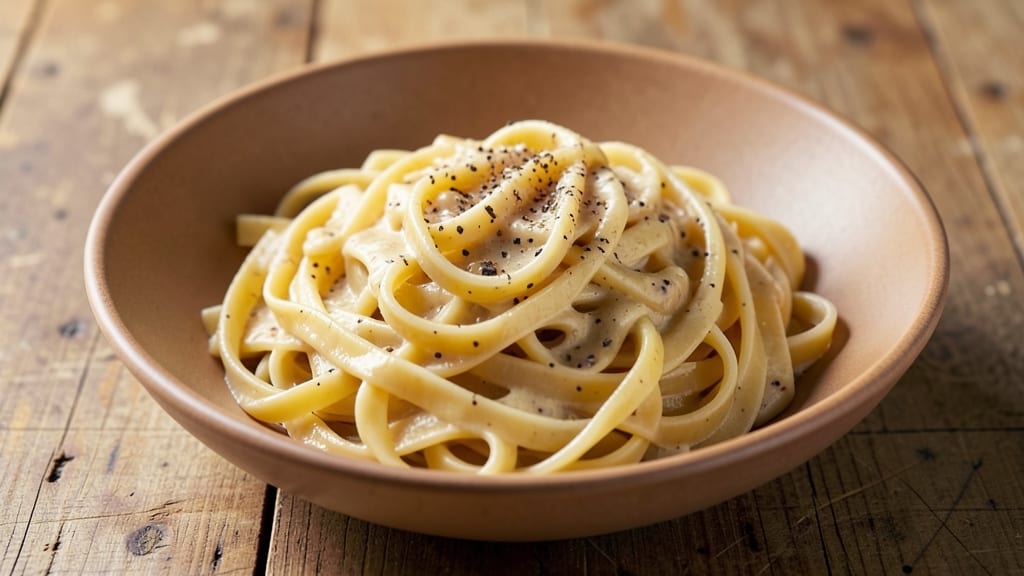
This alfredo sauce recipe with wine transforms ordinary cream into something luxurious—rich, velvety, and layered with depth that store-bought versions can’t match. The secret lies in wine’s ability to balance creaminess while adding subtle acidity and complexity, all while keeping the process simple.
What starts as a basic sauce becomes something restaurant-worthy with just three core ingredients and a few intentional steps.
The wine isn’t just for flavor—it’s the bridge between richness and balance. A splash of dry white wine reduces into the butter, cutting through the cream’s heaviness and adding a bright, aromatic lift.
Meanwhile, Parmesan cheese brings that signature nutty depth, ensuring every forkful is unmistakably alfredo. The result? A sauce that clings beautifully to pasta (or any dish) without being overly thick or cloying.
What makes this version stand out is how effortlessly it delivers creamy perfection. No lumps, no separation—just a silky, golden sauce that’s ready in under 15 minutes. The wine’s acidity also prevents the sauce from turning greasy, a common pitfall with traditional alfredo.
Whether you’re drizzling it over fettuccine, tossing it with vegetables, or using it as a dip, this sauce elevates everything it touches.
Best of all, this recipe scales perfectly—double or halve it without sacrificing quality. The wine’s role means you can adjust sweetness or richness to your taste, making it versatile enough for any dish. Here’s how to make it, step by step.
Ingredients for alfredo sauce recipe with wine
Three core ingredients and a few intentional steps create this luxurious alfredo sauce.
| Ingredient | Amount | Notes |
|---|---|---|
| Unsalted Butter 🧈 | ½ cup | Cold, cut into small cubes |
| Dry White Wine 🍷 | ½ cup | Sauvignon Blanc or Pinot Grigio |
| Heavy Cream 🥛 | 1 ½ cups | Full-fat for optimal richness |
| Parmesan Cheese 🧀 | 1 cup | Freshly grated from block |
| Garlic Cloves 🧄 | 2 cloves | Minced for aromatic depth |
| Salt 🧂 | ½ tsp | Diamond Crystal kosher preferred |
| Freshly Ground Black Pepper 🌶️ | ¼ tsp | For finishing touch |
| Extra-Virgin Olive Oil 🫒 | 1 tbsp | For emulsification |
The foundation of this sauce begins with unsalted butter—never skip the cold-cut cubes, as they create a velvety emulsion when melted into the wine. For the wine, Sauvignon Blanc or Pinot Grigio are ideal due to their crisp acidity, but any dry white will work. Whole Foods or your local wine shop typically carry excellent options at reasonable prices. Freshly grated Parmesan-Reggiano is non-negotiable—pre-grated versions contain anti-caking agents that prevent proper melting. If you're using a block, invest in a fine grater for the finest texture possible.
No dry white wine on hand? Substitute with an equal amount of chicken stock—it won't replicate the wine's acidity perfectly, but it'll save the dish. For a richer alternative, half-and-half can replace the heavy cream, though the sauce will be slightly lighter. The garlic can be omitted entirely if you're sensitive to its flavor, but I recommend keeping it for that authentic depth. If you prefer a smoother sauce, blend the finished sauce briefly to eliminate any visible garlic specks—though purists will argue that's sacrilege. The olive oil serves as the emulsifier, so don't be tempted to skip it.
This sauce is best made fresh, but it stores beautifully in the refrigerator for up to 5 days when kept in an airtight container with a thin layer of olive oil poured over the top to prevent a skin from forming. For longer storage, freeze in ice cube trays for up to 3 months—perfect for single-serving portions. When reheating, warm gently over low heat and stir in a splash of warm water or milk if it thickens too much. The sauce thickens as it cools, so it's best served warm but not boiling.
Why You'll Love This Recipe
- Wine in Minutes: I swear, the white wine reduces in five while I chop garlic—no simmering, no babysitting. Just toss in butter, garlic, and cream, then let the alcohol evaporate like magic.
- Rich Without Effort: That first bite of creamy, nutty Parmesan melting into the sauce? It’s like a hug for your taste buds, and honestly, it takes less work than ordering takeout.
- Pasta Party Ready: Drizzle it over fettuccine for a fancy dinner, or toss it with roasted chicken for a weeknight win. The wine cuts through the richness, so it’s never too heavy—even when I make it for my picky dad.
- Leftovers That Lie: Between us, this sauce tastes better the next day. I make a double batch, freeze half, and pretend I’m a gourmet chef when I reheat it—no one ever guesses it’s just butter, wine, and a little patience.
Step-by-step instructions for rich wine-infused alfredo sauce
This method delivers velvety, wine-balanced Alfredo with perfect emulsification every time.
Melt Butter and Infuse with Wine
In a medium saucepan, melt the 0.5 cup unsalted butter over medium-low heat until it foams and clarifies slightly. Add the 0.5 cup dry white wine immediately—this prevents burning and creates a flavorful base. Let the mixture simmer gently for 3-4 minutes until the wine reduces by half and its alcohol aroma dissipates.
The wine reduction is critical—it removes harsh alcohol notes while concentrating the sauce's depth. You'll know it's ready when the liquid reduces to about 2 tablespoons and the butter-wine mixture takes on a golden hue. Keep heat low to avoid browning the butter, which would add bitterness rather than richness.
Build the Sauce with Cream and Cheese
Reduce heat to low and gradually whisk in the 1.5 cups heavy cream. Stir constantly to prevent curdling as the cream heats. After 2 minutes, sprinkle in the 1 cup parmesan cheese and the 2 cloves minced garlic. Continue whisking for 3-4 minutes until the cheese melts completely and the sauce thickens to a pudding-like consistency.
This gradual warming ensures the cream doesn't separate, and the parmesan emulsifies properly. You'll see the sauce transform from a thin liquid to a glossy, clingy texture. If it thickens too quickly, add 1-2 tablespoons hot water to maintain smoothness. The garlic should infuse without burning—remove from heat if it starts to color.
Finish with Seasoning and Olive Oil
Return the sauce to low heat and stir in the 0.5 tsp salt and 0.25 tsp freshly ground black pepper. Immediately whisk in the 1 tbsp extra-virgin olive oil—this is the secret to achieving a silky, stable emulsion. The oil coats the proteins in the cheese, preventing curdling and creating that signature Alfredo sheen.
Taste and adjust seasoning—Alfredo should be rich but not salty. The wine should add bright acidity to balance the cream's heaviness. For immediate use, keep the sauce warm over low heat, stirring occasionally. For best results, use within 2 hours or refrigerate and reheat gently, stirring constantly to prevent skin formation.
Perfect Emulsification Technique
If the sauce separates, don't panic. Place the saucepan over low heat and whisk vigorously for 1-2 minutes until smooth. The olive oil and residual heat will help re-emulsify. For extra insurance, add 1 teaspoon cornstarch mixed with 1 tablespoon cold water, whisking until fully dissolved before reheating.
This sauce pairs beautifully with fettuccine or chicken. The wine infusion prevents the richness from feeling cloying, making each bite bright and balanced. Serve immediately over hot pasta with additional parmesan and cracked black pepper for a restaurant-quality finish.
Pro Tips For Making Alfredo Sauce Recipe With Wine
- Low and Slow on Cream: The moment you add the heavy cream, drop the heat to a bare simmer—no boiling, no rushing. I learned this the hard way when my sauce curdled into a sad, lumpy mess after aggressively stirring over high heat. Let that cream warm gently, or you’ll end up with a sauce that looks like it lost a fight with a blender.
- Toast the Garlic Right: Smash those garlic cloves flat with the side of your knife first, then cook them in the butter until they’re just golden—not brown, not burnt, but that sweet, nutty stage where they smell like a garlic festival. Overcook them, and you’ll taste bitterness cutting through your creamy sauce. Trust me, this is the thing that matters most.
- Strain That Cheese: Grate your Parmesan fresh and strain it through a fine-mesh sieve before adding it to the sauce—yes, even if you’re impatient. The fibrous bits clog your sauce and make it grainy. I skip this when I’m lazy, but the dish is noticeably smoother when I don’t. (Your future self will notice.)
- Deglaze with Wine, Then Wait: Pour in the white wine and let it sit for 30 seconds before scraping up those browned bits—don’t rush the deglazing. Those bits hold all the flavor that’ll make your sauce taste like it’s from a restaurant, not a weeknight. Scrape, then stir, then let it reduce by half before adding the cream. Patience here actually changes the outcome.
Storing and reheating your alfredo sauce recipe with wine
Refrigerator Storage
Store your wine-infused alfredo sauce in an airtight glass container (I use Pyrex with a snap-on lid) and refrigerate for up to 5 days. The wine’s acidity helps preserve freshness longer than traditional cream sauces.
Always let the sauce cool completely before storing to prevent condensation, which can cause separation. 🧊
To prevent a skin from forming, press plastic wrap directly onto the sauce’s surface before sealing the container. If a skin does develop, simply whisk it back into the sauce when reheating.
The sauce will thicken as it chills, so add 1-2 tablespoons warm water or milk when reheating to restore its silky texture.
Freezer Storage
For longer storage, freeze the sauce in ice cube trays for single-serving portions or quart-sized freezer bags for larger batches. The wine’s acidity prevents the sauce from turning grainy, unlike some cream-based sauces. Label containers with the date—this sauce stays excellent for up to 3 months when frozen properly. 🥶
Thaw overnight in the refrigerator or quickly in a bowl of warm water. For best results, reheat gently on the stovetop over low heat, stirring constantly. If the sauce thickens too much, thin it with warm water or milk until it reaches a smooth, pourable consistency.
Reheating Methods
For stovetop reheating, transfer the sauce to a medium saucepan and warm over low heat for 5-7 minutes, stirring frequently. Avoid high heat—it can cause the sauce to separate or develop a skin.
If the sauce looks too thick, add 1 tablespoon warm water or milk at a time until it reaches the desired consistency. 🔥
For microwave reheating, transfer the sauce to a microwave-safe bowl and heat on medium power (50%) for 1-2 minutes, stirring halfway through. The wine’s acidity helps prevent curdling, but microwave reheating can still cause slight separation.
If this happens, whisk in 1 teaspoon cornstarch mixed with 1 tablespoon cold water to restore smoothness.
Preventing Separation
If your sauce separates after reheating, don’t toss it! Place the saucepan over low heat and whisk vigorously for 1-2 minutes. The olive oil and residual heat will help re-emulsify the sauce.
For stubborn separation, whisk in 1 teaspoon cornstarch mixed with 1 tablespoon cold water until fully dissolved. This trick works like magic for restoring that creamy texture. ✨
The key to preventing separation is gentle heat and constant stirring. Never boil the sauce, as this can cause the cream to curdle. If you’re reheating a large batch, divide it into smaller portions to ensure even heating and smoother results.
Nutrition facts
Frequently asked questions
Can I use red wine instead of white wine in this alfredo sauce?
While it's possible, I don't recommend it for this recipe. Red wine's tannins and bold flavors can overpower the delicate cream and cheese base, creating an unbalanced sauce. The acidity and crispness of dry white wine (like Sauvignon Blanc) are key to cutting through the richness while adding subtle brightness. If you must use red, try a light variety like Pinot Noir and reduce it longer to concentrate the flavor.
Why did my alfredo sauce separate after reheating?
Sauce separation usually happens from too much heat or not enough emulsification. The olive oil in this recipe helps prevent this, but if it happens, whisk vigorously over low heat for 1-2 minutes—the gentle warmth will help re-emulsify. For stubborn separation, mix 1 teaspoon cornstarch with 1 tablespoon cold water and whisk it in slowly. This acts as a stabilizer without altering the flavor.
Can I make this sauce without heavy cream for a lighter version?
Yes! Replace the heavy cream with an equal amount of half-and-half for a slightly lighter texture, though the sauce will be less rich. For even lighter results, use whole milk and add 2 tablespoons cornstarch mixed with 2 tablespoons cold water when combining with the cheese—this helps thicken it properly. The wine will still balance the acidity, but expect a thinner consistency.
How do I adjust the wine flavor if I used a sweeter white wine?
If your wine has noticeable sweetness, balance it by adding 1 extra pinch of salt (up to 0.25 tsp) and a splash of lemon juice (about 1 teaspoon) when finishing the sauce. The acidity from both will cut through the sweetness while enhancing the wine's aromatic notes. Taste as you go—Alfredo should be rich but never cloying.
Can I add herbs or other flavors to this wine-infused alfredo?
Try adding 1 teaspoon dried basil or thyme when melting the butter, or stir in 1 tablespoon fresh parsley at the end for brightness. For extra depth, a pinch of nutmeg (about 1/8 teaspoon) complements the wine beautifully. Just be mindful not to overpower the wine's delicate acidity—the goal is to enhance, not compete.