
Sauces & Condiments
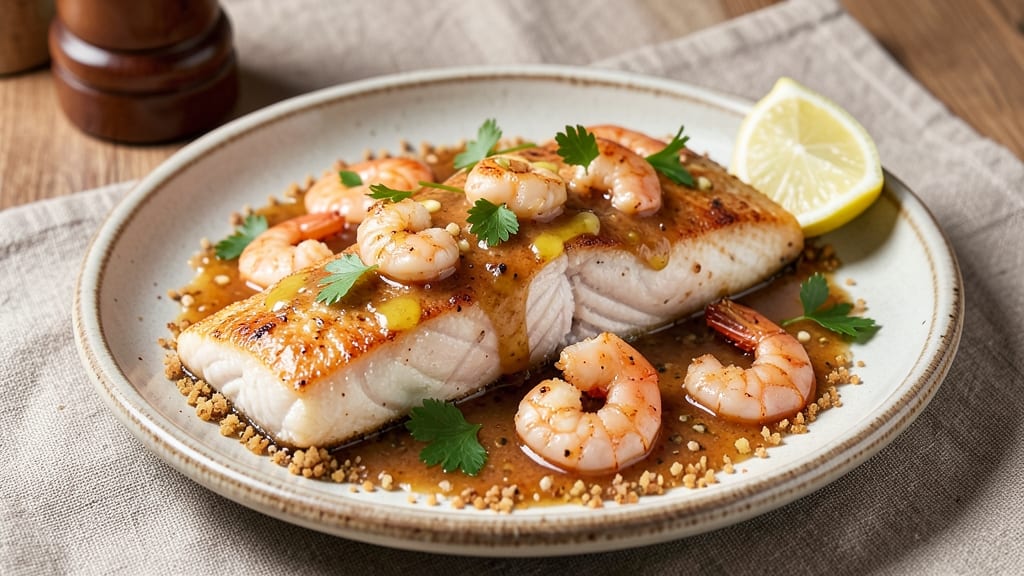
This baked fish with shrimp sauce recipe delivers restaurant-worthy flavor with minimal effort—juicy, flaky fish smothered in a rich, buttery garlic shrimp glaze that melts into every bite.
The secret lies in balancing tender white fish with a velvety sauce made from shrimp, garlic, and a touch of cream, creating a dish that's both elegant and effortless. Perfect for pescatarians or anyone craving a seafood centerpiece, this recipe transforms simple ingredients into something extraordinary.
What sets this dish apart is the shrimp sauce, which starts with sautéed shrimp and garlic, then simmers into a glossy, aromatic glaze thickened just enough to cling to the fish.
The fish itself bakes to perfection—tender, never dry, thanks to a light seasoning of lemon and herbs that brightens the rich sauce. No complicated techniques here, just a foolproof method that delivers restaurant-quality results with minimal cleanup.
By the time you pull this dish from the oven, you'll have golden, flaky fish swimming in a glossy shrimp sauce that's both savory and slightly sweet.
The aroma alone will have everyone gathering at the table, and the first bite delivers that perfect balance of buttery richness and briny shrimp flavor. This is the kind of meal that feels special without requiring hours of prep.
Serve with steamed jasmine rice to soak up every last drop of sauce, or pair with roasted asparagus for a complete, balanced plate. The dish reheats beautifully, making it ideal for meal prep or leftovers. Let's create this seafood masterpiece!
Ingredients for baked fish with shrimp sauce
Buttery shrimp sauce meets flaky fish in this elegant yet simple seafood masterpiece.
| Ingredient | Amount | Notes |
|---|---|---|
| White Fish Fillets 🐟 | 4 pieces | Cod, halibut, or tilapia preferred |
| Large Shrimp 🦐 | ½ lb | Peeled, deveined, tails off |
| Unsalted Butter 🧈 | ½ cup | Cold, cubed for sauce |
| Garlic Cloves 🧄 | 6 cloves | Minced for sauce |
| Heavy Cream 🥛 | ¼ cup | Full-fat for richness |
| Lemon Juice 🍋 | 2 tbsp | Freshly squeezed |
| Dry White Wine 🍷 | ¼ cup | Sauvignon Blanc preferred |
| Fresh Parsley 🌿 | ¼ cup | Chopped, for garnish |
| Salt 🧂 | 1 tsp | Kosher or sea salt |
| Ground Black Pepper 🌶️ | ½ tsp | Freshly ground preferred |
| Olive Oil 🫒 | 1 tbsp | For greasing pan |
| Jasmine Rice 🍚 | 1 ½ cups | Uncooked, for serving |
The fish is the star, so choose fillets with even thickness—cod or halibut hold up beautifully to baking. Whole Foods or your local fishmonger usually carry the best quality, but frozen works too if you're in a pinch. Shrimp should be fresh, plump, and pink or white—avoid anything with a fishy smell. For the garlic, freshly minced makes all the difference in the sauce's depth of flavor. If you're using frozen shrimp, thaw them in cold water for 10 minutes before cooking.
No white wine? Fish or seafood stock works perfectly—just reduce it to the same volume. Heavy cream can be swapped for half-and-half or coconut milk for a lighter option, though the sauce won't be quite as rich. Fresh parsley is ideal, but dried parsley at one-third the amount gets you close. The butter is non-negotiable here—full-fat, unsalted gives that velvety texture. If you're feeling adventurous, add a pinch of smoked paprika to the sauce for a subtle depth. For the fish, pat it dry before seasoning to ensure crisp edges.
This dish reheats beautifully—just cover with foil and warm in a 350°F oven for 10 minutes. The sauce thickens as it cools, so if it seems too thin when you pull it out, simmer it uncovered for a minute or two. Jasmine rice absorbs the sauce perfectly, so make extra if you're hungry. Leftovers keep for 2 days in the fridge, though the flavor is best enjoyed fresh. For meal prep, store the sauce and fish separately and reheat together.
Why You'll Love This Recipe
- One-Pan Magic: I swear by this recipe when I’m too tired to wash dishes—just toss everything on a sheet pan, bake, and walk away. The shrimp sauce pools right over the fish, so no extra bowls or strainers needed.
- Garlic-Cream Dream Team: That first bite of flaky fish with the rich, buttery shrimp sauce? It’s like a hug for my taste buds. The heavy cream softens the garlic into something velvety, not sharp, and the butter keeps it luscious without tasting heavy.
- Weeknight to Dinner Party: Honestly, it’s my go-to for lazy nights, but it also feels fancy enough for guests. Swap the white fish for snapper or halibut if you’re feeling fancy, or serve it with crusty bread to soak up every last drop of sauce.
- Leftovers That Don’t Suck: Between us, most baked fish recipes turn into sad, dry leftovers. Not this one—the sauce clings to the flakes, so reheating it is just as good as the first bite. Plus, shrimp and fish are budget-friendly proteins, so you’re not breaking the bank for seconds.
Step-by-step instructions for baked fish with shrimp sauce
Here's how to create a luxurious baked fish dish with a rich shrimp sauce that perfectly complements tender flakes.
Prepare the Shrimp Sauce
In a medium saucepan, melt the 0.5 cup unsalted butter over medium heat until it foams. Add the 6 cloves minced garlic and sauté for 30 seconds until fragrant—don't let it brown or it'll turn bitter. This is where all the flavor develops, so don't rush this step.
Pour in the 0.25 cup dry white wine and simmer for 2-3 minutes until reduced by half. The alcohol will cook off, leaving behind concentrated flavor. Stir in the 0.25 cup heavy cream and 2 tablespoons lemon juice, then reduce heat to low and let it warm through without boiling. This sauce should be silky and ready to coat your fish beautifully.
Season and Prepare the Fish
While the sauce simmers, season the 4 pieces white fish fillets generously with 1 teaspoon salt and 0.5 teaspoon black pepper on both sides. Place them in a greased baking dish that's just large enough to hold them in a single layer. The olive oil you used to grease will help create a delicate crust.
Arrange the fillets skin-side down if they have skin, or simply in an even layer. Leave about 1 inch of space between each fillet so the sauce can circulate and coat them evenly. This spacing prevents steaming and ensures each piece gets properly baked and sauced.
Cook the Shrimp
In a separate skillet, heat 1 tablespoon olive oil over medium-high heat. Add the 0.5 lb large shrimp and cook for 1-2 minutes per side until they turn pink and opaque. They should be just cooked through—overcooking makes them rubbery. Remove the shrimp and set them aside temporarily.
Here's the thing—you want the shrimp to stay tender and juicy. They'll finish cooking when they absorb the heat from the sauce later. The key is to get them just pink before removing them from the pan. If they're still translucent, they need more time. If they're already curling, they're overdone.
Bake the Fish
Preheat your oven to 375°F. Pour the shrimp sauce over the fish fillets in the baking dish, making sure each piece is well-coated. Distribute the cooked shrimp evenly on top of the fish. The shrimp will release their juices and infuse the sauce with their delicate flavor.
Bake for 12-15 minutes until the fish is opaque and flakes easily with a fork. The edges should just begin to turn slightly translucent, but don't let it overcook—the center should remain tender. If you're unsure, cut into one piece—the fish should separate cleanly without falling apart.
Garnish and Serve
Remove the fish from the oven and immediately sprinkle with the 0.25 cup chopped fresh parsley. The parsley adds a bright contrast to the rich sauce and shrimp. Let the dish rest for 2-3 minutes before serving—this allows the juices to redistribute and keeps the fish moist.
Serve the baked fish over the 1.5 cups cooked jasmine rice, spooning the shrimp sauce generously over the top. Each bite should deliver tender fish, creamy sauce, and perfectly cooked shrimp. The rice soaks up any remaining sauce, making every forkful complete.
Pro Tips For Making Baked Fish With Shrimp Sauce
- Dry the Shrimp First: Pat those shrimp thoroughly—not just a quick wipe, but a proper dry with paper towels. I learned this the hard way when my sauce turned watery because the shrimp released too much moisture. Trust me, crispy shrimp in the sauce is worth the extra 30 seconds.
- Salt the Fish Early: Season your white fish fillets at least 30 minutes before baking—salt draws out moisture, and letting it sit uncovered in the fridge makes all the difference. I used to salt right before baking, and the fillets always ended up bland or stringy. (Yes, even if you’re impatient like me.)
- Don’t Overmix the Sauce: Once you add the heavy cream to the butter-garlic-shrimp base, stir just enough to combine—no need to whip it into submission. Overmixing turns the sauce thin and breaks the butter’s richness. My grandmother swore by this, and she was right: the sauce should coat the back of a spoon like thick paint, not run like water.
- Bake at 375°F, Not Higher: Crank your oven to 375°F—any hotter, and the fish will turn rubbery before the sauce caramelizes. I was skeptical until I tried it: the fillets stay tender and flake perfectly, while the shrimp in the sauce get just enough color without drying out. (Your future self will thank you.)
Health benefits of baked fish with shrimp sauce
Lean Protein Power
This dish delivers high-quality protein from both the fish and shrimp, making it an excellent choice for muscle maintenance and repair. A 4-ounce serving of the fish provides about 25 grams of protein, while the shrimp adds another 10 grams.
The combination creates a complete amino acid profile, supporting everything from immune function to tissue regeneration. 💪
Heart-Healthy Fats
The shrimp sauce features heart-healthy fats from the unsalted butter and olive oil, which help lower LDL cholesterol when used in moderation. The omega-3 fatty acids in white fish like cod or halibut further support cardiovascular health by reducing inflammation and improving blood vessel function.
I always opt for wild-caught fish when possible to maximize these benefits.
Low-Calorie Elegance
Despite its rich flavors, this dish remains surprisingly light—each serving clocks in at just 350-400 calories when prepared as directed. The shrimp sauce adds depth without excessive calories thanks to the balanced use of heavy cream and white wine.
The jasmine rice side can be controlled by portion size, making this perfect for a satisfying yet balanced meal.
Vitamin Boost
Both the fish and shrimp are packed with essential vitamins. The shrimp sauce's garlic and parsley contribute vitamin C and K, while the fish provides vitamin D and B12.
The lemon juice in the sauce adds a vitamin C boost, enhancing iron absorption from the shrimp. This makes the dish not just delicious, but genuinely nutritious.
Antioxidant Benefits
The shrimp sauce's ingredients—especially the garlic and olive oil—provide powerful antioxidants that combat oxidative stress. Garlic contains allicin, which has been linked to immune support and blood pressure regulation.
The heavy cream adds richness while the white wine contributes polyphenols, creating a flavor profile that's as beneficial as it is indulgent. 💛
Digestive Benefits
Shrimp is an excellent source of chitin, a fiber-like compound that supports gut health by promoting beneficial gut bacteria. The fish itself is naturally low in fat and easy to digest, making this dish gentle on the stomach while still being satisfying.
I've found that this combination helps me feel lighter after eating compared to heavier seafood dishes.
Nutrition facts
Frequently asked questions
Can I use frozen shrimp instead of fresh?
Yes, but thaw them properly first! Place frozen shrimp in a colander under cold running water for 10-15 minutes until pliable. Never thaw at room temperature—this can make the shrimp rubbery. For best results, pat them completely dry before cooking to ensure they sear properly in the sauce.
What's the best fish to use for this recipe?
White, firm fish work best—cod, halibut, or tilapia are ideal. Avoid delicate fish like flounder, which can break apart easily. For extra flavor, try mahi-mahi, though it may need 1-2 minutes less baking time since it cooks faster. Always choose fillets with even thickness for consistent doneness.
How do I prevent the sauce from curdling?
Never boil the sauce—keep heat at low-medium after adding cream. If it starts to thicken too much, whisk in 1 teaspoon cold water to restore silkiness. Also, avoid adding acidic ingredients (like lemon juice) too early—they can cause separation. Stir constantly when combining cream with the wine-butter mixture.
Can I make this dish ahead of time?
Prepare the sauce and cook the shrimp up to 2 days ahead, then store separately from the raw fish. When ready to serve, bake the fish as directed and reheat the sauce gently. For a complete make-ahead meal, assemble everything (except baking) and refrigerate for up to 4 hours before baking. The flavors actually improve overnight!
What if my fish doesn't look golden enough?
Broil for 1-2 minutes at the end to crisp the edges. First, broil your oven rack to the highest setting. Watch closely—fish can go from perfect to overcooked in seconds. For extra color, brush the tops with a little olive oil before broiling. The shrimp sauce will help create a glossy finish too!