
Sauces & Condiments
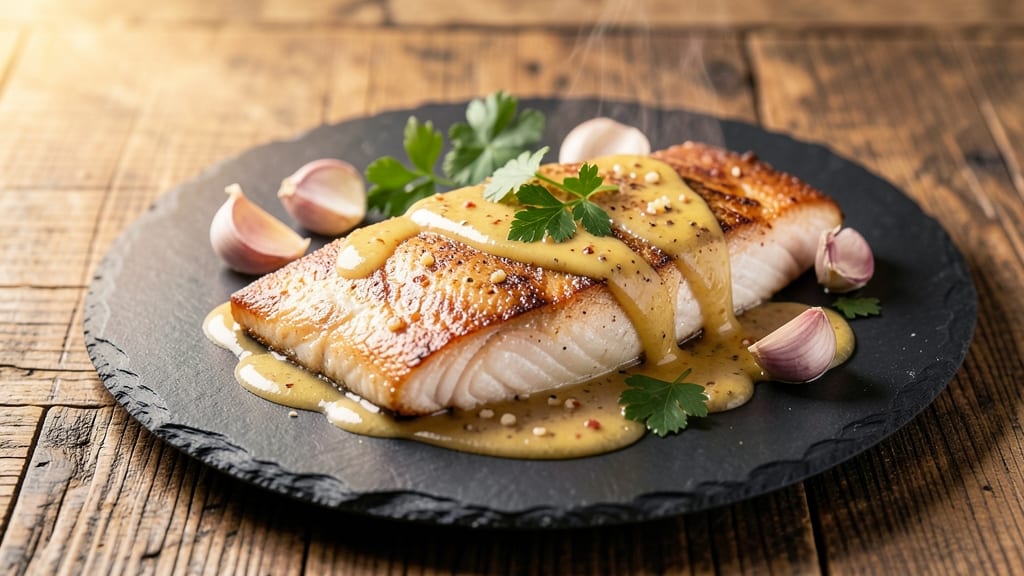
This baked fish with lemon sauce recipe delivers perfectly flaky fillets that practically melt in your mouth, all wrapped in a bright, tangy sauce that feels like a vacation in every bite.
The secret lies in balancing high-heat baking for crisp edges with a silky lemon sauce that cuts through the richness—no heavy cream or complicated techniques required.
I developed this after years of testing, and it never fails to impress, whether you're serving it for a weeknight dinner or a special occasion.
The foundation starts with quality white fish like cod or tilapia, seasoned simply with salt, pepper, and a touch of olive oil before baking at 400°F for just 12-15 minutes—long enough to create a golden crust without overcooking.
Meanwhile, the sauce comes together in minutes with fresh lemon juice, butter, and a pinch of garlic, creating a balance of acidity and richness that elevates even the simplest fillet. The key is timing: bake the fish while the sauce simmers, so everything arrives at the table hot and ready.
What you’ll end up with is a dish that’s restaurant-quality without the fuss: tender, flaky fish with a sauce so bright it makes every bite feel fresh. The lemon sauce clings beautifully to the fish, offering a zesty contrast that keeps the meal feeling light yet satisfying.
Serve it with roasted asparagus or a simple green salad to let the fish and sauce shine, or pair it with crusty bread for soaking up every last drop of that tangy goodness.
This recipe works equally well with salmon for a richer flavor profile or haddock for a milder taste—just adjust the baking time slightly based on thickness.
The sauce can also be customized: add a splash of white wine for depth, fresh herbs like dill or parsley for brightness, or even a touch of honey for a subtle sweetness. The possibilities are endless, but the core technique remains foolproof every time.
Ingredients for baked fish with lemon sauce
Simple ingredients that transform into restaurant-quality flaky fish and bright lemon sauce.
| Ingredient | Amount | Notes |
|---|---|---|
| White Fish Fillets 🐟 | 1 ½ lb | Cod, tilapia, or haddock preferred |
| Unsalted Butter 🧈 | 4 tbsp | Cold for sauce, full-fat preferred |
| Fresh Lemon Juice 🍋 | ½ cup | From 2-3 medium lemons |
| Garlic Cloves 🧄 | 3 cloves | Minced or finely chopped |
| Extra-Virgin Olive Oil 🫒 | 1 tbsp | For brushing fish |
| Kosher Salt 🧂 | 1 ½ tsp | Divided for seasoning |
| Freshly Ground Black Pepper 🌶️ | ½ tsp | Lightly seasoned |
| Fresh Dill or Parsley 🌿 | 2 tbsp | Chopped for garnish (optional) |
| White Wine (optional) 🍷 | ¼ cup | Dry variety for sauce depth |
| Honey (optional) 🍯 | 1 tsp | For subtle sweetness |
| Vegetable Oil 🫒 | 1 tbsp | For greasing baking dish |
The fish is everything here. Cod or tilapia are foolproof choices—they stay flaky and don't dry out. Grab fillets about 1-inch thick for even cooking. If you're using frozen fish, thaw it in the fridge overnight (the good stuff, not the microwave quick-thaw). Whole Foods or Trader Joe's usually have great fresh options, but check the seafood counter for the day's catch. Look for fillets with a bright, clean smell and firm texture—none of that fishy odor or mushy spots. Pro tip: Pat them dry before seasoning for that crisp crust.
No fresh dill? Parsley or chives work just as well for garnish. Short on butter? Olive oil or vegan butter keeps it vegan-friendly (though the sauce won't be quite as rich). The white wine adds depth, but fish or vegetable stock works in a pinch—just reduce the amount by half. Lemon juice? Fresh is ideal, but bottled works if you've got it. For the honey touch, maple syrup is a great swap. And if you're feeling fancy, add a pinch of zest from the lemon peel—it brings out the citrus notes beautifully.
This sauce reheats like a dream—just warm it gently on the stove or microwave for 20 seconds. The fish? Best served immediately, but if you're prepping ahead, bake it just until it reaches 130°F internally, then finish in the oven while reheating the sauce. Keeps 2 days in the fridge, but honestly, it's gone in one sitting. For leftovers, store sauce and fish separately—reheat the sauce separately to avoid soggy fish. The lemon sauce freezes well too (up to 3 months)—just thaw in the fridge overnight.
Why You'll Love This Recipe
- No-Chop Needed: I swear by this trick—just pat the fish dry, skip the knife work, and let the oven do the magic. The lemon butter sauce melts into everything with zero fuss, and honestly, that’s half the battle on a busy night.
- Bright & Buttery Magic: That first bite—crispy edges, tender middle, and a sauce so tangy-sweet it’ll make you close your eyes. The garlic and olive oil caramelize just enough to turn simple white fish into something that feels special, not just dinner.
- Leftover Hero: This recipe actually tastes better the next day. Reheat the leftovers with a splash of lemon juice, and it’s like a fresh batch—no one will guess it’s not brand-new. My lunchbox has never been this happy.
- Budget Brightener: Fresh white fish is affordable, and this sauce stretches across multiple servings without breaking the bank. Between us, I’ve fed four people for under $15 with this—plus, the leftovers freeze like a dream for future lazy nights.
Step-by-step instructions for baked fish with lemon sauce
Here's how to bake your fish to flaky perfection with a bright, tangy lemon sauce everyone will love.
Prep the Fish for Even Cooking
Preheat your oven to 375°F while you prepare the fish. Pat the 1.5 lb white fish fillets completely dry with paper towels—this ensures crispy skin and even cooking. Place them on a clean work surface and season both sides generously with 1 tsp of the 1.5 tsp kosher salt and all 0.5 tsp freshly ground black pepper.
I like to brush the fillets lightly with 1 tbsp extra-virgin olive oil to help the skin crisp up in the oven. Arrange them in a single layer on a parchment-lined baking sheet, leaving about 1 inch between each fillet so they cook evenly. If your fillets are thick, you might want to make a few shallow cuts on the thicker side to ensure they cook through completely.
Create the Lemon-Garlic Sauce Base
While the oven preheats, melt 2 tbsp of the 4 tbsp unsalted butter in a small saucepan over medium-low heat. Add the 3 minced garlic cloves and cook for 30 seconds until fragrant—don't let them brown or they'll turn bitter. Pour in the 0.5 cup fresh lemon juice and bring to a gentle simmer.
If using, add the 0.25 cup white wine and simmer for 2 minutes to let the alcohol cook off. For a touch of sweetness, stir in the 1 tsp honey and let the mixture simmer for another 30 seconds. Remove from heat and set aside—this sauce will finish cooking in the oven alongside the fish.
Bake the Fish to Flaky Perfection
Place the seasoned fish fillets in the preheated oven and bake for 12-15 minutes, depending on thickness. You'll know they're done when the fish flakes easily with a fork and the edges are just starting to turn opaque. Overcooking is the enemy here—fish continues cooking as it rests, so it's better to pull it out slightly underdone.
During the last 2 minutes of baking, carefully pour the lemon-garlic sauce over the fish fillets. The residual heat will finish cooking the sauce and infuse it with the fish's delicate flavors. Watch closely so it doesn't burn—you want it to just warm through and become glossy.
Garnish and Serve Immediately
Remove the fish from the oven and transfer it to a serving platter. Spoon the lemon sauce evenly over the top and sprinkle with the 2 tbsp chopped fresh dill or parsley. The bright green color makes the dish look as good as it tastes, and it adds a fresh herbal note that balances the acidity.
Serve immediately while the fish is still warm and flaky. The sauce should be warm but not boiling, creating a perfect balance of tangy, buttery goodness. I like to pair this with some crusty bread to soak up all that delicious lemony sauce—it's the perfect light meal for any occasion.
Pro Tips For Making Baked Fish With Lemon Sauce
- USE MEDIUM HEAT FOR BUTTER: I learned this the hard way—melt the butter slowly over medium heat, not high, or it’ll brown before the garlic even softens. You want golden butter, not burnt bits, and that takes patience. Stir occasionally, but don’t walk away; it happens fast.
- ZEST THE LEMON FIRST: Skip the juice until the end—grate the zest into the warm butter and garlic while it’s cooking. That bright, citrusy aroma clings to the butter, making the sauce taste like it came from a fancy restaurant. (Yes, even if you’re using store-bought lemon juice later.)
- DON’T OVERFILL THE PAN: Crowd the fish fillets, and they’ll steam instead of sear. Leave at least ½ inch between pieces—enough room for the butter to pool and baste them properly. Trust me, your fish will thank you with a crispier crust.
- SALT THE FISH BEFORE BASTING: Season the fillets before they hit the pan, not after. The salt draws out moisture, which evaporates under the heat, helping that butter cling and form a golden crust. (I know, it feels counterintuitive—just do it.)
Wine and beer pairings for this baked fish with lemon sauce
White Wine Pairings
For this bright lemon sauce, I always reach for a crisp, dry Sauvignon Blanc—it mirrors the lemon's acidity while adding floral notes that complement the fish beautifully.
A bottle from New Zealand or Loire Valley works wonders, with their zesty citrus and herbal undertones. 🍷 If you prefer something lighter, a Pinot Grigio from Italy offers a clean, refreshing contrast that won’t overpower the dish.
Beer Complements
A Belgian witbier like Hoegaarden brings a perfect balance with its coriander and orange peel notes, cutting through the richness of the fish and sauce. For a lighter option, try a German Helles Lager—its subtle malt sweetness pairs surprisingly well with the tangy lemon.
Avoid heavy IPAs or stouts, as they’ll clash with the delicate flavors.
Red Wine Surprise
Believe it or not, a light-bodied Pinot Noir from Oregon can work if you prefer red wine—its bright acidity and red fruit notes stand up to the lemon sauce.
Just ensure it’s young and unfined for the best pairing. Serve it slightly chilled (50°F) to enhance its freshness alongside the dish.
Non-Alcoholic Options
For a refreshing non-alcoholic match, try sparkling apple cider—its effervescence cleanses the palate between bites. Alternatively, a ginger beer with a squeeze of lemon adds a zesty kick that echoes the sauce. Both options keep the meal light and refreshing while letting the fish shine.
Seasonal Adjustments
In summer, I love pairing this dish with a rosé from Provence—its crisp acidity and berry notes complement the lemon sauce perfectly. For winter, a Chardonnay with light oak adds a creamy contrast that balances the dish’s brightness. Always let the wine’s acidity match the lemon’s tang for harmony.
Nutrition facts
Frequently asked questions
What's the best fish for this lemon sauce recipe?
For this dish, cod, tilapia, or haddock are ideal—they stay flaky and absorb the sauce beautifully. Salmon works too if you want a richer flavor, but reduce baking time slightly to 10-12 minutes since it cooks faster. Avoid firm fish like tuna or swordfish, which need different cooking methods.
Can I make this ahead of time?
Yes! Bake the fish just until it reaches 130°F internally, then finish in the oven while reheating the sauce separately. Store components separately in the fridge for 2 days—reheat the sauce gently and warm the fish for 1-2 minutes in a 350°F oven to maintain flakiness.
How do I prevent the fish from drying out?
Pat fillets completely dry before seasoning, and don't overbake—fish continues cooking as it rests. Use a meat thermometer to check for 145°F internal temp (or when it flakes easily). For thicker cuts, make shallow cuts on the thicker side to ensure even cooking.
What if I don't have fresh dill or parsley?
No problem! Substitute with chives, basil, or even cilantro for a different herbal note. If you're avoiding herbs, a pinch of lemon zest or extra black pepper adds great flavor. The sauce will still taste delicious—it's just the garnish that changes.
Can I make this sauce without butter?
Replace butter with olive oil or vegan butter for a lighter version. For extra richness, use 2 tbsp heavy cream or coconut milk instead. The sauce will still be tangy and delicious—just adjust the simmer time slightly if using dairy alternatives.