
Sauces & Condiments
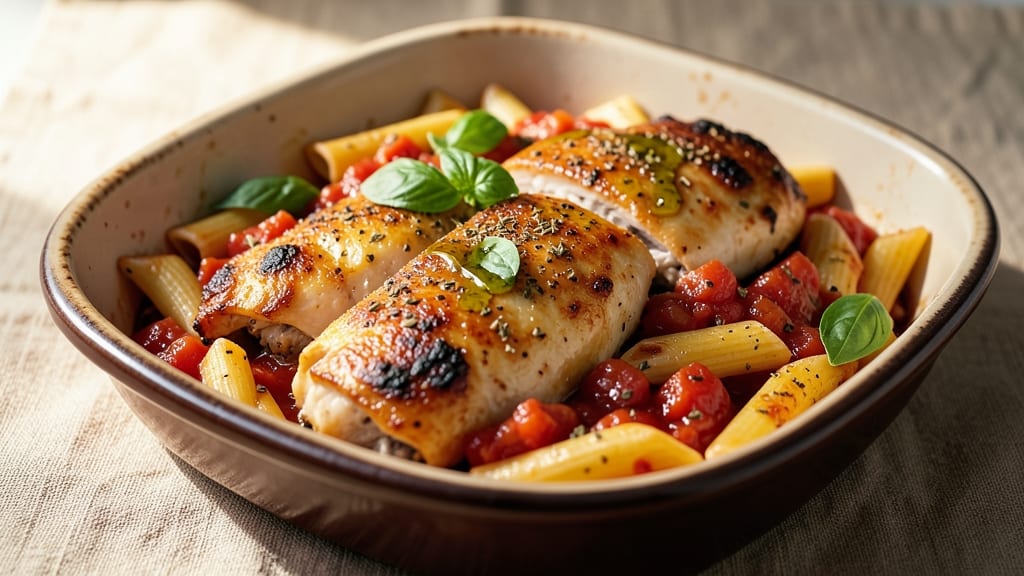
Baked chicken with pasta sauce transforms weeknight dinners into restaurant-quality meals without the fuss. This one-pan recipe combines juicy baked chicken with rich, flavorful pasta sauce—all ready in just 35 minutes. The secret lies in balancing tender chicken with a sauce that clings perfectly, creating a dish that’s both satisfying and effortless.
Start with seasoned chicken thighs or breasts baked until golden and juicy, then simmer them in a simple yet robust pasta sauce made with crushed tomatoes, garlic, and herbs.
The sauce thickens beautifully while the chicken cooks, ensuring every bite is packed with flavor. This method eliminates extra pots and pans, making it ideal for busy evenings.
What you’ll end up with is perfectly cooked chicken bathed in a velvety sauce that’s ready to be served over your choice of pasta—think penne, spaghetti, or fettuccine. The dish is hearty enough for a family dinner but simple enough for a quick weeknight meal.
Serve with garlic bread or a fresh salad for a complete, satisfying plate.
This recipe is designed to be flexible, so feel free to adjust the sauce to your taste—add cream for richness, extra herbs for brightness, or a splash of wine for depth.
The key is letting the sauce simmer while the chicken bakes, ensuring maximum flavor with minimal effort. Let’s get cooking!
Ingredients for baked chicken with pasta sauce
Here's what you need for a restaurant-quality one-pan chicken dinner with rich pasta sauce.
| Ingredient | Amount | Notes |
|---|---|---|
| Boneless, Skinless Chicken Thighs 🍗 | 1 ½ lb | Cut into even-sized pieces |
| Crushed Tomatoes (40 oz can) 🍅 | 1 can | San Marzano preferred |
| Garlic Cloves 🧄 | 4 cloves | Minced for even distribution |
| Extra-Virgin Olive Oil 🫒 | ½ cup | For richness and moisture |
| Dried Oregano 🌿 | 1 tbsp | Italian blend preferred |
| Dried Basil 🌿 | 1 tsp | Or 0.25 cup fresh basil |
| Salt 🧂 | 1 ½ tsp | Diamond Crystal preferred |
| Black Pepper 🌶️ | ½ tsp | Freshly ground preferred |
| Red Pepper Flakes 🔥 | ½ tsp | Adjust for heat preference |
| Heavy Cream (optional) 🥛 | ¼ cup | For extra richness |
| Penne Pasta 🍝 | 12 oz | Or spaghetti/fettuccine |
| Fresh Parsley 🌿 | ¼ cup | Chopped for garnish |
The chicken thighs are the star here—bone-in, skin-on stays juicier than breasts, but boneless works too. Trader Joe's and Whole Foods carry pre-cut thighs in the meat section, saving prep time. Look for pieces with good marbling—they'll stay moist during baking. If using breasts, pound them to even thickness (about 0.5 inch) for consistent cooking. The crushed tomatoes make all the difference: San Marzano has the best flavor, but any high-quality canned tomatoes work in a pinch.
No San Marzano tomatoes? Any crushed tomatoes will do—just drain off excess liquid if your sauce gets too watery. Want more depth? Add a splash of red wine or chicken broth to the sauce. Fresh basil is ideal, but dried works at one-third the amount. The optional heavy cream adds richness—skip it for a lighter sauce. For extra flavor, toast the garlic and dried oregano in the olive oil for 30 seconds before adding other ingredients. The pasta can be cooked separately or added directly to the pan during the final 8 minutes of baking for a one-pan meal.
Prep the chicken and sauce ingredients ahead—everything stays fresh for 3 days in the fridge. The sauce actually tastes better the next day as flavors meld. For meal prep, cook the pasta separately and store it in a container with a splash of olive oil to prevent sticking. Reheat the sauce and chicken together, adding a splash of water if it thickens too much. Leftovers keep for 4 days in the fridge or 3 months frozen. Portion into single servings for easy reheating.
Why You'll Love This Recipe
- One-Pan Magic: Honestly, I swear by this recipe when I’m too tired to scrub pots. Toss the chicken thighs and crushed tomatoes right on a sheet pan, add the garlic and olive oil, and bake—no extra dishes. The oregano blends right into the sauce, so you don’t even notice it’s not stirred.
- Deep, Garlicky Love: That 40 oz can of tomatoes? It’s the secret weapon. The crushed texture clings to the chicken while the garlic infuses everything—no need to chop finely, just smash a few cloves and let the oven work its magic. The result? A sauce so rich it’ll make you forget takeout exists.
- Leftover Hero: Between us, this is my go-to for busy weeks. I make a double batch on Sunday, and by Wednesday, I’m still eating it cold with crusty bread. The chicken stays juicy, the sauce thickens just right, and honestly? It tastes better the next day.
- Budget-Friendly Feast: Skinless thighs and a giant can of tomatoes keep this recipe from breaking the bank, but it still feels like a restaurant dish. I’ll be real: my kids don’t even ask for nuggets when this is on the table. Plus, the olive oil and oregano stretch the flavor so well—no wasted ingredients here.
Step-by-step instructions for baked chicken with pasta sauce
Here's how to create a flavorful one-pan meal with tender chicken and rich tomato sauce.
Prep the Chicken and Pasta
Preheat your oven to 375°F. Cut the 1.5 lb boneless, skinless chicken thighs into even-sized pieces, about 1-inch cubes. This ensures they cook uniformly and absorb the sauce well. While the oven heats, break the 12 oz penne pasta in half to fit more comfortably in your baking dish.
In a large bowl, toss the chicken pieces with 0.5 cup extra-virgin olive oil, 1.5 tsp salt, 0.5 tsp black pepper, 1 tbsp dried oregano, 1 tsp dried basil, and 0.5 tsp red pepper flakes. Make sure every piece is well-coated—this creates a flavorful crust that locks in moisture during baking.
Layer the Pasta and Sauce
In a deep 9x13-inch baking dish, arrange half of the pasta pieces in a single layer. Pour the 1 can crushed tomatoes evenly over the pasta, pressing down gently to help it distribute. This step ensures the pasta absorbs the sauce as it bakes, rather than sitting dry at the bottom.
Add the seasoned chicken pieces on top of the tomatoes, spreading them out evenly. Then, layer the remaining pasta pieces over the chicken. The pasta will soften as it bakes, but the high heat ensures it cooks through without becoming mushy.
Bake Until Tender and Saucy
Cover the baking dish tightly with aluminum foil and bake for 25 minutes. This initial covered baking time allows the chicken to cook through while the pasta begins to soften. After 25 minutes, remove the foil and bake for another 10-15 minutes until the sauce thickens and the chicken reaches an internal temperature of 165°F.
You'll know it's ready when the sauce has reduced slightly and the edges are bubbling. If the sauce looks too thick, add 2-3 tablespoons of water and stir gently to loosen it. The pasta should be tender but still hold its shape—it will finish cooking in the residual heat.
Finish with Fresh Herbs and Optional Cream
Remove the dish from the oven and stir in the 0.25 cup fresh parsley. This adds a bright, fresh contrast to the rich tomato sauce. If you're using the 0.25 cup heavy cream, stir it in now to add a velvety texture. Let the dish sit covered for 5 minutes to allow the flavors to meld.
Serve immediately, spooning the sauce over the pasta and chicken. The sauce should coat everything evenly, with a balance of tangy tomatoes, herby notes, and a touch of spice. The chicken should be juicy and tender, with a slight crispness from the initial baking.
Pro Tips For Making Baked Chicken With Pasta Sauce
- SEAR THIGHS FIRST: Skip the "bake straight from cold" trap—pat the chicken thighs dry, then hit them with 2 tablespoons of olive oil in a hot skillet (425°F) for 3-4 minutes per side until golden. The crust locks in flavor and keeps them from drying out later when they finish in the sauce.
- SMASH GARLIC: I used to mince garlic for this sauce and wondered why it never hit the same depth. Now I smash 4-5 cloves with the flat side of a knife in the pan before adding oil—it releases more aroma and caramelizes faster. (Yes, even if you’re impatient like me.)
- STIR THE SAUCE: After dumping in the crushed tomatoes, give the sauce a quick stir before adding the chicken. The oil and garlic settle at the bottom, and if you don’t mix it, you’ll end up with a few bites of raw garlic in every mouthful. Takes 10 seconds but makes a real difference.
- COVER IT HALFWAY: The sauce will reduce fast, but don’t let the chicken dry out. After 20 minutes of baking, tent the pan with foil for the last 10—just enough to slow evaporation without steaming the sauce into oblivion. (Your future self will thank you.)
Essential equipment for perfect results
Your Baking Dish
You’ll need a deep 9x13-inch baking dish—this size gives you enough room for even heat distribution while keeping the pasta and chicken in close contact with the sauce. I recommend Ozeri Harvest or Pyrex dishes—they’re durable and handle high oven temperatures without warping.
If you don’t have one, a heavy-duty glass or ceramic dish works too, but avoid thin metal pans that can cause uneven cooking. 🍽️
Measuring Tools
Precision matters with this recipe, so grab a stainless steel measuring spoons set (like OXO Good Grips) for your herbs and spices. For the olive oil, a liquid measuring cup ensures you get the exact 0.5 cup needed.
A kitchen scale is optional but helpful if you want to measure the chicken in grams—this ensures consistent sizing for even cooking.
Mixing Bowls
Use a large mixing bowl (at least 3-quart capacity) to toss the chicken with its seasonings. A stainless steel bowl works best because it won’t absorb flavors like plastic. I like Farberware Classic Stainless Steel bowls—they’re sturdy and easy to clean.
If you’re short on space, a deep oven-safe skillet can double as your mixing bowl and baking dish for a true one-pan meal.
Tongs for Tossing
Tongs are essential for evenly coating the chicken in the seasoning mix. Look for long-handled, heat-resistant tongs (like JYF Silicone Tongs) to avoid burning your hands. They’re also great for flipping the chicken in the baking dish if needed. Avoid wooden spoons—they can splinter when exposed to high heat.
Aluminum Foil
Heavy-duty aluminum foil (like Reynolds Wrap) is a must for covering the dish during the initial 25 minutes of baking. It traps steam, helping the chicken cook through while keeping the pasta from drying out.
If you’re worried about sticking, lightly grease the foil with olive oil before folding it over the dish. 🌟
Meat Thermometer
A meat thermometer is the only way to guarantee perfectly cooked chicken—aim for an internal temperature of 165°F. I swear by the ThermoWorks Smoke for its accuracy and durability. Insert the probe into the thickest part of the chicken to avoid overcooking.
If you don’t have one, use the finger test: press the chicken gently—it should feel firm but still yield slightly.
Nutrition facts
Frequently asked questions
Can I use chicken breasts instead of thighs?
Yes, but with extra care! Chicken breasts cook faster and dry out more easily. Pound them to ½-inch thickness and bake at 350°F instead of 375°F to prevent overcooking. Add 10 minutes to the baking time and check the internal temp with a thermometer—it needs to reach 165°F. For extra moisture, marinate the breasts in 0.25 cup olive oil and lemon juice for 30 minutes before baking.
How do I adjust the sauce for a creamier texture?
For a richer sauce, stir in ½ cup heavy cream or whole milk during the last 5 minutes of baking. If you prefer a lighter option, swap the heavy cream for ½ cup chicken broth and add 1 tbsp cornstarch mixed with 1 tbsp water to thicken. For a tangy twist, add 2 tbsp grated Parmesan cheese at the end. Always let the sauce simmer uncovered for 2-3 minutes after adding liquids to blend flavors.
What pasta shapes work best with this recipe?
Short, sturdy pastas like penne, rigatoni, or fusilli hold up best to baking and sauce absorption. For delicate shapes (e.g., angel hair or farfalle), cook them separately and toss with the sauce at the end to prevent overcooking. If you love spaghetti, break it into 2-inch pieces and layer it carefully—it may need 5 extra minutes uncovered at the end to crisp slightly.
Why did my chicken turn out dry?
Overcooking is the most common cause—always use a meat thermometer to hit 165°F! If you skipped the foil cover, the chicken may have dried out. For juicier results, brine the chicken for 30 minutes in ¼ cup salt dissolved in 4 cups cold water before seasoning. Another trick: Add 2 tbsp water or broth to the baking dish during the final 10 minutes to create steam. Let the dish rest 5 minutes before serving to redistribute juices.
Can I make this ahead of time?
Assemble the dish (without baking) up to 24 hours ahead and refrigerate uncovered. When ready to bake, add 10 minutes to the cooking time. For freezer prep, bake the dish, then cool completely and store in airtight containers for up to 3 months. Reheat in the oven at 350°F for 15-20 minutes, adding 2 tbsp water if the sauce thickens too much.