
Sauces & Condiments
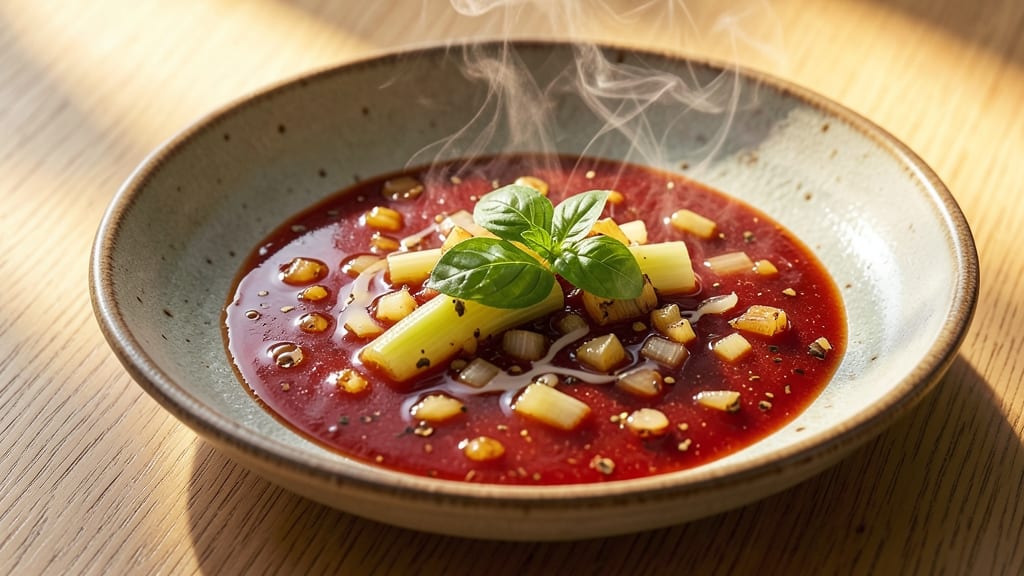
This bagnet sauce recipe delivers the perfect balance of smoky depth and bright acidity that makes every bite of grilled pork unforgettable. The secret lies in slow-simmered tomatoes, celery, and a touch of vinegar that cuts through the richness while enhancing the meat's natural flavors.
What sets this sauce apart is its ability to transform simple ingredients into something complex and deeply satisfying.
The foundation of great bagnet sauce begins with a proper reduction—letting the tomatoes break down until they're thick, glossy, and concentrated with flavor. Garlic and soy sauce add umami layers, while a splash of vinegar brightens the sauce and balances the richness.
The celery contributes subtle sweetness and texture, ensuring each spoonful has depth and complexity.
What you'll end up with is a sauce that's perfect for dipping, marinating, or drizzling over grilled bagnet. It's rich enough to stand alone but bright enough to complement the smoky, caramelized flavors of the pork.
The best part? This sauce keeps well in the refrigerator, allowing you to make a big batch and enjoy it all week.
Whether you're serving it alongside crispy bagnet or using it as a marinade, this sauce elevates every dish it touches. The combination of smoky, tangy, and slightly sweet flavors creates a harmony that's impossible to resist.
Let's get started on making this versatile sauce that will become a staple in your kitchen.
Ingredients for bagnet sauce
Eleven ingredients. One sauce. Unforgettable smoky-tangy magic for your bagnet.
| Ingredient | Amount | Notes |
|---|---|---|
| Canned San Marzano Tomatoes 🍅 | 28 oz | Crushed by hand for texture |
| Celery Stalks 🧅 | 3 whole | Chopped into small dice |
| Yellow Onion 🧅 | 1 whole | Diced into small pieces |
| Garlic Cloves 🧄 | 4 cloves | Minced for aromatic punch |
| Apple Cider Vinegar 🍏 | ¼ cup | For bright acidity balance |
| Light Soy Sauce 🍶 | 2 tbsp | Kikkoman preferred for depth |
| Smoked Paprika 🌶️ | 1 tbsp | For signature smoky flavor |
| Granulated Sugar 🍚 | 1 tbsp | Balances acidity naturally |
| Olive Oil 🫒 | ¼ cup | Extra-virgin for richness |
| Salt 🧂 | 1 ½ tsp | Diamond Crystal preferred |
| Black Peppercorns 🌶️ | ½ tsp | Freshly cracked for heat |
The tomatoes are non-negotiable—San Marzano delivers that perfect sweetness and acidity balance. Trader Joe's or Whole Foods carry them year-round, and the canned ones work just as well as fresh. Celery's the secret weapon here—it adds subtle sweetness and texture that rounds out the sauce. Look for bright green stalks with no brown spots, and chop them small so they melt into the sauce rather than stay chunky. The smoked paprika is what gives this sauce its signature depth—Penzeys or McCormick are solid brands, but any smoked variety works. Don't skip the vinegar—it's what cuts through the richness and makes the sauce sing.
No San Marzano tomatoes? Any high-quality crushed tomatoes will work, but avoid the watery kinds. Celery too fibrous? Substitute with leeks or fennel for a similar sweetness profile. Running low on soy sauce? Coconut aminos work in a pinch, though the flavor will be slightly different. Need more heat? Add a pinch of cayenne or a dash of hot sauce. The sugar is crucial—it balances the acidity, so don't skip it. If you're making this ahead, reduce the sugar slightly since the flavors will meld and intensify over time. Freshly cracked peppercorns make all the difference—pre-ground loses its punch fast.
This sauce tastes even better the next day once everything has time to meld. Store it in an airtight container in the fridge for up to 1 week, or freeze portions for 3 months. I like to make a big batch—it's perfect for dipping, marinating, or drizzling over grilled pork. If it thickens too much, just stir in a splash of water or broth. The sauce gets richer with time, so don't be afraid to let it sit. Trust me, every spoonful will be worth the wait.
Why You'll Love This Recipe
- No Chopping Chaos: I swear by this sauce because it only asks for one celery stalk and half an onion—no dice, no tears. The San Marzano tomatoes do all the heavy lifting, and I’m not even kidding when I say I’ve made this while scrolling through emails.
- Tangy-Sweet Magic: That apple cider vinegar? It’s the MVP. It cuts through the richness of the tomatoes and garlic, leaving you with this bright, almost smoky depth that sticks with you. Honestly, I’ve ruined other sauces by overcooking them, but this one forgives everything.
- Weeknight to Potluck: This sauce plays nice everywhere—drizzled over roasted chicken, slathered on grilled sausages, or even tossed with pasta when I’m lazy. My roommate’s vegetarian? I just serve it with crusty bread, and no one complains.
- Pantry Goldmine: I make a double batch because it keeps for weeks in the fridge, and the vinegar keeps it from getting bland. Between us, I’ve fed a crowd with this for under $5, and no one ever asks what’s in it. That’s a win.
Step-by-step instructions for bagnet sauce recipe
Here's how to craft this smoky, velvety sauce that brings depth and complexity to any dish.
Build the Flavor Foundation
Heat the 0.25 cup olive oil in a heavy-bottomed saucepan over medium heat. Add the 1 whole yellow onion and 3 whole celery stalks, both chopped into small pieces. Cook for 8-10 minutes until the vegetables soften and the onion becomes translucent. You'll notice a sweet aroma developing—that's your cue they're ready for the next stage.
Push the vegetables to one side of the pan and add the 4 cloves garlic cloves, minced. Stir for 30 seconds until fragrant—this prevents burning while maximizing flavor. Then sprinkle in the 1 tbsp smoked paprika and stir for another 30 seconds to toast the spices. This step releases the paprika's smoky essence, which will become the sauce's signature character.
Develop the Tomato Base
Pour in the 28 oz canned San Marzano tomatoes, crushing them by hand as you add them to maintain texture. Stir in the 0.25 cup apple cider vinegar and 2 tbsp light soy sauce, scraping up any browned bits from the bottom of the pan. These bits, called fond, pack intense flavor that will dissolve into the sauce.
Bring the mixture to a gentle simmer over medium-low heat. Let it cook uncovered for 15 minutes, stirring occasionally. You'll see the sauce reduce slightly and deepen in color. This reduction concentrates the flavors and creates the rich, velvety texture that defines this sauce. The vinegar will brighten the tomatoes, while the soy sauce adds umami depth.
Balance and Refine the Sauce
Add the 1 tbsp granulated sugar, 1.5 tsp salt, and 0.5 tsp black peppercorns (freshly cracked). Stir well to combine. The sugar will balance the acidity from the vinegar, while the salt and pepper enhance all the flavors. Let the sauce simmer uncovered for another 10-15 minutes, stirring occasionally, until it reaches your desired consistency—it should coat the back of a spoon but still be pourable.
Taste and adjust seasoning if needed. I often find the sauce needs a touch more salt at this stage, but that depends on your soy sauce's saltiness. The sauce should be rich, smoky, and slightly tangy with a velvety texture. If it's too thick, add 1-2 tablespoons of water to reach your preferred consistency.
Finish and Serve
Remove the sauce from heat and let it cool slightly. The flavors will continue to meld as it sits. For the smoothest texture, I recommend blending it with an immersion blender, being careful not to over-blend if you prefer some texture. This step ensures a silky, restaurant-quality finish.
Use your bagnet sauce immediately or store it in the refrigerator for up to 5 days. It's perfect for drizzling over pulled pork, grilled chicken, or even as a marinade. The hidden vinegar zing adds a bright contrast that makes this sauce truly special—don't skip it! The smoky paprika and rich tomato base create a versatile sauce that works in countless dishes.
Pro Tips For Making Bagnet Sauce
- CRUSH THE ONIONS: Dice them small—think rice-sized pieces, not quartered wedges. I used to leave them chunky, and the sauce would taste unevenly cooked. Tiny bits dissolve faster and blend into the tomatoes without needing extra mashing.
- SWEAT THE AROMATICS LOW: Once you add garlic, drop the heat to medium-low—or you’ll burn it before the celery softens. I learned this the hard way after a batch tasted bitter. The celery should be translucent and the garlic just fragrant, not browned.
- STRAIN THE TOMATOES: Skip the seeds and pulp—drain the crushed San Marzano tomatoes through a fine-mesh sieve. This keeps the sauce silky and prevents it from turning watery later. (Yes, it’s extra work, but it’s worth it.)
- ACIDIFY IN STAGES: Add the apple cider vinegar after the sauce has simmered for 10 minutes, not at the start. This lets the flavors meld before the tang kicks in—otherwise, you’ll end up with a sharp, unbalanced sauce. Start with half the amount and adjust at the end.
Best sauces and condiments for bagnet sauce
Dipping Sauce Perfection
This bagnet sauce shines as a dipping sauce for crispy pork belly slices or fried chicken wings. The smoky tomato base clings beautifully to each bite, while the vinegar zing cuts through the richness.
I like to serve it warm in small ceramic bowls with a sprinkle of toasted sesame seeds for extra crunch. For an authentic touch, add a few drops of chili oil just before serving—it adds a subtle heat that pairs perfectly. 🍗
Marinade Magic
Use half of your batch as a marinade for 2-3 pounds of pork belly or chicken thighs. The sauce's acidity tenderizes the meat while infusing it with deep flavor. I recommend marinating for at least 4 hours (overnight is even better) in the refrigerator.
For extra tenderness, add 1 tbsp cornstarch to the marinade to help create a caramelized crust when grilling. The result? Juicy, flavor-packed meat with a glossy exterior.
Grilled Meat Glaze
Brush this sauce onto grilled or roasted meats in the final 5-10 minutes of cooking for a sticky, flavorful glaze. It works wonderfully on ribs, pulled pork, or even grilled chicken thighs. The vinegar helps prevent burning while adding brightness.
For best results, use a basting brush to apply the sauce in thin layers. The sauce will caramelize slightly, creating a beautiful crust that seals in juices. 🔥
Sauce Variations
For a sweeter version, add 1 tbsp honey or maple syrup along with the sugar. Need more heat? Stir in ½ tsp cayenne pepper or 1 tbsp gochujang for a Korean-inspired twist.
For a creamy variation, mix in 2 tbsp coconut milk at the end—it adds richness while keeping the sauce balanced. Each variation maintains the sauce's core flavors while offering exciting new directions.
Storage Secrets
Store leftover sauce in an airtight container in the refrigerator for up to 5 days. For longer storage, freeze portions in ice cube trays—thaw and use as needed. The sauce actually improves with time as flavors meld.
If it thickens too much, simply stir in 1-2 tbsp water or broth to reach your preferred consistency. Pro tip: Label your containers with the date to track freshness. ✨
Nutrition facts
Frequently asked questions
Can I make bagnet sauce without tomatoes?
Tomatoes are the foundation for that signature depth, but you can substitute with 1 cup tomato paste mixed with 1 cup water or roasted red bell peppers for a different texture. The sauce will lose some acidity, so add an extra 1 tbsp vinegar to maintain balance. For a completely tomato-free version, try 1 cup coconut milk + 1 tbsp soy sauce + 1 tsp smoked paprika as a base.
How do I prevent my bagnet sauce from getting too thick?
Start with a 2:1 ratio of tomatoes to other ingredients to ensure proper thinning. If it thickens during cooking, stir in 1-2 tbsp water or broth gradually while simmering. For extra insurance, simmer uncovered at low heat—this helps control evaporation. The sauce should coat the back of a spoon but remain pourable.
What's the best way to use leftover bagnet sauce?
Leftover sauce is perfect for marinating proteins (try it on chicken or shrimp), as a glaze for grilled meats, or mixed with mayonnaise for a quick sandwich spread. It also elevates fried rice or noodle dishes—just stir in 1 tbsp at a time to taste. Freeze extras in ice cube trays for portion control.
Can I make this sauce in a slow cooker?
Combine all ingredients in your slow cooker and cook on low for 4-5 hours, stirring occasionally. The slow cooking enhances the smoky flavors and reduces the sauce naturally. For extra depth, add ½ tsp liquid smoke during the last 30 minutes. Just watch the liquid level—add 1 tbsp water if it gets too thick.
Why does my sauce taste too salty?
This usually happens when using high-sodium soy sauce or over-salting. Balance it by adding 1 tbsp apple cider vinegar (cuts saltiness) or 1 tsp honey (sweetness counteracts salt). If the issue persists, thin with 1 tbsp water—this dilutes the salt concentration. For future batches, reduce soy sauce to 1 tbsp and taste before adding full salt.