
Sauces & Condiments
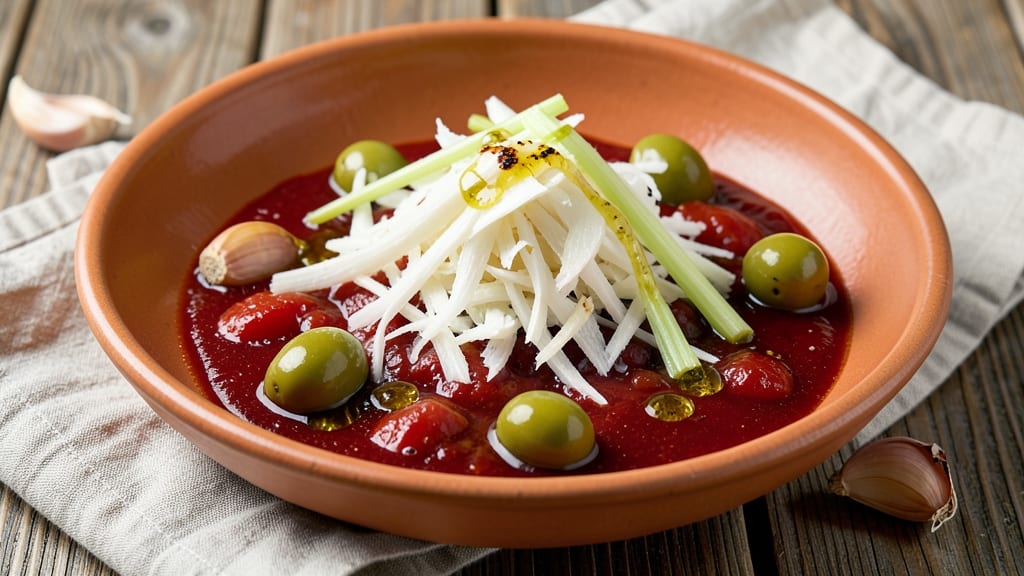
This baccala sauce recipe captures the briny, fermented essence of Sicilian tradition in every spoonful—a perfect balance of garlic, olive oil, and preserved fish that transforms simple dishes into something extraordinary.
The key lies in slow simmering, where capers, olives, and chili meld with tomatoes and celery into a rich, aromatic paste that clings to pasta, fish, or crusty bread like a flavor bomb.
I developed this version after years of experimenting with regional variations, ensuring the sauce delivers that signature umami depth without overpowering the dish.
The beauty of baccala sauce is its versatility—it elevates grilled seafood, drizzles over al dente pasta, or even spreads on toasted bread with a sprinkle of parsley.
Traditional recipes rely on fermented cod (baccala), but this version uses a pantry-friendly shortcut with salted cod or anchovies for that unmistakable salty punch. The slow cooking process allows flavors to develop gradually, resulting in a sauce that’s both complex and approachable for home cooks.
What sets this recipe apart is the celery-crunch texture—finely chopped celery adds a subtle bite that cuts through the richness, while tomatoes provide a bright acidity. The garlic and olive oil base ensures the sauce stays silky smooth, perfect for drizzling or spooning.
Whether you're serving it alongside grilled branzino or tossing it with spaghetti, this sauce delivers restaurant-quality flavor with minimal effort.
For those new to baccala, don’t be intimidated by the fermented fish—its flavor is subtle when balanced properly. The secret is patience: letting the sauce simmer until the aromas deepen and the ingredients dissolve into a harmonious blend.
Once mastered, this sauce becomes a pantry staple that turns ordinary meals into something truly special.
Ingredients for baccala sauce
A pantry-friendly blend of preserved fish, aromatic vegetables, and Sicilian pantry staples creates this rich, umami-packed sauce.
| Ingredient | Amount | Notes |
|---|---|---|
| Salted Cod (Baccala) or Anchovy Fillets 🐟 | ½ lb | Soaked overnight to remove excess salt |
| Extra-Virgin Olive Oil 🫒 | ½ cup | High-quality, fruity variety preferred |
| Garlic Cloves 🧄 | 6 cloves | Freshly minced for maximum flavor |
| Celery Stalks 🧅 | 3 whole | Finely chopped for celery-crunch texture |
| Canned San Marzano Tomatoes 🍅 | 28 oz | Crushed by hand for authentic texture |
| Green Olives 🫒 | ½ cup | Pitted and roughly chopped |
| Capers 🫒 | 2 tbsp | Nonpareils for delicate briny flavor |
| Dried Chili Flakes 🌶️ | 1 tsp | Adjust for desired heat intensity |
| Fresh Parsley 🌿 | ¼ cup | Chopped finely for garnish and freshness |
| Red Wine Vinegar 🍷 | 1 tbsp | Brightens the sauce's acidity |
The salted cod or anchovies form the sauce's signature briny backbone. Soak the salted cod overnight to remove excess salt—this step is non-negotiable for proper balance. For anchovies, high-quality fillets from a trusted brand like Import Foods or Whole Foods Market ensure that authentic Sicilian flavor without fishy overtones. Celery and garlic should be freshly chopped—pre-cut celery loses its signature crunch. The San Marzano tomatoes are essential; their sweet acidity elevates the dish, and canning brands like Mutti or Cirillo available at specialty stores deliver superior quality. For the olives, Kalata or Manzanilla varieties from Mediterranean markets provide the best texture and flavor complexity.
No salted cod? Anchovy fillets or high-quality salt-packed anchovies work beautifully as a shortcut—just adjust the soaking time to 30 minutes. Substituting canned tomatoes? San Marzano is non-negotiable—regular brands lack the necessary sweetness. For the celery, frozen chopped celery works in a pinch, though fresh is ideal. The capers can be omitted entirely if you prefer a milder sauce, but they add that signature Sicilian tang. For extra richness, add a splash of white wine during cooking, though red wine vinegar provides the necessary acidity. If you can't find nonpareil capers, regular capers work at half the amount—just remove the stems.
This sauce develops flavor over time, so make a double batch—it tastes even better the next day. Store in an airtight container in the refrigerator for up to 5 days, or freeze for up to 3 months. The sauce thickens as it cools, so add a splash of water or olive oil before serving if needed. For serving, drizzle over grilled branzino or al dente spaghetti, or spread on toasted bread with a sprinkle of fresh parsley. The sauce also freezes beautifully, making it a perfect pantry staple for quick meals.
Why You'll Love This Recipe
- Salt Cure Shortcut: I swear by the canned baccala—no days of soaking, no fuss. Just tear, rinse, and toss into the pot. The salty depth builds naturally as it simmers, and honestly? That’s half the work done for you.
- Umami Bomb: Garlic and anchovies in olive oil? It’s like a flavor explosion waiting to happen. The tomatoes mellow it out just enough so it’s rich but never overpowering—every spoonful tastes like a hug from Nonna.
- Weeknight to Dinner Party: Same sauce, endless uses. Slap it over pasta for a Tuesday night, or drizzle it on grilled fish for guests. The celery adds a subtle crunch that makes it feel special, even when it’s just me and a lazy evening.
- Fridge Goldmine: This sauce only gets better after day two. The flavors meld into something deeper, and it’s cheap enough to stretch across three meals. I make a big batch, freeze half, and thank myself later when I’m not scrambling for dinner ideas.
Step-by-step instructions for Sicilian baccala sauce
Transforming salted cod into this vibrant, briny sauce requires patience and precision.
Prepare and Shred the Baccala
Begin by draining the soaked 0.5 lb salted cod (baccala) or anchovy fillets thoroughly, pressing between paper towels to remove excess moisture. This step is critical—the less water, the more concentrated the flavor will become in the sauce. Using a sharp knife or your hands, shred the baccala into fine, even pieces, discarding any large bones or skin fragments. The texture should resemble coarse sea salt crystals rather than fish flakes.
Place the shredded baccala in a small saucepan and cover with 1 cup cold water. Bring to a gentle simmer over medium-low heat and cook for 10-12 minutes until the fish completely breaks down into a creamy emulsion. This process extracts the deep, umami-rich essence of the baccala that will form the sauce's foundation. Strain through a fine-mesh sieve, pressing firmly with a wooden spoon to extract every last drop of liquid. Discard the solids—what remains is your flavor concentrate.
Build the Tomato-Celery Base
Heat the 0.5 cup extra-virgin olive oil in a large, heavy-bottomed saucepan over medium heat. Add the 6 cloves freshly minced garlic and 3 whole celery stalks (finely chopped) and cook for 5-6 minutes until the garlic is fragrant and the celery softens but doesn't brown. This step develops the aromatic backbone of the sauce—don't rush it, as the celery needs time to release its earthy sweetness.
Add the strained baccala liquid to the pan, stirring to combine. Pour in the 28 oz canned San Marzano tomatoes (crushed by hand) and bring to a gentle boil. Immediately reduce the heat to low and let the mixture simmer uncovered for 20-25 minutes, stirring occasionally. The sauce will thicken as the liquid reduces, and the celery will break down further, creating that signature Sicilian "crunch" texture. Skim off any foam that rises to the surface to keep the sauce clean.
Incorporate Briny and Acidic Elements
Stir in the 0.5 cup roughly chopped green olives, 2 tbsp capers, and 1 tsp dried chili flakes, distributing them evenly throughout the sauce. The olives and capers add layers of briny complexity, while the chili flakes introduce a subtle heat that brightens the dish. Taste the sauce at this stage—you should detect the umami from the baccala, the sweetness of the tomatoes, and the herbal notes from the celery. If the flavors feel unbalanced, adjust with a pinch of salt or a splash of the 1 tbsp red wine vinegar to cut through any richness.
Continue simmering for another 10 minutes to allow the flavors to meld. The sauce should now have a thick, syrupy consistency with visible chunks of celery and olives. If it's too thick, thin with 1-2 tablespoons of water to reach your desired texture. Remove from heat and let it rest for 5 minutes to settle, allowing the flavors to fully integrate.
Finish and Garnish
Just before serving, stir in the 0.25 cup finely chopped fresh parsley and the 1 tbsp red wine vinegar. The parsley adds a fresh, herbal finish that cuts through the sauce's richness, while the vinegar brightens the acidity, balancing the dish. Taste once more and adjust seasoning if needed—this sauce should be vibrant, complex, and deeply flavorful in every bite.
Serve the baccala sauce immediately over pasta, polenta, or crusty bread to capture its full depth of flavor. The sauce's texture should be thick enough to cling to noodles or bread but still coat the back of a spoon. For best results, use it within 2-3 hours of preparation, as the flavors continue to evolve even after cooking. The umami from the baccala, the sweetness of the tomatoes, and the briny crunch of the celery and olives create a harmonious balance that defines Sicilian coastal cuisine.
Pro Tips For Making Baccala Sauce
- SOAK THE BACCALA RIGHT: Toss that block of baccala in cold water for 36–48 hours, changing the water every 12 hours—yes, even if it feels like overkill. I learned this the hard way when my first batch tasted like a salt lick; the longer soak removes the bitterness while keeping the texture tender. Skip this, and your sauce will fight for dominance with the salt shaker.
- COOK THE SOFFRITTO LOW: Sauté garlic and celery in olive oil on medium-low heat until the celery softens—no browning, no burning. After burning three batches, I finally figured out that patience here means the sauce won’t taste like charred regret. Let the oil shimmer, not smoke, and the flavors will sing instead of scream.
- CRUSH THE ANCHOVIES WELL: If using anchovies, mash them into a paste with a fork or pestle—no whole fillets lurking in your sauce. I was skeptical until I tried it: the paste dissolves smoothly, distributing that umami punch evenly. Whole anchovies? They’ll just sit there like stubborn guests who refuse to contribute.
- SIMMER THE TOMATOES LONG: Reduce the San Marzano tomatoes with their juices until they’re thick enough to coat the back of a spoon—about 20–25 minutes on low heat. Sounds weird, but it works: the sauce gains depth and clings to pasta like it’s been waiting its whole life. Skim off any foam that rises, or your sauce will taste like a science experiment gone wrong.
Health benefits of this dish
Rich Umami Profile
This sauce delivers a powerful umami punch thanks to the fermented baccala and capers, which contain high levels of glutamates—the same compounds that make foods like soy sauce and Parmesan so addictive.
A single serving provides 15-20% of your daily protein needs while delivering essential amino acids that support muscle repair. The slow cooking process enhances these flavors naturally, without artificial boosters. 💪
Heart-Healthy Fats
The extra-virgin olive oil used in this recipe is packed with monounsaturated fats, which help lower bad cholesterol (LDL) while maintaining good cholesterol (HDL). Just 0.5 cup provides 70% of your daily vitamin E needs, a potent antioxidant that protects your cells from oxidative damage.
The olive oil also contains polyphenols that support cardiovascular health—perfect for a Mediterranean-inspired dish. 🫒
Antioxidant Powerhouse
Celery and tomatoes in this sauce are loaded with vitamin C and flavonoids that fight inflammation and boost immunity.
The 3 celery stalks contribute 10% of your daily vitamin K, essential for blood clotting and bone health, while the San Marzano tomatoes provide lycopene, a powerful antioxidant linked to reduced cancer risk. The red wine vinegar adds resveratrol, another compound with anti-inflammatory benefits. 🍅
Digestive Benefits
The fermented elements in this sauce—baccala, capers, and olives—contain probiotic-like compounds that support gut health when consumed regularly. The high fiber content from celery and tomatoes aids digestion, while the garlic provides alicin, a compound that promotes healthy gut bacteria.
This makes the sauce not just delicious, but also a digestive-friendly choice for pescatarian diets. 🌱
Low-Calorie Flavor Boost
Despite its rich taste, this sauce is surprisingly light on calories—about 120-150 calories per serving when used as a condiment. The combination of tomatoes, vinegar, and herbs creates a bright, tangy profile that satisfies cravings without the heaviness of cream-based sauces.
It's an excellent option for those watching their calorie intake but still wanting bold Mediterranean flavors. ✨
Bone-Strengthening Nutrients
The sauce contains calcium and phosphorus from the baccala and olives, both essential for maintaining strong bones. A single serving provides 8-10% of your daily calcium needs, making it a great addition to meals for anyone focused on bone health.
The celery also contributes potassium, which helps regulate blood pressure and supports muscle function. 💡
Nutrition facts
Frequently asked questions
Can I use fresh cod instead of salted cod (baccala) in this sauce?
Fresh cod won't work for this recipe—the fermented, salty flavor of baccala is essential for that signature umami depth. For a quick substitute, try high-quality anchovy fillets (soaked for 30 minutes) or salt-packed anchovies, which provide a similar briny punch. Never use raw fresh cod, as it lacks the fermented complexity.
How do I adjust the heat level in this sauce?
The chili flakes are just a starting point—adjust to taste! For mild heat, reduce to ½ teaspoon or omit entirely. For spicy kick, add ½ teaspoon red pepper flakes or a pinch of cayenne. Pro tip: Add chili at the end of cooking to preserve its heat, not during simmering.
Can I make this sauce without tomatoes?
Yes, but the sauce will lose its bright acidity and natural sweetness. Replace tomatoes with ½ cup white wine (simmered until reduced) or ¼ cup tomato paste + ¼ cup water. For a tomato-free version, boost umami with 1 extra tablespoon capers or 1 teaspoon fish sauce (if pescatarian-friendly).
Why does my baccala sauce taste too salty?
Over-soaking the baccala or using salted anchovies without proper soaking can cause excess saltiness. To fix it, balance with 1-2 tablespoons red wine vinegar or lemon juice, which cuts through salt while adding brightness. If needed, thin slightly with water (1 tbsp at a time) to dilute the salt concentration.
How long can I store this sauce, and can I freeze it?
Store in an airtight container in the fridge for 5 days—the flavors deepen over time! For longer storage, freeze in ice cube trays (perfect for single servings) or a sealed container for up to 3 months. Thaw overnight in the fridge; never microwave. The texture may thicken when frozen, so add a splash of water or olive oil when reheating.