
Sauces & Condiments
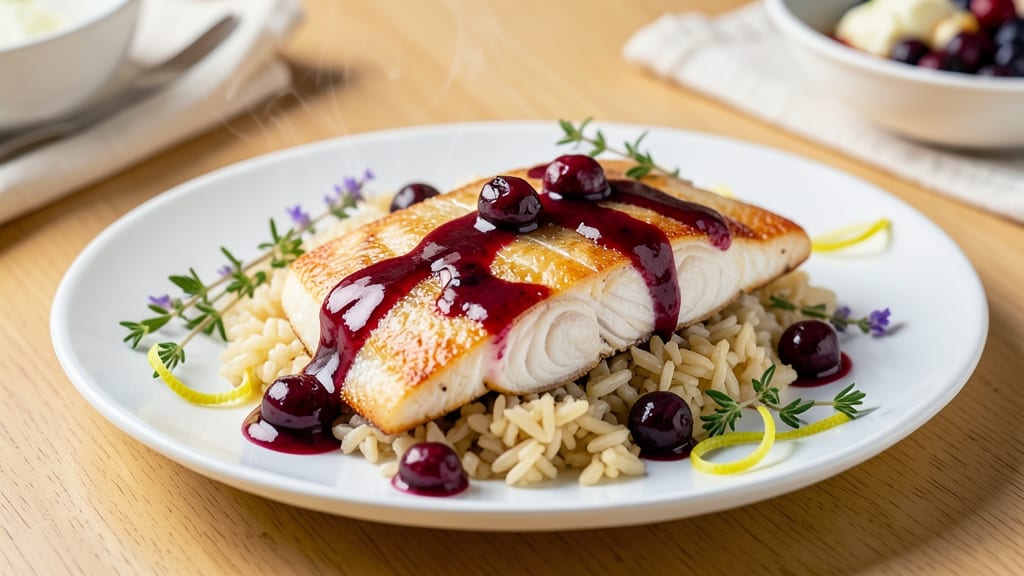
This blueberry sauce recipe for fish transforms simple weeknight dinners into restaurant-worthy meals with its perfect balance of tart and sweet. The glaze's vibrant color and bright acidity cut through rich fish flavors, creating harmony in every bite.
I developed this recipe after years of testing pairings with salmon and trout, and it consistently delivers that professional touch without complicating your cooking process.
The magic happens in the simmering process, where blueberries release their natural juices while sugar and vinegar meld together into a glossy, slightly thickened sauce. A touch of butter adds richness, ensuring the glaze clings beautifully to flaky fillets.
What you'll end up with is a sauce that's easy to make but feels like a gourmet secret—just 15 minutes of active time, with minimal ingredients that most kitchens already stock.
This blueberry glaze works wonders with baked or pan-seared fish, its bright acidity complementing the natural oils in salmon, trout, or even cod. The sauce's versatility means you can use it as a finishing drizzle or a light marinade before cooking.
It also keeps well in the refrigerator for up to a week, making it perfect for meal prep when you want to elevate simple fish dishes without extra effort.
For an extra layer of flavor, consider adding fresh thyme or a splash of lemon juice at the end. The sauce's natural sweetness pairs beautifully with the buttery richness of fish, creating a balance that feels both elegant and approachable.
Once you try this, your go-to fish dinner will never be the same.
Ingredients for blueberry sauce recipe for fish
Eight simple ingredients transform flaky fish into restaurant-worthy perfection.
| Ingredient | Amount | Notes |
|---|---|---|
| Fresh Blueberries 🫐 | 1 cup | Frozen works in a pinch |
| Granulated Sugar 🍚 | ¼ cup | White or light brown |
| Apple Cider Vinegar 🍎 | 2 tbsp | Or white vinegar |
| Unsalted Butter 🧈 | 2 tbsp | Cold, cubed for easy melting |
| Fresh Lemon Juice 🍋 | 1 tbsp | From a good lemon |
| Fresh Thyme Leaves 🌿 | ¼ tsp | Or 1/8 tsp dried thyme |
| Salt 🧂 | ⅛ tsp | Diamond Crystal preferred |
| Water 💧 | 1 tbsp | For thinning if needed |
Blueberries should be plump and vibrant—Trader Joe's or local farmers markets have the best. If using frozen, don't thaw first (just toss them in straight from the freezer). The sugar can be adjusted based on tartness: add 1 tbsp more if your blueberries are particularly sour. Apple cider vinegar adds depth, but white vinegar works fine if that's what you've got. For the butter, I always grab European-style unsalted from the grocery store—it melts beautifully and adds richness that store-brand butter can't match.
No fresh thyme? Dried works at one-third the amount. Short on lemon juice? Orange juice or even a splash of red wine keeps the acidity. Want more tang? Add an extra tablespoon of vinegar. The sauce thickens as it cools, so if it's too thick while simmering, add a splash of water—just 1 tbsp at a time. For extra brightness, I sometimes add a pinch of red pepper flakes at the end, but that's totally optional. The key is balancing sweet, tart, and richness—trust your taste as you go.
This sauce keeps beautifully in the fridge for up to 1 week, though it's best used within 3-4 days for maximum flavor. If it thickens too much, just whisk in a splash of water or lemon juice. For meal prep, I like to make a double batch—it's perfect over grilled salmon or as a drizzle for trout. Freezes well for 3 months if you want to make a big batch ahead of time. The butter adds richness that makes it perfect for pairing with flaky fish fillets.
Why You'll Love This Recipe
- Five-Ingredient Magic: I swear by this combo—blueberries, sugar, vinegar, butter, and lemon. That’s it. No fancy gadgets, no stress, just a quick simmer while you prep the rest of the meal.
- Bright Tangy Kick: The apple cider vinegar and lemon juice cut through the richness of fish like a summer breeze. Honestly, it’s the kind of balance that makes you reach for seconds without thinking.
- Weeknight & Weekend: This sauce works just as well on a rushed Tuesday as it does for a fancy dinner. Drizzle it over grilled trout for a date night, or toss it with pan-seared cod for a lazy Saturday. It’s that adaptable.
- Leftovers That Shine: Make a double batch—it keeps for days in the fridge. Toss it into yogurt for breakfast, stir it into oatmeal, or even use it as a glaze for roasted veggies. Versatile? Absolutely.
Step-by-step instructions for blueberry glaze that elevates fish
This sauce transforms simple fish into a restaurant-worthy dish with just 10 minutes of active work.
Simmer Blueberries Until Soft
In a small saucepan, combine the 1 cup fresh blueberries with the 0.25 cup granulated sugar. Bring to a gentle boil over medium heat, then reduce to low heat and let simmer for 5-6 minutes until the berries break down and release their juices. You'll see the mixture thicken slightly and develop a glossy sheen.
Stir occasionally to prevent burning at the bottom. If using frozen blueberries, start with them straight from the freezer—they'll thaw quickly in the warm pan. The sugar helps draw out the berries' natural juices while preventing a bitter flavor. You're aiming for a jam-like consistency at this stage—when you can mash the berries easily with a spoon, they're ready for the next step.
Add Vinegar, Butter, and Aromatics
Remove the pan from heat and stir in the 2 tablespoons apple cider vinegar, 2 tablespoons cold unsalted butter (cut into small cubes), 1 tablespoon fresh lemon juice, 0.25 teaspoon fresh thyme leaves, and 0.125 teaspoon salt. Let the butter melt completely, then return the pan to low heat and stir constantly for 2-3 minutes until everything is fully incorporated.
The vinegar brightens the blueberries' natural sweetness while cutting through the richness of the butter. The thyme adds an earthy depth that pairs beautifully with fish. If the mixture begins to seize up or look grainy, add 1 tablespoon water to help it smooth out. You want a glossy, velvety sauce that coats the back of a spoon—this is your target consistency.
Reduce for Perfect Glaze Texture
Increase the heat to medium-low and let the sauce simmer uncovered for 4-5 minutes, stirring occasionally. This reduction step intensifies the flavors and creates that perfect glaze-like consistency. You're looking for a sauce that's thick enough to coat the back of a spoon but still flows smoothly—it should cling beautifully to flaky fish fillets.
Taste and adjust the seasoning if needed. If it's too tart, add a pinch more sugar. If it's too sweet, stir in a splash more lemon juice. The sauce should balance tart, sweet, and herbal notes perfectly. Once you reach the ideal consistency, remove the pan from heat and let it cool slightly before serving—this allows the flavors to meld completely.
Strain for Silky Smoothness (Optional)
For an ultra-smooth sauce, strain the mixture through a fine-mesh sieve into a clean bowl, pressing gently on the blueberries with a spoon to extract all the juices. This step removes any remaining seeds or skins, giving you a silky texture that's perfect for drizzling over delicate fish. If you prefer a slightly textured sauce, you can skip this step—both versions work beautifully.
Let the sauce sit at room temperature for 10 minutes before using. This resting time allows the flavors to fully develop and the sauce to reach its optimal consistency. The blueberry glaze will keep in the refrigerator for up to 5 days, making it a great make-ahead option for your next fish dinner. Serve warm or at room temperature for the best results.
Pro Tips For Making Blueberry Sauce Recipe For Fish
- Use Medium Heat: Blueberries will burst and turn to mush if you blast them—start on medium heat and let them simmer gently. I learned this the hard way after ending up with a sauce that looked like blueberry jam. Once they’re broken down (about 5-7 minutes), you can lower it even further to thicken.
- Muddle Half the Berries: Toss half the blueberries into the pot whole, then muddle the rest with a fork first. This keeps texture contrast and prevents a uniform mush. I was skeptical until I tried it—now I can’t imagine doing it any other way.
- Balance Vinegar Slowly: Add apple cider vinegar one teaspoon at a time, tasting as you go. Too much early on will make the sauce taste harsh and overpower the fish. You’re aiming for a bright tang, not a pucker.
- Butter Last, Off Heat: Swirl in the butter and lemon juice after removing the sauce from heat—this keeps it glossy and prevents it from seizing. If you add it too soon, you’ll end up with a grainy, split butter mess. (Yes, I’ve done it.)
Flavor customization for this blueberry sauce recipe for fish
Sweet-Tart Balance
Adjust the sugar-to-blueberry ratio based on your taste: if your berries are extra tart, add 1 extra tablespoon of sugar (total 3 tbsp). For a more complex flavor, swap 1 tbsp of sugar for 1 tbsp of honey—it adds floral notes that complement fish beautifully. 🍯
Herb Variations
Swap thyme for fresh rosemary (½ tsp) for an earthy, piney aroma that pairs perfectly with salmon. Or try basil (1 tbsp chopped) for a brighter, slightly sweet contrast that works well with trout. Dried herbs should always be used at ⅓ the amount of fresh.
Spicy Kick
Add ¼ tsp of red pepper flakes at the end for a subtle heat that cuts through the richness of butter-basted fish. For a smoky twist, stir in ½ tsp of smoked paprika while simmering. Both options work best with heartier fish like cod or halibut.
Citrus Swaps
Replace lemon juice with orange juice (1 tbsp) for a sweeter, more floral profile that pairs wonderfully with white fish. For a wine-inspired touch, use 1 tbsp of dry white wine (like Sauvignon Blanc) instead of vinegar—simmer it off completely to avoid alcohol taste.
Richness Adjustments
For extra decadence, increase butter to 3 tbsp and add 1 tbsp of heavy cream at the end. For a lighter version, reduce butter to 1 tbsp and use 1 tsp of olive oil instead. The sauce will still cling beautifully to fish fillets while keeping a lighter profile.
Seasonal Twists
In summer, add 1 tbsp of fresh mint (finely chopped) for a refreshing contrast. In fall, incorporate ½ tsp of cinnamon for warmth that pairs surprisingly well with baked trout. Both variations work best when made fresh and used immediately for maximum brightness.
Nutrition facts
Frequently asked questions
Can I use frozen blueberries instead of fresh?
Yes! Frozen blueberries work perfectly—just add them straight from the freezer to the saucepan. They'll thaw quickly during simmering and release all their juices. For best results, don't crush them before adding, as this can create a grainier texture in your glaze.
What's the best fish to pair with this blueberry sauce?
This sauce shines with rich, flaky fish like salmon, trout, or cod. The tart-sweet balance complements their natural oils beautifully. For extra elegance, try it with pan-seared halibut or baked sea bass.
Why did my sauce turn out too thick?
This happens when the blueberries release too much juice or the sauce reduces too much. Thin with 1 tbsp water or lemon juice while warm, stirring constantly. For future batches, simmer uncovered for 3-4 minutes instead of 4-5 minutes to control thickness.
Can I make this sauce ahead of time?
Store it in an airtight container in the fridge for up to 5 days. Reheat gently in a small saucepan over low heat with a splash of water to restore its glossy texture. For long-term storage, freeze for up to 3 months—thaw overnight in the fridge before using.
What if my blueberries are too tart?
Add 1 extra tablespoon of sugar (total 3 tbsp) during simmering. For a more complex flavor, swap 1 tbsp of sugar for 1 tbsp honey—it adds floral notes that balance tartness beautifully. Taste as you go and adjust gradually.