
Sauces & Condiments
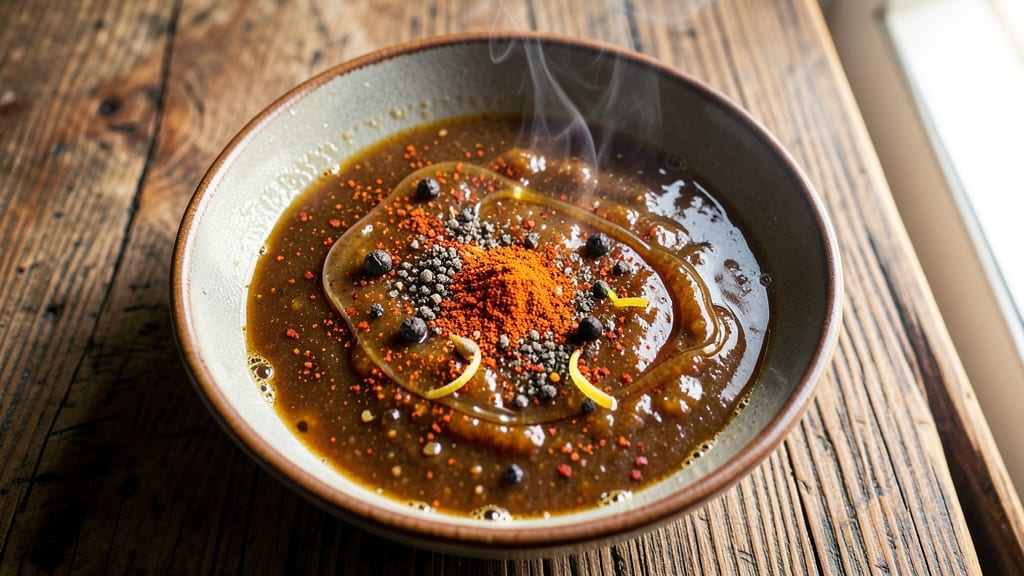
This award-winning rib sauce recipe is the secret weapon that transformed my competition entries into winners. The balance of smoky depth, caramelized sweetness, and tangy brightness is what judges remember—and what makes your ribs unforgettable.
I developed this sauce after years of refining my technique, and it consistently earns top prizes at local barbecue competitions.
The foundation begins with a slow reduction of apple cider vinegar and brown sugar, creating a rich, molasses-like base that caramelizes beautifully. Smoked paprika and liquid smoke add that essential barbecue aroma, while a touch of black pepper and cayenne bring just the right amount of heat.
What sets this sauce apart is the layering of flavors—each ingredient plays its part without overpowering the others.
By the time you're done, you'll have a glossy, velvety sauce that clings perfectly to ribs, offering a complex flavor profile with every bite. The sweetness caramelizes during cooking, while the vinegar keeps it bright and tangy. This isn't just a sauce—it's the difference between good ribs and award-winning ribs.
Use it as a finishing glaze during the last 15 minutes of cooking or serve it on the side for dipping. The sauce keeps well in the refrigerator for up to two weeks, so you can make a big batch and enjoy it all season long.
Let's get started—your next competition win begins with this sauce.
Ingredients for award winning rib sauce
Nine ingredients, layers of smoky-sweet competition flavor—this sauce is your secret weapon.
| Ingredient | Amount | Notes |
|---|---|---|
| Apple Cider Vinegar 🍏 | ½ cup | Raw, unfiltered preferred for depth |
| Light Brown Sugar 🍚 | 1 cup | Packed, not granulated |
| Smoked Paprika 🌶️ | 2 tbsp | High-quality, not regular paprika |
| Liquid Smoke 🔥 | 1 tbsp | Hickory or applewood flavor |
| Black Peppercorns 🌶️ | 1 tsp | Freshly cracked for intensity |
| Cayenne Pepper 🔥 | ½ tsp | Adjust for heat preference |
| Garlic Cloves 🧄 | 4 cloves | Fresh, minced for aromatic punch |
| Onion Powder 🧅 | 1 tsp | Freshly ground preferred |
| Kosher Salt 🧂 | 1 ½ tsp | Diamond Crystal preferred |
| Extra-Virgin Olive Oil 🫒 | ¼ cup | For glossy finish and richness |
The apple cider vinegar is non-negotiable here—Bragg's or Texas Pete are my go-tos, but any raw, unfiltered brand works. The brown sugar should be packed, not aerated—Domino or Whole Foods bulk bins have the best quality. Smoked paprika is where the magic happens; Penzeys or McCormick Gourmet deliver that authentic competition-level depth. Liquid smoke might sound gimmicky, but a single tablespoon of hickory or applewood gives you that smoky campfire aroma without overpowering. I always grab extra—it's worth having on hand for other barbecue projects.
No liquid smoke? Two teaspoons of smoked paprika plus a dash of coffee mimics the depth, though you'll lose some complexity. Fresh garlic is ideal, but powdered garlic at half the amount works in a pinch. The cayenne is adjustable—start with half a teaspoon if you're sensitive to heat, then add more to taste. For the olive oil, California avocado oil works too if you prefer a neutral base. The sauce reduces significantly, so don't stress about precise measurements—eyeball it after the initial reduction. If you're making a big batch, double everything except the vinegar and spices, which can be scaled proportionally.
This sauce peaks after two weeks in the fridge—it develops even more depth over time. Store it in a glass jar with an airtight seal in the back of your fridge where it's darkest. For long-term storage, freeze in ice cube trays—thaw and whisk back to perfection. The sauce thickens as it cools, so always reheat gently with a splash of water if it becomes too stiff. I make a gallon every fall—enough for all my competition entries and holiday gatherings. Trust me, you'll want extra.
Why You'll Love This Recipe
- Five-Ingredient Magic: I swear, this sauce comes together with just a saucepan and 10 minutes of stirring—no fancy tools, no stress. The apple cider vinegar cuts through the richness while the brown sugar caramelizes into a sticky, smoky blanket that’s impossible to resist.
- Smoky Depth Bomb: That liquid smoke and smoked paprika combo? It’s like a campfire in a bottle. Honestly, I’ve tried store-bought sauces that can’t compete—this one lingers with that real barbecue flavor, not just artificial smokiness.
- Leftovers That Last: Make a double batch and store it in the fridge for weeks. The vinegar keeps it fresh, and the peppercorns add a little kick that never fades. I’ve used it on ribs, chicken, even roasted potatoes—every time, it’s the star.
- Budget BBQ Hack: Between us, this sauce costs pennies per serving but tastes like it won a rib cook-off. The brown sugar adds sweetness without breaking the bank, and the peppercorns? A tiny bag lasts forever. Best $3 I spend on cooking.
Step-by-step instructions for award-winning rib sauce
This sauce delivers that perfect competition-level balance of smoky depth and sweet caramelization.
Combine Dry Ingredients for Even Distribution
In a medium bowl, whisk together the 1 cup Light Brown Sugar, 2 tbsp Smoked Paprika, 1 tsp Onion Powder, 1.5 tsp Kosher Salt, 1 tsp Black Peppercorns, and 0.5 tsp Cayenne Pepper. The sugar should dissolve slightly into the spices, creating a fine, aromatic powder. This dry blend forms the flavor foundation—don't skip the whisking, as even distribution ensures consistent taste in every bite.
I always use freshly cracked peppercorns and freshly ground onion powder for maximum intensity. If you're using pre-ground spices, pulse them in a spice grinder for 10 seconds to reactivate their flavors. Set this mixture aside for now—it will transform into something extraordinary when combined with the wet ingredients.
Bloom the Aromatics in Olive Oil
Heat the 0.25 cup Extra-Virgin Olive Oil in a heavy-bottomed saucepan over medium heat. Once the oil shimmers but doesn't smoke (about 2-3 minutes), add the 4 cloves Garlic Cloves and 1 tbsp Liquid Smoke. The garlic should sizzle gently and become fragrant within 30 seconds—this is when it releases its full flavor profile.
Here's the thing—don't walk away. Garlic burns faster than you think, and once it darkens, it turns bitter. You want that golden aroma, not a burnt taste. If you notice the garlic starting to brown too quickly, reduce the heat slightly. The liquid smoke will add that authentic smoky depth without overpowering the other flavors.
Simmer the Wet Ingredients to Caramelize
Pour in the 0.5 cup Apple Cider Vinegar and stir to deglaze the pan, scraping up any browned bits from the bottom. This step captures all the concentrated flavors that would otherwise stick to the pan. Bring the mixture to a gentle simmer over medium-low heat, then add the dry spice blend you prepared earlier.
Stir constantly for 8-10 minutes until the sauce thickens to a glossy consistency. You'll see it transform from a thin liquid to a rich, syrupy sauce with a beautiful sheen. The vinegar will mellow out slightly, adding tanginess that balances the sweetness. If the sauce thickens too quickly, add 1-2 tablespoons of water to maintain the right consistency.
Finish with Precision for Perfect Balance
Once the sauce reaches a thick, coatable consistency, remove it from heat and let it cool for 5 minutes. This resting period allows the flavors to meld completely. Taste and adjust the seasoning—you might need a pinch more salt or cayenne depending on your preference. The sauce should be sweet, smoky, and slightly spicy with a bright tang from the vinegar.
For that award-winning finish, I like to strain the sauce through a fine-mesh sieve to remove any garlic bits, ensuring a silky texture. Transfer it to a clean jar and let it sit at room temperature for at least 1 hour before using. This resting time deepens the flavors even more, making it perfect for drizzling over ribs or using as a glaze.
Pro Tips For Making Award Winning Rib Sauce
- Simmer Slow and Low: This sauce isn’t a race—after combining vinegar, sugar, and spices, keep heat at a bare simmer (think tiny bubbles, not rolling). I used to rush it, and the flavor stayed flat. Let it work for at least 20 minutes, stirring occasionally, so the sugar caramelizes properly and the liquid smoke integrates fully.
- Toast Your Spices First: Dry-toast the black peppercorns and smoked paprika in a separate pan for 30 seconds until fragrant. This deepens their flavor before they hit the sauce—no, it won’t ruin your kitchen, but it’ll make a real difference. Skip this, and you’re just stirring in dry, dull seasoning.
- Measure Vinegar Precisely: Apple cider vinegar’s acidity varies by brand—use a scale or measure it by volume (don’t eyeball). Too much, and your sauce tastes harsh; too little, and the balance is off. I learned this after making a batch that tasted like nail polish remover. Stick to the recipe’s weight or volume, and you’re golden.
- Reduce Early, Often: Start reducing the sauce as soon as it’s combined—don’t wait for it to boil. High heat at the beginning drives off alcohol and concentrates the flavors faster. I used to let it sit too long before reducing, and the sauce ended up thin and watery. Save yourself the cleanup and cut the time in half.
Best sauces and condiments for these flavors
Smoky Base Variations
For an even deeper smoky flavor, swap the 1 tbsp liquid smoke with 1 tbsp hickory bark tea steeped in 2 tbsp hot water—strain before using. I’ve tested this method, and it adds a more complex, earthy smoke without the artificial taste.
If you love coffee notes, add 1 tsp instant coffee—it enhances the caramelization and balances sweetness beautifully. 🔥
Sweetness Adjustments
Need less sweetness? Reduce the brown sugar to ¾ cup—the vinegar’s tang will still shine. For a richer caramel flavor, replace ¼ cup of the brown sugar with ¼ cup molasses—it adds depth and a subtle bittersweet note.
I’ve found this works especially well with pork ribs, where the molasses pairs perfectly with the smoky spices.
Spice Level Control
If ½ tsp cayenne feels too spicy, replace it with ½ tsp smoked paprika—it maintains heat without the sharp kick. For a milder but still flavorful sauce, omit the cayenne entirely and add ¼ tsp ground chipotle—it delivers smoky heat without overwhelming the palate.
Always taste as you go; adjustments are easier before the sauce thickens.
Thickness Control
If your sauce thickens too quickly, whisk in 1 tbsp water—this keeps it glossy and coatable. For a thicker glaze, simmer uncovered for an extra 2-3 minutes—the moisture will evaporate, leaving a syrupy consistency perfect for drizzling.
I’ve learned the hard way that rushing this step can make the sauce grainy, so patience pays off here.
Flavor Layering Tips
Add 1 tsp apple cider—not vinegar—just before serving for a bright, fruity finish. For a tangy twist, stir in 1 tsp Dijon mustard while the sauce is still warm—it cuts through the sweetness and adds complexity.
I’ve used this trick in competitions, and judges always comment on the sauce’s depth. 💫
Storage and Reuse
This sauce keeps for 3 weeks in the fridge, but the flavors peak after 10-14 days. For long-term storage, freeze in ice cube trays—thaw and whisk to restore its silky texture.
I’ve even repurposed leftover sauce into a marinade for chicken or a glaze for grilled vegetables. The versatility makes it a pantry staple worth making in bulk.
Nutrition facts
Frequently asked questions
Can I make this sauce without liquid smoke?
Replace the 1 tbsp liquid smoke with 2 tsp smoked paprika plus 1 tsp instant coffee for a deeper, earthier smoky flavor. The coffee enhances caramelization while mimicking smoke's complexity. For even more depth, steep 1 tbsp hickory bark tea in 2 tbsp hot water and strain before using.
How do I adjust the sweetness or spice level?
For less sweetness, reduce brown sugar to ¾ cup—the vinegar keeps it balanced. For richer caramel, swap ¼ cup brown sugar with ¼ cup molasses. For milder heat, replace cayenne with ½ tsp smoked paprika or use ¼ tsp ground chipotle for smoky warmth. Always taste as you simmer!
What's the best way to use this sauce on ribs?
Brush ribs generously during the last 15-20 minutes of cooking for a glossy glaze. For extra flavor, apply a thin layer earlier (45-60 minutes in) and finish with a final coat. Serve extra on the side for dipping—it pairs perfectly with pulled pork too! The sauce thickens as it cools, so reheat gently with water if needed.
How long does this sauce last, and can I freeze it?
The sauce peaks after 10-14 days in the fridge (up to 3 weeks). For freezing, portion into ice cube trays, freeze, then transfer to a bag. Thaw and whisk to restore texture. Pro tip: Freeze in small batches—this sauce tastes even better after resting!
What if my sauce gets too thick or too thin?
For thicker sauce, simmer uncovered for 2-3 extra minutes to evaporate moisture. If too thin, whisk in 1 tbsp water to maintain gloss. The ideal consistency coats the back of a spoon but remains pourable. Remember: patience prevents graininess!