
Sauces & Condiments
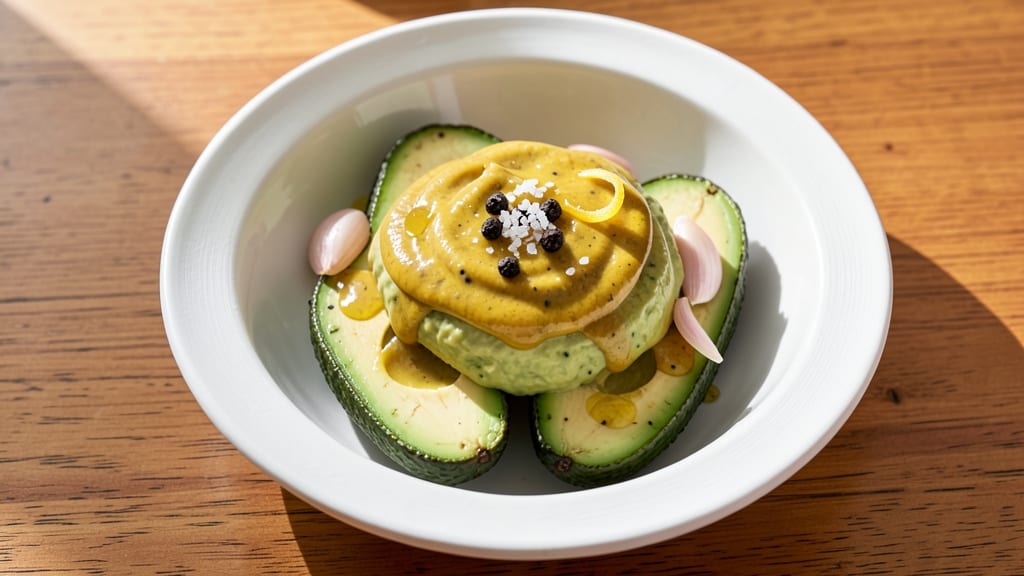
This avocado aioli sauce recipe transforms simple ingredients into a creamy, vibrant condiment that elevates everything from tacos to sandwiches. The secret lies in blending ripe avocado with garlic, lemon, and olive oil until silky smooth—a process that takes just 5 minutes but delivers restaurant-quality results.
What makes this sauce special is its balance of rich, buttery avocado and bright citrus, creating a texture that’s velvety yet light.
The beauty of this recipe is its versatility—it’s vegetarian-friendly (and easily vegan with a few swaps) and works as a dip, spread, or dressing. The key to success is using perfectly ripe avocados and blending until completely smooth, ensuring no graininess remains.
For extra flavor depth, I recommend adding a pinch of salt and a squeeze of lime at the end to brighten the sauce.
Once you’ve whipped up this bright green creaminess, you’ll want to use it immediately—it pairs perfectly with grilled fish, crispy fries, or as a tangy spread for toast.
But if you need to prep ahead, store it in an airtight container in the fridge for up to 3 days, stirring before use to maintain that luscious texture. The sauce’s freshness is its superpower, so don’t wait to try it.
For those who love customization, this aioli plays well with add-ins like smoked paprika, cilantro, or even a dash of hot sauce for a spicy kick.
Whether you’re serving it as a dip, a sandwich spread, or a taco topping, this sauce will become a staple in your kitchen. Let’s get blending!
Ingredients for avocado aioli sauce
Bright green, creamy, and ready in minutes—just eight ingredients for this velvety aioli.
| Ingredient | Amount | Notes |
|---|---|---|
| Ripe Avocados 🥑 | 2 whole | Firm but yielding to gentle pressure |
| Extra-Virgin Olive Oil 🫒 | ½ cup | High-quality, fruity variety |
| Garlic Cloves 🧄 | 3 cloves | Peeled, rough chopped |
| Fresh Lemon Juice 🍋 | 2 tbsp | Freshly squeezed |
| Salt 🧂 | ½ tsp | Fine sea salt preferred |
| Black Pepper 🌶️ | ¼ tsp | Freshly ground preferred |
| Plain Greek Yogurt 🥛 | ¼ cup | Full-fat for creaminess |
| Fresh Cilantro Leaves 🌿 | ¼ cup | Stems removed, optional garnish |
| Ice Water 💧 | 2 tbsp | For adjusting texture |
The avocados are non-negotiable here—ripe but not mushy, that’s the sweet spot. Trader Joe’s or your local farmers market are the best places to find them. Look for ones that yield slightly to pressure but don’t feel mushy. If you’re using store-bought, check the stems: if they come off easily, that’s a good sign. The olive oil should be extra-virgin—cheap oil will make the sauce taste flat. I grab mine from Costco in bulk, but any quality brand works. The garlic? Freshly peeled cloves make all the difference—pre-minced garlic loses its punch fast.
No avocados? Silken tofu blended with a splash of lemon works in a pinch, though texture will be slightly different. Short on olive oil? Avocado oil is a great swap, but it’s pricier. The Greek yogurt adds that signature tang—full-fat is key for creaminess, but low-fat will work if that’s all you’ve got. Fresh lemon juice is a must—bottled won’t cut it. For extra depth, add a pinch of smoked paprika or a dash of hot sauce. The cilantro is optional but adds freshness—skip it if you’re not a fan, but don’t blame me if the sauce lacks brightness.
This sauce is best used fresh, but if you need to prep ahead, store it in an airtight container with a thin layer of olive oil on top to prevent browning. Keeps for 3 days in the fridge, though texture may separate slightly—just give it a quick blend before using. For longer storage, freeze in ice cube trays—thaw and blend to restore that silky texture. The yogurt might curdle if frozen, so it’s best for short-term prep. Trust me, it’s worth making it fresh for the best results.
Why You'll Love This Recipe
- I’ll be real: this sauce comes together in five minutes—just toss avocado, garlic, olive oil, and lemon into the blender, hit pulse, and boom. That’s it. No straining, no whisking until your arm falls off.
- No-Fuss Blender Magic: I’ll be real: this sauce comes together in five minutes—just toss avocado, garlic, olive oil, and lemon into the blender, hit pulse, and boom. That’s it. No straining, no whisking until your arm falls off.
- Garlic-Lemon Euphoria: The moment the garlic and lemon hit that creamy avocado base? Pure flavor payoff. It’s rich but bright, salty but tangy—like a hug for your taste buds (and it’s weirdly addictive, okay).
- Dip Everything Crisis: Between chips, grilled fish, or even a sad sandwich, this sauce does it all. I’ve used it for tacos, as a spread, and even drizzled it on roasted potatoes—it’s the ultimate lazy-but-impressive sidekick.
Step-by-step instructions for avocado aioli sauce
Here's how to blend this vibrant, creamy sauce with perfect texture every time.
Prepare the Avocado Base
Cut the 2 whole ripe avocados in half, remove the pits, and scoop the flesh into a food processor. I like to press the avocado against the sides of the bowl to extract every bit of creamy goodness. The avocados should be firm but yield slightly to gentle pressure—this ensures a smooth texture without being mushy.
Add the 0.25 cup plain Greek yogurt and 0.25 cup fresh cilantro leaves to the processor. Pulse a few times just to combine these ingredients before moving to the next step. This prevents over-processing the avocado, which can turn it grainy. The yogurt adds tanginess and lightens the texture, while the cilantro brings bright, fresh flavor.
Add Aromatics and Seasonings
Add the 3 rough-chopped garlic cloves, 0.5 tsp salt, and 0.25 tsp black pepper to the processor. Pulse again just until everything is roughly combined—you don't want to fully purée the garlic yet, as it needs to blend smoothly with the other ingredients. The rough texture helps distribute flavor evenly throughout the sauce.
Pour in the 0.5 cup extra-virgin olive oil in a slow, steady stream while the processor is running. This gradual addition prevents the oil from splattering and ensures it emulsifies perfectly with the avocado mixture. You'll know it's working when the sauce begins to look thick and creamy rather than oily.
Blend to Creamy Perfection
With the processor running, drizzle in the 2 tbsp fresh lemon juice and the 2 tbsp ice water. The lemon juice brightens the flavor and balances the richness of the avocado, while the ice water helps thin the sauce slightly for a smoother consistency. The water also prevents the sauce from becoming too thick, especially if the avocados are particularly ripe.
Blend until completely smooth, scraping down the sides of the processor bowl as needed. You're aiming for a thick, velvety texture that coats the back of a spoon. If the sauce looks too thick, add another 1 tsp ice water and blend again. Taste and adjust seasoning—you might need a pinch more salt or a crack of black pepper to balance the flavors.
Adjust and Serve
Transfer the aioli to a serving bowl or airtight container. If the sauce is too thick for your liking, stir in an additional 1 tsp ice water until it reaches your desired consistency. The sauce should be thick enough to coat but still spreadable—think of it like a rich, creamy dip rather than a heavy paste.
Let it sit at room temperature for 5 minutes before serving to allow the flavors to meld. This brief rest enhances the garlic and lemon notes, making the sauce even more vibrant. Serve immediately with chips, as a dip for veggies, or as a topping for tacos and bowls. The aioli keeps well in the refrigerator for up to 2 days, covered tightly to prevent browning.
Pro Tips For Making Avocado Aioli Sauce
- PIT THE GARLIC FIRST: Smash the garlic cloves with the flat side of your knife before peeling—it releases more flavor and cuts down on chopping time. I used to peel first, and the aioli always tasted flat until I tried this.
- USE A FOOD PROCESSOR, NOT A BLENDER: A blender’s sharp blades turn avocado into a sad, grainy paste. A food processor’s duller blades shear the avocado smoothly while incorporating oil and lemon better. If you’re blending, add the oil slowly—drizzling it in like you’re painting a fence.
- SALT THE AVOCADO BEFORE MIXING: Sprinkle a pinch of salt directly on the avocado halves before scraping out the flesh—it draws out moisture, making the sauce thicker and more stable. Skipping this step is why your aioli might separate later.
- LEMON JUICE LAST, NOT FIRST: Add the lemon juice after blending the avocado, oil, and garlic—it brightens the flavor without breaking down the emulsion prematurely. I learned this after making a batch so tart it could’ve curdled milk.
Creative variations of these flavors
Spicy Chipotle Twist
For a smoky, spicy kick, blend in 1 tsp adobo sauce from a can of chipotle peppers in adobo along with the garlic. This adds deep, smoky heat that pairs perfectly with tacos or grilled meats.
I like to add it with the lemon juice for balanced flavor—start with ½ tsp if you're sensitive to heat, then adjust to taste. 🌶️
Herb-Infused Variations
Swap the cilantro for fresh dill or tarragon for a Mediterranean-inspired aioli that works beautifully with salmon or roasted vegetables.
For a Thai-inspired twist, add 1 tbsp fish sauce (or soy sauce for vegan) and ½ tsp lime zest—this creates a tangy, umami-rich sauce perfect for noodles or spring rolls.
Creamy Vegan Adaptation
To make this aioli completely plant-based, replace the Greek yogurt with ½ cup silken tofu and use vegan mayo (like Hellmann’s Vegan or Just Mayo) instead of olive oil. I recommend ¼ cup vegan mayo blended with ¼ cup avocado oil for the same creamy texture.
The result is just as smooth and rich, with no compromise on flavor.
Sweet and Tangy Fusion
Add a touch of sweetness by blending in 1 tbsp honey or maple syrup along with the lemon juice. This works surprisingly well with spicy dishes, balancing the heat while keeping the sauce bright.
I’ve used this variation as a dip for sweet potato fries or as a glaze for grilled pineapple—it’s a game-changer for tropical-inspired meals.
Smoky Paprika Finish
For a restaurant-quality depth, stir in ½ tsp smoked paprika at the end while blending. This adds a subtle smokiness that elevates the sauce for burgers, loaded fries, or as a topping for grilled corn.
I like to toast the paprika in a dry pan for 30 seconds first to enhance its flavor before adding it to the aioli.
Extra-Thick Dip Version
For a thicker, spreadable dip, reduce the ice water to just 1 tbsp and blend in 2 tbsp crumbled feta cheese (or vegan feta for plant-based). This version is perfect for stuffing into sandwiches or using as a thick dip for pita chips.
The feta adds a salty tang that cuts through the richness of the avocado beautifully. ✨
Nutrition facts
Frequently asked questions
Why does my avocado aioli turn grainy?
Over-blending the avocado is the most common cause. Blend just until smooth—about 1-2 minutes total—to avoid breaking down the fats into a grainy texture. Also, make sure your avocados are ripe but not overripe, and add ice water gradually (starting with 2 tbsp) to maintain creaminess.
Can I make this aioli without a food processor?
Yes! Use a high-speed blender or even a mortar and pestle for a rustic version. For best results, mash the avocado first, then whisk in the olive oil very slowly while adding lemon juice and ice water. The texture won't be perfectly silky, but it'll still be delicious—just thicker and more rustic.
How do I prevent browning when storing?
Press a thin layer of olive oil directly on the sauce's surface before sealing the container. This creates a protective barrier that blocks oxygen. Store in an airtight container in the fridge for up to 3 days. For longer storage, freeze in ice cube trays—thaw and blend to restore texture.
What's the best way to use up leftover avocado aioli?
Spread it on toast with smoked salmon, dollop it over grilled shrimp, or use it as a creamy dip for veggie sticks. It also makes an amazing sandwich spread—try it with turkey and avocado slices. For a quick meal, mix it into scrambled eggs or use it as a base for creamy pasta sauces.
Can I substitute mayo for the olive oil?
Replace the 0.5 cup olive oil with 0.25 cup mayo (or vegan mayo) for a richer texture. However, you'll need to reduce the ice water to just 1 tbsp since mayo is thicker. This version works especially well for sandwiches and dips where you want extra creaminess.