
Sauces & Condiments
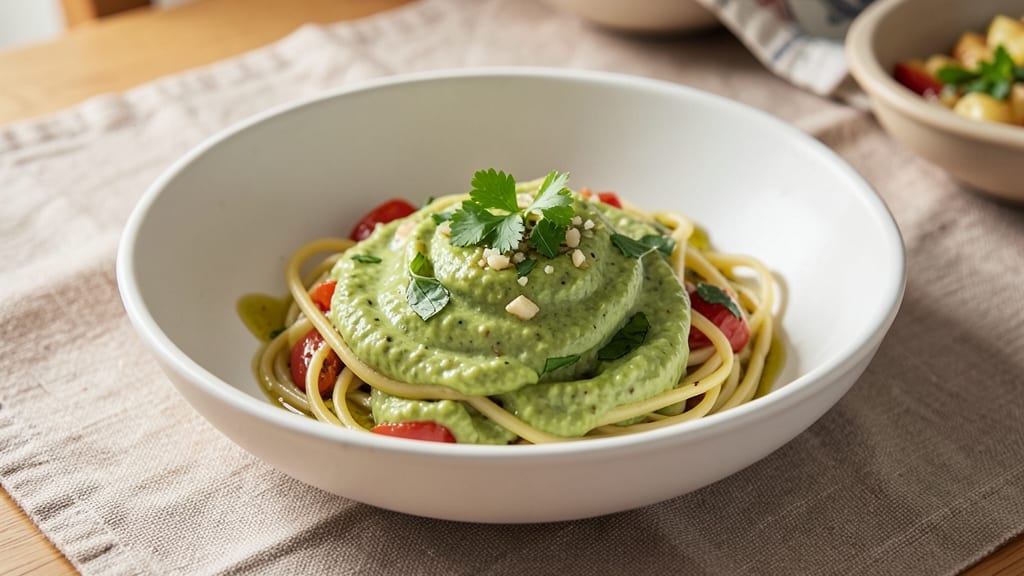
This avocado spaghetti sauce transforms simple ingredients into a rich, velvety sauce with chunky avocado texture and bright herb notes—perfect for vegan pasta nights or as a versatile dip.
The secret lies in blending ripe avocado with tomatoes, garlic, and fresh herbs, then simmering just enough to meld flavors without losing that creamy consistency. I developed this recipe after craving something lighter than traditional tomato sauce but still packed with depth—it delivers every time.
What makes this sauce special is its foolproof balance of creaminess and acidity, thanks to the avocado's natural fats and a touch of lemon juice. You won’t need heavy cream or dairy substitutes—just a few pantry staples and 15 minutes of prep time.
The sauce thickens beautifully when tossed with cooked pasta, creating a luxurious coating that’s both satisfying and nutritious. It’s the kind of recipe that proves plant-based cooking can be indulgent without compromise.
The result is a sauce that’s versatile enough for any meal: drizzle it over spaghetti, spread it on toast with a sprinkle of chili flakes, or serve it as a dip with warm crusty bread.
The avocado keeps it luscious, while the herbs add a fresh, zesty kick that brightens every bite. Best of all, it stores well in the fridge for up to 5 days, making it ideal for meal prep.
Ready to elevate your pasta game? This sauce is your secret weapon—restaurant-quality without the guilt. Let’s get started with the ingredients and steps that make it so effortlessly delicious.
Ingredients for avocado spaghetti sauce
Simple, plant-powered ingredients that blend into velvety avocado sauce with bright herb zing.
| Ingredient | Amount | Notes |
|---|---|---|
| Ripe Avocados 🥑 | 2 whole | Pitted, scooped from skin |
| San Marzano Tomatoes 🍅 | 1 can | Diced, 28 oz can |
| Extra-Virgin Olive Oil 🫒 | ¼ cup | Fruity, not strong |
| Garlic Cloves 🧄 | 3 cloves | Minced, fresh preferred |
| Fresh Basil Leaves 🌿 | ½ cup | Packed, stems removed |
| Fresh Parsley Leaves 🌿 | ¼ cup | Packed, chopped fine |
| Lemon Juice 🍋 | 1 tbsp | Freshly squeezed |
| Vegetable Broth 💧 | ½ cup | Low-sodium preferred |
| Red Wine Vinegar 🍷 | 1 tsp | For brightness |
| Sea Salt 🧂 | 1 tsp | Diamond Crystal preferred |
| Ground Black Pepper 🌶️ | ½ tsp | Freshly cracked |
| Red Chili Flakes 🔥 | ¼ tsp | Optional, for heat |
The avocados are non-negotiable—ripe but not mushy is key. Trader Joe's or Whole Foods carry the best, or grab Hass from your local market. Skip the pre-cut stuff; fresh is always better. San Marzano tomatoes are worth the splurge—they're sweeter and less acidic, which keeps the sauce from turning bitter. For the herbs, fresh basil and parsley make all the difference, but dried will work in a pinch (use half the amount). The olive oil should be fruity, not peppery—California brands like Corto or Otto are my go-tos.
No fresh herbs? Dried basil and parsley at half the amount will do, but you'll miss that fresh zing. Avocados too ripe? Add a splash of lemon juice to keep them from browning. Want more depth? Swap the vegetable broth for white wine (use the same amount). The red wine vinegar is crucial for that tangy brightness—substitute balsamic if needed. Chili flakes are optional but add a nice kick; leave them out if you prefer mild sauce. For extra creaminess, blend in 2 tbsp silken tofu with the avocado.
This sauce keeps beautifully for 5 days in the fridge, sealed in an airtight container with a thin layer of olive oil on top to preserve the avocado. For longer storage, freeze in ice cube trays—perfect for portion control. Reheat gently on the stove or microwave until warmed through. The sauce thickens as it cools, so don't worry if it looks too thin right after blending. Toss with cooked pasta or spread on toast—either way, it's a crowd-pleaser every time.
Why You'll Love This Recipe
- No Blender Needed: I swear by this—just mash the avocado right into the warm tomatoes with a fork. No pulsing, no straining, no cleanup. That creamy texture comes from the avocado blending in naturally, and honestly? It’s foolproof.
- Rich Without the Cream: The avocado gives it a velvety depth, but the San Marzano tomatoes keep it bright and tangy. That first bite—where the garlic’s punch meets the basil’s freshness—is the kind of flavor that makes you pause mid-spoonful. (Yes, even on a Tuesday night.)
- Lunchbox to Dinner Party: Same sauce, endless uses. Toss it with pasta for dinner, slather it on toast for lunch, or serve it chilled over grilled fish. My kids ask for it in their bento boxes, and my in-laws think it’s restaurant-worthy. (Between us, it’s just a clever shortcut.)
- Leftovers That Don’t Suck: Most sauces turn sad after day two, but this one? It actually improves—the avocado’s richness mellows into something even richer. I keep a jar in the fridge for “emergency” meals, and no one ever complains. (Not even my picky eater.)
Step-by-step instructions for avocado spaghetti sauce
This creamy avocado sauce comes together in minutes with bold flavors you'll want to make all the time.
Blend the Avocado Base
Start by scooping the flesh from the 2 whole ripe avocados directly into a food processor or high-powered blender. I always leave the skin on until the last possible moment to prevent oxidation. Add the 0.25 cup extra-virgin olive oil, 1 tablespoon lemon juice, 0.5 cup vegetable broth, 1 teaspoon red wine vinegar, 1 teaspoon sea salt, 0.5 teaspoon ground black pepper, and 0.25 teaspoon red chili flakes if using.
Blend until completely smooth, scraping down the sides as needed. You want a velvety texture with no visible avocado chunks. The sauce should be thick but still pourable—if it's too thick, add 1-2 tablespoons water to reach the right consistency. This base forms the creamy foundation of your sauce, so take your time here to get it perfect.
Sauté the Aromatics
Heat a medium saucepan over medium heat and add the 0.25 cup extra-virgin olive oil that remains after blending. Once the oil shimmers, add the 3 cloves minced garlic and cook for 30-45 seconds until fragrant but not browned—garlic burns quickly, and you want to preserve its sweetness.
Add the contents of the food processor to the pan and stir to combine. The sauce will look thick and glossy as it begins to warm through. Here's where the magic happens: the residual heat from the pan will help emulsify the sauce, creating that perfect creamy texture without needing heavy cream.
Incorporate the Tomatoes
Drain and rinse the 1 can San Marzano tomatoes, then drain them thoroughly to remove excess liquid. Add the diced tomatoes to the saucepan along with the 0.5 cup fresh basil leaves and 0.25 cup fresh parsley leaves. Stir everything together and bring to a gentle simmer over medium-low heat.
Let the sauce cook for 5-7 minutes, stirring occasionally. You're looking for the flavors to meld together while the tomatoes soften slightly. The basil and parsley will release their aromatic oils into the sauce, giving it that bright, fresh herb zing that makes this sauce special. If the sauce becomes too thick, add 1-2 tablespoons water to maintain the right consistency.
Adjust and Serve
Taste the sauce and adjust the seasoning if needed. You might need a touch more sea salt or lemon juice to balance the flavors. The sauce should be creamy, slightly tangy from the vinegar and lemon, and packed with fresh herb notes. If you want it even creamier, you can blend it again briefly with a splash of pasta water.
Serve the sauce immediately over cooked spaghetti, tossing well to coat each strand. The sauce will cling beautifully to the pasta, creating a rich, velvety coating with every bite. This sauce works equally well as a pasta sauce, a dip for crusty bread, or even a topping for grilled chicken or fish. Store any leftovers in an airtight container in the refrigerator for up to 3 days, though I doubt it'll last that long!
Pro Tips For Making Avocado Spaghetti Sauce
- Blend Avocados Last: Add the avocados after cooking the tomatoes and garlic—otherwise, they turn into a mushy, gray sludge. Save a handful of basil for garnish instead of blending it in; fresh leaves at the end keep the sauce vibrant and bright.
- Toast Garlic Low: Cook the garlic in olive oil over low heat until golden, not browned—burnt garlic tastes bitter and overpowers the creamy avocado. If you’re impatient, pull it out early and add it back later.
- Drain Tomatoes Well: San Marzano tomatoes are juicy, but excess liquid dilutes the sauce. Crush them by hand, then drain in a colander for 10 minutes before blending—this keeps the texture rich, not watery.
- Store Sauce Right: Press plastic wrap directly onto the avocado sauce’s surface to block air, then refrigerate for up to 2 days. If it darkens, stir in a splash of lemon juice—it’s still fine, just lost its freshness.
Essential equipment for great avocado spaghetti sauce
Blender or Food Processor
You’ll need a high-powered blender or food processor to achieve that ultra-smooth avocado base. I recommend a Ninja BN601 or Vitamix for the best results—they handle avocado’s oils without separating.
If you’re using a standard blender, pulse frequently and scrape down the sides to prevent overheating. Avoid hand mixers; they can’t create the velvety texture this sauce demands. 💫
Medium Saucepan
A 3-4 quart stainless steel saucepan is ideal for simmering the sauce evenly. I use my All-Clad pan because it distributes heat perfectly, preventing hot spots that could scorch the tomatoes.
If you don’t have stainless steel, a heavy enameled cast iron works too. Avoid nonstick—it’s not durable enough for simmering sauces long-term.
Fine-Mesh Strainer
For draining the San Marzano tomatoes, a fine-mesh strainer (like the OXO Good Grips) removes excess liquid without crushing the fruit. I skip the can’s juices entirely—they dilute the sauce and make it watery.
If you’re using fresh tomatoes, this strainer also works for seeding them efficiently. Pro tip: Rinse the tomatoes under cold water first to remove any canned residue.
Microplane or Knife
For the garlic, a microplane (like Mikado) gives you perfectly minced cloves without burning them. If you prefer a knife, use a sharp chef’s knife and finely dice the garlic—over-chopping releases bitter compounds.
I avoid pressing garlic through a press; it releases too much moisture and can make the sauce watery. The goal is fragrant, not mushy garlic. 🧄
Measuring Spoons & Cups
Precision matters here—use stainless steel measuring spoons (like OXO’s) for the vinegar, salt, and pepper. For the olive oil and broth, a liquid measuring cup with markings ensures accuracy.
I avoid plastic spoons; they can absorb flavors from previous uses. When measuring the avocado, use a kitchen scale if possible—2 avocados should yield about 12 ounces of flesh.
Optional: Immersion Blender
If you want to blend the sauce directly in the pot, an immersion blender (like Ninja’s) saves cleanup. Run it for 10-15 seconds after simmering to create a silky texture.
Skip this if your blender/food processor already gave you a smooth base—double-blending can make the sauce too thin. I only use this for quick adjustments, not the initial blend. ✨
Nutrition facts
Frequently asked questions
Why does this avocado sauce work better than traditional tomato sauce?
The avocado adds a luxurious creaminess without dairy, while the lemon juice and red wine vinegar brighten the flavors. Unlike heavy cream-based sauces, this version stays light yet rich, and the avocado's healthy fats help the sauce cling beautifully to pasta. Plus, it's packed with nutrients from fresh herbs and tomatoes!
Can I make this sauce without fresh herbs?
Use half the amount of dried basil and parsley (about 1/4 teaspoon each) instead of fresh. For extra flavor, add 1/2 teaspoon dried oregano or a pinch of red pepper flakes. The sauce will still taste fresh, just with a slightly different depth of flavor.
How do I prevent the avocado from browning in the sauce?
Keep the sauce refrigerated in an airtight container with a thin layer of olive oil poured on top. The oil acts as a barrier against air. If the sauce sits too long before using, add 1 extra tablespoon of lemon juice when reheating to preserve the avocado's color and freshness.
What if my sauce turns out too thick or too thin?
For a thinner sauce, stir in 1-2 tablespoons of water or pasta water while warming. If it's too thick, blend again briefly with 1 tablespoon of vegetable broth. The sauce naturally thickens as it cools, so don't worry if it looks perfect right after blending—it'll adjust once served.
Can I use this sauce for other dishes besides pasta?
Yes! This versatile sauce works as a dip for toasted bread or crackers, a topping for grilled vegetables or tacos, or even a sandwich spread. For extra flair, sprinkle with toasted pine nuts or hemp seeds before serving. The possibilities are endless!