
Sauces & Condiments
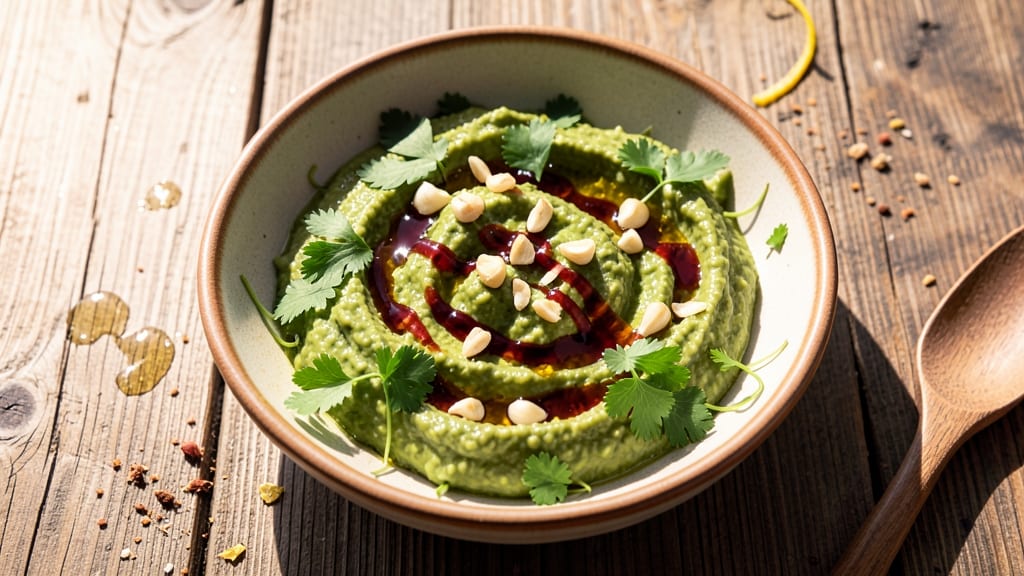
This avocado chimichurri sauce transforms traditional chimichurri into a creamy, vibrant condiment that brings freshness to every dish without cooking.
The secret lies in blending ripe avocado with bright herbs, garlic, and a touch of acidity—creating a texture that's smooth yet textured, perfect for dipping, spreading, or drizzling over grilled vegetables and proteins.
I developed this recipe after craving a sauce that balanced richness with herbaceous brightness, and it quickly became a staple in my kitchen for its versatility and effortless preparation.
The beauty of this sauce is its simplicity—just blend together avocado, fresh parsley, cilantro, garlic, red wine vinegar, and olive oil until smooth. The avocado adds a velvety richness that mellows the sharpness of the vinegar, while the herbs deliver that signature chimichurri flavor.
Unlike traditional chimichurri, this version requires no chopping or cooking, making it ideal for busy weeknights or last-minute entertaining. The result is a sauce that's equally at home on toasted bread, as a dip for veggie sticks, or as a topping for tacos and bowls.
What sets this avocado chimichurri apart is its ability to elevate both vegetarian and meat dishes without overpowering them. The creamy avocado base ensures it clings beautifully to ingredients, while the herbs and garlic add layers of complexity.
It stays fresh in the refrigerator for up to 3 days, making it perfect for meal prep—just give it a quick stir before serving to maintain that vibrant green color and bright flavor.
This sauce is a game-changer for anyone looking to add a modern, herb-packed twist to their favorite meals.
For even more versatility, adjust the acidity by adding a splash of lime juice or lemon zest, or swap in different herbs like basil or mint for a unique flavor profile.
Whether you're serving it as a dip, a spread, or a topping, this avocado chimichurri sauce will bring a fresh, herbaceous kick to your table with minimal effort. Let's get blending!
Ingredients for avocado chimichurri sauce
Six fresh ingredients blend into this vibrant, creamy sauce that's ready in minutes.
| Ingredient | Amount | Notes |
|---|---|---|
| Ripe Avocados 🥑 | 2 whole | Pitted and scooped, about 1 cup mashed |
| Fresh Parsley 🌿 | ½ cup | Stems removed, loosely packed |
| Fresh Cilantro 🌿 | ¼ cup | Stems removed, loosely packed |
| Garlic Cloves 🧄 | 4 cloves | Peeled, roughly chopped |
| Red Wine Vinegar 🍷 | ¼ cup | Bottled or homemade |
| Extra-Virgin Olive Oil 🫒 | ½ cup | High quality, fruity |
| Lemon Juice 🍋 | 1 tbsp | Freshly squeezed |
| Sea Salt 🧂 | ½ tsp | Fine grain preferred |
| Ground Black Pepper 🌶️ | ¼ tsp | Freshly ground preferred |
Avocados are the heart of this sauce—pick ones that yield slightly to gentle pressure. Whole Foods or your local produce section usually have the ripest ones, but check the grocery store's organic avocados first. Fresh herbs make all the difference: Trader Joe's sells pre-washed parsley and cilantro bundles that save time. For garlic, I always grab the organic cloves from the store's bulk section—they're fresher and smell amazing. Red wine vinegar should be aged (look for 'aged 2 years' on the label)—it adds depth without overpowering.
No red wine vinegar? White wine vinegar or apple cider vinegar works in a pinch, though the flavor will be slightly different. Swap cilantro for more parsley if you dislike cilantro's taste—just keep the total herb amount the same. Want extra richness? Add 1 tbsp tahini or 1/4 cup Greek yogurt (if you're not strict vegetarian). The avocado can be pre-mashed with a fork, but a food processor makes it silky smooth. For a smoky twist, add 1/4 tsp smoked paprika—trust me, it's worth it.
Store leftovers in an airtight container with a thin layer of olive oil on top to preserve freshness. Keeps 3 days in the fridge, though I've never had any last that long. For meal prep, portion into small jars—perfect for lunches or quick dips. Freezes beautifully for 1 month if you want to make a big batch ahead of time. Just stir before serving to restore that vibrant green color.
Why You'll Love This Recipe
- No Pulse Required: I swear by this—no blender, no food processor. Just chop the parsley, cilantro, and garlic (fine knife skills optional), mash the avocado right in the bowl, then stir. That’s it. The texture’s chunky but smooth enough to drizzle, and honestly? It’s the kind of sauce I make when I’m distracted by a podcast.
- Herb-Garlic Magic: The parsley and cilantro team up with garlic and red wine vinegar to create this bright, zesty punch that doesn’t overpower. The avocado keeps it creamy but not heavy, so every bite has that fresh, herby kick—like a hug for your taste buds. (Yes, even on a Tuesday night.)
- Works Everywhere: This isn’t just for tacos or grilled meats. Slather it on toast with a poached egg, mix it into rice bowls, or toss it with roasted veggies. Between us, I’ve used it as a dip for chips when I forgot to buy guac. It’s that adaptable.
- Leftovers? Better Leftovers: The avocado darkens over time, but the flavor actually deepens—like a fine wine. Store it in a jar with a squeeze of extra vinegar to keep it fresh, and it’ll still taste spot-on for days. Plus, it’s cheap to make; I use half an avocado and still have enough for two meals. Smart, right?
Step-by-step instructions for avocado chimichurri sauce
This vibrant sauce comes together in minutes with no cooking required—just chop, blend, and taste.
Prep and Mash the Avocados
Cut the 2 whole ripe avocados in half, remove the pits, and scoop the flesh into a medium bowl. Using a fork, mash them until smooth but slightly textured—think of it like guacamole consistency. The slight graininess adds body to your sauce. If the avocados are extra soft, press gently with the back of your fork to break them down completely.
This is the base that holds everything together, so don't skip the mashing step. You want it creamy but not completely smooth—just enough texture to give the sauce character. Set the mashed avocados aside while you prep the remaining ingredients. If you notice the mixture turning gray, add a tiny splash of the lemon juice to preserve the bright green color.
Finely Chop the Herbs and Garlic
Place the 0.5 cup fresh parsley and 0.25 cup fresh cilantro on a cutting board. Using a sharp chef's knife, finely chop both herbs together—you want tiny, even pieces that will blend seamlessly into the sauce. Remove and discard any thick stems. For the 4 cloves garlic, peel them and give them a rough chop, leaving them slightly uneven for better flavor distribution.
I like to use my knife in a rocking motion for the herbs to get them finely minced without crushing them. The smaller the pieces, the better the sauce will blend together. If you're using particularly fibrous herbs, give them an extra few seconds of chopping to break them down completely. Taste the herbs as you go—they should be fresh and vibrant, not bitter.
Combine Wet Ingredients
In the same bowl with the mashed avocados, add the 0.25 cup red wine vinegar, 0.5 cup extra-virgin olive oil, and 1 tablespoon lemon juice. Using a wooden spoon, stir everything together until fully incorporated. The mixture will look slightly oily and vibrant green. This is where the sauce starts to come together—don't rush this step. Let the flavors meld for about 30 seconds before adding anything else.
The vinegar and lemon juice will brighten the avocado flavor while the olive oil adds richness. You'll notice the mixture emulsify slightly as you stir, creating a smooth, cohesive base. If you're worried about the sauce separating later, add the olive oil slowly while stirring constantly. This ensures a perfectly balanced texture every time.
Add Herbs, Garlic, and Seasonings
Add the finely chopped herbs and garlic to the bowl, along with the 0.5 teaspoon sea salt and 0.25 teaspoon ground black pepper. Stir everything together thoroughly, pressing down on the mixture with your spoon to ensure all the herbs are fully incorporated. Taste and adjust the seasoning—you might need a bit more salt or lemon juice to balance the flavors. The sauce should be bright, tangy, and herby with a slight kick from the garlic.
Here's the thing—chimichurri is all about balance. The avocado provides creaminess, the herbs add freshness, and the vinegar and lemon keep it bright. If it tastes too mild, add a tiny bit more vinegar or lemon. If it's too sharp, a pinch of salt or a drizzle of olive oil will help. Remember, you can always adjust, but you can't take it back once you've over-seasoned.
Blend Until Smooth and Serve
Transfer the mixture to a food processor or high-speed blender. Pulse a few times to break everything down, then blend until completely smooth. You want a silky, velvety texture with no visible chunks. If the sauce is too thick, add 1-2 tablespoons of water or lemon juice to loosen it up. The final consistency should be like a thick, vibrant pesto—spreadable but not runny.
Once blended, taste again and make any final adjustments. This sauce is best served immediately, but if you need to prep ahead, transfer it to an airtight container and press plastic wrap directly on the surface to prevent browning. It keeps well in the refrigerator for up to 3 days, though the texture will change slightly as the avocado oxidizes. Serve this luscious sauce on grilled meats, fish, or even as a dip with crispy vegetables—it's a game-changer for any dish!
Pro Tips For Making Avocado Chimichurri Sauce
- PULSE THE GARLIC: The second you smell that garlic burning, you’ve lost the whole sauce. Toss the minced cloves into the vinegar and herbs first, then let them sit for 5 minutes—just long enough to soften without cooking. I learned this the hard way after one batch tasted like a charred campfire.
- CHOP HERBS COARSELY: Fine herbs make a pretty plate, but they turn to mush in avocado sauce. Aim for ¼-inch pieces—big enough to see the texture, small enough to blend smoothly. My first attempt with micro-chopped cilantro ended up slimy within 30 minutes.
- SALT THE AVOCADO: Skip this, and the sauce will taste bland no matter how much you season later. Cut the avocado into chunks, sprinkle with ¼ teaspoon salt, and let it sit for 10 minutes before blending. The salt draws out moisture, making the sauce creamier and more stable.
- USE A FOOD PROCESSOR: A blender will work, but it’ll overheat and break down the avocado into a sad, greasy paste. A food processor keeps things cool and lets you control the texture—pulse until it’s just combined, then taste before adding more liquid. I used to force-blend mine until it looked perfect, only to realize it had lost all its freshness.
Regional styles of this dish
Argentinian Roots
This sauce traces its lineage to Argentina's classic chimichurri, a herb-heavy condiment traditionally used with grilled meats. The original version relies on parsley, garlic, vinegar, and olive oil—no avocado!
My twist keeps the herb-forward brightness but adds creamy avocado for a modern texture that still honors those South American roots. Argentinian chefs often serve chimichurri as a post-cooking drizzle, and this version works the same way over grilled steaks or asparagus. 🌿
Mexican Fusion Twist
In Mexico, chimichurri-inspired sauces often incorporate cilantro and lime—both key ingredients here. The avocado base bridges Mexican and Argentinian flavors beautifully, creating a sauce perfect for tacos or bowls.
I've seen this style in modern Mexican restaurants where they blend chimichurri with avocado for a creamy, tangy topping that pairs perfectly with grilled fish or shrimp. The red wine vinegar adds a subtle depth that complements Mexican spices like cumin or smoked paprika.
Mediterranean Adaptation
For a Mediterranean twist, swap the red wine vinegar for lemon juice and add fresh oregano or thyme to the herb mix. This version works wonderfully with grilled lamb or roasted vegetables, echoing Greek or Italian herb sauces.
The avocado keeps it creamy while the Mediterranean herbs add earthy notes. I've made this variation with extra-virgin olive oil from Spain and lemon from Sicily—the citrusy brightness shines through beautifully. 🍋
Spicy Global Fusion
Want heat? Add 1 tsp of hot sauce or ½ tsp of cayenne pepper to the blend for a global fusion twist. This works especially well with Asian-inspired dishes like grilled tofu or noodle bowls. The avocado's creaminess balances the heat while the chimichurri herbs add freshness.
In Thailand, similar sauces blend herbs with coconut milk—this version keeps the herb-forward profile but adds a spicy kick that's perfect for bold flavors. Trust me, the contrast is amazing!
Vegetarian-Friendly Upgrade
This sauce is naturally vegetarian but can be made vegan by omitting honey (if added) and using plant-based olive oil. The avocado base makes it rich and satisfying without dairy, while the herbs provide that fresh, vibrant note.
It's perfect for topping grilled portobello mushrooms, roasted eggplant, or as a dip for crudité. The creamy texture holds up beautifully in vegetarian dishes, making it a versatile pantry staple for plant-based meals.
Nutrition facts
Frequently asked questions
Can I make this sauce without a food processor?
If you don't have a food processor, simply mash the avocado with a fork until smooth, then finely chop the herbs and garlic into tiny pieces. Stir everything together thoroughly in a bowl—you'll get a slightly chunkier texture, but it'll still be delicious. For extra creaminess, add 1 tablespoon of Greek yogurt or 1 teaspoon of tahini to help bind the ingredients.
How do I prevent the sauce from turning brown?
Avocado oxidizes quickly, but you can keep your sauce vibrant by pressing plastic wrap directly onto the surface before sealing the container. For extra protection, add a thin layer of olive oil on top before storing. If browning occurs, simply stir in ½ teaspoon of lemon juice—it'll restore that fresh green color instantly. Store in the fridge for up to 3 days for best results.
What's the best way to use leftover sauce?
This versatile sauce works as a dip for veggie sticks, a spread on toast, or a topping for grilled proteins and veggies. Try it on tacos, bowls, or even pasta—just drizzle it generously! For extra flavor, add 1 teaspoon of smoked paprika or ½ teaspoon of cumin when using it as a marinade. The possibilities are endless!
Can I make this sauce spicier?
Yes! For heat lovers, add ½ teaspoon of red pepper flakes or 1 teaspoon of hot sauce when blending. If you prefer a smoky kick, stir in ½ teaspoon of chipotle powder or a dash of liquid smoke. The creamy avocado base balances the heat beautifully, making it perfect for spicy dishes. Adjust to taste!
What if my avocados are too ripe?
Overripe avocados will make the sauce too soft, but you can still use them! Mash them extra well and add 1-2 tablespoons of water or lemon juice to adjust the consistency. For a firmer texture, reduce the olive oil slightly. The flavor will be slightly sweeter, which works well for desserts like fruit tarts or chocolate-dipped strawberries.