
Sauces & Condiments
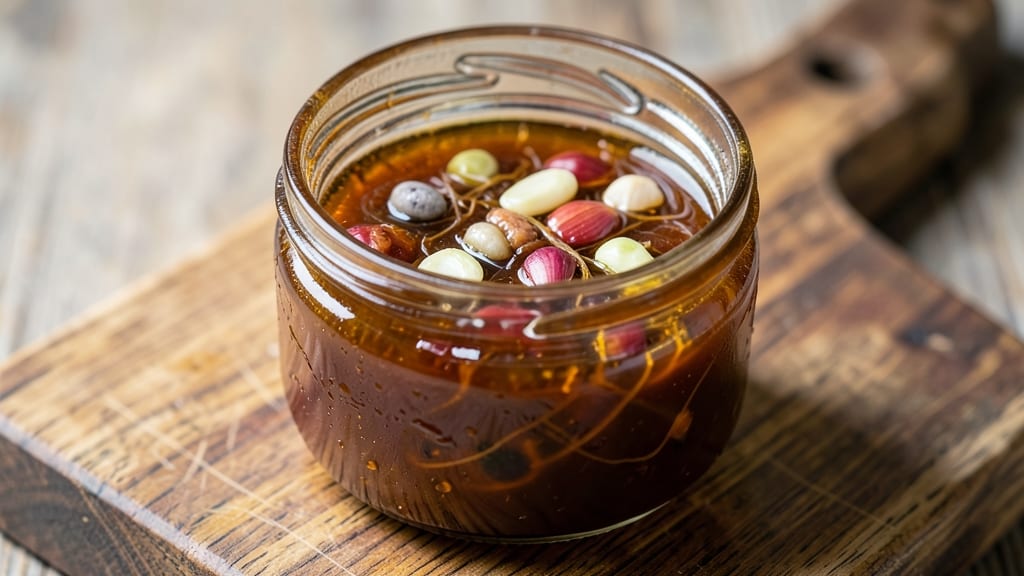
This authentic Worcestershire sauce recipe delivers the bold, fermented umami depth that makes it indispensable in kitchens worldwide. The traditional blend of vinegar, molasses, tamarind, and spices creates a complex sauce with layers of sweetness, tang, and savory richness. Fermentation transforms simple ingredients into something extraordinary—exactly like the original 19th-century recipe.
The secret lies in precise ingredient ratios and proper aging. Anchovies and cloves contribute deep umami and warmth, while tamarind adds that signature tangy complexity. Unlike commercial versions, this recipe captures the true fermented character that develops over time, enhancing its depth and balance.
Every element must be measured carefully to achieve the perfect harmony.
What you'll end up with is a sauce that elevates everything from steak and seafood to Bloody Marys and marinades. The fermentation process creates a distinct, slightly funky aroma that signals authenticity. Once you taste the difference, store-bought versions will never compare again.
Perfect for gifting, meal prep, or keeping on hand for quick flavor boosts. Let's create the real deal—starting with the ingredients.
Ingredients for authentic worcestershire sauce
Ten ingredients transform into a fermented umami masterpiece—authentic, complex, and unmatched by store-bought versions.
| Ingredient | Amount | Notes |
|---|---|---|
| White Vinegar 💧 | 2 cups | Distilled white vinegar preferred |
| Molasses 🍯 | ½ cup | Unsulphured molasses for depth |
| Tamarind Paste 🍈 | ¼ cup | High-quality, unsweetened preferred |
| Anchovy Fillets 🐟 | 4 oz | High-quality, salt-packed preferred |
| Garlic Cloves 🧄 | 4 cloves | Freshly crushed for maximum flavor |
| Shallots 🧅 | 2 whole | Finely minced for aromatic depth |
| Cloves 🌿 | 6 whole | Whole, not ground, for controlled flavor |
| Ground Black Peppercorns 🌶️ | 1 tsp | Freshly cracked preferred |
| Salt 🧂 | 1 ½ tsp | Diamond Crystal kosher salt |
| Tamari Sauce 🍶 | 2 tbsp | Gluten-free soy sauce alternative |
The quality of your vinegar and molasses forms the foundation. Distilled white vinegar ensures clarity without overpowering flavors, while unsulphured molasses from reputable brands like Anthony's delivers the richest depth. Tamarind paste is non-negotiable—Indian or Thai brands from specialty stores offer superior quality. Anchovies should be high-grade, salt-packed (like Crown Prince brand), as they provide the essential umami backbone. For the spices, Penzeys or bulk bins at natural markets guarantee potent, fresh flavors. The shallots and garlic must be freshly minced—their aromatic compounds are volatile and degrade quickly once pre-chopped.
No tamarind paste? Substitute 1 tbsp lemon juice plus 1 tbsp date syrup, though you'll sacrifice some complexity. Short on anchovies? Mushroom powder at 1 tsp adds umami depth, but fermentation will be less pronounced. The tamari can be swapped for regular soy sauce, though gluten-free versions better match traditional recipes. For a quicker (non-fermented) version, increase vinegar to 2.5 cups and reduce fermentation time to 3 days. The cloves and peppercorns are critical—omit only if allergic, as they contribute warmth and subtle heat that balances the sauce's sweetness and acidity. Always use freshly cracked peppercorns; pre-ground loses potency rapidly.
Fermentation is key—transfer the mixture to a clean glass jar, seal tightly, and store in a cool, dark place for 2-4 weeks, shaking daily. Strain through a fine-mesh sieve into sterilized bottles. Properly fermented sauce develops a distinct funky aroma and deep mahogany color. Once bottled, it keeps for up to 6 months refrigerated, though flavor peaks at 3 months. For gifting, use dark glass bottles to protect from light degradation. Always sterilize equipment to prevent contamination, and never use metal utensils during fermentation, as they can react with the acidity.
Why You'll Love This Recipe
- Pantry Magic: I swear by this recipe because it uses stuff I already have—no special trips to the store. That molasses and vinegar combo? It’s the backbone of everything from marinades to glaze, and I’m always reaching for it.
- Umami Bomb: Honestly, the anchovies and garlic in this sauce are chef’s kiss—deep, savory, and just a little funky. It’s the kind of flavor that makes store-bought sauce taste bland in comparison.
- Game-Changer for Meals: This isn’t just for steak sauce. I drizzle it on roasted veggies, toss it into stir-fries, or even mix it into mayo for sandwiches. The tamarind gives it that tangy-sweet balance that works everywhere.
- Budget-Friendly Staple: A little goes a long way, and it keeps for months in the fridge. I make a big batch, freeze extras, and never stress about running out. Plus, anchovies are dirt cheap compared to fancy sauces.
Step-by-step instructions for authentic Worcestershire sauce
Mastering this traditional fermented sauce requires patience and precision in layering flavors.
Prepare the Fermentation Base
In a clean, sterilized glass jar with an airtight lid, combine the 2 cups white vinegar, 0.5 cup molasses, and 2 tbsp tamari sauce. Stir thoroughly until the molasses dissolves completely, creating a smooth, amber-colored liquid. The vinegar's acidity will preserve the mixture while the molasses provides that signature deep sweetness.
Add the 4 oz anchovy fillets, 2 whole shallots (finely minced), 4 cloves garlic (crushed), and 6 whole cloves. The anchovies will dissolve into the mixture, contributing their umami richness, while the shallots and garlic provide aromatic depth. Stir again to ensure all ingredients are fully incorporated. The mixture should be completely submerged under the liquid to prevent mold growth during fermentation.
Add Aromatics and Seasonings
In a small bowl, mix the 1 tsp ground black peppercorns and 1.5 tsp salt with the 0.25 cup tamarind paste. The tamarind paste is crucial—it provides the tangy, slightly fruity complexity that distinguishes authentic Worcestershire sauce. Add this mixture to the jar and stir vigorously until fully combined. The tamarind should disperse evenly, creating a thick, syrupy consistency.
This is where the magic happens: the tamarind's acidity will react with the vinegar and molasses, developing layers of flavor over time. Seal the jar tightly and let it sit at room temperature for 24 hours before proceeding. This initial rest period allows the ingredients to begin melding together, creating a cohesive base for fermentation.
Ferment for Maximum Depth
After the 24-hour rest, transfer the jar to a dark, cool place (like a pantry or cellar) where the temperature remains between 60-70°F. Ferment the sauce for 4-6 weeks, stirring gently every 3-4 days to ensure all ingredients remain submerged and the flavors develop evenly. The fermentation process is critical—it transforms the raw ingredients into a complex, umami-rich sauce with depth you won't find in commercial versions.
You'll notice the mixture darkening slightly and developing a richer aroma over time. The longer it ferments, the more pronounced the flavors become, but 6 weeks is ideal for balancing sweetness, acidity, and umami. If you detect any off smells (like sourness or rot), discard the batch immediately—fermentation gone wrong can ruin the entire process.
Strain and Bottle for Storage
After fermentation, strain the mixture through a fine-mesh sieve or cheesecloth into a clean glass bottle, pressing gently on the solids to extract every last drop of flavor. The strained sauce should be thick, syrupy, and deep amber in color. Discard the solids—they've done their job contributing flavor but aren't meant to be consumed.
Store the bottled sauce in a cool, dark place. It will continue to mature and develop complexity over time, but it's ready to use immediately. The sauce keeps indefinitely when properly stored, with flavors actually improving as it ages. Use it to elevate marinades, glazes, or as a finishing touch for dishes where authentic umami depth matters most.
Pro Tips For Making Authentic Worcestershire Sauce
- Simmer Slow and Steady: I learned this the hard way—rushing the simmer turns your sauce into vinegar-flavored molasses sludge. Keep the heat at a gentle bubble (just small ripples, not a rolling boil) for at least 20 minutes. This lets the tamarind and anchovies meld without burning, giving you that deep, balanced umami kick.
- Toast the Anchovies First: Skip the raw anchovies—dry them on a skillet over medium heat for 30 seconds until they darken slightly. This removes the fishy sharpness and concentrates their flavor. Add them to the vinegar after toasting, then simmer them in. Trust me, your sauce won’t taste like a fish tank.
- Strain Twice, Strain Right: After simmering, strain through a fine-mesh sieve once to catch big bits, then pour through a coffee filter for the final pass. This removes the gritty tamarind fiber and anchovy residue that ruins texture. Do it while the sauce is still warm—it filters cleaner and faster.
- Balance the Molasses Early: Taste the sauce before adding all the molasses. If it’s too sweet, add a splash of vinegar later to cut through it. If it’s too sharp, a pinch of salt or a dash of tamarind paste (yes, more) fixes it. Adjust in 5% increments—you’re aiming for a perfect tang-sweet ratio, not a candy syrup.
Regional styles of this recipe
British Colonial Roots
The original Worcestershire sauce was created in 1835 by Lea & Perrins in Worcester, England, as a fermented condiment blending British and Indian influences. The recipe combined British vinegar and molasses with Indian tamarind and spices, reflecting the colonial trade routes of the time.
This fusion of flavors became a staple in British households, particularly for enhancing meat dishes and Bloody Mary cocktails. 🌍
Indian Tamarind Influence
The tamarind paste is the heart of authentic Worcestershire sauce, bringing its signature tangy-sweet complexity. Indian tamarind, with its sour, fruity notes, contrasts beautifully with the sweet molasses and salty anchovies.
Traditional recipes often used Thai or Indian tamarind for its deeper flavor profile, which is still preferred today. The fermentation process amplifies these flavors, creating a sauce that’s far more complex than commercial versions.
American Adaptations
In the U.S., Worcestershire sauce became a pantry staple, especially in Southern and Midwestern kitchens, where it’s used in everything from BBQ sauces to steak marinades. American adaptations often include extra molasses for sweetness or hot sauce for heat, but the core fermentation process remains the same.
Brands like Lea & Perrins still dominate, though homemade versions are gaining popularity for their richer, funkier depth.
Japanese Fermentation Twist
Some modern chefs experiment with Japanese fermentation techniques, like adding miso paste or koji mold, to deepen the umami even further. This fusion approach creates a sauce with earthier, nuttier notes while keeping the traditional tang.
It’s a great way to elevate the sauce for Asian-inspired dishes or umami-forward recipes. Just be sure to adjust fermentation times—Japanese methods often require shorter aging due to the added microbial activity.
Vegetarian Alternatives
For a plant-based version, swap anchovies for mushroom powder (like umami-rich shiitake) and use vegan molasses (such as blackstrap molasses). Fermentation still works, though the flavor will be slightly less complex.
This adaptation keeps the tangy, sweet profile while making it accessible to vegetarians. Just ensure all ingredients are non-animal-derived for full authenticity to the vegetarian diet.
Storage and Gifting
Once fermented, store your sauce in dark glass bottles to protect it from light, which can degrade flavors over time. For gifting, amber or cobalt glass bottles are ideal—they preserve the sauce’s rich color and depth.
Label clearly with the fermentation date and best-by date (up to 6 months when refrigerated). The deeper the fermentation, the more rewarding the gift—just be sure to mention the funky aroma as a sign of authenticity! 🎁
Nutrition facts
Frequently asked questions
Why does authentic Worcestershire sauce need fermentation?
Fermentation develops the sauce's complex umami depth and funky aroma that store-bought versions can't replicate. The process allows vinegar, molasses, and tamarind to interact with anchovies and spices, creating layers of flavor that simply don't happen through quick mixing. This traditional method mirrors the original 19th-century recipe's approach to flavor development.
Can I make this sauce without tamarind paste?
Yes, but you'll lose some authentic complexity. Substitute with 1 tbsp lemon juice plus 1 tbsp date syrup for tangy sweetness. For deeper umami, add ½ tsp mushroom powder. The fermentation will still work, though the final product will taste more like a sweet-savory vinegar blend than true Worcestershire.
How do I know when fermentation is complete?
Look for a deep mahogany color and a funky, slightly sour aroma (like aged vinegar). After 4 weeks, taste a small amount—it should be tangy with developing umami. If it smells off (rotten or overly sharp), discard it immediately. The longer it ferments (up to 6 weeks), the more complex the flavor becomes.
What's the best way to store homemade Worcestershire sauce?
Use dark glass bottles to protect from light, which degrades flavors. Store in a cool, dark pantry for up to 6 months, or refrigerate for longer shelf life. The sauce actually improves with age! For gifting, amber bottles preserve both color and flavor beautifully while highlighting the authentic fermented character.
Can I adjust the heat level in this recipe?
Yes! For extra heat, add ½ tsp cayenne pepper or 1 tsp hot sauce during fermentation. For milder sauce, omit the whole cloves or reduce black pepper to ½ tsp. The fermentation process naturally mellows spice intensity, so adjustments should be conservative—start small and taste as you go.