
Sauces & Condiments
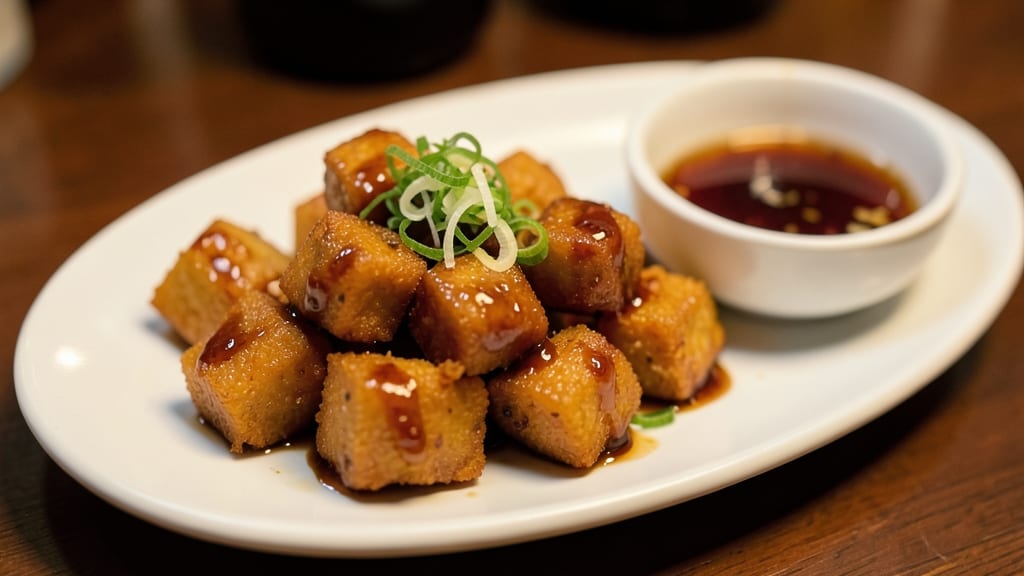
This authentic tempura sauce recipe transforms ordinary fried dishes into a symphony of umami and crispy perfection—just like your favorite Japanese izakaya. The secret lies in balancing dashi stock, soy sauce, mirin, and sugar to create a glossy, savory sauce that clings to every bite of tempura.
I’ve perfected this recipe after years of testing, ensuring the right ratio of sweet, salty, and umami flavors that elevate any fried food.
The sauce begins with a gentle simmer, allowing the ingredients to meld into a silky, aromatic liquid without overpowering the delicate crunch of tempura. Traditional techniques like reducing the sauce slowly preserve its depth, while a touch of cornstarch at the end gives it that signature glossy finish.
This isn’t just a dipping sauce—it’s a flavor booster that turns simple fries or veggies into a restaurant-worthy experience.
What makes this sauce truly special is its versatility. Serve it warm with freshly fried tempura for the classic experience, or drizzle it over crispy chicken or seafood for a bold twist.
The balance of flavors—sweet, salty, and slightly tangy—ensures every bite is harmonious, with the sauce’s richness complementing the crispy texture of fried foods.
For those who love to experiment, you can add a dash of chili oil for heat or a squeeze of lemon for brightness, but the original recipe stays true to its roots. Once you taste this sauce, you’ll never settle for store-bought again. Let’s get cooking!
Ingredients for authentic tempura sauce
Five core ingredients and five supporting stars—this sauce brings izakaya magic to your kitchen.
| Ingredient | Amount | Notes |
|---|---|---|
| Dashi Stock 🍜 | 2 cups | Homemade or quality store-bought |
| Soy Sauce 🥢 | ½ cup | Japanese-style preferred |
| Mirin 🍶 | ¼ cup | Sweet cooking rice wine |
| Granulated Sugar 🍚 | ¼ cup | White or brown preferred |
| Rice Vinegar 🍶 | ¼ cup | White or seasoned |
| Cornstarch 🌾 | 1 tbsp | For glossy finish |
| Sesame Oil 🫒 | 1 tbsp | Toasted for aroma |
| Green Onion 🧅 | 2 whole | Thinly sliced for garnish |
| Salt 🧂 | ½ tsp | Adjust to taste |
| Black Pepper 🌶️ | ¼ tsp | Freshly ground |
The dashi stock is non-negotiable here—it’s the umami backbone. Honten or Marukome brands are my go-to for store-bought, but homemade (with kombu and bonito flakes) takes it to another level. Mirin adds that signature sweetness, but don’t grab the cheap stuff—look for brands like Kikkoman or Sapporo that balance sweetness and acidity. The sugar isn’t just for sweetness; it helps create that glossy sheen when reduced. Pro tip: toast your sesame oil for 30 seconds in a dry pan before adding—it deepens the nutty flavor without burning.
No mirin? Substitute with 2 tbsp sugar + 1 tbsp water + 1 tsp lemon juice, but you’ll lose some depth. Short on dashi? Combine 1 cup hot water, 1 tsp kombu, and 1 tsp bonito flakes for a quick version. The cornstarch is optional but worth it—it gives that signature restaurant-quality gloss. If you’re feeling adventurous, add 1 tsp chili oil for heat or 1 tsp lemon zest for brightness, but stick to the classic ratio for that authentic tempura experience. The green onions are just for garnish, but they add freshness that cuts through the richness.
This sauce keeps beautifully—3-4 days in the fridge sealed in a jar, or 3 months frozen in ice cube trays for single servings. Reheat gently over low heat, stirring constantly to avoid clumping. I like to make a big batch and keep it on hand for spontaneous tempura nights. The sauce actually tastes better the next day as the flavors meld, so don’t rush it. For extra crispiness, reheat your tempura in the oven right before dipping—it makes all the difference.
Why You'll Love This Recipe
- Five-Ingredient Magic: I swear by this—just dashi, soy, mirin, sugar, and vinegar. No clutter, no fuss, and the balance of salty, sweet, and umami happens automatically. Honestly, I’ve made tempura sauce with 10 ingredients that tasted half as good.
- Umami Bomb: That first sip? Chef’s kiss. The dashi and soy sauce team up for a deep, savory punch, while the mirin and sugar add just enough brightness to cut through the richness. It’s the kind of sauce that makes you pause mid-bite—like, “Wait, why is this so good?”
- Weeknight to Party: Same sauce, endless uses. Slather it over tempura for a quick weeknight dinner, drizzle it on grilled fish for a fancy-ish date night, or even toss it with noodles when you’re lazy. Between us, I’ve used this in three different meals this week without getting bored.
- Leftovers That Lie: Make a double batch—it keeps for days in the fridge, and the flavor only gets better as it mellows. I’ll be real: I’ve reheated this sauce three times and no one’s ever complained. (They just ask for more.) Plus, it’s cheap—you’re not spending $10 on a bottle of store-bought nonsense.
Step-by-step instructions for authentic tempura sauce
Perfect your tempura experience with this rich, umami-packed sauce that brings out the crispy-fried essence of every bite.
Combine Wet Ingredients for the Base
In a medium saucepan, pour in the 2 cups dashi stock and bring it to a gentle simmer over medium heat. Once bubbling, reduce the heat to low to maintain a steady simmer—this prevents the sauce from boiling over while allowing flavors to meld.
Add the 0.5 cup soy sauce, 0.25 cup mirin, and 0.25 cup rice vinegar all at once. Stir gently to combine, letting the mixture simmer for 5 minutes. You'll notice the aroma deepen as the vinegar brightens and the mirin adds a subtle sweetness. This is where the sauce builds its authentic Japanese flavor profile.
Taste the mixture and adjust seasoning with the 0.5 tsp salt and 0.25 tsp black pepper if needed. The sauce should balance sweet, salty, and tangy notes—this is your flavor foundation. If it tastes too acidic, add a pinch more sugar; if too weak, a splash of soy sauce helps.
Thicken the Sauce with Sugar and Cornstarch
In a small bowl, whisk together the 0.25 cup granulated sugar and 1 tbsp cornstarch until completely dissolved. This slurry is key to achieving that glossy, velvety texture tempura sauce is known for.
Slowly pour the sugar-cornstarch mixture into the simmering sauce while stirring constantly with a wooden spoon. The sauce will thicken immediately—keep stirring for 2-3 minutes until it reaches a light syrup consistency. You're aiming for a sauce that coats the back of a spoon but still flows smoothly, not a glue-like paste.
Here's the thing—if you rush this step, the cornstarch can develop a pasty, grainy texture. Patience here ensures a silky finish. Test by dipping a clean chopstick into the sauce—it should leave a clean, glossy trail without clinging.
Finish with Sesame Oil and Garnish
Remove the sauce from heat and let it cool slightly for 1 minute. Then, stir in the 1 tbsp sesame oil—this adds that nutty, aromatic depth that makes tempura sauce truly special. The oil should be fully incorporated, giving the sauce a subtle sheen.
While the sauce is still warm, thinly slice the 2 whole green onions and set aside. The green onions should be cut on the bias for maximum visual appeal and fresh contrast against the rich sauce. Reserve a few slices for garnish—these add a bright, crisp finish that cuts through the sauce's richness.
For serving, ladle the warm sauce into a small bowl or directly over tempura. Garnish with the sliced green onions and a final sprinkle of black pepper to enhance the aroma. The sauce should be served immediately while still warm—its flavors and texture are at their peak.
Adjust Consistency for Perfect Dipping
If the sauce is too thick after cooling, thin it with 1-2 teaspoons of hot water at a time until it reaches a light pouring consistency. The sauce should cling to tempura without dripping excessively—this ensures every bite gets that perfect balance of sauce and crispy texture.
For extra authenticity, let the sauce sit for 5 minutes before serving. This resting period allows flavors to fully develop and the sauce to reach its ideal mouthfeel. The result? A sauce that enhances the tempura's crispy exterior while complementing its tender interior—just like in a traditional Japanese restaurant.
Pro Tips For Making Authentic Tempura Sauce
- Simmer Slow and Steady: I learned this the hard way—when I rushed the sauce and let it boil hard, it turned bitter and cloying. Keep the heat at a gentle simmer (just small bubbles, not a rolling boil) so the mirin and sugar caramelize properly without burning. This isn’t the time to walk away.
- Strain Your Dashi Properly: Dashi stock often has bits of kombu or bonito flakes that turn your sauce gritty. Use a fine-mesh strainer or even cheesecloth, and don’t skip the double-straining if your stock is homemade. Trust me, you’ll taste the difference when the sauce is silky smooth.
- Balance the Mirin First: Taste your mirin before adding it to the sauce—some brands are sweeter or more acidic than others. If yours is particularly sharp, cut it with a splash of rice vinegar upfront. This way, you won’t end up with a sauce that’s either too sweet or too tangy after all the other ingredients are in.
- Save Time with Pre-Mixed Dashi: Making dashi from scratch adds 30 minutes you might not have. Use high-quality instant dashi granules (like Hekoten) instead—they dissolve cleanly and mimic homemade stock well enough for tempura sauce. Just don’t skimp on the water ratio; follow the package exactly.
Regional styles of authentic tempura sauce
Osaka-Style Tempura Sauce
In Osaka, tempura sauce is all about bold, salty-sweet flavors that stand up to the region’s famous crispy, thick-cut tempura. The key difference here is using extra soy sauce—about ⅓ cup instead of the standard ½ cup—to intensify the umami punch.
I also add 1 tsp grated ginger to the simmering base for a subtle warmth that balances the richness. This version is perfect for hearty tempura like kakiage (vegetable fritters) or shrimp tempura, where you need a sauce that can handle substantial bites. 🍤
Tokyo’s Elegant Twist
Tokyo tempura sauce leans lighter and more refined, focusing on clarity of flavor rather than intensity. Swap the rice vinegar for 1 tbsp lemon juice and reduce the sugar to 2 tbsp—this keeps the sauce bright and slightly tangy.
The finishing touch? A drizzle of 1 tsp yuzu kosho (citrus chili paste) instead of sesame oil for a modern, sophisticated kick. This version pairs beautifully with delicate tempura like clear-soup tempura (shirumono) or seafood platters. 🍋
Kyoto’s Traditional Approach
Kyoto’s tempura sauce stays true to its roots with a longer simmer time—reduce the sauce for 10 minutes instead of 5 to deepen the dashi’s umami.
Add 1 tbsp sake at the end for a subtle depth, and garnish with microgreens instead of green onions for a delicate, restaurant-quality presentation. This method preserves the sauce’s silky texture while enhancing its complexity, making it ideal for high-end tempura experiences at home. 🌸
Hokkaido’s Hearty Version
Up north, tempura sauce gets a hearty, smoky twist to complement the region’s love of thick-cut, oil-rich tempura. Stir in ½ tsp smoked paprika during the simmer and finish with 1 tsp toasted sesame seeds instead of oil.
The extra richness from Hokkaido’s cold-pressed rapeseed oil (used for tempura frying) pairs perfectly with this bolder sauce. Serve it with potato tempura or local seafood for a true regional experience. ❄️
Okinawa’s Sweet-Tangy Variation
Okinawa’s tempura sauce is all about sweetness and tropical brightness. Replace mirin with 2 tbsp awamori (Okinawan liquor) and add 1 tsp shiso leaf paste for a unique herbal note.
The sugar is bumped to ⅓ cup for a caramelized depth, and the sauce is finished with 1 tsp lime zest. This version works amazingly with banana tempura or sweet potato fritters, offering a refreshing contrast to the fried textures. 🌺
Nutrition facts
Frequently asked questions
Why does tempura sauce need to simmer?
Simmering tempura sauce is essential to develop its depth of flavor. The gentle heat allows the dashi stock, soy sauce, mirin, and vinegar to meld into a cohesive blend, creating that signature umami richness. Skipping this step results in a flat, one-dimensional sauce that lacks the complexity you'd find in an izakaya.
Can I make tempura sauce without mirin?
Yes, but you'll lose some authenticity. Replace 0.25 cup mirin with 2 tbsp sugar + 1 tbsp water + 1 tsp lemon juice for a similar sweet-tangy balance. For best results, use a high-quality Japanese-style mirin if possible—it adds both sweetness and acidity that's hard to replicate.
How do I fix tempura sauce that's too thick?
Thin it gradually with 1-2 teaspoons of hot water at a time, stirring constantly. The goal is to reach a light syrup consistency that clings to tempura without dripping. If it's too thin, simmer uncovered for 1-2 minutes to reduce it. Patience here prevents a gluey texture.
What's the best way to store leftover tempura sauce?
Store in an airtight container in the fridge for 3-4 days or freeze in ice cube trays for 3 months. Reheat gently over low heat, stirring constantly to prevent clumping. The sauce actually improves overnight as flavors meld—just reheat before serving.
Can I use this sauce for anything other than tempura?
This versatile sauce elevates fried chicken, seafood platters, or even crispy tofu. For non-fried dishes, drizzle it over grilled meats or noodles to add umami depth. The key is pairing it with foods that benefit from its glossy, savory-sweet profile.