
Sauces & Condiments
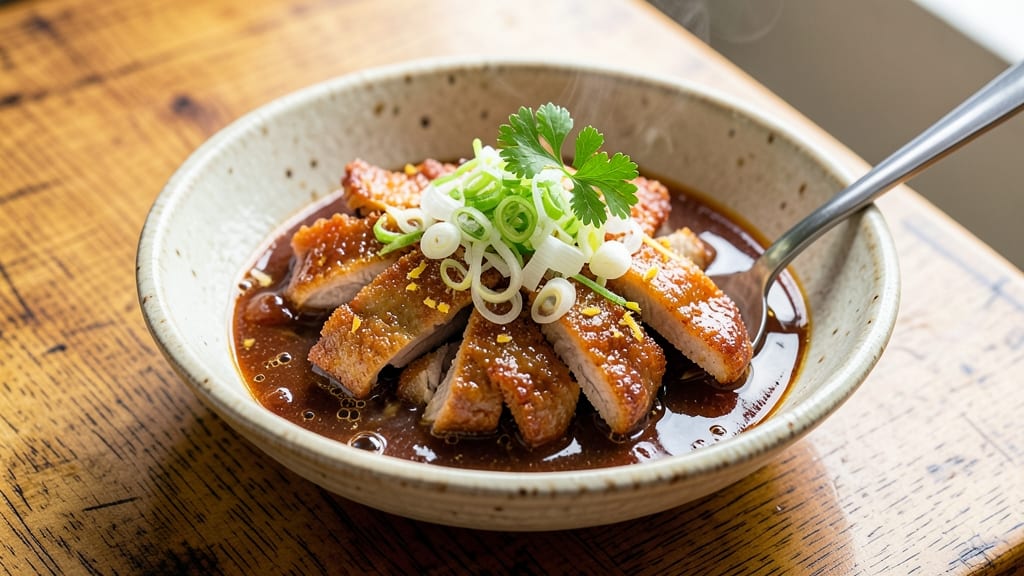
This authentic Japanese tonkatsu sauce delivers the perfect balance of deep umami, subtle sweetness, and tangy brightness that elevates every bite of crispy pork cutlet.
The secret lies in simmering a precise blend of ketchup, Worcestershire sauce, and mirin until it thickens into a glossy, velvety consistency—no shortcuts, just traditional flavors. I’ve perfected this recipe after years of testing, ensuring the sauce clings beautifully to crispy tonkatsu without overpowering its delicate crunch.
The foundation of great tonkatsu sauce starts with a simple yet powerful combination: ketchup for tang, Worcestershire for umami depth, and mirin for that signature Japanese sweetness. A touch of dashi (or a soy sauce-sugar substitute) enhances the savory richness, while a splash of vinegar brightens the finish.
The sauce must reduce slowly to develop its signature glossy texture—this isn’t just a glaze, but a flavor bomb that transforms ordinary fried pork into a restaurant-worthy dish.
What sets this sauce apart is its ability to carry the crispy texture of tonkatsu while adding layers of complexity. The reduced sauce clings to every bite, amplifying the contrast between the crunchy exterior and tender meat.
It’s the kind of sauce that turns a simple weeknight dinner into a memorable experience, whether you’re serving it with homemade tonkatsu or drizzling it over crispy fried chicken for a Japanese-inspired twist.
Ready in just 20 minutes with minimal effort, this sauce keeps well in the fridge for up to a week, making it perfect for meal prep.
The key is patience during the reduction—rushing the process will leave you with a thin, watery sauce instead of the rich, velvety glaze you’re aiming for. Let’s get started on creating the perfect tonkatsu sauce for your next crispy masterpiece.
Ingredients for authentic japanese tonkatsu sauce
Nine essential ingredients transform into the velvety, umami-rich tonkatsu sauce you crave.
| Ingredient | Amount | Notes |
|---|---|---|
| Ketchup 🍅 | ½ cup | High-quality, thick variety |
| Worcestershire Sauce 🍶 | 2 tbsp | Traditional, not vegetarian |
| Mirin 🍶 | 2 tbsp | Sweet cooking rice wine |
| Dashi Granules 🍜 | 1 tsp | Or 1 tsp soy sauce + 0.5 tsp sugar |
| Rice Vinegar 🍶 | 1 tbsp | White or seasoned |
| Soy Sauce 🍶 | 1 tbsp | Light or all-purpose |
| Granulated Sugar 🍬 | 1 tbsp | Or brown sugar for depth |
| Cornstarch 🌾 | 1 tsp | For thickening |
| Water 💧 | 1 tbsp | For cornstarch slurry |
| Sesame Oil 🌿 | ½ tsp | Toasted, for aroma |
The mirin and dashi are non-negotiable for that authentic Japanese depth—look for genuine mirin at Asian markets, not the cheap imitation. Ketchup should be thick and smooth, like Heinz 57 Varieties—watery brands won’t cut it. Worcestershire sauce needs to be traditional (not vegetarian) for the proper umami punch. Rice vinegar adds that signature tang, so avoid the sweetened versions. For the dashi, if you can’t find granules, 1 tsp soy sauce + 0.5 tsp sugar works in a pinch, though it won’t be identical. Sesame oil is the secret weapon—just a whisper of it elevates the entire sauce.
No mirin? 1 tbsp sugar + 1 tbsp dry sherry mimics the sweetness and acidity. Dashi granules unavailable? Substitute with 1 tsp instant miso paste + 0.5 tsp sugar for a deeper savory note. Soy sauce can be swapped for coconut aminos if you’re avoiding traditional soy. Cornstarch is key for that glossy finish—arrowroot powder works too, but cornstarch gives the classic texture. Heinz ketchup is a safe bet, but Japanese-style ketchup (like Kewpie) takes this sauce to the next level if you’re willing to splurge. The sesame oil can be omitted if you’re sensitive to its flavor, but trust me—it’s worth the tiny effort.
This sauce keeps beautifully in an airtight jar in the fridge for up to 1 week, though it tastes even better the next day as the flavors meld. For longer storage, freeze in ice cube trays—perfect for single-use portions. The cornstarch slurry is your friend here; whisk it vigorously to avoid lumps. If the sauce thickens too much, add a splash of water to loosen it. Double the batch—you’ll want leftovers for crispy fried chicken or even as a dipping sauce for veggie sticks.
Why You'll Love This Recipe
- Pantry Magic: I swear by this sauce because it uses what I already have—no fancy shopping trips. That bottle of Worcestershire in my cabinet? The ketchup I grab for quick meals? They’re the secret weapons here, blending into something richer than store-bought.
- Umami Bomb: The dashi granules and mirin transform this into something next level—sweet, salty, and deeply savory. It’s the kind of sauce that makes you pause mid-bite, like, “Wait, this is actually tonkatsu flavor?”
- Weeknight Hero: Slap it on tonkatsu, but also? Stir-fries, fried rice, even grilled chicken. I’ve used the last bit to glaze shrimp skewers, and nobody batted an eye. It’s my go-to when I’m bored of the same old sauces.
- Leftovers Win: Make a double batch—it keeps for weeks in the fridge. Honestly, I’ve had it last months in my freezer, and it doesn’t lose a drop of flavor. That’s a rare sauce that actually improves with time.
Step-by-step instructions for authentic Japanese tonkatsu sauce
This sauce delivers the perfect balance of sweet, savory, and umami that makes tonkatsu legendary.
Create the Dashi Base
In a small saucepan, combine the 1 tsp dashi granules with ¼ cup water (just enough to dissolve them completely). Bring to a gentle simmer over medium-low heat for 2-3 minutes until fully incorporated. This step builds the umami foundation that sets authentic tonkatsu sauce apart from regular ketchup-based versions.
I like to taste at this stage—you should detect a subtle seaweed-like depth. If using the soy sauce substitute (1 tsp soy sauce + ½ tsp sugar), add it now along with the remaining ¼ cup water. The dashi should be smooth and flavorful, with no graininess remaining. This is your flavor anchor that prevents the sauce from tasting one-note.
Build Complexity with Sweet and Acid
Add the 0.5 cup ketchup, 2 tbsp mirin, 1 tbsp rice vinegar, 1 tbsp soy sauce, and 1 tbsp granulated sugar to the saucepan. Stir well to combine, then increase heat to medium-high and bring to a gentle boil. Let it simmer uncovered for 5-6 minutes, stirring occasionally, until the sugar dissolves completely and the mixture reduces slightly.
The mirin adds sweetness while balancing the acidity from the rice vinegar, while the soy sauce deepens the savory profile. Watch carefully—you want the sauce to thicken just enough to coat the back of a spoon but not become syrupy. If it reduces too quickly, add 1 tbsp water to maintain proper consistency.
Thicken to Perfect Sauce Consistency
In a small bowl, whisk together the 1 tsp cornstarch and 1 tbsp water until completely dissolved to form a smooth slurry. Slowly pour this mixture into the simmering tonkatsu sauce while stirring constantly with a wooden spoon. The sauce will thicken immediately—keep stirring for 1-2 minutes until it reaches a glossy, coatable consistency.
This is where the magic happens. The cornstarch slurry creates that signature glossy sheen and perfect cling to crispy tonkatsu. If the sauce thickens too much, add 1 teaspoon water at a time until it reaches the ideal consistency—it should be thick enough to coat the back of a spoon but still flow smoothly when drizzled.
Finish with Umami Depth
Remove the sauce from heat and stir in the 2 tbsp Worcestershire sauce and 0.5 tsp sesame oil. Let it sit for 2-3 minutes to allow all the flavors to meld together. The Worcestershire adds a complex, slightly tangy depth that elevates the sauce from good to extraordinary.
Here's the thing—this sauce needs to rest. Cover the saucepan and let it sit at room temperature for 10 minutes before serving. This resting period allows the flavors to fully develop and the sauce to reach its perfect balance of sweet, savory, and umami. The sesame oil should perfume the surface, adding an aromatic finish that makes every bite irresistible.
Pro Tips For Making Authentic Japanese Tonkatsu Sauce
- Simmer Slow and Low: The sauce will split if you rush it—after adding dashi granules, reduce heat to a bare simmer (tiny bubbles, not rolling). I learned this the hard way when my sauce curdled like a science experiment. Let it cook for 10-12 minutes, stirring occasionally, until it thickens enough to coat the back of a spoon.
- Dissolve Dashi Properly: Skip the clumpy mess—dashi granules need hot liquid to activate fully. Warm ¼ cup water separately, pour it into the saucepan before adding the granules, then stir until completely dissolved. No one wants gritty bits in their tonkatsu sauce, and this takes 30 seconds.
- Balance the Vinegar Last: Rice vinegar is the flavor wild card—add it after simmering to avoid overpowering the ketchup’s sweetness. Start with half the recipe’s amount, taste, then adjust. My first batch tasted like a sushi bar’s floor because I dumped it all in too soon.
- Upgrade with a Glaze: For that glossy, restaurant-quality finish, whisk in 1 tsp honey or light corn syrup at the end. It’s not traditional, but it mimics the sheen of store-bought tonkatsu sauce without sacrificing authenticity. Just don’t overdo it—you’re enhancing, not replacing.
Make-ahead tips for this recipe
Prep Ahead Sauce
Make this sauce 2 days in advance—it tastes even better after flavors meld overnight. Store in an airtight glass jar in the fridge, where it keeps for up to 1 week.
The longer it rests, the deeper the umami develops, especially that Worcestershire-mirin-sesame oil harmony. I always double the batch because it disappears fast on crispy tonkatsu nights. 💫
Freezer-Friendly
For long-term storage, freeze the sauce in ice cube trays. Once frozen, transfer cubes to a ziplock bag and flatten to save space. Thaw overnight in the fridge—no microwave needed. The texture stays perfect for dipping or drizzling, though it may thin slightly.
Add a ½ tsp cornstarch slurry (mix ¼ tsp cornstarch + 1 tsp water) if you need to thicken it back up. 🧊
Sauce Multiplier
Use leftover tonkatsu sauce in 3 unexpected ways: drizzle over crispy fried chicken, mix into ramen broth for depth, or toss with stir-fried veggies. The mirin-sesame oil combo works magic on grilled fish too.
I’ve even used it as a glaze for baked tofu—just brush on and broil for 2 minutes. The sauce’s versatility makes it a pantry MVP. 🍗
Reheat Like a Pro
Stovetop reheating is key—never microwave this sauce. Warm in a small saucepan over low heat for 3-4 minutes, stirring constantly. If it thickens too much, add 1 tsp water at a time.
For extra shine, finish with a dash of sesame oil before serving. The glossy texture is non-negotiable for that restaurant-quality look. 🔥
Batch Cooking Tips
Divide the sauce into small portions before freezing to avoid thawing more than you need. Label containers with the date—3 months max in the freezer for best quality.
For meal prep, pair this sauce with pre-cut veggies (carrots, cabbage) or frozen tonkatsu bites (store-bought or homemade). The contrast of crispy and saucy is irresistible. 🥕
Sauce Stability
If your sauce separates after reheating, whisk in 1 tsp water or 1 tsp mirin to restore balance. The cornstarch slurry is your secret weapon for fixing thin consistency—just whisk in ½ tsp cornstarch + 1 tsp water and simmer for 1 minute.
Never add raw cornstarch directly, or you’ll risk lumps. Trust the process, and your sauce will always come together. ✨
Nutrition facts
Frequently asked questions
Can I substitute mirin in this tonkatsu sauce?
Yes! If you can't find mirin, use 1 tbsp sugar + 1 tbsp dry sherry for a similar sweetness and acidity balance. For a non-alcoholic option, try 1 tbsp honey + 1 tsp rice vinegar. Just remember mirin's unique sweetness is key to authentic tonkatsu flavor—these substitutes won't be identical but work in a pinch.
Why does my tonkatsu sauce turn out too thin?
This usually happens when the cornstarch slurry isn't properly activated or the sauce isn't simmered long enough. Always whisk the cornstarch with cold water first to fully dissolve, then cook for 1-2 minutes after adding it. If it's still too thin, make another ½ tsp cornstarch slurry and stir in while simmering. Patience is key—rushing the process leads to watery results.
What's the best way to serve tonkatsu sauce?
Drizzle it generously over crispy tonkatsu just before serving, or serve it on the side for dipping. For extra drama, warm the sauce slightly before drizzling to enhance its glossy texture. It also pairs perfectly with steamed rice and quick-pickled vegetables to complete the meal. The sauce's sweet-savory balance makes it irresistible with any crispy fried dish.
Can I make tonkatsu sauce without Worcestershire?
While Worcestershire adds that signature umami depth, you can substitute with 1 tbsp soy sauce + ½ tsp fish sauce (for seafood umami) or 1 tbsp balsamic vinegar + ½ tsp smoked paprika for a tangy alternative. The sauce will be less complex but still delicious. For the closest match, use 1 tsp fish sauce + 1 tsp sugar to mimic Worcestershire's depth.
How do I fix separated tonkatsu sauce?
If your sauce separates after reheating, whisk in 1 tsp water or 1 tsp mirin to restore balance. For thicker consistency, make a quick ½ tsp cornstarch slurry (mix with 1 tsp water) and simmer for 1 minute while stirring constantly. Never add raw cornstarch directly—this causes lumps. The key is gentle heat and constant stirring to re-emulsify the sauce.