
Sauces & Condiments
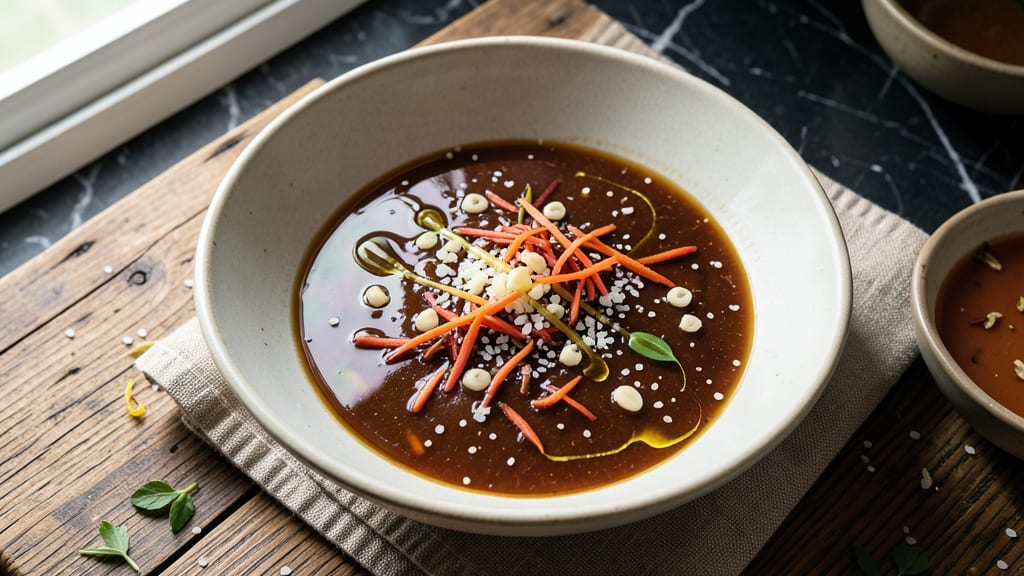
This authentic stir fry sauce recipe delivers the umami-packed balance that transforms simple ingredients into restaurant-quality flavor. The secret lies in a precise blend of soy sauce, garlic, ginger, and a touch of sugar—simmered just long enough to develop depth without overpowering.
I’ve perfected this sauce over years of testing, ensuring every spoonful carries that signature tangy-sweet complexity found in Asian wok houses.
The sauce starts with a simple base of soy sauce and vinegar, then builds layers of flavor through garlic, ginger, and a hint of sesame oil. A cornstarch slurry thickens it to the perfect consistency—just enough to coat vegetables and proteins without making them soggy.
What sets this apart is the balance: salty, sweet, and aromatic all at once, with a finish that lingers just right.
What you’ll end up with is a versatile sauce that elevates stir-fries, noodles, or even grilled meats to new heights. The umami richness comes from the soy sauce and a splash of fish sauce (optional but recommended), while the sugar caramelizes slightly during simmering, adding a subtle sweetness.
It keeps well in the fridge for up to a week, making it a pantry staple for quick weeknight meals.
Use it on chicken, shrimp, tofu, or vegetables—this sauce adapts effortlessly. The key is letting it reduce slightly before tossing with your ingredients, so every bite absorbs that perfect balance of flavors. Here’s how to make it.
Ingredients for authentic stir fry sauce
Nine essential ingredients transform into a restaurant-quality stir-fry sauce in minutes.
| Ingredient | Amount | Notes |
|---|---|---|
| Soy Sauce 🍶 | ½ cup | High-quality, reduced if possible |
| Rice Vinegar 🍶 | ¼ cup | White or seasoned variety |
| Garlic Cloves 🧄 | 6 cloves | Minced finely for depth |
| Fresh Ginger 🌿 | 1 tbsp | Grated, not powdered |
| Granulated Sugar 🍚 | 1 ½ tbsp | For subtle caramelization |
| Sesame Oil 🫒 | 1 tbsp | Toasted for aroma |
| Fish Sauce 🐟 | 1 tbsp | Optional but recommended |
| Cornstarch 🌾 | 1 tbsp | For thickening slurry |
| Water 💧 | 2 tbsp | For cornstarch slurry |
| Salt 🧂 | ½ tsp | Adjust to taste |
The soy sauce is the foundation—Kikkoman or Lee Kum Kee are reliable choices, but any high-quality brand works. Fresh ginger and garlic are non-negotiable; powdered versions lack the depth. Asian markets often carry better ginger roots and garlic cloves, but grocery stores will do in a pinch. Look for ginger with smooth skin and no soft spots, and garlic that’s firm and free of sprouts. The fish sauce, while optional, adds that signature umami punch—Red Boat is a top-tier brand if you want to splurge, but even budget options work.
No fish sauce? Substitute with an extra tablespoon of soy sauce—it won’t be identical, but it’ll still deliver. Running out of rice vinegar? Apple cider vinegar works in a bind, though the flavor profile shifts slightly. The cornstarch slurry is key for that silky texture—don’t skip mixing it thoroughly or you’ll end up with lumps. For extra authenticity, toast the sesame oil in the pan for 30 seconds before adding other ingredients—this releases its nutty aroma and takes the sauce to the next level.
Store leftovers in an airtight container in the fridge for up to 1 week. The sauce thickens as it cools, so give it a quick stir before using. For longer storage, freeze in ice cube trays—perfect for single-use portions. If you make a big batch, portion it into small jars or containers so it’s ready to toss with stir-fries, noodles, or grilled proteins at a moment’s notice. The flavor actually improves after a day or two as the ingredients meld together.
Why You'll Love This Recipe
- Pantry Magic: I swear by this sauce—no specialty shopping needed. Just reach for soy sauce, vinegar, and the ginger/garlic you already have lurking in your fridge. Honestly, I’ve made it with whatever was on hand and it still delivers.
- Umami Bomb: That first hit of garlic and ginger sizzling in the pan? Pure flavor payoff. The sugar just rounds out the sharpness, giving it this addictive balance—salty, sweet, and tangy all at once. (Yes, even on a Tuesday night.)
- Weeknight Swiss Army: Slap this on noodles, toss it with tofu, or drizzle it over grilled chicken—it’s my go-to for when I’m tired of the same old sauce. Between us, I’ve used it for everything from stir-fries to quick dumpling dips, and it never lets me down.
- Budget Stretch: A few cents’ worth of ingredients stretches to feed four (or more, if you’re feeding teenagers). The leftovers? I freeze them in ice cube trays—just pop one in when I’m craving that same bold taste without extra effort.
Step-by-step instructions for authentic stir fry sauce
This sauce delivers restaurant-quality depth with balanced umami and brightness in minutes.
Prepare the Aromatics
In a small bowl, finely mince the 6 cloves garlic and grate the 1 tablespoon fresh ginger using a microplane. The goal is to create a paste-like texture that will infuse flavor directly into the sauce. I press the garlic and ginger through a sieve to remove any fibrous bits—this ensures a silky, smooth sauce without texture.
Set these aside for now. The freshness of these ingredients is critical—they provide the aromatic foundation that separates homemade sauce from store-bought. If using pre-minced garlic, drain it thoroughly to remove any excess moisture that could dilute your sauce.
Create the Base Sauce
In a small saucepan over medium heat, combine the 0.5 cup soy sauce, 0.25 cup rice vinegar, 1.5 tablespoons granulated sugar, and 0.5 teaspoon salt. Stir to dissolve the sugar completely, then add the minced garlic and ginger. Bring to a gentle simmer and cook for 5-6 minutes until the mixture reduces by about 20% and the sugar caramelizes slightly.
You'll notice the sauce darken and thicken as it cooks. This reduction concentrates the flavors and creates that signature glossy finish. Taste occasionally—if it needs more depth, add the 1 tablespoon fish sauce now. The fish sauce adds complexity that soy sauce alone can't provide, but it's optional for vegetarian versions.
Add the Finishing Touches
Remove the sauce from heat and stir in the 1 tablespoon sesame oil. This step should happen off the stove to preserve the delicate toasted aroma of the oil. The sesame oil adds nutty warmth that balances the acidity of the vinegar and saltiness of the soy sauce.
For a smoother texture, whisk together the 1 tablespoon cornstarch and 2 tablespoons water in a small bowl until fully dissolved. Slowly drizzle this slurry back into the warm sauce while whisking constantly. Return to low heat and cook for 1-2 minutes until the sauce thickens to a glossy, coatable consistency—it should lightly coat the back of a spoon.
Adjust and Serve
Taste the sauce and make final adjustments. For more sweetness, add a pinch of sugar. For more umami, add a splash of soy sauce. For brightness, add a few drops of rice vinegar. The sauce should be balanced with all flavors—salty, sweet, tangy, and umami—present but not overpowering.
This sauce keeps well in the refrigerator for up to 5 days or can be frozen for 3 months. Use it within 24 hours of making for peak freshness. The subtle caramelization and proper thickening ensure it clings beautifully to stir-fried vegetables and proteins, delivering that authentic wok sauce experience.
Pro Tips For Making Authentic Stir Fry Sauce
- MINCE THAT GINGER: Fresh ginger’s power comes from its surface area—don’t just chop it into rough chunks. Use a microplane or the flat side of your knife to shave it into a fine paste, about 1/4-inch thick slices. This dissolves cleanly into the sauce instead of leaving stubborn fibers (and yes, even if you’re impatient like me, it’s worth the extra 30 seconds).
- BLOOM THE GARLIC: Crush those garlic cloves with the flat of your knife or a garlic press before adding them to the pan. This releases their oils and prevents them from burning into bitter bits. I learned this the hard way—charred garlic in stir-fry sauce is a flavor crime I won’t repeat.
- SWEAT THE AROMS FIRST: Low and slow for 2 minutes—don’t rush the garlic and ginger. Let them soften and perfume the oil before adding anything else. This builds the sauce’s depth instead of just masking it with vinegar and sugar later. (Your future self will notice the difference.)
- DILUTE THE VINEGAR: Add the rice vinegar last and thin it with a splash of water (about 1 tablespoon per 2 tablespoons vinegar). This keeps the sauce from curdling when mixed with soy sauce and sugar. I skip this step sometimes, and the sauce always tastes slightly off—like someone forgot to balance the flavors.
Storing and reheating this authentic stir fry sauce
Refrigerator Storage
Transfer your homemade stir-fry sauce to an airtight glass container—I recommend Pyrex or Le Creuset for durability—and store it in the fridge for up to 5 days. The sauce will naturally thicken as it cools, so give it a quick stir before using.
For best results, use it within 24 hours of making to preserve that fresh, vibrant flavor. 💫
Freezing for Later
For longer storage, freeze the sauce in ice cube trays or small silicone molds—this makes it easy to grab just what you need for a quick stir-fry. Once frozen, transfer the cubes to a freezer-safe bag and store for up to 3 months.
Thaw overnight in the fridge before using, or toss a cube directly into your hot wok for instant flavor.
Reheating Properly
To reheat, pour the sauce into a small saucepan and warm over low heat for 2-3 minutes, stirring constantly. Avoid high heat—it can break down the cornstarch and make the sauce grainy.
If the sauce seems too thick after reheating, add 1 teaspoon water at a time until it reaches the perfect glossy consistency. 🔥
Reviving Stale Sauce
If your sauce has separated or lost some brightness after a few days, don’t toss it! Add ½ teaspoon rice vinegar and ½ teaspoon sesame oil, then warm gently.
This trick restores the balance of flavors and brings back that restaurant-quality shine. Even "stale" sauce can become great again with a little TLC.
Portion Control
Divide the sauce into small jars or containers before storing—this prevents overuse and keeps the sauce fresh longer. A 2-tablespoon portion is perfect for a single stir-fry, while ¼ cup works well for marinating proteins or tossing with noodles.
Label each container with the date to track freshness and avoid waste.
Sauce Consistency Tips
If your sauce thickens too much after refrigeration, thin it with 1 teaspoon water or rice vinegar while reheating. For extra gloss, add ½ teaspoon toasted sesame oil just before serving.
The key is to maintain that perfect balance—salty, sweet, tangy, and umami—so every bite of your stir-fry shines. ✨
Nutrition facts
Frequently asked questions
Can I make this stir-fry sauce without cornstarch?
Yes! If you don't have cornstarch, substitute with 1 teaspoon arrowroot powder or even 1 tablespoon tomato paste for a slightly different texture. For a thicker sauce without thickeners, reduce the liquid by 5-10% longer during simmering. The sauce will be slightly less glossy but still delicious.
What's the difference between this sauce and hoisin sauce?
This recipe creates a classic wok sauce with balanced umami, sweetness, and tang—ideal for stir-fries. Hoisin sauce is thicker, sweeter, and includes fermented bean paste, giving it a distinct dark color and richer texture. While you can use this sauce as a substitute in some dishes, hoisin works better for glazing or dipping due to its stickier consistency.
How much sauce should I use for a typical stir-fry?
Start with 2-3 tablespoons for a single serving of vegetables or protein. For a family-sized stir-fry, use ¼ to ½ cup total. The sauce should lightly coat ingredients without making them soggy. Taste as you go—you can always add more, but it's harder to fix if you overdo it initially.
Can I use this sauce for marinating instead of stir-frying?
This sauce makes an excellent marinade for chicken, shrimp, or tofu. Use ¼ cup per pound of protein and marinate for 30-60 minutes (longer for tougher cuts). The acidity from the vinegar helps tenderize while the soy and fish sauce add deep flavor. Just reduce the marinating time if you're sensitive to high-sodium ingredients.
Why did my sauce turn cloudy or separate after refrigerating?
This usually happens when the cornstarch didn't fully dissolve or the sauce cooled too quickly. Stir well and reheat gently over low heat while whisking constantly. For extra insurance, whisk in ½ teaspoon sesame oil and ½ teaspoon rice vinegar to restore clarity and balance. The sauce should return to its glossy consistency with proper reheating.