
Sauces & Condiments
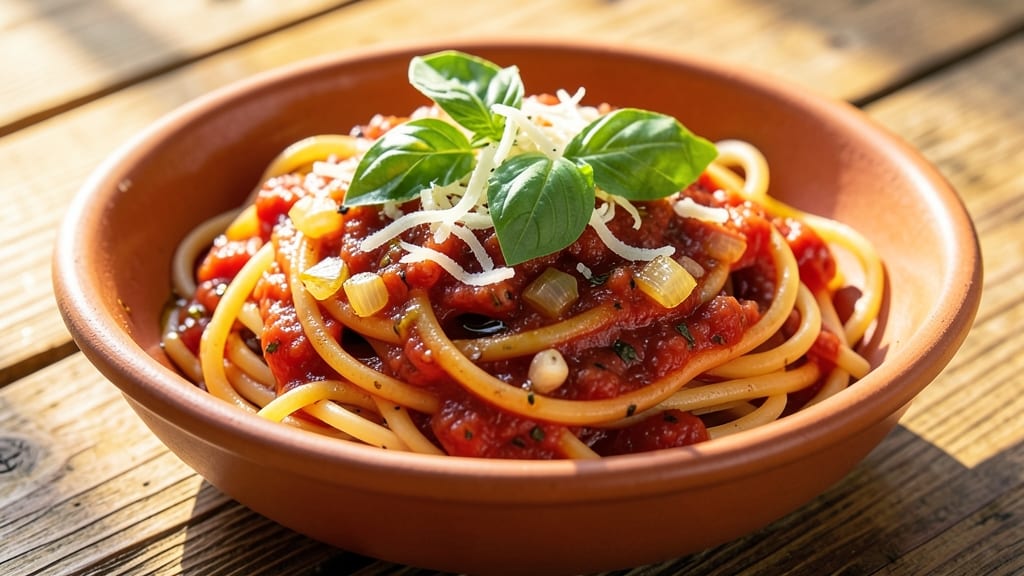
This authentic red sauce pasta recipe brings the soul of Italian nonna cooking to your kitchen with slow-simmered tomatoes and fresh basil. The secret lies in caramelizing onions and garlic before adding crushed tomatoes, creating a sauce so rich and flavorful it transforms simple pasta into a restaurant-worthy meal.
I developed this recipe after years of testing different methods, and it never fails to impress—whether you're feeding a family or treating yourself to a special dinner.
The beauty of this dish is its simplicity combined with depth. You'll start with a simple tomato base, but the slow simmering and addition of fresh basil at the end elevate it to something truly special.
The sauce clings perfectly to al dente pasta, creating every bite into a harmonious blend of sweet, tangy, and herby flavors. This is the kind of pasta dish that gets better with leftovers, as the flavors meld and intensify over time.
What sets this recipe apart is the balance of acidity and sweetness, achieved through careful cooking and the right ingredients. The sauce is rich enough to stand alone but light enough to let the pasta shine.
Serve it with a sprinkle of parmesan and a drizzle of olive oil for that final touch of authenticity. This is the kind of meal that feels like a warm embrace on a cold night.
Perfect for weeknight dinners or special occasions, this pasta dish is versatile enough to pair with grilled chicken, shrimp, or even a simple side salad. The sauce can be made ahead and reheated, making it ideal for meal prep.
Let's get cooking and bring a taste of Italy to your table.
Ingredients for authentic red sauce pasta
Fresh basil and slow-simmered tomatoes make this Italian classic unforgettable.
| Ingredient | Amount | Notes |
|---|---|---|
| Yellow Onions 🧅 | 1 whole | Diced into small pieces |
| Garlic Cloves 🧄 | 4 cloves | Minced for deep flavor |
| Extra-Virgin Olive Oil 🫒 | ½ cup | High-quality, fruity variety |
| Canned San Marzano Tomatoes 🍅 | 28 oz | Crushed by hand or blender |
| Fresh Basil Leaves 🌿 | ½ cup | Packed, stems removed |
| Parmesan Cheese 🧀 | ½ cup | Freshly grated from block |
| Pasta (Spaghetti or Penne) 🍝 | 12 oz | Dry, al dente preferred |
| Sea Salt 🧂 | 1 ½ tsp | Diamond Crystal preferred |
| Black Pepper 🌶️ | ½ tsp | Freshly ground for bite |
| Red Wine (Optional) 🍷 | ¼ cup | Dry, bold variety like Chianti |
| Sugar 🍚 | 1 tsp | Balances acidity |
| Vegetable Broth 💧 | ½ cup | Low-sodium preferred |
The tomatoes are everything here. San Marzano is non-negotiable for that sweet, rich flavor—Trader Joe's or Whole Foods carry them year-round. Fresh basil? Farmers markets have the best, but grocery store bunches work too (just pick the brightest leaves). The onions and garlic need time to caramelize—don't rush this part. I always grab Diamond Crystal salt for the right texture, but any kosher salt works. Pro tip: Check your tomatoes for bruises before buying—those make the sauce bitter.
No red wine? Substitute extra vegetable broth—just add another 0.25 cup. Short on basil? Dried oregano at half the amount works in a pinch, but fresh is worth hunting down. Pre-grated Parmesan gets clumpy—always grate your own from a wedge. The pasta? Spaghetti or penne are classic, but any shape works. For extra richness, add a splash of pasta water when tossing—it's liquid gold. And if your sauce looks too thick after simmering? Add a splash of water or broth to loosen it up.
This sauce tastes even better the next day—flavors meld beautifully after resting. Store leftovers in an airtight container for up to 5 days in the fridge, or freeze for 3 months. I always make double batches because it disappears fast. Reheat gently on the stove with a splash of water to keep it silky. Pasta reheats well too—just toss with a little olive oil and warm sauce. Leftovers make quick lunches for days.
Why You'll Love This Recipe
- No-Chop Nightmares: That onion and garlic combo? You just dice one, slow-sauté it in olive oil until it’s golden and sweet—not raw and pungent. The San Marzano tomatoes handle the rest, so you’re not stuck peeling or chopping mountains of fresh ones.
- San Marzano Magic: Honestly, the difference between this sauce and others is night and day. Those tomatoes? Sweet, meaty, and packed with flavor—no watery mush here. Simmer them with a splash of olive oil and a few basil leaves, and you’ve got a sauce that tastes like it simmered all day.
- Leftover Goldmine: This sauce actually improves the next day. Taste it fresh, then refrigerate it—it thickens up perfectly, so you can reheat it for lunch or toss it with leftover pasta. My lunchbox has never been happier.
- Budget-Friendly Luxury: You’re getting restaurant-quality flavor for pennies. San Marzano tomatoes and fresh basil might sound fancy, but they stretch like crazy—this recipe feeds four for under $10, and the leftovers? Even better the next day.
Step-by-step instructions for authentic red sauce pasta
Here's how to build a rich, slow-simmered tomato sauce that tastes like it's been simmering all day.
Sauté Aromatics Until Fragrant
Heat the 0.5 cup extra-virgin olive oil in a large Dutch oven over medium-low heat. Add the diced yellow onions and cook for 5-6 minutes until they become translucent and just beginning to soften. This gentle cooking prevents them from burning and releases their natural sweetness.
Add the minced garlic cloves and cook for another 30 seconds until you can smell that irresistible garlic aroma. Don't let it brown—just let it perfume the onions. If you see the garlic turning golden, you've gone too far. The base should smell sweet, earthy, and just slightly garlicky at this point.
Build the Tomato Sauce Foundation
Pour in the 0.25 cup red wine (if using) and let it simmer for 2-3 minutes until it reduces by about half and the alcohol smell disappears. This step deepens the sauce's complexity by concentrating the wine's flavors.
Add the 28 oz canned San Marzano tomatoes, breaking them up with your hands if they're whole. Stir in the 1 tsp sugar and 1.5 tsp sea salt, then bring the mixture to a gentle simmer. The sugar helps balance the tomatoes' natural acidity while the salt enhances their flavor. Let it cook uncovered for 20-25 minutes while you prepare the pasta.
Simmer the Sauce to Perfection
After the initial simmer, stir in the 0.5 cup vegetable broth and 0.5 tsp black pepper. Reduce the heat to low and let the sauce simmer uncovered for another 30-40 minutes. This slow cooking allows the flavors to meld and the sauce to thicken naturally as the water content evaporates.
Taste the sauce and adjust the seasoning if needed. It should be rich, slightly sweet, and deeply tomatoey. The sauce is ready when it coats the back of a spoon and has a velvety consistency. If it's too thick, add a splash of water or broth to reach your desired texture.
Finish with Fresh Basil and Pasta
Cook the 12 oz pasta (spaghetti or penne) in well-salted boiling water until al dente. Reserve 1 cup of the pasta water before draining. This starchy water is key to achieving that silky sauce consistency.
Add the drained pasta to the simmering sauce along with the fresh basil leaves. Toss gently to coat, adding reserved pasta water 1 tablespoon at a time until the sauce clings beautifully to each strand. The basil should be added at the end to preserve its bright, fresh flavor.
Serve with Freshly Grated Parmesan
Divide the pasta among plates and top each serving with freshly grated Parmesan cheese. The freshly grated cheese makes all the difference—it melts beautifully into the sauce and adds a salty, umami depth that pre-shredded cheese can't match.
Serve immediately while the pasta is hot and the sauce is at its peak flavor. The combination of slow-simmered tomato sauce, al dente pasta, and fresh basil creates an authentic Italian experience that's simple yet deeply satisfying. Each bite should deliver rich tomato flavor, tender pasta, and aromatic basil notes.
Pro Tips For Making Authentic Red Sauce Pasta
- CRUSH THE ONIONS: Dice them into 1/4-inch pieces—no smaller, or they’ll turn to mush before the garlic gets its chance to sing. I used to rush this and end up with a watery base; patience here means a sauce that actually tastes like it has depth.
- LOW AND SLOW TOMATOES: Simmer the San Marzano tomatoes uncovered on medium-low heat for at least 20 minutes. The sauce thickens better this way, and the acidity mellows out—no need to add sugar or extra salt later. (Yes, even if you’re impatient like me.)
- SALT THE TOMATOES FIRST: Drain the canned tomatoes, then sprinkle them with 1/2 teaspoon of salt right in the can before crushing. Lets the flavors bloom while you sweat the onions, and you won’t end up with a bland, watery mess. My grandmother swore by this, and she was right.
- RESERVE THE BASIL: Tear the fresh basil leaves and set aside 10% of them for finishing. Tossing them in too early turns them bitter—save them for the last 30 seconds of cooking, when they’ll release their bright, fresh aroma. (Your future self will thank you.)
Essential equipment for this dish
Dutch Oven
This is my non-negotiable tool for making red sauce pasta—nothing beats a heavy-gauge Dutch oven for even heat distribution and deep flavor development. I use a Le Creuset 5.5-quart with its signature enameled interior, but any high-quality brand like All-Clad or Lodge works.
The deep sides prevent splattering when adding tomatoes, and the durable base maintains steady medium-low heat for that critical simmer. 🔥
Wooden Spoon
A long-handled wooden spoon (I prefer Oxo Good Grips) is essential for stirring the sauce without scratching the Dutch oven or burning your hands. Wood gently scrapes up browned bits from the bottom, adding depth to your sauce.
Avoid metal utensils—they can react with acidic tomatoes over time. For extra durability, I soak mine in warm, soapy water after each use. ✨
Cheese Grater
Freshly grated Parmesan transforms your dish, so skip the pre-shredded stuff! A microplane grater or box grater with medium holes (like Oster) gives you that perfect balance of texture and meltability. I always grate directly over the pasta to minimize waste.
Pro tip: Store your grated cheese in an airtight container with a paper towel to absorb moisture and keep it fresh for up to 5 days. 🧀
Pasta Pot
A wide, deep pot (at least 8-quart capacity) is crucial for cooking pasta without overcrowding. I use a Calphalon stainless steel pot because it heats evenly and prevents pasta from sticking.
For extra insurance, add 1 tablespoon of olive oil to the boiling water. Save 1 cup of pasta water—it's liquid gold for adjusting sauce consistency later. ⚡
Measuring Tools
Precision matters in Italian cooking! Invest in a stainless steel measuring cup set (I love OXO Good Grips) and a digital kitchen scale for accurate ingredient measurements. The 28 oz San Marzano tomatoes and 12 oz pasta need exact quantities to balance flavors.
A fine-mesh strainer (like OXO Collapsible) helps drain pasta perfectly while retaining some starchy water. 💡
Optional Extras
For elevated results, consider these upgrades: A garlic press (like OXO) for consistent mincing, a fine-mesh sieve for straining basil (if you prefer no stems), and a thermometer (like Thermoworks) to monitor sauce temperature at 185-190°F for perfect simmering.
Even without these, the recipe shines—but they're game-changers for perfectionists. 💛
Nutrition facts
Frequently asked questions
Why do you recommend San Marzano tomatoes specifically?
San Marzano tomatoes are the gold standard for Italian red sauce because of their naturally sweet, low-acid profile and thick flesh. Their unique shape and flavor come from being grown in the volcanic soil of Southern Italy, which gives the sauce a rich, complex taste that canned tomatoes can't match. The extra effort to find them is worth it for that authentic nonna-style flavor.
Can I make this sauce without red wine?
The red wine adds depth but isn't essential. Simply substitute with an extra 0.25 cup of vegetable broth to maintain the sauce's richness. The flavor will still be delicious—just slightly less complex. If you do use wine, choose a dry variety like Chianti for the best results.
How do I know when the sauce is done simmering?
The sauce is ready when it coats the back of a spoon smoothly and has reduced to a thick, velvety consistency. This typically takes 30-40 minutes of uncovered simmering. Taste it—it should be rich, slightly sweet, and deeply tomatoey. If it's too thick, add a splash of water or pasta water to loosen it.
What's the best pasta shape for this red sauce?
Classic choices like spaghetti or penne work perfectly, but any shape works! For sauces with chunks, try rigatoni or fusilli to hold everything together. If you prefer a lighter texture, linguine or fettuccine are great options. The key is to cook it al dente so it can absorb the sauce without becoming mushy.
Can I make this sauce ahead of time?
Yes! This sauce actually tastes better the next day as the flavors meld. Store it in an airtight container in the fridge for up to 5 days or freeze for 3 months. When reheating, add a splash of water or broth to prevent it from becoming too thick. It's perfect for meal prep—just toss with fresh pasta when ready to serve.