
Sauces & Condiments
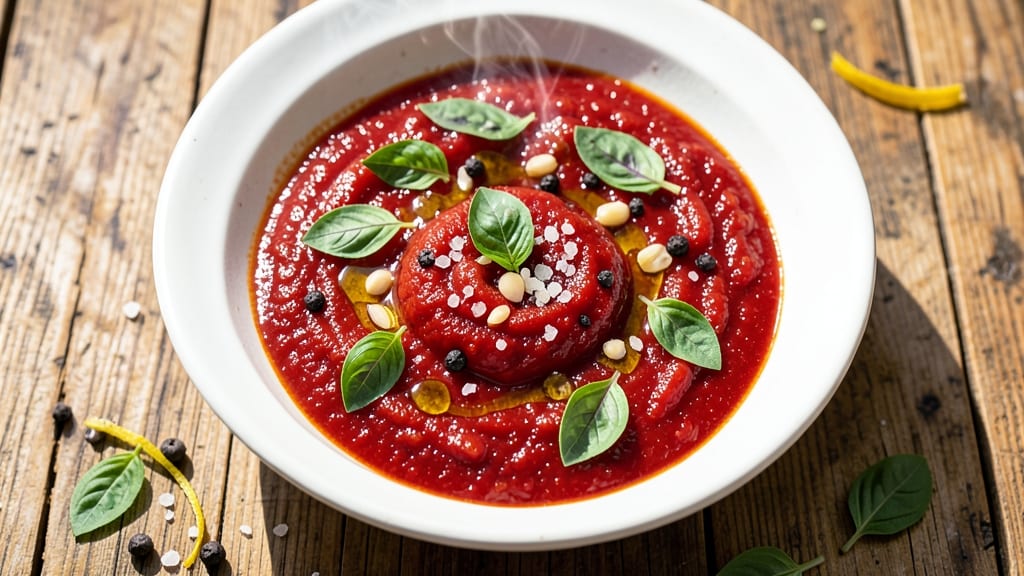
This authentic Italian pizza sauce recipe from scratch delivers the bright, balanced flavor that makes Neapolitan-style pizza unforgettable. The secret lies in San Marzano tomatoes—sweet, low-acid varieties that create a sauce with depth and complexity without overpowering your pizza.
I've perfected this recipe over years of testing, ensuring every simmered batch captures that authentic Italian taste.
The beauty of this sauce is its simplicity: just a few ingredients—San Marzano tomatoes, garlic, olive oil, and fresh basil—simmered together until rich and velvety. No sugar, no salt overload, just pure, authentic Italian flavor.
The key is low-and-slow cooking, which allows the natural sweetness of the tomatoes to develop while the garlic and basil infuse their aromatic essence.
What you'll end up with is a vibrant red sauce that's perfectly balanced—sweet yet tangy, aromatic yet not overpowering. This sauce is the foundation of any great pizza, offering that authentic Italian taste that transforms a simple dish into something extraordinary.
The best part? It's incredibly versatile and freezes beautifully for future pizza nights.
Whether you're making classic Margherita or experimenting with your own toppings, this sauce will elevate every bite. Let's get started on creating the perfect base for your next pizza masterpiece.
Ingredients for authentic italian pizza sauce recipe from scratch
San Marzano tomatoes, garlic, olive oil, and basil—just five ingredients for restaurant-quality pizza sauce.
| Ingredient | Amount | Notes |
|---|---|---|
| San Marzano Tomato Crushed 🍅 | 28 oz | Canned, whole peeled tomatoes |
| Extra-Virgin Olive Oil 🫒 | ½ cup | High-quality, fruity variety |
| Garlic Cloves 🧄 | 4 cloves | Fresh, peeled, minced finely |
| Fresh Basil Leaves 🌿 | ½ cup | Packed, stems removed |
| Diamond Crystal Kosher Salt 🧂 | ½ tsp | Adjust to taste, fine grain |
| Black Peppercorns 🌶️ | ¼ tsp | Freshly cracked, coarse grind |
| Red Wine Vinegar 🍷 | 1 tbsp | For brightness, optional |
San Marzano tomatoes are non-negotiable here. Look for the 28-ounce cans labeled 'San Marzano DOP' at Italian markets or well-stocked grocery stores like Whole Foods. The Campania region varieties are sweeter and less acidic, which is key for that authentic Italian balance. If you can't find them, Italian plum tomatoes are your next best bet—just avoid regular canned tomatoes, which are often watered down and overly acidic. The olive oil should be extra-virgin with fruity notes—something you'd happily drizzle on bread. California extra-virgin from brands like Corto or Bertolli works perfectly.
No San Marzano tomatoes? Italian plum tomatoes are your backup, but avoid regular canned tomatoes—they're usually watered down and taste bland. Fresh basil is ideal, but dried basil at one-third the amount works in a pinch (though it won't have the same vibrant flavor). The red wine vinegar adds a subtle tang—skip it if you're avoiding alcohol, but lemon juice works just as well. For garlic, roasted garlic adds a mellow sweetness if you prefer less pungency. And if you're worried about the sauce being too acidic, a pinch of sugar (just 1 tsp) balances it beautifully—though the San Marzano tomatoes usually don't need it.
This sauce keeps for 5-7 days in the fridge, sealed tightly in an airtight container. For long-term storage, freeze it in ice cube trays—just thaw overnight in the fridge before using. The flavor actually improves after a few days as the tomatoes mellow and the aromatics deepen. I always make a double batch—one for pizza night, one to freeze for future cravings. The sauce reheats perfectly, so there's no need to worry about leftovers.
Why You'll Love This Recipe
- No-Sweat Simplicity: I swear, this sauce takes less effort than ordering takeout. Crush those San Marzano tomatoes by hand (or use a fork—no judgment), toss in garlic and olive oil, and let it simmer while you handle the rest. That’s it. Even my "I can barely boil water" friends nail it.
- Garlic-Basil Magic: The moment that fresh basil hits the warm tomatoes? Pure Italian soul. The garlic infuses just enough without overpowering, and the olive oil ties it all together—rich, bright, and ridiculously more flavorful than jarred sauce. It’s the kind of taste that makes you pause mid-bite.
- Weeknight Workhorse: This sauce doesn’t just belong on pizza—it’s my go-to for pasta, bruschetta, or even a quick marinara for meatballs. I keep a jar in the fridge for those nights when I’m too tired to think, and it still feels special. Honestly, it’s my secret weapon for lazy dinners.
- Budget-Friendly Staple: A single can of San Marzano tomatoes and a handful of basil stretch across multiple meals. I make double batches, freeze half, and save money while still eating like I’m at a trattoria. Plus, the ingredients cost less than half what you’d pay for pre-made sauce—and taste nothing like it.
Step-by-step instructions for authentic Italian pizza sauce
Here's how to craft a sauce that captures the soul of Naples—bright, balanced, and bursting with San Marzano tomato flavor.
Bloom the Garlic in Olive Oil
Heat the 0.5 cup extra-virgin olive oil in a medium saucepan over medium-low heat. Add the 4 cloves minced garlic and cook for 2-3 minutes until the garlic becomes fragrant but never browns—this prevents bitterness that can overpower your sauce. Stir constantly so it doesn't cling to the bottom and burn. The moment you catch that sweet, aromatic scent, you're ready for the next step.
I like to use a light touch with garlic here. Too much can dominate the sauce, but just enough infuses that essential Italian depth. If you notice any golden flecks forming, immediately remove the pan from heat and let it cool for 30 seconds before proceeding. This step is the flavor foundation—don't rush it.
Simmer the San Marzano Tomatoes
Add the 28 oz San Marzano tomato crushed to the pan with the garlic oil. Stir well to combine, then increase heat to medium-high and bring to a gentle boil. Once boiling, reduce heat to low and let it simmer uncovered for 15-20 minutes. You're looking for a sauce that reduces by about one-third, intensifying the tomato flavor while developing a velvety texture.
The key here is patience. Resist the urge to stir constantly—just give it occasional gentle stirs to prevent sticking. You'll know it's ready when the sauce thickens slightly and the raw tomato taste mellows into something sweet and complex. The sauce should coat the back of a spoon but still be pourable—not thick enough for a meat sauce, but with body.
Season and Brighten the Sauce
Remove the pan from heat and stir in the 0.5 tsp diamond crystal kosher salt, 0.25 tsp black peppercorns, and 1 tbsp red wine vinegar. Let the sauce sit for 5 minutes to allow the flavors to meld. The vinegar adds a subtle brightness that cuts through the richness of the tomatoes, while the peppercorns provide a gentle warmth. Taste and adjust seasoning—you might need a pinch more salt, but don't overdo it.
This is where the sauce transforms from good to extraordinary. The vinegar might seem like a small addition, but it's what makes this sauce taste authentically Italian. If you're using fresh basil later, hold off on adding it now—we'll incorporate it at the very end to preserve its vibrant flavor and aroma.
Finish with Fresh Basil
Return the sauce to low heat and add the 0.5 cup fresh basil leaves, stems removed. Let it warm through for 1-2 minutes, just until the basil wilts and releases its essential oils. Remove from heat immediately—overcooking will turn the basil bitter. Use an immersion blender to purée the sauce until smooth, or carefully transfer it to a blender in batches (don't fill past the halfway mark).
The basil should be the final touch, not cooked down. You want those bright, fresh notes to shine through. If you're making this sauce ahead, let it cool completely before storing—it'll only get better with time as the flavors deepen.
Pro Tips For Making Authentic Italian Pizza Sauce Recipe From Scratch
- Crush Garlic Properly: Don’t mince—smash those cloves flat with the side of your knife first. This releases more flavor without burning, and you’ll taste the difference when the sauce simmers. I used to chop them finely, but now I just press until it looks like a bruised thumbprint.
- Simmer Low and Long: Keep the heat at a gentle bubble—just enough to see tiny ripples, not a rolling boil. Thirty minutes is the sweet spot for San Marzanos to break down into that silky, sweet sauce. I learned this after one batch turned into tomato soup by accident.
- Salt the Tomatoes First: Toss the crushed tomatoes with a full teaspoon of kosher salt before cooking. This draws out moisture and deepens the flavor—no need to add more later. I skipped this once and ended up with a watery, bland sauce that needed rescue.
- Finish with Cold Basil: Tear the basil by hand and add it off the heat just before serving. Hot sauce kills basil’s bright flavor, and cold leaves keep their color. Yes, it’s an extra step, but your pizza will taste like you actually bought it from a Roman trattoria.
Regional styles of these flavors
Neapolitan Classic
This is the sauce you'll find on pizzas straight from Naples—simple yet deeply flavorful. The key is using San Marzano tomatoes from the Campania region, which have a natural sweetness and low acidity.
Traditional Neapolitan sauce is cooked low and slow, allowing the tomatoes to develop their natural sugars while the garlic and olive oil create a rich, aromatic base. I've found that simmering for 15-20 minutes at low heat creates that perfect balance between sweet and tangy.
The sauce should be smooth but not thick—just enough to coat the back of a spoon. 🍕
Roman Style
Roman pizza sauce takes a slightly different approach, often incorporating tomato paste for a thicker, more intense flavor. While our recipe doesn't include paste, you can achieve a Roman-inspired version by reducing the sauce slightly longer (up to 25 minutes) for a thicker consistency.
Romans also traditionally use less garlic—just 2 cloves instead of 4—to let the tomato flavor shine. The sauce should be bright red and slightly thicker than Neapolitan style, perfect for Roman-style pizza with its crispier crust.
Sicilian Tradition
Sicilian pizza sauce often features a touch of sweetness from ingredients like orange zest or even a hint of honey. While our recipe keeps it authentic to Neapolitan roots, you can adapt it by adding 1 tsp honey or zest of 1 small orange during the final simmer.
Sicilians also sometimes use red pepper flakes for a subtle kick—just ¼ tsp adds enough heat without overpowering. The sauce becomes slightly sweeter and more complex, perfect for Sicilian-style pizzas with their unique toppings like sardines or caponata.
Northern Italian Adaptation
In Northern Italy, pizza sauce often incorporates white wine or balsamic vinegar for a more complex flavor profile. For this adaptation, add 2 tbsp dry white wine when simmering the tomatoes and reduce by half before adding the basil.
The wine adds a subtle acidity that pairs beautifully with Northern Italian toppings like fontina cheese or mushrooms. You can also replace the red wine vinegar with 1 tbsp balsamic vinegar for a deeper, slightly sweeter note.
The sauce will have a more sophisticated flavor that complements the heartier toppings common in Northern Italian cuisine.
Modern Fusion Twist
For a contemporary take, consider adding a touch of smoked paprika (½ tsp) during the final simmer to give the sauce a subtle smoky depth. This works beautifully with modern fusion pizzas that incorporate ingredients like goat cheese or caramelized onions.
Another great addition is a pinch of dried oregano (¼ tsp) during the simmering process—it adds an earthy note that pairs well with both traditional and innovative toppings. The sauce maintains its authenticity while offering a bridge to more adventurous flavor combinations.
Seasonal Variations
Summer versions of this sauce often include fresh herbs like cilantro or thyme in addition to basil. For a summer twist, add ¼ cup chopped cilantro along with the basil at the end and a splash of lemon juice instead of vinegar.
In winter, you can enhance the sauce with roasted garlic (3 cloves) instead of raw and a touch of dried rosemary (¼ tsp) during the simmer. These seasonal adaptations keep the sauce vibrant year-round while adapting to what's freshest in your kitchen. ✨
Nutrition facts
Frequently asked questions
Why do I need San Marzano tomatoes specifically?
San Marzano tomatoes from the Campania region are sweeter and less acidic than regular canned tomatoes, which is crucial for authentic Italian pizza sauce. Their natural sweetness develops beautifully during simmering, creating that perfect balance of flavors without needing added sugar. The low acidity also prevents the sauce from becoming too sharp or tangy.
Can I make this sauce without fresh basil?
Yes, but the flavor won't be as vibrant. Use 1 tablespoon dried basil instead, but add it during the final simmer rather than at the end. For extra depth, try ½ teaspoon dried oregano along with the dried basil. The sauce will still be delicious, just with a more earthy character instead of bright freshness.
How do I prevent the sauce from getting too thick?
Keep the heat at low during simmering and add 1-2 tablespoons water if needed. Never boil vigorously, as this causes rapid reduction. The sauce should coat the back of a spoon but still be pourable. If it thickens too much, stir in a splash of water or olive oil to restore balance.
Can I make this sauce ahead of time?
This sauce tastes even better after resting. Store it in an airtight container in the fridge for up to 5-7 days, or freeze in ice cube trays for up to 3 months. Thaw overnight in the fridge before using. The flavors deepen as it sits, making it perfect for meal prep.
What's the best way to use leftover sauce?
Spread it on toast with olive oil and fresh basil for bruschetta, or use it as a marinade for grilled chicken or fish. It also works beautifully as a pasta sauce—just toss with cooked spaghetti and top with Parmesan. The versatility makes this sauce worth making extra!