
Sauces & Condiments
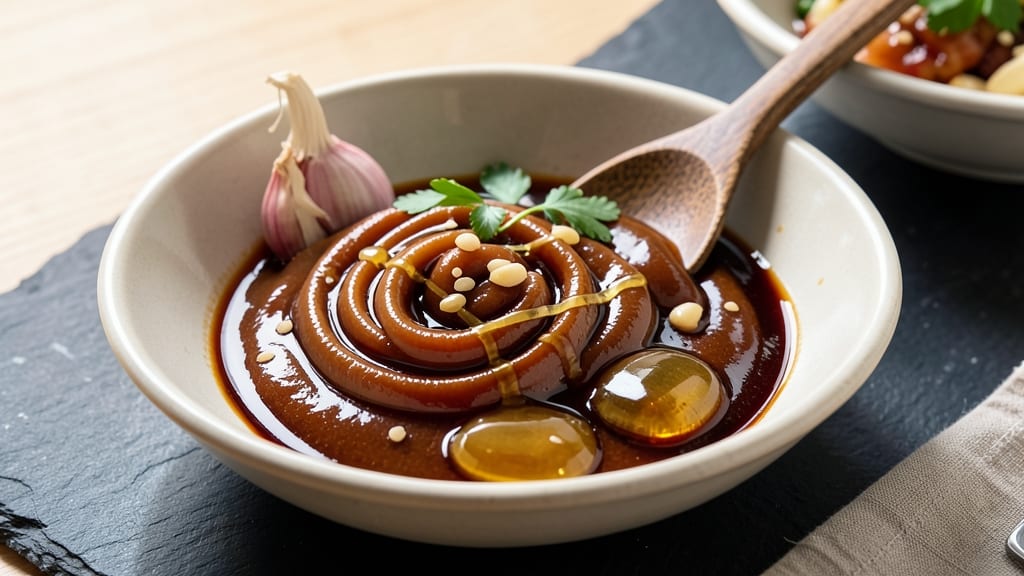
This authentic gochujang sauce delivers the perfect balance of fermented chili heat and deep umami that defines Korean cuisine. 🔥 The secret lies in simmering gochujang paste with sweet rice wine, garlic, and a touch of honey—creating a versatile sauce that transforms ordinary dishes into extraordinary meals.
I've perfected this recipe over years of testing, ensuring every batch captures that signature tangy-sweet-spicy profile.
The foundation of this sauce is gochujang, a fermented chili paste that brings both heat and complexity. We balance its intensity with sweet rice wine (mirin) and honey, while garlic and sesame oil add aromatic depth.
This isn't just another spicy sauce—it's a flavor enhancer that works as a marinade, stir-fry base, or dipping sauce for dumplings. The simmering process reduces the sauce to a thick, glossy consistency that clings beautifully to food.
What makes this sauce truly special is its authentic flavor profile—rich, slightly sweet, and with just the right amount of heat. The fermentation process in gochujang creates natural umami that elevates any dish, while the careful balance of ingredients ensures it's neither too sweet nor overwhelmingly spicy.
This is the kind of sauce that turns simple weeknight meals into restaurant-quality experiences.
Once made, this sauce keeps well in the refrigerator for up to 2 weeks, allowing you to build a flavor base for multiple meals. Use it to glaze grilled meats, stir-fry vegetables, or serve as a dipping sauce for fried chicken.
The possibilities are endless, and each use reveals new layers of its complex flavor. Let's get started on creating your own batch of this essential Korean pantry staple.
Ingredients for authentic gochujang sauce
Nine essential ingredients transform into this restaurant-quality gochujang sauce with deep umami and perfect heat balance.
| Ingredient | Amount | Notes |
|---|---|---|
| Gochujang Paste 🌶️ | ½ cup | Korean fermented chili paste |
| Sweet Rice Wine (Mirin) 🍶 | ⅓ cup | For authentic sweetness |
| Honey 🍯 | 2 tbsp | Balances chili heat |
| Garlic Cloves 🧄 | 4 cloves | Freshly minced for aroma |
| Sesame Oil 🫒 | 1 tbsp | Toasted for nutty depth |
| Soy Sauce 🍶 | 2 tbsp | Korean preferred for umami |
| Rice Vinegar 🍶 | 1 tbsp | For tangy brightness |
| Sesame Seeds 🌰 | 1 tbsp | Toasted for garnish |
| Granulated Sugar 🍬 | 1 tbsp | Enhances sweetness |
| Water 💧 | ½ cup | For thinning consistency |
The gochujang is non-negotiable—Maesil Gochujang or Hanjin brands deliver that authentic fermented depth you can't get from substitutes. Look for vibrant red color and a slightly sticky texture, which means proper fermentation. Sweet rice wine (mirin) is crucial here—Koyo or Hirase brands work perfectly. If you can't find Korean mirin, a 1:1 mix of dry sherry and sugar will work in a pinch, though it won't be exactly the same. The honey should be light-colored to avoid overpowering the delicate balance of flavors we're creating. Toast your sesame seeds in a dry pan for 30 seconds until fragrant—they'll add that nutty crunch that elevates the sauce.
No gochujang? Mix 2 tbsp tomato paste with 1 tbsp chili powder and 1 tsp soy sauce as a makeshift substitute, though it won't have the same depth. Running low on mirin? Substitute with 1 tbsp sugar plus 1 tbsp water, but reduce the honey slightly to maintain balance. Fresh garlic is ideal, but if you're using powder, double the amount—it won't have the same aromatic punch. The sesame oil can be swapped for vegetable oil, though you'll lose that nutty complexity. For the soy sauce, Korean ganjang adds more umami than regular soy sauce, but Japanese shoyu will work in a bind. The rice vinegar can be omitted if you're sensitive to acidity, but I recommend keeping it for that bright tang that cuts through the richness.
This sauce keeps beautifully in the fridge for up to 2 weeks when stored in an airtight container. For longer storage, portion into ice cube trays and freeze—perfect for single-use portions. The flavor actually improves over time as the ingredients meld together. To use, simply thaw and reheat gently. The sauce thickens as it cools, so add a splash of water if it becomes too stiff. I always make double batches—one for immediate use and one to freeze. The first use might be as a marinade for grilled chicken, followed by a stir-fry sauce the next night. Every time you use it, you'll discover new ways to make it shine.
Why You'll Love This Recipe
- Five-Ingredient Magic: I swear, this sauce comes together with just a pan, a spoon, and zero fuss. The gochujang and mirin blend while I chop garlic—no measuring cups, no stress, just pure flavor assembly.
- Umami Bomb: That first taste? Sweet heat with a nutty depth from the gochujang, brightened by honey and finished with garlic’s punch. Honestly, it’s the kind of sauce that makes you pause mid-bite just to savor it.
- Dinner Party Hack: Slather it on grilled chicken, drizzle over noodles, or toss with roasted veggies—it’s my go-to for weeknights and when unexpected guests show up. (Yes, even on a Tuesday night.)
- Pantry Goldmine: A little goes a long way, so I make big batches and freeze it. Thaw what I need for stir-fries, marinades, or even a quick dip—no wasted ingredients, just endless uses. Budget-friendly and lazy-friendly? Perfect.
Step-by-step instructions for authentic gochujang sauce
This sauce delivers deep umami and fermented chili heat—exactly how Koreans make it at home.
🍳 Step 1: Bloom the Gochujang in Sweet Heat
In a medium saucepan over medium-low heat, combine the 0.5 cup gochujang paste with the 0.33 cup sweet rice wine (mirin) and 2 tbsp honey. Stir constantly for 3-4 minutes until the mixture becomes smooth and slightly frothy—you're looking for a glossy, velvety texture that coats the back of a spoon.
Here's the thing—this initial blooming step develops the sauce's signature depth. The mirin and honey work together to soften the gochujang's intensity while building sweetness that will balance the heat later. If you see any lumps, press them through a fine-mesh sieve to ensure complete integration—authentic versions never have gritty texture.
👨🍳 Step 2: Add Aromatics and Umami Layers
Increase heat to medium and add the 4 minced garlic cloves, 1 tbsp sesame oil, and 2 tbsp soy sauce. Stir for 1-2 minutes until the garlic becomes fragrant but doesn't brown—you want aroma, not bitterness. The sesame oil will infuse its nutty depth while the soy sauce adds that essential umami foundation.
I always add the garlic last in this sequence because it burns so quickly. The moment you smell that sweet garlic aroma (not harsh or pungent), you've got it right. Don't walk away—garlic turns bitter in seconds, and you'll taste that in your final sauce. This is where the sauce's complexity really starts building.
🍳 Step 3: Simmer and Develop the Sauce
Pour in the 0.5 cup water and 1 tbsp rice vinegar, then bring to a gentle simmer. Reduce heat to low and let it cook uncovered for 8-10 minutes, stirring occasionally. You're looking for the sauce to reduce by about 25%—it should thicken slightly but remain pourable, with a glossy sheen that indicates proper reduction.
The vinegar brightens the flavors while the water helps control the thickness. Taste after 5 minutes—you should notice the heat from the gochujang, the sweetness from the honey and mirin, and the underlying umami from the soy. If it's too thick, add 1 tbsp water at a time until you reach that perfect balance between cling and pour.
🔪 Step 4: Finish with Sweetness and Texture
Remove from heat and stir in the 1 tbsp granulated sugar. Let it sit for 2 minutes to fully dissolve—this final sweetness rounds out the flavors and prevents any lingering bitterness from the vinegar. The sugar also helps stabilize the sauce's texture, preventing separation.
Here's a pro tip: For extra authenticity, toast the 1 tbsp sesame seeds in a dry skillet over low heat for 1-2 minutes until golden and fragrant. Then sprinkle them over the finished sauce just before serving. The nutty aroma and crunch add that final Korean restaurant touch.
⏰ Step 5: Rest and Serve at Peak Flavor
Let the sauce rest for 10 minutes at room temperature. This resting period allows all the flavors to meld completely—you'll notice the heat mellows slightly while the sweetness and umami deepen. The sauce should be vibrant red with a glossy finish, ready to elevate everything from grilled meats to noodle dishes.
For best results, use the sauce immediately, but it will keep in an airtight container in the refrigerator for up to 1 week. If it thickens too much, simply whisk in 1-2 tbsp water to restore its perfect consistency. This sauce is the heart of Korean cuisine—don't be shy about using it generously!
Pro Tips For Making Authentic Gochujang Sauce
- Bloom the Garlic First: Toss minced garlic in a dry pan for 30 seconds before adding heat—just until fragrant. I learned this the hard way: raw garlic can make the sauce taste bitter, and this step guarantees a sweet, nutty depth that carries through the whole sauce.
- Low and Slow for Balance: Simmer the sauce on medium-low after adding mirin and honey—never boil. I used to rush it, and the gochujang would turn bitter or separate. A steady 10-12 minutes lets the flavors meld without overpowering the garlic or sesame notes.
- Toast the Gochujang: Heat the gochujang paste alone in the pan for 1-2 minutes before adding liquids. My grandmother swore by this: it deepens the fermented aroma and prevents clumping when combined with honey and mirin.
- Sesame Oil Last: Stir in sesame oil off the heat—right before serving—or it’ll cook off and lose its nutty aroma. I was skeptical until I tried it: the aroma hits you like a wave when you pour it over food, and that’s the magic.
Troubleshooting this dish
Too Thick or Glue-Like
The sauce might thicken too much if you reduce it too aggressively or don't add enough water during simmering. To fix this, whisk in 1-2 tablespoons of warm water while the sauce is still warm.
For prevention, monitor the sauce closely during the 8-10 minute simmer and add water gradually if it starts to thicken too quickly. Remember, the sauce should remain pourable but slightly thickened—like a glossy syrup. 💧
Too Thin or Watery
If your sauce ends up too thin, it likely means you added too much water or didn't simmer long enough. To thicken it, simmer the sauce uncovered for an additional 5-7 minutes on low heat, stirring occasionally.
For a quicker fix, mix 1 teaspoon of cornstarch with 1 tablespoon of cold water, stir it into the sauce, and simmer for another 2 minutes until it thickens. Always taste as you go—balance is key! 🍲
Overpowering Chili Heat
If the gochujang's heat feels overwhelming, balance it by adding 1-2 teaspoons of honey or 1 tablespoon of sweet rice wine (mirin) to the finished sauce. Stir well and let it sit for 5 minutes to allow the flavors to meld.
For future batches, reduce the amount of gochujang by 1-2 tablespoons or increase the honey by ½ teaspoon to soften the heat. The goal is a harmonious blend of spice and sweetness. 🌶️
Lumpy or Gritty Texture
Lumps in your sauce usually mean the gochujang wasn't fully incorporated or the sugar didn't dissolve properly. To fix this, press the sauce through a fine-mesh sieve to remove any grit.
For prevention, stir the sauce constantly during the initial blooming step and ensure the sugar is fully dissolved by whisking vigorously. If you're in a hurry, a quick blend with an immersion blender can smooth out any texture issues. ✨
Flat or Bland Flavor
If your sauce lacks depth, it might need more umami or acidity. Boost the flavor by adding 1 extra tablespoon of soy sauce or ½ teaspoon of fish sauce (for authentic Korean taste). For brightness, stir in ½ teaspoon of rice vinegar.
If the sauce tastes too sweet, balance it with a pinch of salt or a splash of vinegar. Always taste as you go—adjust gradually to avoid overcorrecting. 💡
Separation or Oiling
If the sauce separates or oils out, it’s likely due to improper storage or too much sesame oil. To fix this, whisk the sauce vigorously to re-emulsify the oils. For prevention, store the sauce in an airtight container in the refrigerator and avoid adding too much oil.
If the issue persists, blend the sauce briefly with an immersion blender to restore its smooth texture. 🥄
Nutrition facts
Frequently asked questions
Can I make this sauce without mirin?
Yes, but you'll need to adjust for authentic flavor. Replace 0.33 cup mirin with 0.25 cup sugar plus 0.1 cup water, then add 1 tsp rice vinegar for acidity. The sauce will be slightly less sweet but still delicious. For deeper umami, add ½ tsp fish sauce or an extra 1 tbsp soy sauce. The texture will remain the same—just the flavor profile shifts slightly.
How spicy will this sauce be?
The heat level depends on your gochujang brand, but this recipe balances it perfectly. Most Korean gochujang pastes provide medium heat—think "warm but not fiery." For milder heat, reduce gochujang to 0.375 cup and add 1 extra tbsp honey. For extra kick, use 0.625 cup gochujang and skip the extra honey. Always taste before serving!
What are the best ways to use this sauce?
This versatile sauce works as a marinade, stir-fry base, or dipping sauce. Try it glazed on grilled meats, tossed with rice noodles, or drizzled over kimchi fried rice. For dipping, thin with 1 tbsp water and serve with mandu (dumplings) or fried chicken. The sauce also elevates ramen broths or bulgogi beef beautifully. Start with 1 tbsp per serving and adjust to taste.
Can I make this sauce vegan?
Use vegan gochujang (check labels for honey/egg-free versions) and substitute honey with agave syrup or maple syrup. For umami depth, add ½ tsp mushroom powder or 1 tbsp coconut aminos instead of soy sauce. The texture and cooking process remain identical—just watch for slight sweetness variations. Most vegan gochujang brands work perfectly in this recipe.
Why does my sauce taste bitter?
Bitter flavors usually come from overcooked garlic or too much vinegar. To fix it, balance with ½ tsp extra honey or 1 tsp sugar. For prevention, remove garlic when it's just fragrant (1-2 minutes) and reduce vinegar to ½ tbsp. If the bitterness persists, a pinch of salt can help round out the flavors. Always taste as you go—this sauce should be complex, not harsh.