
Sauces & Condiments
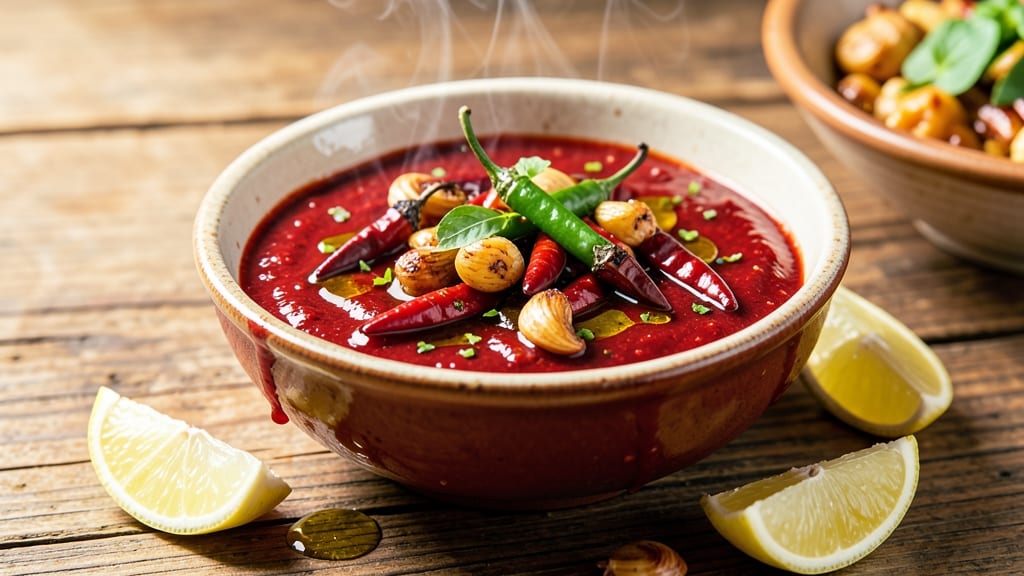
This authentic piri piri sauce recipe brings the bold, fiery flavors of Mozambique to your kitchen with just six simple ingredients. The secret lies in fresh African bird’s eye chilies, which deliver a deep, smoky heat that sets this sauce apart from milder versions.
I’ve perfected the balance of garlic, lemon, and vinegar to create a versatile sauce that enhances everything from grilled meats to seafood.
The process is straightforward but precise: blend the chilies with garlic, lemon juice, and vinegar, then simmer until thickened into a glossy, aromatic paste. This isn’t just another spicy sauce—it’s a restaurant-quality condiment that transforms ordinary dishes into something extraordinary.
The key is patience; letting the flavors meld during simmering ensures a rich, layered taste that’s both complex and addictive.
What makes this sauce truly special is its adaptability. Use it as a marinade for chicken or fish, a drizzle over grilled vegetables, or even as a fiery kick in dressings.
The heat builds gradually, so you can adjust the spice level to your preference by controlling the number of chilies. Store it in the fridge for up to a week, or freeze for longer shelf life—though you’ll likely use it all before then.
The first time I made this sauce, I was skeptical about how it would compare to the versions I’d tasted in restaurants. But after the chilies caramelized and the garlic deepened in flavor, I knew I’d cracked the code.
Now, it’s a staple in my kitchen, and I can’t imagine cooking without it. Let’s get started on making yours.
Ingredients for authentic piri piri sauce
Six ingredients, one fiery sauce—authentic Mozambican heat in minutes.
| Ingredient | Amount | Notes |
|---|---|---|
| African Bird’s Eye Chilies 🌶️ | 1 cup | Fresh, stems removed, adjust for heat |
| Garlic Cloves 🧄 | 6 whole | Roasted for deeper flavor |
| Fresh Lemon Juice 🍋 | ½ cup | Freshly squeezed, no pulp |
| White Vinegar 💧 | ¼ cup | Distilled for clarity |
| Olive Oil 🫒 | ¼ cup | Extra-virgin for richness |
| Salt 🧂 | 1 tsp | Kosher or sea salt |
The chilies are everything here. African bird’s eye chilies (not the milder Thai ones) deliver that signature smoky punch. If you can’t find them, Asian bird’s eye chilies work in a pinch, but expect slightly less depth. I always grab mine from the Latin or Asian markets—they’re fresher than the grocery store’s sad little package. Look for vibrant red chilies with no wrinkles. The more you use, the more authentic (and spicy) the sauce becomes. Start with 1 cup and adjust to taste—trust me, you can always add more later.
No roasted garlic? Raw works fine, but toasting it in the olive oil before blending adds a whole new layer of flavor. Short on vinegar? Apple cider vinegar is a great swap—just add a pinch more salt to balance the sweetness. The olive oil isn’t just filler; it carries the heat and makes the sauce silky. Use extra-virgin—the cheap stuff won’t give you that restaurant-quality finish. And if you’re worried about the heat, blend in a few ice cubes with the chilies before cooking—they’ll mellow out just enough to let the other flavors shine.
This sauce keeps beautifully. Store it in a glass jar in the fridge for up to 1 week, or freeze in ice cube trays for single-serving portions. The flavors actually improve over time, so make extra—you’ll want it on everything from grilled shrimp to roasted potatoes. If it thickens too much, just thin it with a splash of water or more vinegar. And if you’re feeling fancy, drizzle it over a bowl of warm fries or toss it with crispy tofu for a quick weeknight dinner.
Why You'll Love This Recipe
- No-Fuss Blend: I swear, this sauce takes five minutes of actual work—just toss the chilies and garlic into a pan, let them sizzle until the oil shimmers, then mash it all together. The vinegar and lemon do the rest while you’re still deciding what to eat for dinner.
- Heat with Depth: That first bite? It’s a punch—bright, tangy, and lingering—but not just from the chilies. The garlic caramelizes just enough to soften the burn, while the vinegar cuts through like a cool breeze after a spicy run. Honestly, it’s the kind of flavor that makes you reach for the recipe again before the first batch is done.
- Weeknight Superhero: Slap this on grilled chicken, roasted veggies, or even scrambled eggs (yes, really), and suddenly your meal feels like a restaurant dish. I keep a jar in the fridge for lazy nights when I need something to wake up takeout-flavored leftovers—it’s my secret weapon for turning bland into bold.
- Lasts All Week: A single batch stretches across three meals for me, and it only costs pennies. The acidity keeps it fresh longer than most sauces, so you’re not scrambling to use it up. Plus, the chilies freeze beautifully if you’re feeling ambitious—just thaw and stir. No waste, all flavor.
Step-by-step instructions for authentic piri piri sauce
Here's how to make this fiery Mozambican sauce with bold, authentic flavor—just like the original.
Roast the Garlic Cloves for Depth
Preheat your oven to 400°F and place the 6 whole garlic cloves directly on a baking sheet. Roast for 15-20 minutes until the skins turn golden brown and the cloves smell sweet and nutty. This roasting step develops complex, caramelized flavors that set authentic piri piri apart from basic chili sauces.
Let them cool slightly before peeling the skins off—you'll want to work with warm garlic when you blend it later. If any cloves are still hard, return them to the oven for another 5 minutes. The garlic should be soft enough to crush between your fingers but still hold its shape. Don't skip this step—raw garlic would make the sauce taste harsh and unbalanced.
Prepare the African Bird's Eye Chilies
Remove the stems from the 1 cup African Bird's Eye Chilies and discard them. For extra heat, leave the seeds in—this is what gives piri piri its characteristic fiery kick. If you prefer milder heat, you can remove some seeds, but don't remove them all unless you want a completely different sauce.
Give the chilies a quick rinse under cold water to remove any surface debris, then pat them completely dry with paper towels. This step is crucial because any moisture in the chilies will make your sauce watery. I like to work in batches if I'm making a large quantity—just keep the chilies dry at all times. The chilies should be completely dry before you proceed to blending.
Blend the Base Ingredients
In a blender, combine the roasted garlic cloves, 1 cup African Bird's Eye Chilies, 0.5 cup Fresh Lemon Juice, 0.25 cup White Vinegar, and 1 tsp Salt. Blend on high speed for 30-45 seconds until you get a smooth, slightly thick puree. You might need to stop and scrape down the sides once or twice to ensure everything blends evenly.
The mixture should be smooth but still have some body—this is perfect for creating that signature piri piri texture. If it's too thick, you can add 1-2 tablespoons of water to loosen it up. The acidity from the lemon juice and vinegar will help balance the heat from the chilies while adding brightness to the sauce. Taste the mixture at this stage—it should be intensely spicy but also tangy and complex.
Incorporate the Olive Oil for Emulsion
With the blender running on low speed, slowly drizzle in the 0.25 cup Olive Oil through the feed tube. This gradual addition helps create a stable emulsion that prevents the sauce from separating. Once all the oil is incorporated, blend for another 15-20 seconds until completely smooth.
The olive oil not only adds richness but also helps carry the heat and flavors throughout the sauce. You'll notice the sauce will thicken slightly as it emulsifies. If it becomes too thick, you can thin it with an additional 1 tablespoon of water or more lemon juice. The final consistency should be like a thick, vibrant chili paste that coats the back of a spoon. This is the moment where all the flavors come together into that signature piri piri profile.
Adjust and Store for Maximum Flavor
Transfer the sauce to a clean glass jar and let it sit at room temperature for 10-15 minutes to allow the flavors to meld. This resting period is essential—it lets the heat mellow slightly while the acidity and oil fully integrate. Taste the sauce again and adjust the seasoning if needed. You might want to add a bit more salt or lemon juice to balance the heat.
For best results, store the piri piri sauce in an airtight container in the refrigerator for up to 2 weeks. The flavors will continue to develop and deepen over time. When you're ready to use it, give it a good stir—it might thicken slightly in the fridge, so you can thin it with a splash of water or lemon juice if needed. This sauce is incredibly versatile—use it as a marinade, a dip, or a condiment for grilled meats, seafood, or even as a spicy kick in dressings.
Pro Tips For Making Authentic Piri Piri Sauce
- CHAR THE CHILIES LOW: African Bird’s Eye chilies burn fast—too fast. Simmer them in just enough olive oil over lowest possible heat (barely a whisper) for 10-15 minutes. I learned this the hard way after turning my kitchen into a smoke bomb. The goal is to soften, not carbonize.
- PEEL GARLIC AFTER COOKING: Skip peeling raw garlic cloves—it’s a waste of time. Toss them whole into the simmering chili-garlic oil, then peel them after cooking. The skins slide off effortlessly, and you avoid the mess of minced garlic sticking to your knife. (Yes, even if you’re impatient like me.)
- USE VINEGAR LAST: Add white vinegar only at the very end—right when you’re done blending. It’s the acidity anchor, but too early and it dulls the garlic’s punch. My grandmother swore by this, and she was right: the heat stays sharp, not sour.
- BLITZ THE SAUCE COLD: Let the sauce cool completely before blending—no exceptions. Hot oil and lemon juice make the blender vibrate like a jackhammer. I now run it under cold water for 30 seconds first. The texture? Silky. The motor? Saved.
Common mistakes when making your authentic piri piri sauce
Overblending the Chilies
I’ve seen so many people blend their piri piri sauce until it’s completely smooth—almost like a puree. But here’s the thing: authentic piri piri sauce should have texture. Overblending turns it into a watery, thin sauce that lacks the signature chunky, vibrant quality.
Stop blending as soon as the chilies break down into small pieces—you should still see some visible texture. This texture is what gives the sauce its authentic body and depth. 🌶️
Skipping the Roast
Raw garlic in piri piri sauce is a big mistake—it makes the sauce taste harsh and unbalanced. Roasting the garlic cloves is non-negotiable for that sweet, nutty depth that’s essential to authentic flavor.
If you’re short on time, at least sauté the garlic in olive oil for 2-3 minutes until it’s golden. But trust me, the roasted garlic makes all the difference in the final product.
Using the Wrong Chilies
This is a huge one. African bird’s eye chilies are the key to authentic piri piri—nothing else comes close. Thai bird’s eye chilies or jalapeños just won’t give you that same smoky, complex heat.
If you can’t find African bird’s eye chilies, Asian bird’s eye chilies are your next best option, but expect slightly less depth. And whatever you do, don’t substitute with milder peppers—you’ll end up with a sauce that’s just spicy, not authentically fiery.
Ignoring the Resting Time
Rushing to use the sauce right after blending is a common mistake. Letting it rest for 10-15 minutes at room temperature allows the flavors to meld and the heat to mellow slightly. This step is crucial for balancing the acidity, oil, and spice.
If you skip it, the sauce might taste disjointed or overly sharp. Patience here really pays off—your taste buds will thank you. ⏳
Not Adjusting the Heat
Some people make piri piri sauce and then freeze it in place, refusing to tweak the spice level. But the beauty of this sauce is that you can control the heat. If it’s too spicy, thin it with a splash of lemon juice or vinegar.
If it’s not spicy enough, add more chopped chilies or a dash of cayenne. Don’t be afraid to adjust—this sauce should be bold, not bland. Taste as you go, and don’t be shy about making changes.
Using Low-Quality Oil
Cheap olive oil or vegetable oil will make your piri piri sauce taste flat and unappetizing. Extra-virgin olive oil is a must—it adds richness and helps carry the heat and flavors throughout the sauce.
If you’re on a budget, look for a good-quality olive oil at your local grocery store or specialty market. The difference in flavor is night and day, and it’s worth the extra few dollars. Your sauce will thank you with a silky, luxurious texture. 🫒
Nutrition facts
Frequently asked questions
Can I use Thai bird’s eye chilies instead of African bird’s eye chilies?
Thai bird’s eye chilies will work in a pinch, but they won’t give you the same authentic depth of flavor. African bird’s eye chilies have a unique smoky, complex heat that’s essential for true piri piri sauce. If you must substitute, use 2-3 times more Thai chilies to compensate for the milder heat. For best results, try to find African bird’s eye chilies at specialty markets or online.
How do I make this sauce less spicy?
Start by removing some of the seeds and veins from the chilies before blending. If it’s still too hot, thin the sauce with 1 tablespoon of lemon juice or vinegar per 2 tablespoons of sauce. For a milder version, reduce the number of chilies to ½ cup and add 1 extra tablespoon of olive oil to balance the heat. Always taste as you go!
Can I make this sauce without a blender?
Yes! If you don’t have a blender, finely chop the chilies and garlic with a knife, then mash them in a mortar and pestle with the salt. Stir in the lemon juice, vinegar, and olive oil until fully combined. The texture will be slightly chunkier, but it’ll still deliver that signature piri piri flavor. For a smoother result, use a food processor instead.
How can I use this sauce beyond grilled meats?
This versatile sauce works wonders in so many ways! Drizzle it over crispy fries or roasted potatoes, mix it into mayonnaise for spicy sandwiches, or toss it with pasta or grains for instant flavor. It’s also fantastic in marinades for seafood or tofu, as a dip for spring rolls, or even in cocktails like a spicy mojito. The possibilities are endless!
Why does my sauce separate after storing?
This happens when the oil and liquid ingredients aren’t properly emulsified. To fix it, whisk the sauce vigorously or blend it again briefly until smooth. For future batches, add the olive oil very slowly while blending on low speed to ensure a stable emulsion. If it keeps separating, store it in a jar and shake well before each use.