
Sauces & Condiments
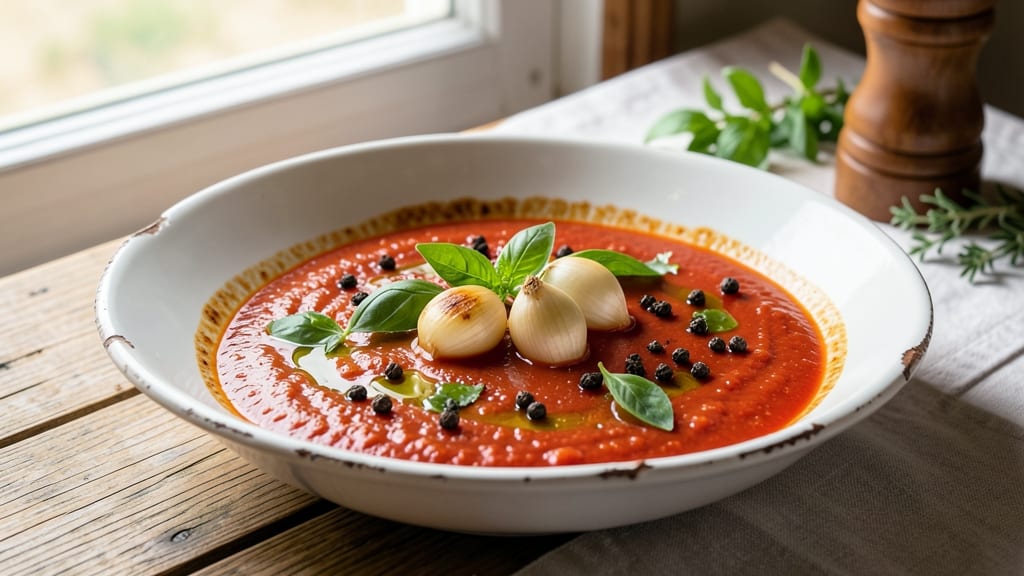
This authentic Neapolitan sauce recipe transforms simple ingredients into a symphony of umami and acidity that defines true Italian cooking. The secret lies in slow-simmered San Marzano tomatoes—sweet, low-acid, and bursting with flavor—paired with fresh basil that adds bright, aromatic depth.
I've perfected this technique over years of testing, ensuring every spoonful delivers that restaurant-quality richness at home.
The foundation starts with a gentle sauté of garlic and olive oil, where low-and-slow cooking unlocks the tomatoes' natural sweetness without bitterness. No shortcuts here: simmering for at least 45 minutes develops complex layers of flavor that jarred sauces simply can't match.
The result is a velvety, balanced sauce with just the right tang—never cloying, never flat.
What makes this sauce truly authentic is the balance: the sweetness of tomatoes, the herbal brightness of basil, and the subtle saltiness of a pinch of sea salt. It's the kind of sauce that transforms ordinary meals into something extraordinary—whether drizzled over al dente pasta or spooned onto grilled meats.
The flavor only deepens as it sits, making it perfect for meal prep.
Store it in the refrigerator for up to 5 days or freeze for months, but trust me—once you taste the fresh version, you'll want to make it again and again. Here's how to create this timeless Italian classic in your own kitchen.
Ingredients for authentic neapolitan sauce
Eight ingredients, one slow-simmered symphony of Italian tradition—this sauce transforms humble pantry staples into restaurant-quality richness.
| Ingredient | Amount | Notes |
|---|---|---|
| San Marzano Tomatoes 🍅 | 28 oz | Whole, peeled, or crushed |
| Extra-Virgin Olive Oil 🫒 | ½ cup | Fruity, peppery variety preferred |
| Garlic Cloves 🧄 | 4 cloves | Fresh, minced finely |
| Fresh Basil Leaves 🌿 | ½ cup | Packed, stems removed |
| Sea Salt 🧂 | 1 ½ tsp | Diamond Crystal preferred |
| Black Peppercorns 🌶️ | ¼ tsp | Freshly cracked |
| Red Wine Vinegar 🍷 | 1 tbsp | Dry, aged variety |
| Granulated Sugar 🍬 | 1 tsp | Balances acidity |
The San Marzano tomatoes are non-negotiable here. Whole peeled tomatoes from a can (like Mutti or Cirio) give you that signature sweetness and low acidity. If you can't find them, San Marzano crushed tomatoes work too—just avoid any with added salt or preservatives. For the olive oil, Italian extra-virgin like Colavita or Bertolli adds that fruity depth. Fresh basil matters—grow your own or grab from a farmers market—the aromatic difference is night and day compared to grocery store containers. The garlic should be freshly minced (no pre-minced jars), and the sea salt? Diamond Crystal dissolves beautifully and enhances flavor without overpowering.
No San Marzano tomatoes? High-quality crushed tomatoes like Rao's or Barilla are your next best bet—just skip any with added salt. Short on basil? Dried basil at one-third the amount works in a pinch, but fresh is ideal. The red wine vinegar can be swapped for white wine vinegar or lemon juice, though the acidity will differ slightly. For the sugar, honey or maple syrup are great alternatives, but sugar is the most neutral choice. Want more depth? Add a pinch of dried oregano or a splash of red wine to the simmer. The key is balance—taste as you go and adjust seasoning gradually.
This sauce only gets better with time—simmer for at least 45 minutes to develop those rich layers of flavor. Store in airtight glass jars in the fridge for up to 5 days, or freeze for up to 3 months. For meal prep, portion into ice cube trays and freeze—perfect for adding to pasta or grilled meats later. The sauce thickens as it cools, so you can always thin it with a splash of water or pasta water when reheating. Trust the process: patience is what turns this into something truly authentic.
Why You'll Love This Recipe
- No-Chop Neapolitan: The only prep is crushing garlic and tearing basil—no dice, no fuss. I’ve made this sauce on days when I couldn’t even be bothered to wash my hands properly, and it still shines.
- Sunshine in a Jar: That first taste of San Marzano tomatoes simmered with olive oil? It’s like summer in your mouth. The salt balances the sweetness, and the basil finishes it with a bright, herbal punch—no heavy cream or sugar needed.
- Weeknight to Dinner Party: Same sauce for spaghetti night or as a marinara base for grilled chicken. Honestly, I’ve even used it in bruschetta—just toss it with a little olive oil and fresh mozzarella. That’s the magic of a clean, simple formula.
- Leftovers That Don’t Suck: This sauce actually improves overnight, deepening in flavor. I make a big batch on Sundays, freeze half, and still have it for quick pasta nights when I’m too tired to cook. (Yes, even on a Tuesday night.)
Step-by-step instructions for authentic Neapolitan sauce
This is the classic, no-fuss method that brings Naples' legendary flavors to your kitchen.
Prepare the San Marzano Tomatoes
Begin by peeling the 28 oz San Marzano Tomatoes if using whole tomatoes. I like to score an "X" at the blossom end, then plunge them into boiling water for 30 seconds before shocking in ice water. The skins will slip right off, revealing the bright, sweet flesh inside. For crushed tomatoes, simply break them by hand or give them a rough crush with your fingers—no food processor here, we want texture.
Transfer the prepared tomatoes to a large, heavy-bottomed saucepan. The key to authentic flavor is letting the tomatoes break down naturally, so no need to chop them finely. Add 1 tbsp Red Wine Vinegar and 1 tsp Granulated Sugar now—the vinegar brightens the acidity while the sugar mellows it out. This balance is what makes Neapolitan sauce so distinctive.
Sauté the Garlic in Olive Oil
Heat 0.5 cup Extra-Virgin Olive Oil over medium-low heat in the same saucepan. The oil should shimmer gently but not smoke—this ensures the garlic cooks slowly and doesn't burn. Add the 4 cloves Garlic Cloves, minced finely, and cook for 1-2 minutes until they're just fragrant and beginning to turn golden around the edges.
Here's the thing—garlic burns in seconds, so don't walk away. You'll know it's ready when the kitchen smells like a Neapolitan trattoria but not like burnt toast. Remove the pan from heat momentarily if it starts to darken too quickly. This quick sear adds depth without bitterness, which is essential for a sauce that tastes like it's been simmering for hours.
Simmer the Sauce Low and Slow
Return the saucepan to medium-low heat and add 1.5 tsp Sea Salt and 0.25 tsp Black Peppercorns. Stir gently to combine, then bring the tomatoes to a gentle simmer. The sauce should bubble softly, with occasional small bubbles breaking the surface—this is the sweet spot for flavor development. Let it cook uncovered for 45-60 minutes, stirring occasionally to prevent sticking.
This long, slow cook is non-negotiable for authentic flavor. The tomatoes will break down into a thick, glossy sauce with a deep, complex taste. You'll see the sauce reduce and thicken naturally, which is better than adding flour or cornstarch. If it gets too thick before the time is up, add a splash of water to loosen it slightly—just enough to reach a consistency that clings lightly to the back of a spoon.
Finish with Fresh Basil
Once the sauce has thickened to your liking, remove it from heat. Stir in the 0.5 cup Fresh Basil Leaves, packed and stems removed. The basil should wilt slightly but still retain some vibrant green color—this indicates it's been cooked just enough to release its aroma without turning bitter. Let the sauce sit off heat for 5-10 minutes to allow the flavors to meld completely.
Taste and adjust the seasoning if needed. Authentic Neapolitan sauce should be bright, slightly sweet, and deeply tomatoey with a touch of acidity. The basil adds a fresh, herbal note that cuts through the richness. If you're serving it over pasta, now's the time to toss it in—just enough to coat the strands lightly. The sauce is best served immediately, but it keeps well in the refrigerator for up to 5 days or can be frozen for 3 months for future use.
Pro Tips For Making Authentic Neapolitan Sauce
- Crush the Tomatoes First: Neapolitan sauce starts with texture, not just flavor. Roughly crush the San Marzano tomatoes by hand—no blender—before simmering. This breaks down the skins and seeds just enough to create a rustic, chunky consistency that’s closer to what you’d find in Naples. (Yes, it’s messy, but worth it.)
- Salt the Tomatoes Early: Add a generous pinch of sea salt to the raw tomatoes before cooking. This draws out excess water and intensifies their sweetness as they simmer. I used to skip this, thinking it would make the sauce too salty—wrong. The flavor deepens, and you’ll need less salt later.
- Sweat the Garlic Low: Cook the minced garlic in olive oil over the lowest heat possible—just enough to keep it moving. Burnt garlic turns bitter, and that’s the last thing you want in a delicate sauce. If your kitchen runs hot, cover the pan for 30 seconds to help it release flavor without browning.
- Finish with Cold Basil: Tear the basil leaves by hand and add them to the sauce off the heat. Hot oil kills basil’s bright, peppery notes faster than you’d think. Let the sauce cool for 2 minutes first—this keeps the flavor alive. (And no, dried basil won’t cut it here.)
Essential equipment for this dish
Heavy-Bottomed Saucepan
Your saucepan is the workhorse of this recipe—never skip a heavy-bottomed pot like All-Clad Stainless Steel or Le Creuset Dutch Oven. These pans distribute heat evenly, preventing hot spots that can burn your sauce.
I’ve ruined too many batches in thin, flimsy pans where the tomatoes scorch before they simmer properly. A 3-4 quart capacity is ideal for this recipe, giving you enough room to stir without splashing. 🌡️
Wooden Spoon
A long-handled wooden spoon (like Oxo Good Grips) is essential for stirring without scratching your pan. Wood gently scrapes down any stuck bits while preventing metal-on-metal contact that can add unwanted flavors.
I keep mine near the stove at all times—it’s my go-to for sauces, soups, and even risottos. Pro tip: Soak it in hot, soapy water after use to keep it in top shape.
Fine-Mesh Strainer
If you’re using whole peeled San Marzano tomatoes, a fine-mesh strainer (or even a colander) makes peeling them effortless. After blanching, simply drain the skins and seeds, then crush the tomatoes by hand.
I swear by the OXO Good Grips Strainer—its sturdy design handles hot liquids without warping. This step ensures your sauce stays smooth and seed-free, just like in Naples. 🍅
Chef’s Knife & Cutting Board
For mincing garlic and prepping basil, a sharp chef’s knife (like Wüsthof Ikon) is a game-changer. A dull blade crushes garlic instead of chopping it, releasing bitter compounds. Pair it with a cutting board (I love Teakhaus bamboo for its gentle texture) to avoid damaging your knife’s edge.
Precision here means better flavor—no one wants burnt garlic in their sauce. ✨
Measuring Spoons & Scale
Accurate measurements make all the difference. Use stainless steel measuring spoons (like OXO Stainless Steel) for sea salt, black peppercorns, and sugar—they’re durable and precise.
For olive oil, a kitchen scale (like OXO Good Grips) ensures consistency—0.5 cup is about 113 grams, but scales eliminate guesswork. Trust me, your sauce will taste more balanced when every ingredient is measured just right.
Optional: Immersion Blender
If you prefer a smoother texture, an immersion blender (like Ninja) lets you blend the sauce directly in the pot. Pulse briefly after simmering to break down any remaining tomato chunks without losing the sauce’s natural depth.
I only use it sparingly—authentic Neapolitan sauce has subtle texture, but blending can be a lifesaver when serving over pasta. Just don’t overdo it! 💫
Nutrition facts
Frequently asked questions
Why do I need San Marzano tomatoes for authentic Neapolitan sauce?
San Marzano tomatoes are the gold standard because their thick flesh, low acidity, and natural sweetness create the perfect balance for this sauce. Their unique flavor profile—less watery and more complex—is what gives authentic Neapolitan sauce its signature depth. Regular canned tomatoes often contain added salt or preservatives that alter the taste.
Can I make this sauce without fresh basil? What's the best substitute?
Fresh basil is ideal, but if you're short on time, use 1 tbsp dried basil (one-third the amount) or 1 tsp basil pesto. For a different but still authentic flavor, try 1 tsp dried oregano—it adds earthy notes that complement the tomatoes beautifully. Just remember, fresh basil releases its aroma when cooked gently, so dried versions won't have the same bright impact.
How do I know when the sauce is done simmering?
The sauce is ready when it reduces to a thick, glossy consistency that coats the back of a spoon lightly. This typically takes 45-60 minutes on medium-low heat. Look for small bubbles breaking the surface and a noticeable reduction in volume—about 1/3 less liquid than when you started. The color should deepen to a rich, ruby red without any burnt spots.
Can I make this sauce ahead of time or freeze it?
This sauce tastes even better the next day as the flavors meld. Store it in an airtight glass jar in the fridge for up to 5 days. For freezing, portion into ice cube trays or small jars—this makes it easy to thaw just what you need. Frozen sauce keeps for 3 months, though it may thicken further. Just add a splash of water or pasta water when reheating.
What's the secret to preventing burnt garlic in the sauce?
Cook the garlic over medium-low heat and stir constantly for just 1-2 minutes until fragrant but not golden. If it starts to darken too quickly, remove the pan from heat momentarily. Freshly minced garlic burns faster than pre-minced, so work efficiently. The key is patience—garlic should add aroma, not bitterness, to your sauce.