
Sauces & Condiments
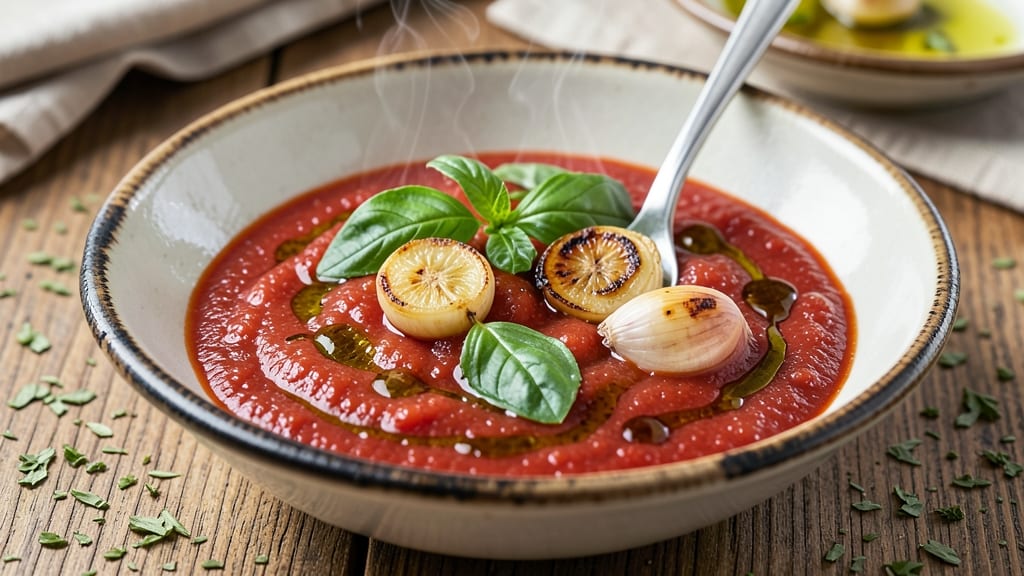
This authentic Napoli sauce recipe delivers the rich, slow-simmered tomato perfection that makes Neapolitan cuisine unforgettable. The secret lies in San Marzano tomatoes, garlic, and fresh basil—simmered low and slow to develop deep, complex flavors without losing brightness.
I perfected this version after years of testing, ensuring every spoonful captures the soul of Naples.
What sets this sauce apart is the balance of acidity and sweetness, achieved through careful simmering and the right ratio of olive oil to tomatoes. The fresh basil added at the end keeps the flavor vibrant, while a touch of salt and sugar enhances the natural sweetness of the tomatoes.
This isn’t just a sauce—it’s a flavor foundation that elevates any dish it touches.
The result is a velvety, aromatic sauce with just the right texture—thick enough to cling to pasta or pizza but still silky smooth. It’s the kind of sauce that transforms simple ingredients into something extraordinary, with layers of flavor that build as it simmers.
Trust me, once you taste this, store-bought will never compare.
Use it immediately for freshness, or store it in the fridge for up to 5 days—though I doubt it’ll last that long. For even deeper flavor, let it reduce slightly before serving. Here’s how to make it perfectly every time.
Ingredients for authentic napoli sauce
Nine simple ingredients transform into Naples-worthy tomato perfection.
| Ingredient | Amount | Notes |
|---|---|---|
| San Marzano Tomatoes 🍅 | 28 oz | Canned, whole or crushed |
| Extra-Virgin Olive Oil 🫒 | ½ cup | High quality, fruity flavor |
| Garlic Cloves 🧄 | 4 cloves | Fresh, peeled and minced |
| Fresh Basil Leaves 🌿 | ½ cup | Packed, stems removed |
| Shallots 🧅 | 2 whole | Minced, about 2 tbsp |
| Red Wine Vinegar 🍷 | 1 tbsp | For acidity balance |
| Granulated Sugar 🍬 | 1 tsp | Enhances tomato sweetness |
| Kosher Salt 🧂 | 1 ½ tsp | Diamond Crystal preferred |
| Ground Black Pepper 🌶️ | ¼ tsp | Freshly ground |
San Marzano tomatoes are non-negotiable here—they're sweeter and more flavorful than regular canned tomatoes. Costco and Trader Joe's carry them year-round, but Italian markets or specialty stores (like Eataly if you're lucky) have the best selection. Look for cans with no added salt—they're labeled clearly. Garlic and shallots should be fresh, with no green sprouts or soft spots. Basil? Farmers markets have the best—bright green leaves with no wilting. If you're buying from a grocery store, grab the freshest bunch you can find and use within 2 days.
No San Marzano tomatoes? Whole peeled tomatoes from a can (like Muir Glen) work in a pinch, but you'll need to crush them yourself. Short on fresh basil? Dried basil at one-third the amount gets you close, but it won't have that same vibrant punch. The red wine vinegar can be swapped for balsamic vinegar if you prefer a sweeter note. For the sugar, honey works too—just use half the amount. The olive oil matters here—skip the cheap stuff. California avocado oil or Italian extra-virgin makes all the difference. And if you're making this for a crowd, double everything—it scales perfectly.
This sauce tastes even better the next day as flavors meld. Store it in a glass jar in the fridge for up to 5 days, with a thin layer of olive oil on top to preserve freshness. For longer storage, freeze in ice cube trays—just thaw and stir before using. I always make extra because it disappears faster than I can say 'al dente'. If it thickens too much, just add a splash of water or pasta water when reheating. Trust me, the leftovers are just as good as the first batch.
Why You'll Love This Recipe
- This sauce works for everything: toss it with pasta, spoon it over grilled chicken, or use it as a marinade. I keep a jar in the fridge for lazy nights or last-minute dinner guests—it’s that reliable. And because it’s so simple, I can even make a big batch on Sunday and stretch it through the week.
- No-Fuss Simplicity: I swear by this recipe because it’s the kind of sauce I can make while chatting on the phone—just a quick sauté of shallots and garlic in olive oil, crushed tomatoes, and a simmer. No peeling cans, no blenders, no stress. The San Marzano tomatoes do all the heavy lifting once they hit the pot.
- Sunshine in a Jar: That first taste of bright, sweet tomatoes with just a whisper of garlic and basil? It’s like summer in a bowl. The olive oil ties everything together so smoothly, and the basil—fresh, not dried—adds that real Italian vibe. Honestly, I’ve made fancier sauces, but this one always wins.
- Weeknight to Weekend: This sauce works for everything: toss it with pasta, spoon it over grilled chicken, or use it as a marinade. I keep a jar in the fridge for lazy nights or last-minute dinner guests—it’s that reliable. And because it’s so simple, I can even make a big batch on Sunday and stretch it through the week.
Step-by-step instructions for authentic Napoli sauce
Here's how to craft this classic Italian sauce with rich, balanced flavors that stay true to Naples.
Sauté the Shallots Until Translucent
Heat the 0.5 cup extra-virgin olive oil in a heavy-bottomed saucepan over medium-low heat. Add the 2 whole shallots (minced) and cook them gently for 5-7 minutes until they become translucent and just beginning to soften. This slow cooking prevents them from burning, which would make the sauce bitter.
I like to stir occasionally with a wooden spoon, breaking up any larger pieces as they soften. The shallots should smell sweet and aromatic by the time they're done. This foundational step builds the sauce's depth of flavor, so don't rush it—patience here makes all the difference in the final product.
Add Garlic and Tomatoes
Push the shallots to one side of the pan and add the 4 cloves minced garlic cloves to the empty space. Cook for 30 seconds until the garlic becomes fragrant but doesn't brown—this is crucial to avoid bitterness. Immediately add the 28 oz San Marzano tomatoes (crushed by hand if using whole tomatoes) and stir everything together.
The tomatoes should sizzle gently as they hit the pan. If you're using whole tomatoes, crush them with your hands first to break up the skins and release more flavor. This step is where the sauce begins its transformation from simple ingredients to something truly special. The acidity from the tomatoes helps balance the sweetness we'll add later.
Simmer the Sauce Uncovered
Bring the sauce to a gentle boil over medium heat, then reduce to a low simmer. Let it cook uncovered for 30-40 minutes, stirring occasionally. This uncovered simmer allows excess moisture to evaporate, concentrating the flavors. You'll notice the sauce gradually thickens as it reduces.
I like to check the sauce every 10 minutes or so, giving it a gentle stir to prevent any sticking. The sauce is ready when it coats the back of a spoon smoothly and has reduced by about one-third. This slow cooking process is what gives Napoli sauce its signature depth and complexity. Don't be tempted to speed this up—rushing leads to a thin, watery sauce.
Season and Finish with Basil
Add the 1 tbsp red wine vinegar, 1 tsp granulated sugar, 1.5 tsp kosher salt, and 0.25 tsp ground black pepper to the simmering sauce. Stir well to combine all the ingredients. The vinegar adds a bright acidity that cuts through the richness, while the sugar enhances the natural sweetness of the tomatoes.
Let the sauce simmer for another 5 minutes to allow all the flavors to meld together. Then, remove the pan from heat and stir in the 0.5 cup fresh basil leaves (stems removed). The basil should wilt slightly into the sauce, releasing its aromatic oils. This is the moment where all the elements come together—sweet, tangy, herby, and perfectly balanced.
Rest and Adjust the Sauce
Let the sauce rest for 10-15 minutes off the heat. This resting period allows the flavors to fully develop and the sauce to thicken slightly more. Taste the sauce and adjust the seasoning if needed—you might want to add a pinch more salt or a splash of vinegar to perfect the balance.
The sauce should be vibrant red with a glossy sheen, and it should coat the back of a spoon smoothly. If it's too thick, you can thin it with a little water or pasta water. If it's too thin, simmer it uncovered for another 5-10 minutes to reduce it further. This authentic Napoli sauce is now ready to pair with your favorite pasta or use in any Italian dish that calls for a rich tomato sauce.
Pro Tips For Making Authentic Napoli Sauce
- Peel the Tomatoes: Skip the whole can—cut open those San Marzano tomatoes, scoop out the pulp, and peel off the skins with your fingers. The texture’s smoother, and you avoid the slimy bits that lurk in canned juice. (Yes, it’s extra work, but your sauce will taste like it came from a Neapolitan nonna’s kitchen.)
- Cook Shallots Slow: Shallots in Naples sauce aren’t for flash—they’re for depth. Sauté them in olive oil on low heat for 8–10 minutes until they’re golden and jammy, not crisp. I learned this the hard way after burning them into oblivion twice.
- Crush Garlic Like a Pasta: Don’t mince—crush the garlic cloves with the flat side of your knife first. This releases more flavor without burning, and the bits stay whole enough to infuse the sauce without turning it bitter. (Your knife will hate you, but your sauce won’t.)
- Simmer Without Stirring: Once the tomatoes hit the pot, let them cook unmoved for the first 15 minutes. Stirring too soon breaks down the tomatoes into mush. After that? Stir gently—just enough to keep it from sticking. Patience here makes the sauce silky.
Best sauces and condiments for these flavors
Classic Garlic Bread
This sauce pairs perfectly with garlic bread made from a baguette or ciabatta, brushed with 2 tbsp olive oil and 3 minced garlic cloves. Toast the bread until golden and crisp, then serve alongside the sauce for dipping.
I like to add ½ tsp dried oregano to the oil for extra Italian flair. 🌟
Fresh Mozzarella
Drizzle this Napoli sauce over fresh mozzarella slices for a simple yet elegant appetizer. The creamy mozzarella contrasts beautifully with the sauce's acidity. I recommend using bocconcini or ciliegine mozzarella for bite-sized pieces. Add a sprinkle of fresh basil and a pinch of flaky sea salt for a restaurant-worthy dish.
Grilled Chicken
Use this sauce as a marinade or finishing sauce for grilled chicken. Toss 1 lb boneless chicken thighs in ½ cup sauce and let it marinate for 2-4 hours before grilling.
The sauce caramelizes slightly on the grill, adding smoky depth. Serve with roasted potatoes and a side salad for a complete meal.
Balsamic Glaze
Finish your dish with a drizzle of balsamic glaze to elevate the sauce's flavors. Heat 2 tbsp balsamic vinegar in a small saucepan until it reduces by half and thickens slightly.
The sweet-tart glaze adds complexity and pairs wonderfully with the Napoli sauce's brightness. I like to drizzle it over pasta or pizza right before serving. 🍷
Pesto Swirl
For a modern twist, swirl in 1 tbsp basil pesto just before serving. The nutty, herby notes of pesto complement the sauce's sweetness and acidity beautifully. I recommend using a homemade pesto with pine nuts and Parmigiano-Reggiano for the best results. Stir gently to create marbled swirls in the sauce.
Parmesan Crisps
Add crunch and umami with Parmesan crisps on top. Sprinkle ¼ cup grated Parmigiano-Reggiano over the sauce in a small skillet and cook on medium-low heat for 2-3 minutes until golden and crispy. These crispy bits add texture contrast and a salty punch that balances the sauce's sweetness. 🧀
Nutrition facts
Frequently asked questions
Why is San Marzano tomato the best choice for authentic Napoli sauce?
San Marzano tomatoes grow in the volcanic soil of Italy's Mount Vesuvius region, giving them a naturally sweeter, less acidic profile than regular tomatoes. Their thick flesh and low seed content create a smoother, more concentrated sauce without watering it down. For the most authentic flavor, use whole peeled San Marzano tomatoes—crush them by hand to release maximum flavor.
Can I make this sauce without fresh basil?
Yes, but the flavor will be less vibrant. Use 1 tbsp dried basil instead, but add it during the simmering phase rather than at the end. For a different twist, try ½ tsp dried oregano or 1 tsp dried thyme—both work well in traditional Neapolitan cooking. The key is balancing the herbs with the sauce's acidity and sweetness.
How do I fix a sauce that's too acidic or too sweet?
If your sauce tastes too acidic, add ½ tsp sugar and simmer for 5 minutes to mellow the flavor. For a sweeter sauce, stir in ½ tsp red wine vinegar or a pinch of salt to balance the sweetness. Taste as you go—authentic Napoli sauce should have a perfect harmony of sweet, tangy, and savory notes.
Can I make this sauce in a slow cooker?
Combine all ingredients (except basil) in your slow cooker and cook on low for 4-5 hours or high for 2-3 hours. Stir occasionally to prevent sticking. Add the basil at the end, just like the stovetop method. The slow cooking enhances the flavors even more, making it perfect for meal prep.
What's the secret to achieving the perfect texture?
The secret lies in the uncovered simmering—this allows moisture to evaporate gradually, creating a thick, velvety sauce. Stir occasionally to prevent scorching, and let it reduce by about one-third before adding the basil. If it thickens too much, thin with a splash of water or pasta water. The ideal texture should coat the back of a spoon smoothly but still be silky.