
Sauces & Condiments
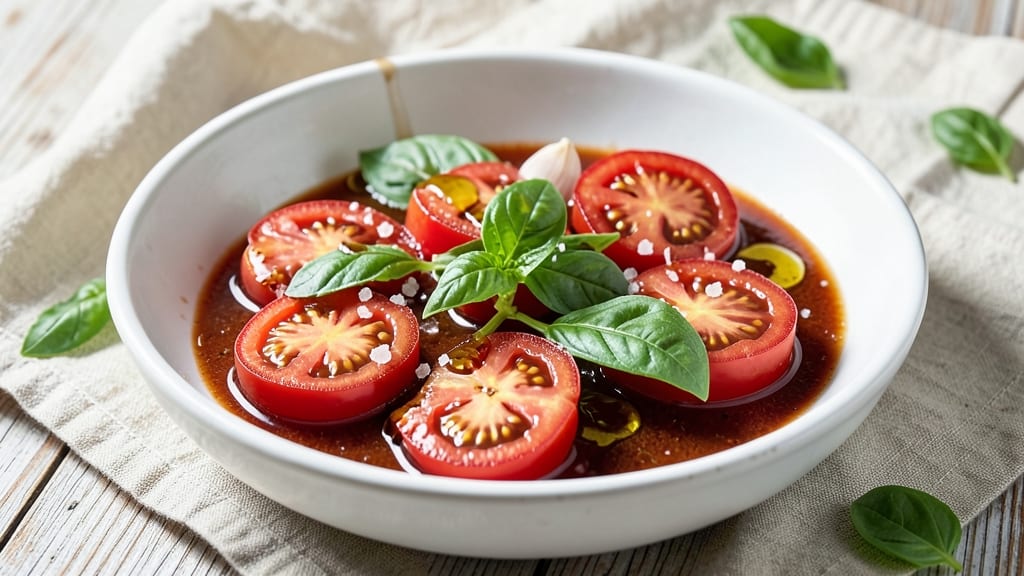
This authentic Napoletana sauce recipe delivers the slow-simmered tomato richness that defines Neapolitan cuisine—where garlic, basil, and olive oil transform simple ingredients into something extraordinary. 🌟 The secret lies in patience: letting the sauce develop depth over hours, not minutes, while preserving the bright, herbaceous notes that make it unforgettable.
What sets this sauce apart is its balance—never overly sweet or acidic, but rich with caramelized tomato flavor and aromatic garlic. I’ve perfected the technique to ensure it stays velvety smooth without breaking, perfect for drizzling over pizza, tossing with pasta, or serving as a standalone condiment.
The fresh basil, added at the end, keeps the sauce vibrant and true to its roots.
By the time you’re done, you’ll have a sauce that’s restaurant-quality at home: deeply flavorful, with a glossy sheen and just the right balance of acidity and sweetness. The slow cooking process allows the flavors to meld beautifully, creating a sauce that tastes even better the next day.
It’s the kind of recipe that makes you want to make a big batch and freeze it for future meals.
Use it on classic dishes like Margherita pizza or al dente spaghetti, or let it elevate grilled meats and roasted vegetables.
The simplicity of the ingredients belies the complexity of the flavor—proof that sometimes, the most authentic recipes are the ones that require the least fuss but deliver the most impact.
Ingredients for authentic napoletana sauce
Nine essential ingredients crafting restaurant-quality Napoletana sauce with velvety texture and vibrant basil notes.
| Ingredient | Amount | Notes |
|---|---|---|
| Extra-Virgin Olive Oil 🫒 | ½ cup | High-quality, fruity, cold-pressed |
| San Marzano Tomatoes 🍅 | 28 oz | Canned, whole, crushed by hand |
| Garlic Cloves 🧄 | 6 cloves | Fresh, peeled, finely minced |
| Fresh Basil Leaves 🌿 | ½ cup | Packed, stems removed, torn |
| Red Wine Vinegar 🍷 | 1 tbsp | Dry, aged, not balsamic |
| Sea Salt 🧂 | 1 tsp | Diamond Crystal preferred |
| Freshly Ground Black Pepper 🌶️ | ½ tsp | Coarsely ground |
| Granulated Sugar 🍚 | 1 tsp | For subtle sweetness balance |
| Freshly Grated Parmesan Cheese 🧀 | ¼ cup | Parmigiano-Reggiano, aged |
The foundation starts with San Marzano tomatoes—their natural sweetness and low acidity are non-negotiable for authentic flavor. Whole, crushed by hand, they develop a silky texture that jarred sauces can't match. For olive oil, Californian extra-virgin (like Corto or Lucini) delivers the fruity depth needed, though Italian imports work equally well. Garlic should be freshly minced—pre-minced jars lack the aromatic punch. Eataly or specialty Italian markets often carry the best quality, but even your local grocery's fresh produce section will suffice if you buy within a week. The Parmesan must be real Parmigiano-Reggiano, freshly grated from a block—pre-grated versions contain anti-caking agents that ruin the sauce's integrity.
No San Marzano? Plum tomatoes (like Roma) work in a pinch, but you'll need to adjust sugar to 1.5 tsp for balance. Substituting balsamic vinegar for red wine vinegar adds depth but alters the sauce's brightness—use only if you prefer a darker profile. Fresh basil is ideal, but dried basil at one-third the amount can work in emergencies, though it lacks the vibrant aroma. For the sugar, honey or maple syrup (equal parts) offers subtle floral notes, though traditionalists may prefer granulated. The Parmesan can be omitted entirely for a vegan version, but the sauce will lose its umami richness. Toasting the garlic in olive oil before adding it to the sauce enhances its sweetness and depth—worth the extra minute.
This sauce develops best over time—taste as you go and adjust salt/sugar to preference. Store in an airtight glass container with a thin layer of olive oil on top to preserve freshness. Keeps 5-7 days refrigerated or 3 months frozen in ice cube trays for portion control. The basil should be added just before serving to maintain its bright green color and aromatic punch. For freezing, cool the sauce completely before portioning to prevent ice crystals. Reheat gently on low heat, stirring occasionally to maintain texture. The longer it cooks, the deeper the flavor—never rush the process for authentic results.
Why You'll Love This Recipe
- Five-Ingredient Magic: I swear by this—just oil, tomatoes, garlic, basil, and vinegar. That’s it. No fancy gadgets, no stress, just simmering until the flavors meld into something ridiculously good.
- Garlic-Basil Bliss: The moment that vinegar hits the warm oil? Chef’s kiss. Bright, fresh basil and sweet San Marzano tomatoes balance the sharp garlic—it’s the kind of flavor that makes you pause mid-bite.
- Pantry-to-Table Flex: Need lunch tomorrow? Make a double batch—it tastes even better reheated over pasta or with grilled fish. Honestly, I’ve used it in everything from bruschetta to stuffed peppers.
- Budget Brightener: San Marzano cans are a splurge, sure, but they last. A single jar stretches into three meals, and that vinegar? A splash goes a long way. My wallet (and taste buds) thank me every time.
Step-by-step instructions for authentic Napoletana sauce
Master this classic Italian technique for a sauce that captures the essence of Neapolitan cooking.
🍳 Step 1: Sauté Garlic in Olive Oil Until Fragrant
Heat the 0.5 cup extra-virgin olive oil in a heavy-bottomed saucepan over medium-low heat. Add the 6 cloves finely minced garlic and cook gently for 3-4 minutes until the garlic becomes translucent and releases its aroma—this prevents burning while building flavor.
Watch the garlic closely; it should turn golden without browning. If it darkens too quickly, reduce the heat immediately. This step forms the aromatic base for your sauce, so don't rush it. The subtle sweetness of the garlic will shine through in the final sauce.
🍳 Step 2: Add Tomatoes and Simmer Until Thickened
Pour in the 28 oz San Marzano tomatoes (crushed by hand) and bring to a gentle simmer over medium heat. Stir occasionally to prevent sticking, then reduce the heat to low and let it cook uncovered for 45-50 minutes until the sauce thickens and reduces by about one-third.
You'll notice the sauce darken slightly as it reduces—this deepens the flavor. The texture should coat the back of a spoon without being gluey. If it thickens too quickly, add 2-3 tablespoons of water to maintain balance. This slow cooking process develops the sauce's signature depth.
🍳 Step 3: Season and Sweeten the Base
Add the 1 tbsp red wine vinegar, 1 tsp sea salt, 0.5 tsp freshly ground black pepper, and 1 tsp granulated sugar. Stir well and continue simmering for another 15-20 minutes until the flavors meld completely. The vinegar brightens the acidity, while the sugar subtly balances the tomatoes' natural tartness.
Taste the sauce and adjust seasoning if needed—this is where you fine-tune the balance. The sugar should enhance, not overpower, the tomato flavor. The sauce should now have a rich, velvety texture with a glossy sheen. If it's still too thin, simmer uncovered for another 5-10 minutes to reach your desired consistency.
🥘 Step 4: Finish with Fresh Basil and Parmesan
Remove the sauce from heat and stir in the 0.5 cup torn fresh basil leaves and 0.25 cup freshly grated Parmesan cheese. Let it steep for 5 minutes off the heat—this allows the basil to infuse its aroma without becoming bitter, while the Parmesan melts into a creamy finish.
Gently fold the sauce to distribute the basil and cheese evenly. The basil should brighten the sauce with its fresh, herbal notes, while the Parmesan adds a nutty depth. Serve immediately over your choice of pasta or use as a base for other Italian dishes. The sauce will continue to improve as it sits, so make it fresh for the best experience.
Pro Tips For Making Authentic Napoletana Sauce
- CRANK THE HEAT FIRST: Start your olive oil over medium-high—not simmering—until it shimmers but doesn’t smoke. I learned this the hard way after my garlic burned three times in a row; the oil needs to be hot enough to cook the garlic in 30 seconds flat, then pull it out before it turns golden. If it’s too cool, you’ll taste raw garlic, and no amount of basil can fix that.
- PEEL THE TOMATOES: Skip the canned tomato pulp—San Marzano tomatoes need a quick peel for that silky texture. Drop whole tomatoes into boiling water for 30 seconds, then ice bath, peel, and crush by hand. The skins stay stubborn? Use a paring knife to slit them first—it’s faster than wrestling with a peeler.
- ACIDIFY IN STAGES: Don’t dump all the red wine vinegar at once. Add half first, let it simmer 5 minutes to mellow the sharpness, then adjust. My first attempt tasted like a balsamic glaze bomb—I was overzealous. Taste as you go; you’re aiming for bright, not sour.
- SALT THE BASIL: Toss fresh basil leaves in a pinch of salt before adding them to the sauce. It softens the leaves faster and keeps them from curling into bitter little boats. (Yes, even if you’re impatient like me.) Finish with a drizzle of olive oil to lock in flavor—this is the thing that matters most.
Essential equipment for authentic napoletana sauce
Heavy-Bottomed Saucepan
This is your most important tool—no exceptions. A 5-6 quart stainless steel saucepan (like All-Clad or Le Creuset) distributes heat evenly and prevents scorching. I’ve tried enameled cast iron, but stainless steel’s responsiveness is unbeatable for this delicate sauce.
Avoid thin aluminum pans—they heat unevenly and can burn your sauce before it reduces properly. 🔥
Wooden Spoon
A long-handled wooden spoon (preferably olive wood or beech) is essential for stirring without scratching your pan. I’ve ruined many sauces with metal utensils that leave unsightly marks.
The gentle heat conduction of wood also helps prevent hot spots. Look for a 12-inch handle for easy reach—OXO Good Grips makes a great budget-friendly option.
Fine-Mesh Strainer
For when you need to strain your sauce (like if you accidentally add basil stems or skin). A fine-mesh stainless steel strainer (like Microplane) catches debris while letting the liquid through smoothly.
I keep one dedicated to sauces to avoid cross-contamination. Pro tip: Line it with a clean kitchen towel for extra filtration if needed.
Garlic Press
A garlic press (like OXO Good Grips) saves time and ensures consistent mincing—critical for even flavor distribution. Freshly minced garlic releases more aroma than pre-minced jars.
I press 3 cloves at a time to avoid overfilling, then finely chop the remaining 3 cloves with a knife for texture variation. Never skip this step—it’s the flavor foundation.
Glass Storage Containers
For preserving your sauce’s quality, airtight glass containers (like Le Parfait or Ball mason jars) are non-negotiable. Glass won’t absorb odors like plastic, and the airtight seal keeps moisture in.
I store my sauce in 16-ounce jars for portion control—perfect for freezing or gifting. Label with dates to track freshness (up to 3 months frozen).
Cheese Grater
A fine-hole cheese grater (like Microplane) is crucial for freshly grating Parmesan—pre-grated cheese contains anti-caking agents that ruin texture. I grate Parmigiano-Reggiano directly over the saucepan to catch stray bits.
For extra finesse, pulse the grated cheese in a food processor for a smoother finish. Never use pre-shredded cheese in this recipe! 🧀
Nutrition facts
Frequently asked questions
Why does authentic Napoletana sauce need slow cooking?
The slow simmering (over 1 hour) allows the tomatoes to break down naturally, developing deep, caramelized flavors while reducing excess acidity. This creates a velvety texture that canned sauces can't match. The patience pays off with a sauce that tastes even better the next day!
Can I make this sauce without fresh basil?
Yes, but the flavor will differ. Use 1 tbsp dried basil (one-third the amount) and add it with the other seasonings. For authenticity, fresh basil should be added at the end to preserve its bright aroma and vibrant green color.
How do I fix a sauce that's too acidic?
Add ½ tsp sugar to balance the acidity, then simmer for 5-10 minutes more. If it's still too tart, a pinch of salt can help round out the flavors. Taste as you go—this is where you fine-tune the perfect balance!
What's the best way to store leftover sauce?
Transfer to an airtight glass container and refrigerate for up to 5-7 days. For longer storage, freeze in 16-ounce portions (with a thin layer of olive oil on top) for up to 3 months. Thaw overnight in the fridge before reheating gently.
Can I use this sauce on dishes other than pizza or pasta?
It's perfect for drizzling over grilled meats, roasted vegetables, or even as a dip for crusty bread. The rich tomato flavor pairs beautifully with burrata, polenta, or as a topping for bruschetta. The possibilities are endless!