
Sauces & Condiments
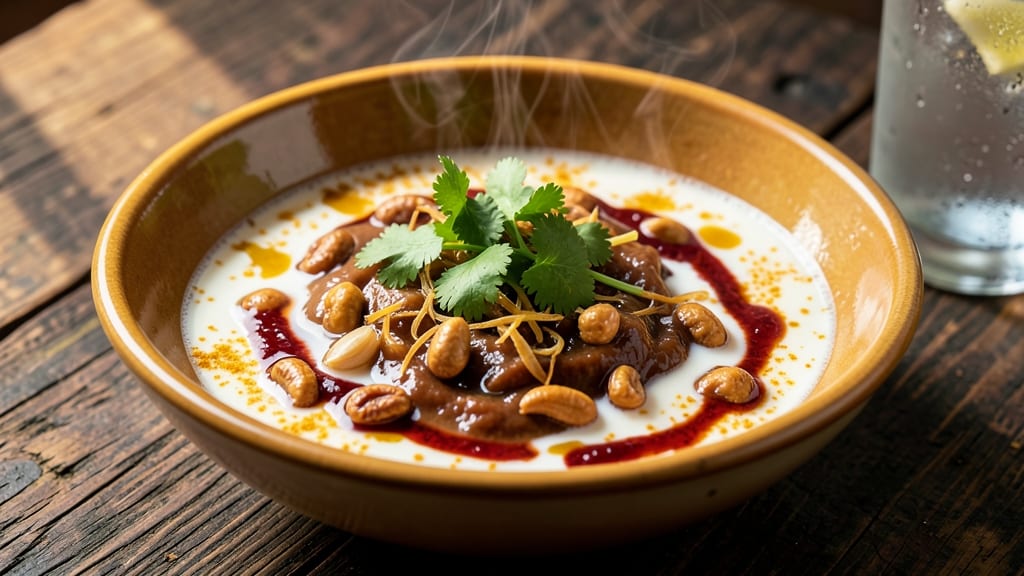
This authentic Indonesian peanut sauce transforms simple ingredients into a velvety, spice-kissed condiment that elevates everything from grilled meats to fresh spring rolls.
The secret lies in balancing toasted peanuts, tangy tamarind, and aromatic spices like turmeric and garlic—simmered just enough to create a sauce that’s rich yet light, nutty yet complex. I’ve perfected this recipe after years of testing, ensuring every spoonful delivers that signature Indonesian depth without overpowering your dish.
What sets this sauce apart is its versatility—use it as a dipping sauce for satay, a marinade base for chicken or tofu, or a drizzle over noodles and rice dishes.
The process is straightforward but critical: toast the peanuts until fragrant, blend them with shallots and garlic, then simmer the mixture with coconut milk and tamarind until silky smooth.
The result is a sauce that’s authentically bold, with layers of umami, sweetness, and warmth that transport you to a bustling Indonesian street market.
The sauce’s magic comes from the simmering technique, which develops its signature texture and flavor. Unlike thick pastes, this version stays luscious yet pourable, clinging perfectly to your food.
Store it in the fridge for up to a week, or freeze it for longer shelf life—though you’ll likely use it all up in a few days. It’s the kind of sauce that turns ordinary meals into something extraordinary, with minimal effort and maximum impact.
Pair it with grilled skewers, fresh vegetables, or even as a glaze for roasted chicken. The possibilities are endless, but the preparation remains simple: just 15 minutes of active time and a few pantry staples.
This is the peanut sauce I reach for whenever I crave that authentic Indonesian flavor—no shortcuts, just pure, unadulterated taste. Let’s make it.
Ingredients for authentic indonesian peanut sauce
Ten simple ingredients transform into that signature Indonesian peanut sauce you crave.
| Ingredient | Amount | Notes |
|---|---|---|
| Raw Peanuts 🥜 | 1 cup | Unsalted, dry-roasted until fragrant |
| Shallots 🧅 | 3 whole | Minced finely for depth |
| Garlic Cloves 🧄 | 4 cloves | Peeled, minced for aromatic punch |
| Coconut Milk 🥥 | 1 can | Full-fat for creaminess (13.5 oz) |
| Tamarind Paste 🍯 | 2 tbsp | Or 1 tbsp tamarind concentrate |
| Turmeric Powder 🌿 | ½ tsp | For vibrant color and earthiness |
| Ground Coriander 🌿 | ½ tsp | Freshly ground preferred |
| Salt 🧂 | ½ tsp | Adjust to taste |
| Sugar 🍚 | 1 tbsp | Balances tangy tamarind |
| Lime Juice 🍋 | 1 tbsp | Freshly squeezed for brightness |
The peanuts are non-negotiable here—raw, unsalted (the good stuff, not the pre-salted kind). Toast them in a dry pan over medium heat until they're golden and fragrant—about 5-7 minutes. Trader Joe's or bulk bins usually have the best quality. Skip the pre-toasted peanuts; toasting fresh is what unlocks that nutty depth. Shallots and garlic? Freshly minced makes all the difference—jarred minced garlic just doesn't cut it. For the tamarind, Kirkland brand is my go-to if you can find it; if not, tamarind concentrate works in a pinch.
No tamarind? Lemon juice plus 1 tsp sugar gets you close, though the sauce will taste slightly less complex. Coconut milk—full-fat only—gives that luxurious texture. Want more heat? Add a pinch of cayenne or a dash of chili flakes. The sugar balances the tamarind's tang, so don't skip it—it's what makes this sauce sing. If you're using a block of tamarind, soak it in warm water for 15 minutes first. And if you've got fresh turmeric, grate a pinch for extra vibrancy.
This sauce keeps beautifully—1 week in the fridge or 3 months frozen. It actually tastes better the next day as flavors meld. I like to store it in small jars so I can grab just what I need. Freeze portions in ice cube trays if you're prepping for the week. The texture will thicken when chilled, so just stir in a splash of water or coconut milk to loosen it up before using. Trust me, you'll want to make extra—it disappears fast.
Why You'll Love This Recipe
- No-Fuss Blend: This sauce comes together in one pan—no fancy techniques, just raw peanuts toasted until fragrant, shallots caramelized into sweetness, and a quick simmer with tamarind that takes the edge off the richness. Honestly, I’ve made it while scrolling through my phone; it’s that unfussy.
- Umami Bomb: That moment when the garlic and toasted peanuts hit the tamarind? The sauce goes from "good" to "I’d eat this with a spoon." The coconut milk balances the tangy kick, but it’s the deep, nutty crust on the peanuts that makes this sauce ridiculously good—no shortcuts, just real flavor.
- Dip or Dress: Slather it over grilled chicken, drizzle it on rice, or serve it as a dip with veggies—this sauce does it all. I’ve used it for weeknight stir-fries, Sunday brunch, and even as a quick marinade. Between us, it’s my go-to for lazy nights when I don’t want to overthink dinner.
- Budget Magic: A single batch stretches for days—pairs perfectly with rice, noodles, or even toast. Raw peanuts and tamarind paste are cheap staples, and the sauce only gets better after sitting overnight. Took me three tries to nail the balance, but now it’s my secret weapon for stretching meals without breaking the bank.
Step-by-step instructions for authentic Indonesian peanut sauce
Here's how to make this vibrant, nutty sauce that captures true Indonesian flavors in record time.
Toast the Raw Peanuts and Aromatics
Heat a dry skillet over medium heat and add the 1 cup raw peanuts. Toast them for 3-4 minutes, stirring constantly until they turn a rich golden brown and become fragrant. This step develops their natural oils and deepens their flavor—don't walk away, as they can burn quickly.
While the peanuts toast, add 3 whole minced shallots and 4 cloves minced garlic to the same skillet. Cook for 2-3 minutes until the shallots soften and become translucent, and the garlic releases its aroma. The shallots should smell sweet and mellow, not bitter. Remove the pan from heat and set aside—we'll return to these shortly.
Create the Spiced Base
In a clean saucepan, combine the toasted peanuts with 1 can coconut milk, 2 tbsp tamarind paste, 0.5 tsp turmeric powder, 0.5 tsp ground coriander, and 0.5 tsp salt. Bring the mixture to a gentle simmer over medium-low heat, stirring constantly to prevent sticking.
Simmer for 5-7 minutes until the sauce thickens slightly and the flavors meld together. You'll notice the turmeric giving it a beautiful golden hue—this is normal and essential for authentic color. The tamarind will add a subtle tang that balances the richness of the peanuts and coconut.
Sweeten and Brighten the Sauce
Add 1 tbsp sugar and 1 tbsp lime juice to the saucepan. Stir well and simmer for another 2-3 minutes until the sugar dissolves completely. This step is crucial—it rounds out the flavors, cutting through the richness of the peanuts and coconut while adding a refreshing brightness.
Taste the sauce and adjust the seasoning if needed. You might want to add a pinch more salt or a splash more lime juice to achieve the perfect balance. The sauce should be rich, nutty, and slightly tangy with a hint of sweetness. Let it cool slightly before using, as it will thicken further as it sits.
Blend to Smooth Perfection (Optional)
For a completely smooth sauce, transfer the mixture to a blender or food processor. Blend until completely smooth, scraping down the sides as needed. This step creates that signature velvety texture that makes this sauce so special.
If you prefer a slightly textured sauce with peanut chunks, simply stir the mixture with a spatula until well combined. Either way, you'll end up with an authentic Indonesian peanut sauce that's perfect for drizzling over satay, noodles, or grilled meats. Enjoy immediately or store in the refrigerator for up to 5 days.
Pro Tips For Making Authentic Indonesian Peanut Sauce
- Toast Peanuts Low and Slow: I learned this the hard way—blasting them on high turns them bitter. Use medium heat and stir constantly for 8–10 minutes until they’re golden and fragrant, not blackened. The goal is nutty aroma, not smoke.
- Blend Shallots and Garlic First: Pulse them separately until finely minced before adding other ingredients—this prevents a grainy texture in your sauce. Skip the food processor? Mince by hand with a knife, but don’t rush; uneven bits make the sauce taste dull.
- Simmer Tamarind Paste Longer: Tamarind’s sour punch needs time to meld. After adding it, let the sauce bubble gently for 5 minutes before introducing coconut milk. This stops the sauce from tasting sharp and one-note.
- Use Coconut Milk in Stages: Pour half in first, stir well, then add the rest at the end. This keeps the sauce thick and rich without thinning it out too soon—especially if you’re serving it over rice or satay. (Yes, even if you’re impatient like me.)
Make-ahead tips for this dish
Prep Ahead Strategy
Toast and grind the peanuts in advance to save time—store the toasted peanuts in an airtight container in the fridge for up to 3 days. This step is the most time-consuming, so doing it ahead ensures your sauce-making day is smooth.
I like to toast a batch of peanuts once a week and keep them ready for various recipes. 🥜
Freezer-Friendly Batches
Make large batches and freeze in ice cube trays for portion control. Once frozen, transfer the cubes to a ziplock bag and flatten to save space.
Thaw overnight in the fridge before using—this prevents texture changes. I freeze mine in ¼ cup portions, perfect for one serving of satay or noodles.
Fridge Storage Tips
Store your sauce in glass jars (I use Le Parfait 16oz jars) for up to 5 days. The sauce thickens as it cools, so stir in 1-2 tsp warm water before using if needed.
Label jars with the date to track freshness. The longer it sits, the more the flavors meld together beautifully.
Reheating Perfection
Gently reheat sauce on the stovetop over low heat with 1-2 tbsp water or coconut milk to restore its silky texture. Microwaving works too—heat for 30 seconds, stir, then heat in 10-second intervals until warmed through.
Never boil the sauce, as it can separate. A quick stir with a splash of lime juice revives its brightness.
Sauce Multiplier Hack
Double the recipe and freeze half immediately. This ensures you always have backup sauce when cravings strike. I keep one batch in the fridge for quick use and another frozen for emergencies. The frozen sauce maintains its rich flavor and texture remarkably well, making it a pantry staple. 💡
Nutrition facts
Frequently asked questions
Can I substitute tamarind paste if I can't find it?
Yes! Mix 1 tbsp lemon juice with 1 tsp sugar for a close substitute. The sauce will taste slightly less complex but still delicious. For deeper authenticity, try tamarind concentrate or even a pinch of date paste if available. The key is balancing the tangy element—adjust to taste after simmering.
How do I make this sauce spicier?
Add ½ tsp chili flakes or 1 tsp sambal oelek during the final simmer. For extra heat, stir in ½ tsp ground cayenne or fresh red chili paste. Start with less—you can always add more later. The sauce's natural richness balances heat beautifully, so don't overdo it unless you love fiery flavors!
Why did my sauce separate when I reheated it?
This happens when the sauce cools too quickly or gets too hot. Always reheat over low heat and stir constantly. Add 1-2 tbsp coconut milk or water to restore smoothness. For future batches, simmer the sauce longer (up to 10 minutes) to create a more stable emulsion. The texture should be velvety, not oily.
What's the best way to use leftover peanut sauce?
Drizzle over grilled satay, rice noodles, or spring rolls for instant flavor. Use it as a marinade for chicken or tofu (30 minutes before cooking), or mix into curry pastes for depth. Even a spoonful stirred into peanut butter makes a great sandwich spread! The possibilities are endless—just don't let it sit unused too long.
Can I make this sauce without coconut milk?
Yes, but the texture will be lighter. Replace with ½ cup water + ½ cup heavy cream or ½ cup Greek yogurt for richness. The sauce will still taste amazing, though coconut milk's creaminess is key to authentic Indonesian flavor. If you're avoiding dairy, use unsweetened almond milk + 1 tbsp neutral oil for a plant-based alternative.