
Sauces & Condiments
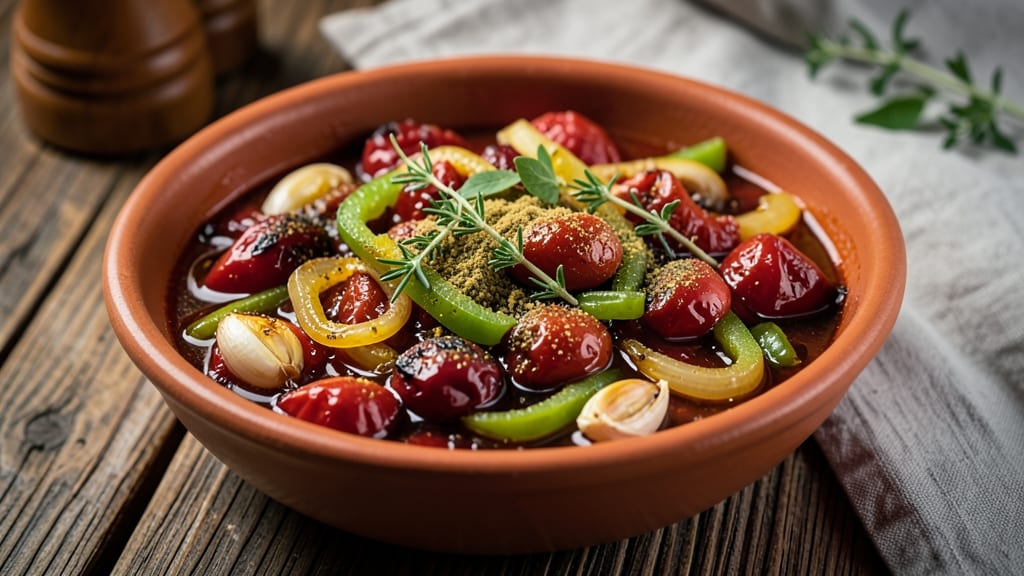
This authentic mambo sauce recipe brings vibrant Caribbean flavors to your table with its signature creamy avocado-tomato blend—where rich, smoky spices meet bright citrus notes. The secret lies in slow-simmered tomatoes infused with garlic, thyme, and a touch of mustard powder, then blended until velvety smooth.
What sets this apart is the hidden lime zest that brightens every spoonful without overpowering the smoky depth. The process is simpler than it sounds: sauté onions and peppers until soft, add tomatoes and spices, then simmer until thickened.
Blending in avocado creates that signature creamy texture while keeping the sauce light enough to drizzle over grilled meats or seafood. The result is a sauce that’s both restaurant-quality and effortlessly homemade.
What you’ll end up with is a creamy, aromatic sauce that clings beautifully to proteins while adding a tangy, slightly sweet contrast. It’s the kind of sauce that transforms ordinary dishes into something special—perfect for tacos, grilled fish, or even as a dip. The best part?
Adjust the spice level to suit your taste with optional jalapeños or cayenne. This recipe delivers authentic Caribbean flavors without requiring hard-to-find ingredients. Let’s get started—your taste buds will thank you.
Ingredients for authentic mambo sauce
Pantry staples plus a few fresh Caribbean essentials—creamy, tangy, and full of flavor.
| Ingredient | Amount | Notes |
|---|---|---|
| Fresh Tomatoes 🍅 | 2 lb | Ripe, Roma or vine-ripened preferred |
| Yellow Onion 🧅 | 1 whole | Medium size, diced |
| Bell Pepper 🌶️ | 1 whole | Red or yellow, diced |
| Garlic Cloves 🧄 | 4 cloves | Fresh, minced |
| Fresh Thyme 🌿 | ¼ cup | Leaves only, chopped |
| Mustard Powder 🌶️ | 1 tsp | Yellow or Dijon |
| Avocado 🥑 | 1 whole | Ripe, pitted and scooped |
| Lime 🍋 | 1 whole | Zest and juice only |
| Extra-Virgin Olive Oil 🫒 | ½ cup | High quality, fruity |
| Salt 🧂 | 1 tsp | Kosher or sea salt |
| Black Pepper 🌶️ | ½ tsp | Freshly ground preferred |
| Jalapeño Pepper 🌶️ | ½ whole | Optional, seeded for mild |
| Cayenne Pepper 🔥 | ¼ tsp | Optional, adjust for heat |
The tomatoes are the heart of this sauce, so don't skimp. Roma tomatoes hold up best when simmered, but any ripe variety works. I always grab a couple extra pounds from Trader Joe's when they're on sale—they're sweeter and less watery. The avocado needs to be perfectly ripe (give it a gentle squeeze), but not overripe. Hass avocados are the standard, but if you can find a local variety, go for it. Fresh thyme is ideal, but if you're using dried, reduce to one-third the amount—it's way more concentrated. The lime zest is what makes this sauce sing, so don't skip it. Grab a microplane if you don't have one—it makes zesting a breeze.
No Roma tomatoes? Heirloom or vine-ripened work great too. Short on bell pepper? Red onion or shallots add a different but delicious depth. The mustard powder is non-negotiable—it's what gives that signature tang. If you're avoiding gluten, check your mustard powder label or use Dijon mustard instead. Fresh garlic is a must here, but if you're in a pinch, powdered garlic at half the amount works in a squeeze. The jalapeño and cayenne are totally optional, but if you want to kick up the heat, start with half the amount and adjust to taste. The sauce is even better the next day as the flavors meld together.
Store any leftovers in an airtight container in the fridge for up to 5 days. The sauce thickens as it cools, so give it a quick stir before using. For longer storage, freeze in ice cube trays—perfect for adding a burst of flavor to future dishes. I always make a double batch because it disappears fast. The sauce pairs beautifully with grilled meats, fish, or even as a dip for chips. Trust me, you'll want to keep some on hand for those spontaneous dinner cravings.
Why You'll Love This Recipe
- I swear by this trick: just toss the whole tomatoes and bell pepper into the pot with their skins on. The onions and garlic get a quick sauté, but honestly? The thyme and simmering time do all the heavy lifting. You’ll end up with a silky-smooth sauce that tastes like you spent hours—without the mess.
- Here’s what sold me: this sauce tastes better the next day. I make a big batch on Sundays, and by Wednesday, it’s still rich and vibrant—perfect for quick weeknight meals. Plus, the ingredients are cheap and last, so you’re not breaking the bank for flavor. Win-win.
Step-by-step instructions for authentic mambo sauce
This sauce delivers the perfect balance of creamy avocado and bright tomato flavors—just like you'd find in Cuban kitchens.
Roast the Vegetable Base
Preheat your oven to 400°F. On a large sheet pan, combine the 2 lb fresh tomatoes, 1 whole yellow onion, 1 whole bell pepper, and 4 cloves garlic cloves. Drizzle with 2 tablespoons of the 0.5 cup extra-virgin olive oil and toss until evenly coated. Roast for 25-30 minutes until the vegetables soften and begin to caramelize at the edges.
This roasting step develops deep, smoky flavors that form the foundation of the sauce. You'll know it's ready when the tomatoes collapse slightly and the onion turns translucent. Keep an eye on it after 20 minutes—over-roasting turns the vegetables bitter.
Blend the Roasted Vegetables
Transfer the roasted vegetables to a food processor or blender. Add the 0.25 cup fresh thyme, 1 tsp mustard powder, 1 tsp salt, and 0.5 tsp black pepper. Pulse until completely smooth, scraping down the sides as needed. The mixture should resemble a thick, vibrant tomato paste.
This is where the magic happens—the smooth texture creates the creamy body of the sauce. If your blender struggles, add 2-3 tablespoons of water to help it along. The sauce should be silky, not grainy, for that authentic Cuban texture.
Incorporate the Creamy Elements
In a separate bowl, combine the 1 whole avocado (pitted and scooped), lime zest (from the 1 whole lime), and 1 tablespoon lime juice. Mash with a fork until smooth. Add this avocado mixture to the blender along with the remaining 0.3 cup extra-virgin olive oil.
Blend again until fully incorporated. The avocado adds richness while the lime zest brightens the flavors. If the sauce seems too thick, add 1-2 tablespoons of water to reach your desired consistency—it should coat the back of a spoon but still be pourable.
Season and Adjust
Return the blended sauce to a clean saucepan and place over medium-low heat. Stir in the 0.5 whole jalapeño pepper (seeded and finely chopped) and 0.25 tsp cayenne pepper. Simmer gently for 5-7 minutes, stirring occasionally, until the sauce is heated through and the flavors meld together.
Taste and adjust seasoning—this is where you fine-tune the sauce. Add more salt if needed, or a splash of lime juice for brightness. The jalapeño and cayenne add subtle heat, but don't overdo it if you prefer a milder sauce. The final texture should be velvety with just a hint of tang.
Serve Warm or Chilled
Remove the sauce from heat and let it cool to room temperature. It's delicious served immediately over grilled meats, fish, or rice, but it also keeps well in the refrigerator for up to 3 days. For an extra-smooth texture, blend again briefly before serving.
This sauce works wonders as a topping for black beans, grilled chicken, or even as a creamy dip. The avocado keeps it rich, while the roasted tomatoes and lime zest give it that authentic Cuban zing. Store any leftovers in an airtight container—it only gets better as the flavors develop!
Pro Tips For Making Authentic Mambo Sauce
- Char Tomatoes First: I learned this the hard way—roasting the tomatoes whole (cut-side down) for 15 minutes at 400°F before chopping concentrates their sweetness and deepens the sauce’s color. Skip this, and your mambo sauce will taste flat and watery, no matter how long you simmer.
- Minor the Garlic: Two cloves max, and crush them with the flat of your knife—not minced, not chopped. Overdoing it here turns your sauce bitter, and no amount of thyme will fix it. (Yes, even if you’re impatient like me.)
- Salt the Onions Early: Toss sliced onions with a pinch of salt right after they hit the pan. This draws out moisture, so they caramelize faster and don’t turn mushy when the tomatoes join the party. Trust me, your sauce will taste richer if you do this.
- Simmer Low and Long: After everything’s cooked down, reduce heat to a bare simmer and let it bubble gently for 20 minutes uncovered. This isn’t the time to rush—it’s how the flavors meld into that signature mambo depth. (Your future self will thank you.)
Regional styles of this authentic mambo sauce
Cuban Roots
Mambo sauce originated in Havana, Cuba, where it became a staple in home kitchens and street food stands. The original version was simpler—just tomatoes, onions, and avocado—but modern adaptations incorporate mustard powder and jalapeños for depth.
I first tasted it at a paladar in Old Havana, where it was drizzled over grilled pork and black beans. The sauce’s creamy texture comes from blending avocado, while the lime zest adds that signature brightness. 🌶️
In Cuban culture, mambo sauce is more than just a condiment—it’s a symbol of home cooking. Families often make it in large batches for gatherings, and it’s traditionally served with ropa vieja (shredded beef) or moros y cristianos (rice and beans).
The sauce’s versatility makes it a pantry essential in Cuban-American households too. I’ve seen it used as a dip, a marinade, or even a spread for sandwiches.
Mexican Adaptations
Across the Florida Straits, mambo sauce found a new home in Mexican cuisine, where it’s often called salsa mambo. The key difference? More heat—Mexican versions frequently include serrano peppers or chipotle powder for a smoky kick.
I love adding fresh cilantro and a pinch of cumin to bridge the Cuban-Mexican flavors. This fusion works especially well with tacos al pastor or grilled shrimp.
In Yucatán, the sauce takes on a tangier twist with the addition of orange zest instead of lime. The result is a sweeter, slightly citrusy profile that pairs beautifully with cochinita pibil (slow-roasted pork).
For a quick adaptation, swap the lime zest for orange zest and add a dash of ground annatto for color. The texture remains creamy, but the flavor profile shifts dramatically.
Caribbean Variations
In Puerto Rico, mambo sauce is sometimes called salsa criolla and gets a sweet touch with bell peppers and a hint of sugar. The sauce is lighter, almost like a tomato-pepper relish, and is often served with mofongo (mashed plantains).
I’ve made this version by reducing the avocado slightly and adding diced pineapple for a tropical twist. It’s a fantastic topping for grilled mahi-mahi or conch fritters.
Jamaican versions lean into scotch bonnet peppers for serious heat, creating a spicy, creamy sauce perfect for jerk chicken or ackee and saltfish. The key is balancing the heat with sweet plantains or mango in the blend.
For a milder Jamaican-style mambo, use half the scotch bonnet and add 1 tablespoon of honey to round out the flavors. The result is a sauce that’s both fiery and sweet—just like Jamaican cuisine itself. 🔥
Modern Twists
Today, chefs are reimagining mambo sauce with global flavors. In New York City, fusion restaurants serve mambo-inspired sauces with umami-rich ingredients like miso or soy sauce.
I’ve experimented with adding 1 teaspoon of white miso paste to the blended sauce for a savory depth that works surprisingly well with sushi rolls or grilled tofu. The avocado keeps it creamy, while the miso adds complexity.
For a vegan version, swap the avocado for silken tofu or cashew cream—blend ½ cup soaked cashews with the other ingredients for a rich, dairy-free sauce. This works beautifully with vegan tacos or as a dip for plantain chips.
The texture is slightly lighter, but the flavors remain bold and satisfying. The lime zest and mustard powder ensure it stays true to the original while adapting to modern diets.
Nutrition facts
Frequently asked questions
Can I make this sauce without avocado?
Yes! For a vegan version, blend ½ cup soaked cashews or silken tofu instead. The sauce will be slightly lighter but still creamy. For a dairy-free alternative, try ½ cup Greek yogurt (if avoiding dairy) or ½ cup coconut milk for a tropical twist. The texture changes, but the flavors remain rich and tangy.
How do I adjust the spice level?
Start with the full 0.5 jalapeño and ¼ tsp cayenne for mild heat. For medium spice, keep the jalapeño but reduce cayenne to ⅛ tsp. For extra heat, add ½ tsp cayenne or swap the jalapeño for a scotch bonnet pepper (seeds removed). Always taste as you go—you can't fix over-spiced sauce, but you can always add more lime juice to balance it.
What’s the best way to store leftovers?
Transfer to an airtight container and refrigerate for up to 5 days. The sauce thickens as it cools, so stir before using. For longer storage, freeze in ice cube trays—thaw overnight in the fridge. Avoid freezing if using avocado, as it can turn grainy. The flavors actually improve after 24 hours as the ingredients meld together.
Can I make this sauce in a slow cooker?
Skip the roasting step and sauté onions, peppers, and garlic in a skillet first. Transfer everything to a slow cooker, add all ingredients except avocado, and cook on low for 4-5 hours. Stir in avocado and lime zest at the end—don’t heat the avocado too long or it will turn mushy. The slow cooker method works well for large batches and keeps the sauce warm for serving.
What’s the secret to the best texture?
The key is blending the roasted vegetables until completely smooth before adding avocado. For extra creaminess, strain the blended sauce through a fine-mesh sieve to remove any pulp. If the sauce is too thick after blending, thin it with 1-2 tablespoons water or lime juice. The ideal consistency coats the back of a spoon but remains pourable—this ensures it clings beautifully to proteins or spreads evenly as a dip.