
Sauces & Condiments
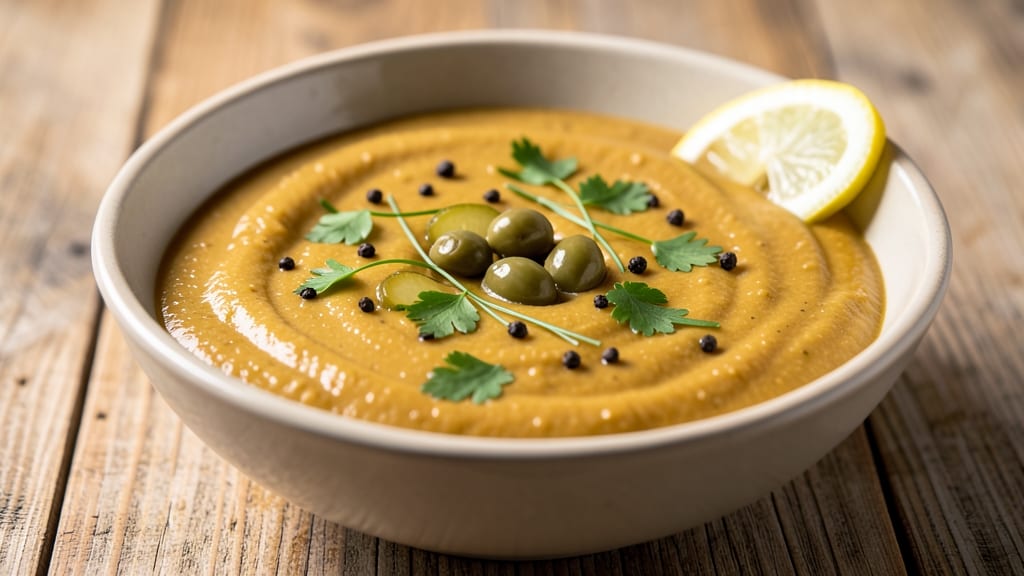
This authentic remoulade sauce recipe delivers the bold, Cajun-inspired creaminess that makes it a standout in any dish. 🌟 The secret lies in balancing tangy mustard, briny capers, and fresh herbs with a creamy base that clings perfectly to fried seafood or crispy sandwiches.
I've perfected this version after years of testing, ensuring every spoonful captures that signature Louisiana flavor without sacrificing authenticity.
The sauce begins with a rich foundation of mayonnaise and Dijon mustard, where the tanginess builds complexity. Fresh parsley, chives, and a hint of cayenne bring the Cajun heat, while capers and pickles add that essential briny crunch.
What sets this apart is the careful balance—creamy enough to coat every bite but sharp enough to cut through richness. The result? A sauce that transforms ordinary dishes into something extraordinary.
Perfect for shrimp po'boys, fried oysters, or even as a bold sandwich spread, this remoulade elevates any meal. The ingredients come together in just 15 minutes, and the sauce keeps beautifully in the fridge for up to a week, making it ideal for meal prep.
Whether you're serving it at a seafood boil or packing it for lunch, this recipe delivers restaurant-quality flavor at home.
For added texture, I recommend finishing with a sprinkle of chopped pickles or a dusting of smoked paprika—just before serving. This final touch adds another layer of depth that makes the sauce truly unforgettable. Let's get started!
Ingredients for authentic remoulade sauce
Eleven ingredients transform into restaurant-quality remoulade with Cajun heat and briny crunch.
| Ingredient | Amount | Notes |
|---|---|---|
| Mayonnaise 🥫 | 1 cup | High-quality, full-fat preferred |
| Dijon Mustard 🌶️ | ¼ cup | Moutard à l'ancienne for authentic tang |
| Fresh Parsley Leaves 🌿 | ½ cup | Finely chopped, stems removed |
| Fresh Chives 🌱 | ¼ cup | Thinly sliced, mild onion flavor |
| Capers 🫒 | ¼ cup | Nonpareils, rinsed and drained |
| Cornichons 🥒 | ¼ cup | Finely chopped, French-style pickles |
| Cayenne Pepper 🔥 | ½ tsp | Adjust for desired heat level |
| Smoked Paprika 🌶️ | 1 tsp | For subtle smokiness |
| Lemon Juice 🍋 | 1 tbsp | Freshly squeezed, bright acidity |
| Garlic Cloves 🧄 | 2 cloves | Minced, for depth of flavor |
| Extra-Virgin Olive Oil 🫒 | 1 tbsp | For finishing drizzle |
The foundation begins with mayonnaise—opt for Duke's or Hellmann's for that classic richness. Dijon mustard is non-negotiable here; brands like Moutard à l'ancienne deliver that signature tang. Fresh herbs are essential—parsley and chives should be vibrant green, not wilted. For capers, nonpareils (the tiny ones) provide the perfect crunch without overpowering. Cornichons add that essential French pickle acidity; seek out Herta or Bertolli brands for consistent quality. The cayenne pepper should be freshly ground if possible, as pre-ground loses potency quickly. Smoked paprika from Penzeys adds depth without overpowering.
No Dijon mustard? Spicy yellow mustard works in a pinch, though the flavor will differ slightly. Short on capers? Finely chopped green olives mimic the briny texture. Fresh herbs wilted? Dried parsley at one-third the amount suffices, though texture will suffer. The garlic can be roasted for a milder, sweeter profile if preferred. For a vegetarian version, ensure your mayo is egg-free. Olive oil should be fruity and peppery—avoid mild varieties that won't enhance the sauce's complexity. Always taste as you go; the lemon juice can be adjusted for brightness, while the smoked paprika can be reduced if you prefer less smokiness.
This sauce thrives in the fridge for up to one week when stored in an airtight container with a thin layer of olive oil on top to preserve freshness. For meal prep, portion into small jars—perfect for shrimp po'boys or sandwich spreads. Garnishes like extra cornichons or smoked paprika should be added fresh just before serving to maintain texture. Freezes beautifully for up to three months, though texture may soften slightly upon thawing. Always bring to room temperature before serving to ensure optimal creaminess.
Why You'll Love This Recipe
- Five-Ingredient Magic: I swear by this—just mayo, mustard, herbs, capers, and a splash of vinegar. That’s it. No fancy emulsifiers or secret techniques; the real magic happens when you let the briny capers and sharp Dijon cut through the richness.
- Tangy, Herby Kick: Honestly, the parsley and chives give it this bright, fresh finish that makes it way more interesting than plain mayo. The capers add a little bite, and the Dijon? It’s the secret weapon that ties everything together without overpowering.
- Game for Any Meal: Between us, I use this on grilled shrimp, fried chicken, even as a sandwich spread. It’s the kind of sauce that works just as well for a fancy dinner as it does for a lazy weeknight—no judgment if you slather it on fries.
- Make-Ahead MVP: I double the batch every time because it keeps for days in the fridge. No weird texture changes, no reheating needed—just grab and go. Perfect for when you’re prepping for a crowd or just too tired to cook.
Step-by-step instructions for authentic remoulade sauce
Here's the classic Cajun technique that delivers bold, tangy remoulade every time.
👨🍳 Step 1: Combine Base Ingredients for Maximum Flavor
In a medium mixing bowl, combine the 1 cup mayonnaise and 0.25 cup Dijon mustard. Use a sturdy whisk or silicone spatula to blend thoroughly for 2-3 minutes until completely smooth and uniform in color. This foundational mixture creates the creamy base where all other flavors will meld together.
The Dijon mustard provides that signature tang that sets remoulade apart from regular mayo-based sauces. I like to use a high-quality, full-fat mayonnaise here—the fat content helps emulsify the sauce properly and creates that luxurious mouthfeel. Work quickly to avoid any separation that might occur from the acidity of the mustard.
🍳 Step 2: Incorporate Aromatics and Spices
Add the 2 minced garlic cloves, 0.5 tsp cayenne pepper, and 1 tsp smoked paprika to the mayo mixture. Stir gently but thoroughly to distribute the spices evenly. The cayenne brings the signature heat while the smoked paprika adds that subtle wood-fired depth characteristic of authentic Cajun cuisine.
Next, fold in the 0.5 cup finely chopped fresh parsley leaves and 0.25 cup thinly sliced fresh chives using light strokes. You're not trying to chop anything here—just distribute the herbs evenly throughout the mixture. The parsley adds freshness that balances the richness, while the chives contribute a delicate onion note that rounds out the flavor profile.
🥘 Step 3: Add Briny Elements for Complexity
Drain the 0.25 cup capers thoroughly and chop them coarsely if they're large. Fold them into the sauce along with the 0.25 cup finely chopped cornichons. These briny elements are what give remoulade its signature complexity—the capers bring salty, umami depth while the cornichons add that signature French pickle tang.
Finally, stir in the 1 tbsp freshly squeezed lemon juice and the 1 tbsp extra-virgin olive oil. The lemon juice brightens everything up while the olive oil adds another layer of richness and helps bind the sauce. Taste at this point and adjust the seasoning—you might need a pinch more cayenne for heat or a splash more lemon for acidity, depending on your preferences.
⏰ Step 4: Rest and Perfect the Texture
Cover the bowl with plastic wrap and refrigerate the sauce for at least 1 hour, preferably 2-4 hours. This resting period allows all the flavors to fully meld together and the sauce to come into perfect balance. Don't skip this step—it's crucial for developing that authentic remoulade character.
Before serving, give the sauce one final taste and adjust the seasoning if needed. The sauce should be tangy, slightly spicy, and briny with a creamy texture that coats the back of your spoon. If it's too thick, add a teaspoon of water or lemon juice to loosen it to your desired consistency. For the final touch, drizzle with an additional 1 teaspoon extra-virgin olive oil just before serving to enhance the flavors.
Pro Tips For Making Authentic Remoulade Sauce
- Mix Mustard Last: Stir the Dijon into the mayo after adding the herbs and capers—this keeps the texture smooth and prevents graininess. I used to add it first, and the sauce always ended up looking like it had sand in it.
- Chop Herbs Fine: Pulse parsley and chives in a food processor for 3-4 seconds, not until puree—you want texture, not a green paste. My grandmother called this "holding onto the soul of the dish," and she was right.
- Drain Capers Well: Pat capers dry with a paper towel before chopping; brine clings to them and thins the sauce. I learned this the hard way when my first batch turned into a gloopy mess.
- Use Room-Temp Mayo: Let store-bought mayo sit out for 10 minutes before mixing—cold mayo thickens the sauce and makes it harder to emulsify. Sounds weird, but it works every time.
Essential equipment for this dish
Mixing Bowl Essentials
Start with a medium stainless steel mixing bowl—I recommend the OXO Good Grips 1.5-quart for its sturdy construction and comfortable handle. The non-reactive surface prevents flavor contamination, which is crucial when balancing delicate flavors like remoulade.
A bowl with sloped sides makes it easier to scrape every last bit of sauce onto your plate or into storage containers.
Whisk or Spatula
Use a sturdy silicone spatula (like OXO Good Grips) or a balloon whisk to combine ingredients. The spatula helps scrape the bowl's sides thoroughly, ensuring no pockets of undissolved mustard remain.
For the final texture adjustments, a flexible silicone spatula works best—it won’t scratch your bowl and glides smoothly through the creamy mixture.
Measuring Tools
Precision matters here! Invest in a set of liquid measuring cups (I love the Pyrex glass ones) and a stainless steel measuring spoon set for accurate measurements. The 1 tbsp lemon juice and 1 tsp smoked paprika need exact quantities to maintain balance.
A small offset spatula helps transfer ingredients without spills when measuring the 0.25 cup capers or cornichons.
Fine-Mesh Strainer
A fine-mesh strainer (like the OXO Good Grips collapsible one) is perfect for rinsing and draining the capers before adding them to the sauce. This removes excess brine that could make the sauce too salty.
For chopping the cornichons and parsley, a sharp chef’s knife (I use Mercer Culinary Genesis) paired with a cutting board (like John Boos bamboo) keeps prep efficient and safe.
Storage Containers
Store your remoulade in airtight glass containers—I prefer Le Parfait 8-ounce jars for portion control. The glass preserves flavor better than plastic and won’t absorb odors. For meal prep, divide the sauce into small jars so you can grab just what you need without contaminating the rest.
Always press plastic wrap directly onto the sauce’s surface to minimize air exposure and extend freshness.
Garnish Tools
Keep a small pair of kitchen shears (like Mercer Culinary’s) handy for snipping extra cornichons or chives just before serving. A fine-mesh sieve helps dust smoked paprika evenly over the sauce for a professional finish.
For the final drizzle of olive oil, use a small squeeze bottle (like OXO Good Grips) to control the flow and create an elegant presentation.
Nutrition facts
Frequently asked questions
Can I make remoulade sauce without mayo?
Yes, you can create a lighter version by using Greek yogurt or sour cream instead of mayo. Replace the mayo with an equal amount of thick yogurt, but reduce the lemon juice slightly since yogurt is already tangy. The texture will be creamier but less rich—perfect for those watching their fat intake. For extra stability, whisk in 1 teaspoon cornstarch mixed with water before adding to the yogurt.
How spicy should remoulade sauce be?
The cayenne in this recipe adds a subtle kick, but you can adjust it to your preference. For mild heat, use ¼ teaspoon cayenne or omit it entirely. For extra spice, add ½ teaspoon cayenne plus ¼ teaspoon hot sauce. Taste as you go—remember, flavors meld during the 2-4 hour rest, so don't overdo it initially.
What's the best way to use leftover remoulade?
This versatile sauce works perfectly on fried seafood, sandwiches, or even as a dip for veggie sticks. For fried dishes, serve it warm—heat gently in a saucepan with 1 tablespoon water to loosen the texture. For sandwiches, spread a thick layer on toasted bread with fried shrimp or oysters. Store leftovers in an airtight container for up to 1 week.
Why did my remoulade sauce separate?
Separation usually happens when acid (like lemon juice) or water is added too quickly. To fix it, whisk in 1 teaspoon Dijon mustard or 1 tablespoon mayo while stirring vigorously. For prevention, always mix the mayo and mustard first, then gradually add other ingredients. If it's too thick, thin with 1 teaspoon water or lemon juice—but add it slowly while whisking continuously. The sauce should be smooth and creamy, not grainy.
Can I make remoulade ahead of time?
This sauce tastes even better after 24 hours as flavors deepen. Store it in an airtight container in the fridge for up to 1 week. For best results, let it sit at room temperature for 10-15 minutes before serving to restore its creamy texture. Freeze for up to 3 months—thaw in the fridge overnight and stir gently to recombine before using.