
Sauces & Condiments
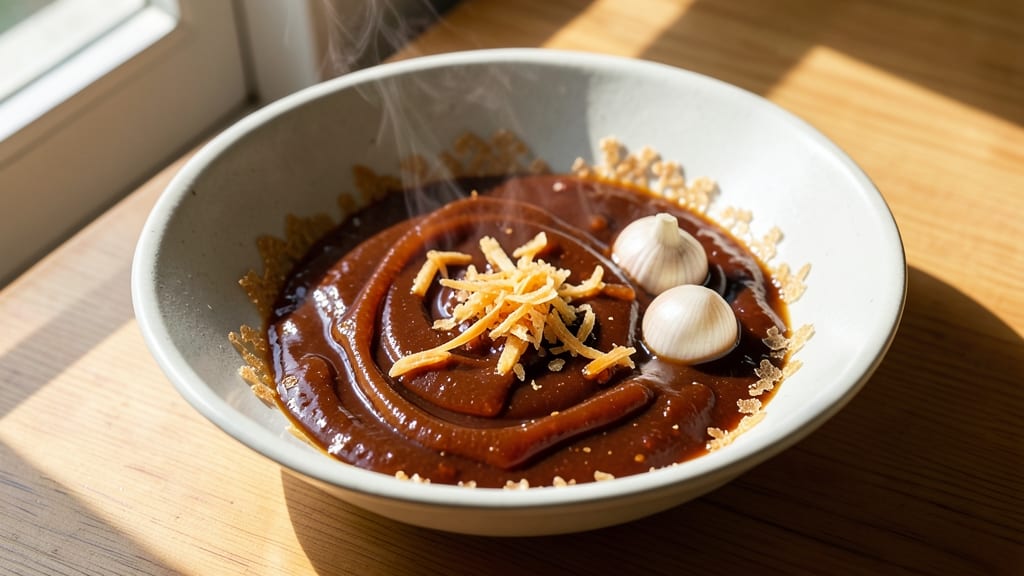
This authentic Japanese teriyaki sauce delivers the perfect balance of soy, ginger, and caramelized sweetness that transforms simple proteins into restaurant-quality dishes.
The secret lies in simmering the sauce until it thickens just enough to coat without overwhelming the natural flavors—no sticky syrup here, just a glossy, well-rounded glaze that clings beautifully.
I developed this recipe after years of testing store-bought versions that always fell short of the rich, layered depth I craved.
The foundation of great teriyaki is a slow reduction that develops caramelized notes while preserving the bright, umami-rich soy base. You’ll start with a simple blend of soy sauce, mirin, and sake, then build complexity with grated ginger, garlic, and a touch of brown sugar—no artificial flavors or preservatives.
The sauce thickens naturally as it simmers, creating a velvety consistency that’s neither too thin nor cloyingly sweet.
What makes this sauce truly authentic is the soy-ginger balance that Japanese chefs rely on, where the ginger’s warmth complements the soy’s savory depth rather than overpowering it. The caramelized edges add a subtle sweetness that enhances grilled meats, roasted vegetables, or even stir-fried tofu without masking their natural flavors.
Once you taste the difference, store-bought teriyaki will never satisfy again.
Use this sauce immediately for maximum flavor, but it also stores well in the refrigerator for up to two weeks—perfect for meal prep.
Try it on grilled chicken, salmon, or even as a dipping sauce for dumplings, and you’ll understand why this recipe has become a staple in my kitchen. Let’s make it.
Ingredients for authentic japanese teriyaki sauce
Nine simple ingredients transform into restaurant-quality teriyaki with just one pot and 30 minutes.
| Ingredient | Amount | Notes |
|---|---|---|
| Japanese Soy Sauce 🥢 | ¾ cup | High-sodium preferred for depth |
| Mirin 🍶 | ½ cup | Sweet rice wine, not mirin substitute |
| Dry Sake 🍶 | ¼ cup | Non-pasteurized for authentic flavor |
| Fresh Ginger 🌿 | 2 tbsp | Finely grated, not powdered |
| Garlic Cloves 🧄 | 4 cloves | Minced finely for smooth texture |
| Light Brown Sugar 🍯 | ¼ cup | Packed, not granulated |
| Extra-Virgin Olive Oil 🫒 | 1 tbsp | For emulsification, not flavor |
| Cornstarch 🌾 | 1 tsp | For thickening, not flour |
| Water 💧 | ¼ cup | For thinning if needed |
The Japanese soy sauce is non-negotiable—Kikkoman or Hondashi brands deliver the authentic umami depth. Mirin and sake should be non-pasteurized if possible; the grocery store versions often lack the complexity. I grab mine at Asian markets or the international aisle at Whole Foods. Fresh ginger and garlic are essential—powdered or jarred versions won't give you that bright, fresh flavor. For the brown sugar, Domino light brown works perfectly, but avoid dark molasses varieties which can overpower the delicate balance.
No mirin? Dry sherry plus 1 tsp sugar gets you close, though the flavor won't be identical. Sake unavailable? Dry white wine works in a pinch, but reduce by half since it's stronger. The cornstarch is purely functional—if you're using this for dipping, skip it entirely. For extra richness, add 1 tbsp toasted sesame oil at the end (though it's not traditional). The olive oil might seem odd, but it helps emulsify the sauce beautifully—California extra-virgin is my go-to. If your sauce thickens too much, the water is your best friend, but add it gradually.
This sauce peaks fresh but keeps beautifully for 2 weeks in the fridge. For longer storage, freeze in ice cube trays—thaw and reheat as needed. I always make double batches because it disappears fast. The sauce reheats beautifully, though it'll be slightly thicker after chilling. If you're prepping for meal prep, store it in glass jars with a splash of water to preserve the glossy finish. Once opened, use within 1 week for best flavor.
Why You'll Love This Recipe
- Five-Ingredient Magic: I swear by this combo—soy, mirin, sake, ginger, garlic—because it’s the real deal. No weird additives or thickeners; just pure umami depth that cuts through anything you toss it on.
- Weeknight Hero: Simmered in 15 minutes while you prep the rest of dinner. Honestly, I’ve burned rice waiting for store-bought sauce to heat up—this version’s ready before the chicken even hits the pan.
- Leftovers That Shine: The sauce thickens beautifully after chilling, so I double the batch. Slather it on cold noodles the next day or drizzle over rice bowls—it’s the unsung MVP of meal prep.
- Budget-Friendly Luxury: Mirin and sake might sound fancy, but a little goes a long way. I buy them in bulk, and the flavor? Worth every penny—no cheap bottled sauce can compete with this balance of sweet, salty, and funky.
Step-by-step instructions for authentic Japanese teriyaki sauce
Here's the method that delivers restaurant-quality teriyaki with perfect soy-ginger balance.
Prepare the Aromatic Base
In a medium saucepan, combine the 1 tablespoon extra-virgin olive oil over medium-low heat. Add the 4 cloves garlic cloves and 2 tablespoons fresh ginger that you've minced finely. Cook for 2-3 minutes until the garlic becomes translucent and the ginger loses its raw bite, releasing its aromatic oils.
This foundational step builds flavor depth before adding liquids. You'll know it's ready when the mixture smells intensely fragrant and the garlic turns a pale golden color. Keep the heat gentle—ginger burns quickly, and you want smooth integration, not bitter charring.
Combine Liquids and Sugar
Pour in the 0.75 cup Japanese soy sauce, 0.5 cup mirin, and 0.25 cup dry sake. Stir continuously for 1 minute to fully incorporate the aromatics. Then add the 0.25 cup packed light brown sugar, whisking until completely dissolved. Increase heat to medium-high and bring the mixture to a gentle boil.
The sugar will begin caramelizing immediately, creating that signature teriyaki depth. Watch carefully—you want the sauce to bubble steadily without boiling over. This is where the authentic balance of sweet, salty, and umami develops. Let it simmer uncovered for 5-6 minutes until reduced by about 25%, when the sauce thickens slightly and coats the back of a spoon.
Thicken and Finish
Reduce heat to low and stir in the 1 teaspoon cornstarch mixed with 0.25 cup water until smooth. Return to medium heat and simmer for 2-3 minutes until the sauce reaches a glossy, syrupy consistency that coats a spoon evenly. The sauce should be thick enough to cling to proteins but still pourable.
Taste and adjust seasoning—add a splash more Japanese soy sauce if needed for saltiness or a touch of mirin for sweetness. For extra depth, simmer for an additional 1-2 minutes to develop more caramelized flavor. Remove from heat immediately after reaching your desired consistency to prevent over-reduction.
Rest and Serve
Transfer the sauce to a clean bowl and let it rest at room temperature for 10 minutes. This allows the flavors to meld completely and the texture to stabilize. The sauce will thicken slightly more as it cools—this is normal and desirable for proper teriyaki application.
Use immediately over grilled meats, vegetables, or noodles, or store in an airtight container in the refrigerator for up to 5 days. For best results, reheat gently in a saucepan over low heat, stirring constantly until warmed through. The authentic balance of soy, ginger, and caramelized sweetness will make every bite unforgettable.
Pro Tips For Making Authentic Japanese Teriyaki Sauce
- Simmer Slow and Low: After burning the first batch by rushing, I learned to keep the heat at a gentle simmer—just enough to see tiny bubbles, not a rolling boil. This lets the mirin and sake mellow into the sauce instead of evaporating into thin air.
- Toast the Garlic First: Skip the raw garlic clove mistake—lightly fry them in a dry pan until golden (about 30 seconds) before adding them to the sauce. This deepens their flavor and prevents that bitter, undercooked taste.
- Use Real Mirin, Not Substitutes: I used cooking wine once and wondered why the sauce tasted flat. Authentic mirin has natural sweetness and acidity—no shortcuts here. If you must substitute, add a splash of sugar and a squeeze of lemon, but it won’t be the same.
- Strain Out the Ginger: Finely grate the ginger, then strain it through a fine-mesh sieve before mixing it into the sauce. This keeps the texture smooth and prevents any lingering fibrous bits in your finished teriyaki. (Yes, it’s extra work, but it’s worth it.)
Pro cooking tips for authentic japanese teriyaki sauce
Heat Control Secrets
Teriyaki sauce demands precise heat management—start with medium-low when cooking aromatics to prevent burning. I use a stainless steel saucepan (like All-Clad) because it distributes heat evenly and responds quickly to adjustments.
Once the liquids are added, increase to medium-high just until boiling, then immediately reduce to medium-low for simmering. This prevents scorching while allowing proper reduction. 🌡️
Reduction Timing
The 5-6 minute reduction is where magic happens—this isn't about evaporating all liquid but developing caramelized depth. I watch for 25% volume reduction (eyeball it by comparing to your starting liquid level) and coating the back of a spoon as key indicators.
Use a digital kitchen timer set for 4 minutes, then check consistency. If it's not thick enough, continue simmering in 30-second intervals rather than one long boil.
Cornstarch Technique
Whisk the cornstarch slurry (1 tsp cornstarch + ¼ cup water) vigorously until completely smooth before adding to hot sauce. This prevents clumping that can ruin your sauce. I use a wire whisk and stir continuously for 1 full minute after adding it to ensure even distribution.
If you see any lumps, immediately strain through a fine-mesh sieve before proceeding. 💡
Flavor Development
For deeper flavor, simmer the sauce uncovered to allow alcohol evaporation (from sake/mirin) which intensifies umami. After thickening, let it rest 10 minutes at room temperature—this isn't just about cooling but letting the ginger's heat mellow and the caramelized sugars settle.
I always taste at this stage and adjust with extra mirin if it needs more sweetness or soy sauce for saltiness.
Equipment Upgrades
Invest in a long-handled silicone spatula (like OXO Good Grips) for scraping up caramelized bits from the pan—these contain concentrated flavor. A small saucepan (2-3 quart capacity) gives you better control than a large one.
For professional results, consider a thermometer (like Thermoworks Thermapen) to monitor sauce temperature—ideal reduction occurs around 205-210°F.
Storage Hacks
Store sauce in glass containers (I use Le Parfait jars) to maintain glossy appearance. For freezing, portion into ice cube trays—each cube equals about 1 tbsp, perfect for single-use applications.
When reheating, add 1 tsp water per ¼ cup sauce to prevent thickening. The sauce thickens naturally when cold, so don't over-thicken before storing—it'll be perfect consistency when reheated. ❄️
Nutrition facts
Frequently asked questions
Can I substitute mirin or sake if I can't find them?
Yes! For mirin, mix 1 tablespoon dry sherry with 1 teaspoon sugar. For sake, use 1 tablespoon dry white wine—reduce the amount by half since it's stronger. These substitutes won't be identical, but they'll still deliver a balanced flavor. The key is adjusting the sweetness afterward with extra sugar or soy sauce if needed.
Why does my teriyaki sauce turn out too thin or too thick?
Sauce consistency depends on reduction time. For thinner sauce, simmer for 4-5 minutes instead of 6. For thicker sauce, extend simmering to 8-10 minutes or add ½ teaspoon extra cornstarch mixed with water. The ideal texture should coat the back of a spoon but still be pourable. If it's too thick after cooling, thin with 1 teaspoon water per ¼ cup sauce.
How long can I store homemade teriyaki sauce?
In the refrigerator, this sauce keeps for up to 2 weeks in an airtight container. For longer storage, freeze in ice cube trays (each cube = ~1 tablespoon) or small containers. Thaw overnight in the fridge and reheat gently over low heat, stirring constantly. The sauce may thicken slightly when cold—this is normal and will adjust when reheated.
What's the best way to use leftover teriyaki sauce?
Beyond glazing meats, use it as a dipping sauce for dumplings or spring rolls, stir into noodle dishes, or drizzle over steamed vegetables. For extra richness, add 1 teaspoon toasted sesame oil before serving. The sauce also makes a fantastic marinade—combine with 1 tablespoon olive oil for chicken or tofu before grilling. Just avoid high-heat cooking after reheating to preserve its glossy finish.
Can I make this sauce gluten-free?
Yes! Replace the Japanese soy sauce with tamari or gluten-free soy sauce (like San-J). For extra umami, add 1 teaspoon coconut aminos plus ½ teaspoon fish sauce. The texture and flavor will be slightly different but still delicious. Test small batches first, as gluten-free substitutes can vary in saltiness. The cornstarch can be omitted entirely if you prefer no thickener.