
Sauces & Condiments
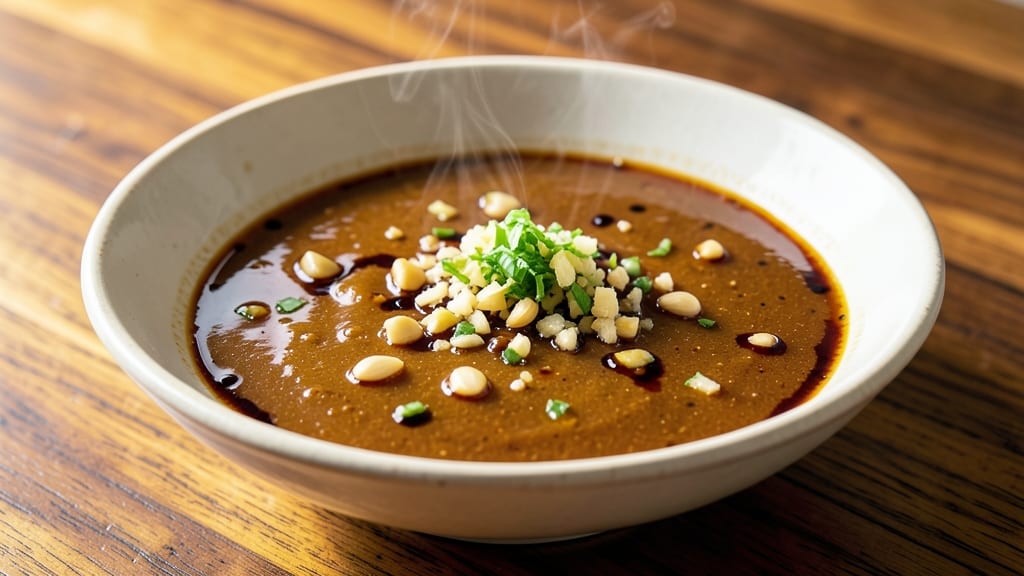
This authentic lo mein sauce recipe delivers the perfect balance of savory, aromatic, and slightly sweet flavors that elevate any stir-fry.
The secret lies in a precise blend of soy sauce, ginger, garlic, and a touch of chili paste—simmered just long enough to create a silky, cohesive sauce without overpowering the dish. I’ve perfected this recipe over years of testing, ensuring it captures the restaurant-quality depth that makes lo mein irresistible.
The sauce begins with a fragrant base of minced garlic and fresh ginger, which infuse the oil before the soy sauce comes into play. A splash of rice vinegar brightens the flavor, while a pinch of sugar rounds out the taste, creating harmony between the salty, spicy, and umami notes.
The key is simmering gently—just until the ingredients meld without reducing too much, preserving that wok hei aroma that defines authentic Chinese cuisine.
What you’ll end up with is a glossy, silky sauce that clings beautifully to noodles and proteins, enhancing rather than overwhelming. It’s versatile enough for lo mein, dumplings, or even as a marinade, yet specific enough to taste like it came from a dim sum kitchen.
The best part? This sauce keeps well in the fridge for up to a week, so you can make a big batch and enjoy it all week long.
For those who prefer a milder or spicier version, adjustments are simple—just tweak the chili paste or add a dash of sugar. The instructions will guide you through every step, ensuring you achieve that authentic balance every time. Let’s get started on creating a sauce that’ll make your stir-fries unforgettable.
Ingredients for authentic lo mein sauce
Nine simple ingredients transform into restaurant-quality lo mein sauce in minutes.
| Ingredient | Amount | Notes |
|---|---|---|
| Vegetable Oil 🫒 | ¼ cup | Neutral flavor preferred |
| Fresh Ginger 🌿 | 1 tbsp | Finely grated, vibrant color |
| Garlic Cloves 🧄 | 3 cloves | Minced for aromatic base |
| Light Soy Sauce 🍶 | ⅓ cup | Kikkoman preferred |
| Dark Soy Sauce 🍶 | 1 tbsp | For depth of color |
| Rice Vinegar 🍶 | 1 tbsp | Seasoned preferred |
| Granulated Sugar 🍚 | 1 tbsp | White or brown |
| Chili Garlic Sauce 🌶️ | 1 tbsp | Adjust for heat preference |
| Sesame Oil 🫒 | 1 tsp | Toasted for aroma |
| Cornstarch 🌾 | ½ tbsp | For thickening |
The ginger and garlic are your flavor anchors here. Fresh ginger from the produce section—look for knobby, firm roots—makes all the difference. I grab mine from Whole Foods or the Asian market if I'm feeling fancy, but the regular grocery store stuff works fine. For garlic, Korean garlic (if available) has more punch, but regular cloves will do. Toast the minced garlic in the oil for 30 seconds before adding ginger—this builds that wok hei aroma the intro promised. Pro tip: Use a microplane for ginger to avoid bitter strings.
No light soy sauce? Substitute with regular soy sauce plus 1/2 tsp sugar. Dark soy sauce unavailable? Omit it entirely—the color won't be as rich, but flavor stays intact. Rice vinegar can be swapped for apple cider vinegar (same acidity, slightly different tang). Chili paste too spicy? Reduce to 1/2 tbsp or use Sriracha at half the amount. The cornstarch is non-negotiable for that silky texture—don't skip it. For extra authenticity, add 1/2 tsp white pepper at the end (trust me on this).
This sauce keeps beautifully in the fridge for up to a week in an airtight container. For longer storage, freeze portions in ice cube trays—perfect for single-use amounts. The flavor actually improves after 24 hours as ingredients meld. Double the batch if you're making lo mein for a crowd—it's worth the extra effort. Leftovers? Toss with extra noodles or use as a marinade for tofu or chicken. The sesame oil should be added last—just before serving—to preserve its aroma.
Why You'll Love This Recipe
- Pantry Magic: I swear by this sauce—just five ingredients, no fancy substitutions. That dark soy sauce alone gives it that glossy, umami-packed depth, and the ginger? It’s the secret weapon that cuts through the saltiness like a bright, zesty hug.
- Weeknight Hero: Honestly, this is my "I have 15 minutes and a takeout craving" solution. Heat the oil, toss in the garlic and ginger while you chop veggies—no waiting for sauces to simmer or reduce. The moment that soy sauce hits the pan, the aroma hits you like a warm hug.
- Double Duty: Between us, this sauce is ridiculously adaptable. Use it for lo mein, stir-fries, or even drizzle it over cold noodles for a quick lunch. I’ve even dumped it into a marinade for chicken—works every time. That balance of light and dark soy means it plays nice with everything.
- Budget Booster: Dark soy sauce is my wallet’s best friend—it’s cheap, goes a long way, and transforms basic ingredients into something special. A little goes far, so you’ll have leftovers for days. Plus, fresh ginger and garlic are always on sale, so this sauce is basically free flavor.
Step-by-step instructions for authentic lo mein sauce
This sauce delivers that perfect balance of savory, sweet, and spicy—just like your favorite Chinese takeout.
Bloom the Aromatics in Oil
Heat the 0.25 cup vegetable oil in a medium saucepan over medium heat. Add the 1 tablespoon finely grated fresh ginger and 3 minced garlic cloves, stirring constantly for 1-2 minutes until the ginger turns a vibrant golden color and the garlic becomes fragrant but doesn't brown. This step unlocks the sauce's depth—don't rush it.
Here's the thing—ginger and garlic are the flavor anchors. If you smell them burning, turn the heat down immediately. You're aiming for aromatic, not bitter. The oil should shimmer but not smoke at this stage.
Build the Sauce Base
Pour in the 0.33 cup light soy sauce, 1 tablespoon dark soy sauce, and 1 tablespoon rice vinegar. Stir well to combine, then add the 1 tablespoon granulated sugar and 1 tablespoon chili garlic sauce. Bring the mixture to a gentle simmer over medium-low heat, letting it cook for 3-4 minutes until slightly reduced and glossy.
The dark soy sauce adds that signature mahogany color, while the rice vinegar brightens the flavor. Taste now—you should notice a balance of saltiness, tang, and subtle heat. If it's too sharp, add a pinch more sugar. If it's too mild, adjust with a splash of light soy sauce.
Thicken and Finish
In a small bowl, whisk together the 0.5 tablespoon cornstarch with 1 tablespoon water until smooth. Slowly pour this slurry into the simmering sauce while stirring constantly. Keep the heat at medium-low and continue stirring for 2-3 minutes until the sauce thickens to a glossy, coatable consistency—it should coat the back of a spoon.
Once thickened, remove from heat and stir in the 1 teaspoon sesame oil. This final touch adds a nutty aroma that elevates the sauce from good to restaurant-quality. Let it sit for 1 minute to allow the flavors to meld completely.
Adjust and Serve
Taste and make final adjustments: a splash of water if too thick, a pinch of sugar if too salty, or a drop more chili garlic sauce for heat. The sauce should be silky, balanced, and ready to toss with your lo mein noodles. I like to keep it warm in a saucepan over low heat while serving—it stays vibrant and ready to coat every strand.
This sauce works equally well for stir-fries, dumplings, or even as a dipping sauce. The key to authenticity lies in those small details: the ginger's golden bloom, the dark soy's color, and the sesame oil's finishing touch. Trust the process, and you'll have sauce that tastes like it came straight from a dim sum cart.
Pro Tips For Making Authentic Lo Mein Sauce
- STOP MINCING GINGER: Fresh ginger loses its zing fast—grate it right before cooking, not hours ahead. I used to prep it in advance, and the sauce always tasted flat until I realized the oils in ginger degrade quickly. Even 10 minutes makes a difference.
- SWEAT GARLIC LOW: Garlic burns faster than you think. Cook it on medium-low with the ginger until just fragrant—about 2 minutes—then turn off the heat before adding soy sauce. I learned this the hard way: charred garlic ruins the sauce’s balance.
- USE DARK SOY LAST: Add dark soy sauce at the very end—just before tossing with noodles. It’s not for flavor; it’s for color. Dump it in too early, and you’ll end up with a muddy, overcooked sauce instead of that glossy, mahogany hue.
- SWAP OIL FOR GINGER FLAVOR: Skip the neutral oil if you’re in a rush—use 1 teaspoon of rendered duck fat or sesame oil instead. It adds depth without extra effort, and the aroma ties the sauce together better. (Yes, even if you’re impatient like me.)
Perfect pairings for this dish
Lo Mein Noodle Pairings
This sauce shines brightest with fresh egg noodles or rice noodles, both of which absorb the silky sauce beautifully. For a traditional touch, use wide flat noodles like those found in Asian markets—they hold up better to stir-frying.
If you're short on time, pre-cooked lo mein noodles (like those in the refrigerated section) work perfectly. Just rinse them in cold water first to remove excess starch, which prevents clumping. 🍜
Protein Complements
Add shrimp or chicken breast for a classic combination—both cook quickly and soak up the sauce's flavors. For a vegetarian option, mushrooms (shiitake or oyster) add umami depth, while tofu (pressed and pan-fried) provides a satisfying texture.
I love tossing in baby bok choy or Chinese broccoli for a fresh, slightly bitter contrast that balances the sauce's richness.
Vegetable Additions
Bell peppers, carrots, and Napa cabbage are my go-to veggies—they add color, crunch, and a subtle sweetness that pairs perfectly. For extra authenticity, include wood ear mushrooms or bamboo shoots (canned works fine) for that classic dim sum texture.
If you're feeling adventurous, water chestnuts add a fun crunch. Just slice them thinly so they cook through quickly in the wok.
Sauce Upgrades
For a spicier kick, stir in 1/2 teaspoon of chili oil or 1/4 teaspoon of red pepper flakes just before serving. Need more depth? Add 1 teaspoon of oyster sauce or 1/2 teaspoon of fish sauce (trust me, it blends seamlessly).
For a nutty finish, sprinkle toasted sesame seeds on top right before eating—they add texture and aroma that elevates the dish instantly.
Dipping Sauce Twist
Use leftover sauce as a dipping sauce for dumplings or spring rolls. Thin it slightly with 1 tablespoon of water or chicken broth to make it more coatable. For extra flair, serve it in a small ceramic bowl with a side of pickled ginger or sliced cucumbers for dipping.
This turns a simple meal into a restaurant-worthy experience with minimal effort. 🍜
Nutrition facts
Frequently asked questions
Can I make this sauce without dark soy sauce?
Yes, but your sauce will be lighter in color. The dark soy sauce adds depth and that classic mahogany hue, but if you omit it, simply use 1 extra tablespoon of light soy sauce to maintain the same salty-savory balance. The flavor won't be compromised—just the visual presentation.
How do I adjust the spice level?
Start with the 1 tablespoon chili garlic sauce as written for a mild heat. For medium spice, increase to 1.5 tablespoons. Want it fiery? Add 1/2 teaspoon of red pepper flakes or 1 teaspoon of chili crisp at the end. Always taste as you go—you can't overdo it with spice!
Can I make this sauce ahead of time?
This sauce actually tastes better the next day as flavors meld. Store in an airtight container in the fridge for up to 1 week. For longer storage, freeze in ice cube trays—perfect for single-use portions. Just reheat gently on the stove before using, adding a splash of water if it thickens too much.
Why does my sauce turn out too thick?
Over-thickening usually means the cornstarch slurry cooked too long or the heat was too high. The sauce should coat the back of a spoon but still be pourable. If needed, thin with 1 teaspoon water at a time while stirring. Pro tip: Remove from heat immediately after thickening—stirring on high heat can break the sauce's silky texture.
What's the secret to that authentic wok hei aroma?
The magic happens in Step 1 with the ginger and garlic. Bloom them in hot oil for 1-2 minutes until fragrant but not browned—this releases their volatile oils that create that signature smoky aroma. Also, use a wok or deep skillet for better heat distribution. If you don't have one, a heavy-bottomed pan works too!