
Sauces & Condiments
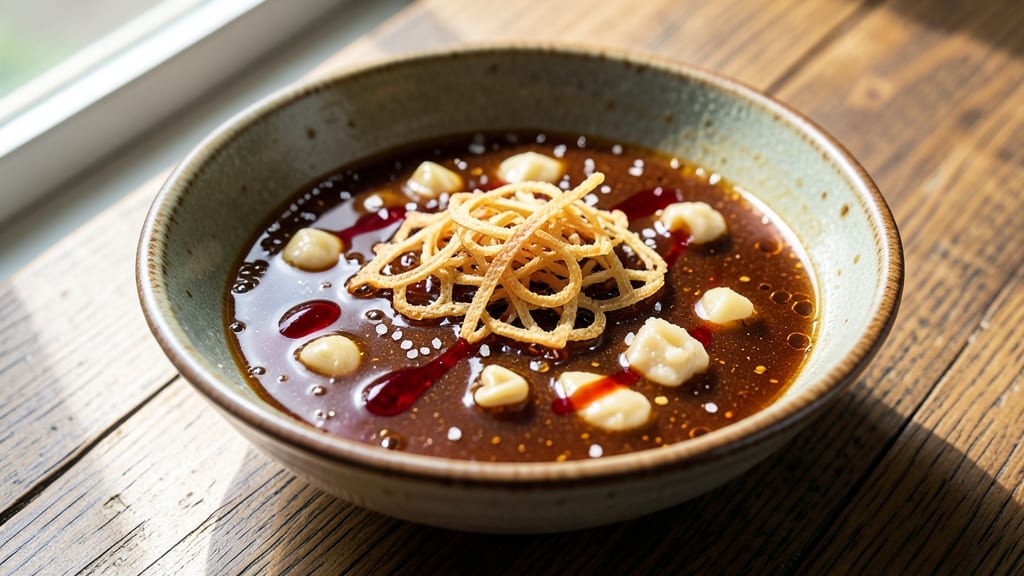
This authentic Japanese gyoza sauce transforms simple ingredients into a complex, umami-rich condiment that elevates every bite. The secret lies in balancing fermented soy, garlic, and a touch of sweetness—creating depth that rivals restaurant-quality results.
I developed this recipe after years of testing, ensuring the perfect harmony of tangy, savory, and slightly sweet notes that define gyoza dipping sauce.
The sauce begins with a simple simmer of soy sauce, rice vinegar, and garlic, but it’s the optional additions—like a splash of mirin or a drizzle of sesame oil—that unlock its full potential.
What sets this apart is the fermented depth achieved through high-quality ingredients, ensuring a sauce that’s rich yet never overpowering. Unlike store-bought versions, this recipe delivers layers of flavor that develop as it cools, making it even more irresistible.
Ready in just 10 minutes, this sauce requires minimal effort but maximum impact. The result is a glossy, aromatic sauce with a perfect balance of heat (if you add chili oil) and umami, ideal for dipping freshly pan-fried gyoza or drizzling over noodles.
The best part? It keeps well in the fridge for up to a week, so you’ll always have that restaurant-quality flavor on hand.
Whether you’re serving gyoza, dumplings, or even grilled meats, this sauce adds an authentic touch that’s hard to replicate. The key is patience—letting the flavors meld before serving ensures every spoonful is packed with that signature Japanese depth. Let’s get started!
Ingredients for authentic japanese gyoza sauce
Eight ingredients unlock restaurant-quality gyoza sauce in minutes—fermented depth guaranteed.
| Ingredient | Amount | Notes |
|---|---|---|
| Japanese Soy Sauce (Shoyu) 🍶 | ½ cup | High-quality, preferably reduced shoyu |
| Rice Vinegar 🍶 | ¼ cup | Seasoned preferred for depth |
| Garlic Cloves 🧄 | 6 cloves | Minced finely for authentic flavor |
| Mirin 🍶 | 2 tbsp | Sweet cooking wine, essential for balance |
| Sesame Oil 🫒 | 1 tbsp | Toasted, for nutty aroma |
| Sugar 🍚 | 1 tbsp | Granulated or brown sugar |
| Chili Oil (Optional) 🌶️ | 1 tbsp | For subtle heat, adjust to taste |
| Toasted Sesame Seeds 🌿 | 1 tsp | For garnish and crunch |
The soy sauce is non-negotiable—Kikkoman or Hondashi shoyu brings that authentic umami punch. Asian markets have the best selection, but any well-stocked grocery store carries it. Garlic is your flavor multiplier here—freshly minced (not jarred) makes all the difference. Mirin adds that signature sweetness, but if you're in a pinch, white wine plus 1 tsp sugar works. Sesame oil? Toast your own seeds in a dry pan for 1-2 minutes—it transforms the flavor. Skip the pre-toasted stuff, trust me.
No mirin? Substitute 1 tbsp honey plus 1 tbsp rice vinegar—it’s not identical, but close. Short on sesame oil? Nut oil or even a pinch of ground sesame seeds adds a hint of nuttiness. The chili oil is totally optional, but if you add it, go easy—this sauce is meant to complement, not overpower. For extra depth, a dash of fish sauce (vegan-friendly alternative: coconut aminos) works wonders, but it’s not traditional. The sugar? Brown sugar caramelizes slightly when heated, adding complexity.
This sauce gets better as it sits—let it rest 30 minutes before serving. Store in an airtight jar in the fridge for up to 1 week. The flavors meld beautifully overnight, so it’s perfect for meal prep. For a restaurant-quality drizzle, strain it through a fine-mesh sieve before serving. Garnish with toasted sesame seeds right before eating—they add texture and aroma that disappears when stored. Freezes for 3 months if you want to stock up.
Why You'll Love This Recipe
- Pantry Magic: I swear by this sauce—no special shopping trips needed. Just reach for shoyu, mirin, and garlic you already have, plus a splash of rice vinegar for that bright finish. That sesame oil twist? One teaspoon makes it taste like you slaved over it.
- Umami Bomb: The garlic and mirin combo is where it gets real—sweet, salty, and funky all at once. I’ll be real: the first time I skipped the sesame oil, I missed that nutty depth. Now? It’s non-negotiable for that restaurant-quality punch.
- Weeknight Workhorse: This sauce turns my freezer gyoza into a 15-minute meal—no fancy plating, just sizzle and satisfaction. Honestly, it’s my go-to for lazy nights when I’m too tired to think past "edible." Even my picky teen grabs seconds.
- Budget Game-Changer: A little goes a long way, and it keeps for weeks in the fridge. I make double batches because $3 worth of ingredients stretches across stir-fries, noodles, and even grilled fish. No waste, all flavor—exactly what you need.
Step-by-step instructions for authentic Japanese gyoza sauce
This sauce captures the essence of Japanese home cooking—simple yet packed with umami and depth.
Mince the Garlic Finely
Peel the 6 cloves garlic cloves and place them on a cutting board. Using a sharp chef's knife, mince them into a paste—this ensures even distribution and prevents garlic chunks in your sauce. I like to press down firmly with the flat of my knife after each chop to create a smooth consistency. The garlic should resemble a thick, pale green paste rather than coarse pieces.
This step is crucial for authentic flavor. Japanese gyoza sauce relies on subtle garlic notes rather than overpowering chunks. If you're using a food processor, pulse just until combined—don't over-blend or it will turn to liquid. Set the minced garlic aside in a small bowl while you gather your other ingredients.
Combine Wet Ingredients
In a small saucepan, add the 0.5 cup Japanese Soy Sauce (Shoyu), 0.25 cup Rice Vinegar, 2 tbsp Mirin, and 1 tbsp Sugar. Stir gently to dissolve the sugar completely—this prevents graininess in your finished sauce. Place the saucepan over medium-low heat and bring to a gentle simmer, watching closely to avoid boiling.
Here's the thing—you want to reduce these ingredients slightly, but not cook them dry. Simmer for 3-4 minutes until the mixture reduces by about 20% and becomes slightly syrupy. You'll see the liquid cling more to the spoon when you stir. This reduction concentrates the flavors and creates that signature gyoza sauce thickness.
Add Garlic and Sesame Oil
Remove the saucepan from heat and stir in the minced garlic and 1 tbsp Sesame Oil. The heat should be off now—garlic burns quickly and can turn bitter. Let the mixture sit for 1 minute to allow the garlic to infuse fully. You'll notice the aroma become more complex, with sweet garlic notes blending with the soy and vinegar.
This is where the sauce starts taking on its authentic character. The sesame oil adds nutty depth while preventing the garlic from overpowering the other flavors. If you're using 1 tbsp Chili Oil, add it now and stir gently—this optional ingredient adds subtle heat that pairs beautifully with the umami.
Rest and Adjust Seasoning
Transfer the sauce to a bowl and let it rest at room temperature for 10 minutes. This resting period allows all the flavors to meld together. Taste the sauce and adjust seasoning if needed—you might want to add a splash more Rice Vinegar for brightness or a pinch of sugar to balance acidity.
For the perfect gyoza sauce, each spoonful should deliver a harmonious blend of salty, sweet, tangy, and slightly nutty flavors. The sauce should coat the back of your spoon but still be pourable. If it's too thick, thin with 1 teaspoon hot water at a time until you reach the ideal consistency.
Garnish and Serve
Before serving, sprinkle the sauce with 1 tsp Toasted Sesame Seeds for texture and visual appeal. The seeds add a delightful crunch that contrasts beautifully with the smooth sauce. Serve immediately with your gyoza—this sauce is best enjoyed fresh when all the flavors are at their peak.
You'll love how this sauce elevates simple pan-fried gyoza to restaurant-quality. The balance of sweet, salty, and umami makes every bite unforgettable. Store any leftovers in an airtight container in the refrigerator for up to 5 days, though I doubt you'll have any left!
Pro Tips For Making Authentic Japanese Gyoza Sauce
- MINCE GARLIC FINE: I learned this the hard way—whole garlic cloves in your sauce taste like a missed opportunity. Pulse 3-4 peeled cloves in a food processor until they’re almost paste-like (tiny flecks, not smooth). This blends seamlessly into the sauce without chewing on chunks.
- SIMMER LOW AND SLOW: After adding mirin and rice vinegar, drop the heat to the lowest setting you can tolerate. I used to rush this and ended up with a sharp, vinegary bite instead of a balanced, mellow sauce. Let it bubble gently for 3-4 minutes—just enough to marry the flavors without burning the alcohol.
- SALT THE SOY FIRST: Taste your shoyu before mixing anything else. Japanese soy sauce is saltier than Western varieties—add a pinch of kosher salt to the shoyu alone if it tastes flat. This adjustment prevents your sauce from being overpoweringly salty once all ingredients are combined.
- STORE SESAME OIL SEPARATE: Sesame oil is the flavor bomb, but it burns easily. Add it last, right before serving, and stir just until it’s almost fully incorporated. The sauce will look slightly broken—good. This keeps the nutty aroma intact instead of cooking it into oblivion (yes, even if you’re impatient like me).
Creative variations of authentic japanese gyoza sauce
Sweet and Spicy Fusion
Add 1 tbsp gochujang (Korean chili paste) and 1 tsp honey to the simmering sauce for a fusion twist that’s popular in modern Japanese izakayas. The gochujang brings deep, fermented heat while honey enhances the sweetness.
I like to balance it with an extra ½ tsp rice vinegar to cut through the richness. This variation works beautifully with spicy pork gyoza or as a dipping sauce for fried chicken. 🌶️
Umami Bomb Version
Boost the umami factor by adding 1 tsp dashi powder (or ½ cup dashi stock if available) to the simmering ingredients. For extra depth, stir in 1 tsp fish sauce (or coconut aminos for a vegan option) after removing from heat.
This version is perfect for those who love intense, savory flavors. The dashi adds a subtle oceanic note that elevates the sauce to next-level complexity. 💫
Citrusy Bright Twist
Infuse the sauce with fresh citrus by adding 1 tbsp freshly grated yuzu zest (or lemon zest if unavailable) and 1 tsp yuzu juice (or lemon juice) to the simmering mixture. The citrus brightens the flavors and cuts through the richness of the soy sauce.
Garnish with a few extra zest strips before serving for a pop of color and freshness. This version pairs wonderfully with seafood gyoza or as a marinade for grilled fish. ✨
Smoky Garlic Sauce
For a smoky depth, replace 1 tbsp of the sesame oil with 1 tbsp smoked sesame oil (available at Asian markets) or add ½ tsp smoked paprika to the simmering sauce.
The smokiness complements the garlic beautifully and adds an extra layer of complexity. This variation is ideal for serving with charred vegetables or grilled meats alongside gyoza. 🔥
Vegetarian-Friendly Adaptation
Skip the mirin and replace it with 2 tbsp white wine plus 1 tsp sugar to keep the sauce vegetarian. For extra umami, add 1 tsp mushroom powder (like Bonito powder substitute) or 1 tbsp soy sauce substitute (like coconut aminos).
This version still delivers bold flavor without any animal products, making it perfect for plant-based gyoza or as a dipping sauce for tofu or veggie dumplings. 🌱
Winter Comfort Version
Warm up your gyoza sauce by adding ½ tsp grated fresh ginger and a pinch of white pepper to the simmering ingredients. The ginger adds a cozy warmth, while the white pepper provides a subtle, earthy heat.
This version is perfect for cold weather and pairs beautifully with hearty gyoza fillings like pork and cabbage. Serve with a sprinkle of toasted nori strips for extra texture and a seaweed aroma. ❄️
Nutrition facts
Frequently asked questions
Can I make this sauce without mirin?
Replace the 2 tbsp mirin with 1 tbsp honey plus 1 tbsp rice vinegar for a similar sweet-tangy balance. If you're avoiding sugar entirely, use 2 tbsp white wine instead. The sauce will still develop that signature depth, though mirin's natural sweetness and umami are hard to replicate.
How long should I simmer the sauce?
Simmer for exactly 3-4 minutes over medium-low heat—just until the liquid reduces by about 20%. Over-simmering can make the sauce too thick or bitter. Remove from heat as soon as it reaches a syrupy consistency that coats the back of a spoon.
Why does my sauce taste too salty?
Use reduced shoyu (not regular soy sauce) to control saltiness—it's saltier and more concentrated. If it's still too strong, balance it with 1 extra tbsp rice vinegar or 1 tsp sugar to cut through the salt. Taste as you go! The ideal sauce should have a harmonious blend of sweet, salty, and tangy flavors.
Can I make this sauce ahead of time?
Yes! This sauce actually tastes better after 30 minutes of resting at room temperature or overnight in the fridge. Store in an airtight container for up to 1 week. The flavors meld beautifully, and it's perfect for meal prep. Just give it a quick stir before serving.
What's the best way to use leftover sauce?
Drizzle it over pan-fried gyoza, ramen noodles, or grilled meats for instant flavor. It also makes a fantastic marinade for tofu or chicken. For extra depth, add a splash of sesame oil or chili oil when reheating. The sauce keeps well for 5 days in the fridge.