
Sauces & Condiments
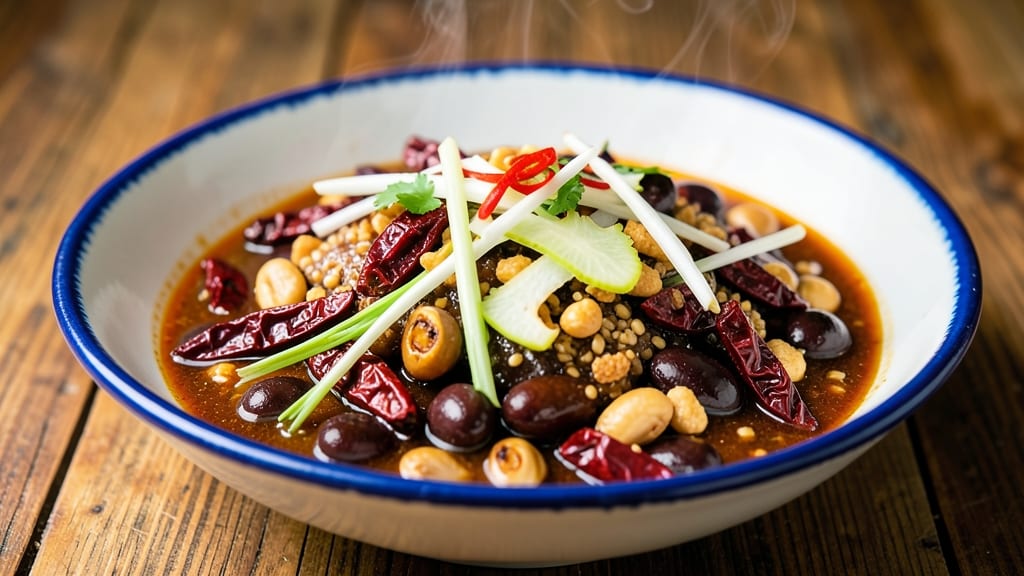
This authentic kung pao sauce recipe delivers the perfect balance of fiery heat, sweet umami, and crispy chili crunch that defines Sichuan cuisine. The secret lies in a precise blend of fermented black beans, dried chilies, and the right ratio of soy sauce to vinegar—no shortcuts, just bold, restaurant-quality flavor.
I’ve refined this recipe through countless batches, ensuring every spoonful delivers that signature tangy, slightly sweet, and deeply aromatic profile.
The sauce starts with a fragrant base of garlic, ginger, and scallions, toasted until fragrant before being deglazed with a mix of dark soy sauce and rice vinegar. Dried red chilies and fermented black beans add depth and texture, while a touch of sugar balances the heat.
The final touch? A splash of chili oil, infused with crushed dried chilies, to create that signature crispy crunch that makes this sauce irresistible.
What you’ll end up with is a vibrant, glossy sauce that’s perfect for tossing with stir-fried chicken, tofu, or vegetables. It keeps well in the refrigerator for up to two weeks, allowing you to build flavor over time.
The best part? This sauce is versatile enough to elevate any dish while staying true to its authentic roots.
For those who love heat, add extra dried chilies or a dash of chili crisp. Prefer it sweeter? Increase the sugar slightly. The key is precision—every ingredient plays a role in that perfect fiery-sweet harmony.
Let’s get started on making this sauce that’ll transport your taste buds straight to a bustling Sichuan kitchen.
Ingredients for authentic kung pao sauce
Bold flavors start with these ten essential ingredients—each one essential for that signature fiery-sweet harmony.
| Ingredient | Amount | Notes |
|---|---|---|
| Dried Red Chilies 🌶️ | 2 tbsp | Crushed for texture and heat |
| Fermented Black Beans 🫘 | ½ cup | Rinsed to reduce saltiness |
| Garlic Cloves 🧄 | 6 cloves | Minced for aromatic base |
| Fresh Ginger 🌿 | 1 tbsp | Grated for zesty kick |
| Scallions 🧅 | 3 whole | Thinly sliced for freshness |
| Dark Soy Sauce 🍶 | ¼ cup | For deep umami flavor |
| Rice Vinegar 🍶 | ⅛ cup | Balances heat with tang |
| Granulated Sugar 🍚 | 1 ½ tbsp | Adjust for sweetness |
| Sesame Oil 🫒 | 1 tbsp | For nutty aroma |
| Cornstarch 🌾 | 1 tbsp | For thickening sauce |
The chilies and black beans are non-negotiable—they bring that signature Sichuan crunch and umami. Asian markets carry the best dried chilies (look for bright red, not faded), and fermented black beans are often in the refrigerated section. If you can't find them, substitute with a mix of soy sauce and a pinch of sesame paste, but it won't be the same. Fresh ginger and garlic? Buy them whole—they last longer and taste fresher. Toast the garlic and ginger lightly in oil before adding to deepen their flavor. Pro tip: Save the leftover black bean liquid—it's packed with flavor for future batches.
No dark soy sauce? Regular soy sauce plus a splash of molasses works in a pinch, but the color will be off. Rice vinegar can be swapped for apple cider vinegar, though it'll be slightly less tangy. Running low on sesame oil? Toast sesame seeds and blend into oil—it's a game-changer. For heat lovers, add extra chilies or a dash of chili crisp at the end. Prefer it sweeter? Increase sugar by half a tablespoon and adjust to taste. The cornstarch is key for that glossy, clingy texture—don't skip it, even if you're impatient.
This sauce tastes even better the next day as flavors meld. Store in an airtight container in the fridge for up to 2 weeks, or freeze for 3 months in ice cube trays for single-use portions. The chili oil keeps separately—just mix it in when ready to use. Double the batch if you're feeding a crowd—it disappears fast. Leftovers? Toss with stir-fried veggies, noodles, or drizzle over grilled meats. Trust me, you'll want to make this again.
Why You'll Love This Recipe
- One-Pot Magic: I swear by this sauce—just toss dried chilies, black beans, and garlic into a hot wok, and let the oil work its alchemy. No blenders, no straining, just pure, smoky depth that builds as you stir.
- Fiery yet Balanced: That first hit of dried chilies packs heat, but the fermented black beans and ginger mellow it into something complex—sweet, funky, and just sharp enough to linger. Honestly, my picky eaters actually ask for seconds.
- Weeknight to Dinner Party: Same sauce works over stir-fried chicken for a Tuesday night, or drizzled over dumplings when friends drop by. The black beans add texture, the scallions brighten it up—it’s the one sauce that never lets me down.
- Pantry Goldmine: I keep dried chilies and black beans stocked because they last forever, and this sauce costs pennies to make. Plus, a batch stretches for three meals—toss it in noodles, eggs, or even a quick soup when you’re short on time.
Step-by-step instructions for authentic kung pao sauce
Here's how to create that perfect balance of heat, sweetness, and umami—just like in Sichuan kitchens.
Toast and Crisp the Dried Red Chilies
Heat a dry skillet over medium-high heat and add the 2 tbsp dried red chilies. Toast them for 1-2 minutes, stirring constantly, until they darken slightly and release their fragrant aroma. This step is crucial—it deepens their flavor and creates that signature crispy texture you crave in authentic kung pao.
Watch carefully—they burn quickly once they darken. As soon as they smell intensely aromatic and develop a deep red hue, remove them from the heat and set aside. These toasted chilies will be your sauce's fiery backbone, so don't skip this step. The contrast between their crispy crunch and the smooth sauce is what makes this dish special.
Sauté Aromatics Until Fragrant
In the same skillet (no need to clean it—the flavor compounds are gold), add 6 cloves minced garlic cloves and 1 tbsp grated fresh ginger. Cook for 30-45 seconds until the garlic turns golden and you can smell that pungent, sweet aroma. This is where the foundation of your sauce's complexity begins.
Don't let the garlic burn—it should sizzle but not darken. If it starts to brown too quickly, reduce the heat slightly. The ginger will mellow out some of the garlic's sharpness, creating that perfect balance. Here's the thing—these aromatics need to be cooked just until fragrant, not until they lose their brightness. That's what makes the sauce sing.
Build the Sauce Base with Fermented Black Beans
Add the 0.5 cup rinsed fermented black beans to the skillet and stir to combine. Cook for 2-3 minutes until they begin to soften and release their deep, funky aroma. This is where the authentic umami kick comes from—don't skip rinsing them first, though. The saltiness can be overwhelming if you don't reduce it.
You'll notice the beans breaking down slightly and releasing their liquid. This is normal and actually enhances the sauce's texture. If you're using particularly salty beans, you might want to rinse them twice to mellow that flavor. The beans should be tender but still hold their shape—this ensures they add texture to your finished sauce.
Combine Wet Ingredients for Perfect Balance
Pour in the 0.25 cup dark soy sauce, 0.125 cup rice vinegar, and 1.5 tbsp granulated sugar. Stir well to combine all ingredients, scraping up any browned bits from the bottom of the pan. These flavor compounds are pure umami gold. Let the mixture simmer for 3-4 minutes until it thickens slightly and the liquid reduces by about half.
This is where the magic happens—the sweet, tangy, and savory flavors meld together. Taste as you go and adjust the sugar if needed. Some fermented black beans can be quite salty, so you might need to add a touch more sugar to balance the flavors. The sauce should be glossy and coat the back of a spoon when you lift it—this ensures it'll cling beautifully to your protein.
Thicken and Finish with Sesame Oil
In a small bowl, whisk together the 1 tbsp cornstarch with 2 tablespoons of water to create a slurry. Slowly stir this into the simmering sauce while continuously mixing. The sauce will begin to thicken almost immediately—keep stirring for 1-2 minutes until it reaches a glossy, slightly thick consistency that coats the back of a spoon.
Remove the sauce from heat and stir in the 1 tbsp sesame oil. This final step adds that nutty aroma that's essential to authentic kung pao. The oil should be distributed evenly throughout the sauce. Taste one more time and adjust seasoning if needed—perhaps a touch more rice vinegar for tang, or a pinch of sugar to enhance the sweetness. The sauce should be complex, with layers of heat, sweetness, and umami all working together in harmony.
Pro Tips For Making Authentic Kung Pao Sauce
- STIR-FRY THE BEANS FIRST: I learned this the hard way—adding fermented black beans straight into the wok with everything else means they’ll just sit there, soggy and flavorless. Toast them dry in the wok for 30 seconds until they smell nutty and darken slightly before tossing in the rest. That’s when their funky, salty depth actually comes alive.
- DON’T SOAK THE CHILIES: Yes, even if they look tough. Rinsing or soaking dried red chilies strips away their natural oils, which carry the heat and aroma. Just give them a quick wipe with a damp paper towel to remove dust, then toss them straight into the oil. The moment they hit the pan, they’ll bloom with that smoky, fiery punch you’re after.
- LOWER THE HEAT AFTER GINGER: After frying garlic and scallions, ginger needs gentle treatment or it’ll turn bitter. Once you add the sliced ginger, immediately dial the heat down to medium-low and let it cook for just 20 seconds—no more. Overcooking it turns the sauce medicinal, and nobody wants that in their kung pao.
- USE A LITTLE SUGAR NOW: Skip the big sweet finish at the end and add ½ teaspoon of sugar when you’re frying the garlic and scallions. It caramelizes just enough to balance the heat and depth of the fermented beans, giving the sauce that classic, slightly sweet-savory harmony without making it cloying. Trust me, it’s the thing that makes the sauce taste authentic, not just spicy.
Perfect pairings for these flavors
Stir-Fry Pairings
This sauce was made for stir-fried chicken, but it elevates so much more. Toss with crispy tofu for a vegetarian version—I like extra-firm tofu pan-fried in 1 tbsp neutral oil until golden.
For a heartier dish, pair with shrimp and bell peppers: stir-fry 1 lb shrimp for 2-3 minutes per side until pink, then toss with sliced peppers and sauce. The sauce clings perfectly to each bite. 🍗
Rice Bowl Topper
Turn your sauce into a flavor bomb for rice bowls. Spoon 2-3 tbsp over steamed jasmine rice, then top with sliced scallions and a drizzle of chili oil. Add shredded rotisserie chicken or grilled pork for extra richness.
For a veggie-packed bowl, mix in steamed broccoli and carrots. The sauce’s sweetness balances the rice’s mild flavor beautifully. ✨
Noodle Game-Changer
Drizzle over lo mein noodles or udon for an instant upgrade. Toss 8 oz cooked noodles with 1 tbsp oil in a wok, then pour in ¼ cup sauce and toss until evenly coated.
Garnish with crushed peanuts for crunch and cilantro for freshness. The sauce’s tangy-sweet profile cuts through the noodles’ chewiness perfectly. 🍜
Dipping Sauce Magic
Use this sauce as a dipping sauce for spring rolls, dumplings, or even fries. Thin it slightly with 1 tbsp water if needed for easier dipping.
For extra depth, add 1 tsp fish sauce to the sauce before serving. The contrast of crispy textures with the sauce’s bold flavors is unbeatable. 🌟
Grilled Meat Glaze
Brush onto grilled chicken thighs or pork chops during the last 5 minutes of cooking. The sauce caramelizes beautifully, creating a sticky, flavorful crust. For best results, marinate the meat in 1 tbsp soy sauce for 30 minutes before grilling.
The sauce’s heat and sweetness complement the smoky grilled flavors perfectly. 🔥
Breakfast Twist
Yes, this sauce works for breakfast! Mix 2 tbsp into scrambled eggs or a stir-fry with potatoes and onions. The umami depth elevates simple breakfasts to restaurant-quality. For extra fun, top with a soft-boiled egg and crushed peanuts. It’s a Sichuan-inspired breakfast that’ll surprise your taste buds. 💛
Nutrition facts
Frequently asked questions
Can I make this sauce without fermented black beans?
Yes, but the flavor won't be authentic. For a substitute, mix 1 tbsp soy sauce with ½ tsp sesame paste and ½ tsp molasses to mimic the umami and funk. The beans add depth and texture that's hard to replicate—if you can find them, they're worth the effort!
How spicy should the sauce be?
The recipe balances heat and sweetness perfectly, but you can adjust it. For extra spice, add 1 extra tbsp dried chilies (toasted) or ½ tsp chili crisp at the end. Prefer milder? Remove ½ tbsp chilies before toasting. Taste as you go—authentic kung pao has a "fiery-sweet" harmony, not overwhelming heat.
Can I make this sauce in a slow cooker?
Not ideal—this sauce needs quick toasting of aromatics and precise timing. However, you can simmer the wet ingredients (soy sauce, vinegar, sugar) in a pot on the stove, then whisk in the cornstarch slurry separately. The high-heat steps (toasting chilies, garlic) are critical for authentic flavor. Slow cooking would mute those key aromas.
Why does my sauce look thin?
If your sauce is too thin, it likely needs more thickening. Mix 1 tsp cornstarch with 1 tsp water and stir into the simmering sauce. Cook for 1-2 more minutes until it reaches a glossy, clingy consistency. The sauce should coat the back of a spoon—this ensures it sticks to proteins beautifully.
How long will this sauce keep?
Store in an airtight container in the fridge for up to 2 weeks. For longer storage, freeze in ice cube trays (portion-sized) for up to 3 months. The flavors actually improve over time—let it sit at room temperature for 10 minutes before using to restore its glossy texture.