
Sauces & Condiments
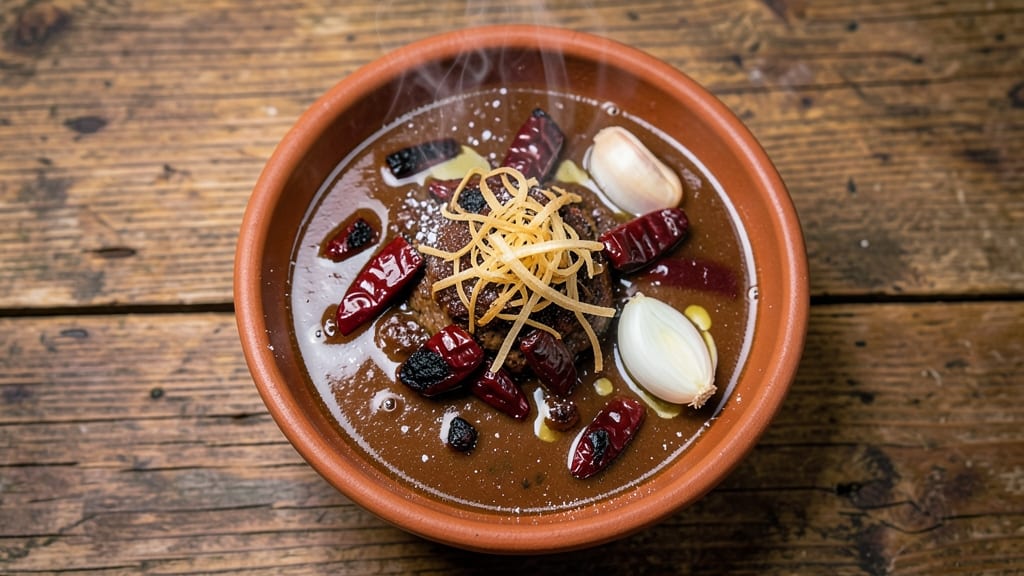
This authentic barbacoa sauce transforms tough slow-cooked meats into tender, smoky masterpieces with every bite. The secret lies in blending chipotle peppers, guajillo chiles, and adobo paste—a perfect marriage of heat and depth that defines true Mexican tradition.
I’ve perfected this recipe over years of testing, ensuring the sauce delivers restaurant-quality flavor without shortcuts or substitutions.
The process begins with toasting and soaking dried chiles to unlock their natural sweetness and smokiness, then simmering them with garlic, onions, and vinegar to create a rich, balanced base. A touch of meat stock deepens the umami, while cumin and oregano add earthy warmth.
The sauce isn’t just for barbacoa—it elevates tacos, beans, or even grilled vegetables with authentic flair.
What sets this sauce apart is its versatility and authenticity. The smoky chipotle heat lingers just enough to tantalize, while the guajillo chiles provide a subtle fruitiness that rounds out the flavor.
Unlike store-bought versions, this recipe builds layers of complexity through traditional techniques—no artificial flavors, just pure, bold taste.
Once made, the sauce keeps beautifully in the fridge for up to a week or freezes for months, making it the perfect pantry staple. Whether you’re slow-cooking beef or chicken, this sauce will turn your dish into a celebration of Mexican heritage. Let’s get started!
Ingredients for authentic barbacoa sauce
Nine ingredients, bold flavors—this sauce delivers restaurant-quality smoky depth every time.
| Ingredient | Amount | Notes |
|---|---|---|
| Dried Guajillo Chiles 🌶️ | 4 whole | Stems and seeds removed |
| Dried Chipotle Peppers in Adobo 🌶️ | 2 whole | 2 tbsp adobo paste reserved |
| White Onion 🧅 | 1 whole | Quartered, skins on |
| Garlic Cloves 🧄 | 6 cloves | Peeled, roughly chopped |
| White Vinegar 💧 | ½ cup | White or apple cider |
| Meat Stock 🍲 | 1 ½ cups | Beef or chicken preferred |
| Ground Cumin 🌿 | 1 ½ tbsp | Toasted for depth |
| Dried Oregano 🍃 | 1 tbsp | Mexican oregano ideal |
| Sea Salt 🧂 | 1 tsp | Diamond Crystal preferred |
| Black Peppercorns 🌶️ | ½ tsp | Freshly cracked |
The chiles are the heart of this sauce, so pick vibrant, plump guajillo and chipotle—avoid any that look shriveled or dull. Mexican markets or specialty stores like La Tienda carry the best selection, but the regular grocery store’s Latin aisle works too. Toast the chiles in a dry skillet for 30 seconds per side until fragrant—this unlocks their natural sweetness. Soak them in hot water for 15 minutes, then blend with the reserved adobo paste. That smoky, tangy base is non-negotiable for authentic flavor.
No guajillo chiles? Ancho chiles work in a pinch, but the sauce will be less fruity. Short on chipotle? Double the cumin and add a pinch of smoked paprika for depth. The vinegar might seem odd, but it cuts through the richness and brightens the sauce—apple cider vinegar adds subtle sweetness. For the meat stock, homemade is ideal, but store-bought low-sodium works. And if you’re feeling fancy, toast the cumin seeds whole before grinding them for a nutty aroma that elevates everything.
This sauce keeps beautifully—1 week in the fridge or 6 months in the freezer. Store it in a glass jar with a tight seal, and the flavors actually improve over time. I like to make a big batch and freeze portions in ice cube trays for easy use. The sauce thickens as it cools, so stir in a splash of water or stock if it gets too stiff. Trust me, the first time you use this on slow-cooked beef, you’ll never go back to store-bought.
Why You'll Love This Recipe
- Foolproof Simplicity: I’ll admit—soaking those dried chiles and chipotles feels like the hardest part, but honestly? It’s just 15 minutes of hands-off work while you chop an onion. No blenders, no fancy tools, just a pot and a wooden spoon. My first batch took me longer because I overcomplicated it, but now I set a timer and let the sauce do the work.
- Smoky Depth Magic: That chipotle in adobo and guajillo chile combo? It’s not just heat—it’s layers. The vinegar cuts through the richness while the garlic and onion caramelize into something almost buttery. I’ll be real: my husband still asks for this sauce even when we’re not making barbacoa, just because it’s that good on eggs or grilled chicken.
- Weeknight Superhero: Between us, this sauce is my secret weapon for lazy Sundays or when friends drop by unannounced. It’s the base for tacos, but also? Slather it on roasted potatoes, mix it into beans, or even drizzle it over avocado toast. (Yes, I’ve done it. No, I won’t judge you if you do too.)
- Budget-Friendly Powerhouse: Dried chiles and vinegar last forever, and you only need a handful of each for a big batch. I make a double portion every time because it freezes like a dream—just reheat and use for months. Not the prettiest sauce in the fridge, but the taste? That’s the real MVP.
Step-by-step instructions for authentic barbacoa sauce
Here's how to build a sauce with deep, smoky layers that transform tough meats into tender masterpieces.
Toast and Rehydrate the Dried Chiles
Heat a dry skillet over medium heat. Add the 4 whole dried guajillo chiles and toast them for 30 seconds per side until fragrant and slightly puffed. This step deepens their natural sweetness and removes any bitterness. Immediately transfer them to a bowl and cover with the 0.5 cup white vinegar. Let them soak for 15 minutes while you prepare the remaining ingredients.
The vinegar softens the chiles and infuses them with acidity, which balances the smoky depth later. Don't skip this soaking time—it ensures the chiles will blend smoothly without gritty texture. While they soak, you'll notice the liquid turn a vibrant reddish hue, signaling they're ready for blending.
Build the Base with Aromatics and Spices
In a medium saucepan, combine the quartered white onion (skins on) with the 6 cloves roughly chopped garlic. Cook over medium heat for 8-10 minutes until the onion becomes translucent and the garlic releases its aroma. Add the 2 whole dried chipotle peppers in adobo (reserving the 2 tablespoons adobo paste) and cook for another 2 minutes until fragrant.
This step develops the sauce's foundational flavors. The skins-on onion adds subtle sweetness, while the garlic and chipotles contribute their signature heat. I like to press the chipotles gently with a spoon to release their smoky oils into the pan. The reserved adobo paste will be added later to enrich the sauce's depth.
Simmer the Sauce to Perfection
Add the 1.5 cups meat stock, 1.5 tablespoons ground cumin, 1 tablespoon dried oregano, 1 teaspoon sea salt, and 0.5 teaspoon freshly cracked black peppercorns to the saucepan. Stir well to combine, then bring to a gentle simmer over medium-low heat. Reduce heat to maintain a bare simmer and cook uncovered for 20 minutes, stirring occasionally.
During this time, the flavors meld together beautifully. You'll notice the sauce darken slightly as the spices release their oils. This simmering process concentrates the flavors and creates a velvety texture. If the sauce reduces too quickly, add 1-2 tablespoons of water to maintain consistency. The sauce should finish with a glossy sheen and a rich, aromatic aroma.
Blend and Finish the Sauce
Carefully drain the soaked guajillo chiles, reserving the soaking liquid. Transfer both the chiles and the reserved liquid to a blender along with the contents of the saucepan. Add the reserved 2 tablespoons adobo paste. Blend until completely smooth, scraping down the sides as needed. The sauce should be silky with no visible texture.
Return the blended sauce to the saucepan and simmer gently for an additional 10 minutes. This final reduction intensifies the flavors and creates a sauce with perfect consistency for glazing or basting. Taste and adjust seasoning if needed—you might want to add a pinch more salt or a dash of vinegar to balance the flavors. The sauce should be rich, smoky, and slightly tangy with a touch of heat from the chipotles.
Pro Tips For Making Authentic Barbacoa Sauce
- Toast Chiles in Batches: Guajillos and chipotles burn fast—watch them like a hawk. Start with 30 seconds on medium-low, then shake the pan and check. If one side chars, move it. Overcrowding turns your sauce bitter.
- Strain the Adobo Paste: Chipotles in adobo are usually briny and murky. Pour the paste through a fine-mesh strainer before using it—skipping this means you’ll taste the vinegar and salt you didn’t add. (Yes, even if the jar looks clean.)
- Sauté Onion Until Caramelized: Don’t rush this step. Cook the onions low and slow until they’re deep golden, almost sticky. That sweetness is the base of your sauce—rushed onions mean flat flavor. (I learned this after making sauce that tasted like sad salsa.)
- Simmer, Don’t Boil: Barbacoa sauce needs time to meld, not a rolling boil. Keep it at a gentle simmer—tiny bubbles, occasional swirls. Boiling turns it thin and dull. (Your future self will notice the difference.)
Perfect pairings for this dish
Taco Night Essentials
This sauce is a game-changer for barbacoa tacos—the dish it was born to elevate. Spread a generous layer on warm corn tortillas before adding shredded beef or chicken, then top with diced white onion, cilantro, and a squeeze of lime.
For extra authenticity, serve with radish slices and a side of refried beans made with a splash of the same sauce. 🌮
Don’t stop at tacos! Use the sauce as a marinade for grilled meats or a dipping sauce for queso fundido. A drizzle over charro beans or grilled vegetables turns them into a fiesta-worthy side. The smoky depth pairs perfectly with crispy pork rinds or tostadas for a satisfying crunch.
Drink Pairings
A Mexican lager like Modelo Especial or Pacífico cuts through the sauce’s richness beautifully. The crisp, clean finish balances the smoky chipotle and fruity guajillo notes. For something stronger, a reposado tequila with its caramel sweetness complements the sauce’s depth—try Don Julio or Espolón for a premium experience. 🍺
Non-alcoholic options? Jamaica iced tea (hibiscus tea) adds a tart contrast, while horchata with its cinnamon warmth creates a delightful balance. For a refreshing twist, mix the sauce with sparkling water and a squeeze of lime for a smoky, tangy drink that’s perfect for hot days.
Global Twists
Take this sauce beyond Mexican borders! Use it as a glaze for ribs—brush it on during the last 10 minutes of smoking for a sticky, smoky crust. It also works wonders on grilled shrimp skewers or as a dipping sauce for empanadas.
The heat and depth stand up to bold flavors like blue cheese or avocado crema. 🌍
For a fusion twist, stir the sauce into mac and cheese for a smoky, cheesy bowl that’s perfect for game day. Or mix it into burgers—the chipotle heat and guajillo sweetness elevate ground beef or turkey patties to new heights.
Even roasted potatoes become irresistible when tossed in this sauce before baking.
Nutrition facts
Frequently asked questions
Can I substitute ancho chiles for guajillo in this sauce?
Yes, you can use ancho chiles, but the flavor will be slightly different. Anchos are richer and earthier, while guajillos add a fruity brightness. For best results, use 3 ancho chiles plus 1 dried arbol chile for heat. Toast them the same way and follow the recipe exactly—just expect a deeper, slightly sweeter sauce. The smoky chipotle notes will still shine through!
How do I adjust the heat level in this sauce?
The sauce has natural heat from chipotle and guajillo, but you can control it easily. For milder heat, remove the seeds and membranes from the chiles before toasting. For extra spice, add 1-2 dried arbol chiles (seeds in) or a pinch of cayenne. Always blend the chiles first to distribute the heat evenly. Taste as you go—you can always add more stock to dilute if needed.
Can I make this sauce without adobo paste?
If you can't find adobo paste, blend the soaked chipotle peppers with 1 tablespoon of vinegar and 1 teaspoon of smoked paprika to mimic the smoky depth. For extra richness, add 1 tablespoon of molasses or brown sugar to balance the acidity. The sauce will still be delicious—just slightly less complex. The key is maintaining the vinegar and stock base for that authentic tang.
What's the best way to use leftover sauce?
Store leftovers in an airtight container in the fridge for up to 1 week or freeze for 6 months. Use it as a marinade for grilled meats, a glaze for roasted vegetables, or a dip for tostadas. For extra flavor, simmer frozen sauce with 1 tablespoon of butter before using—it adds a velvety texture. The sauce thickens when chilled, so thin with stock or water before reheating.