
Sauces & Condiments
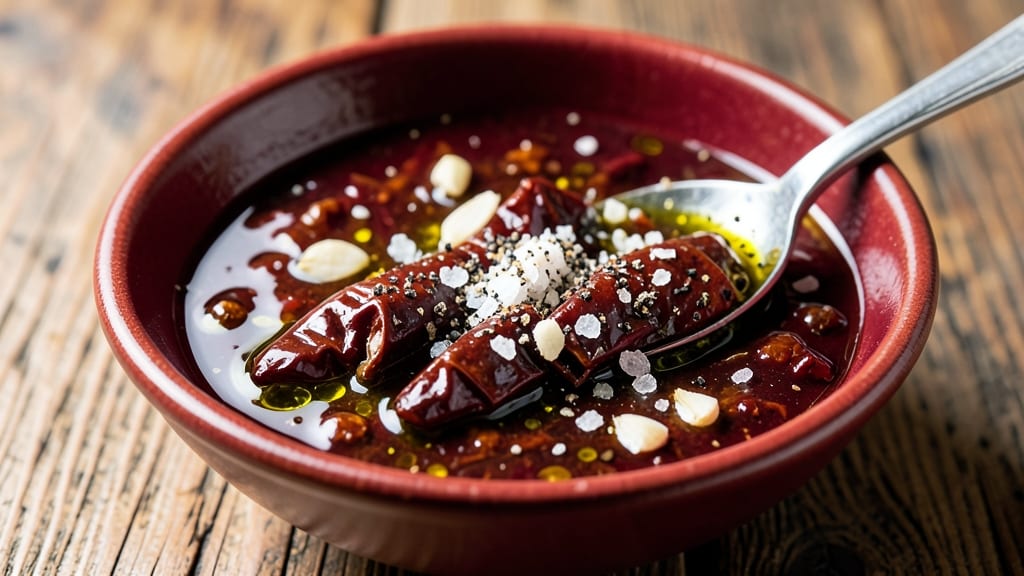
This arbol chile sauce recipe delivers the smoky, fiery depth that transforms simple dishes into bold, restaurant-worthy meals. 🔥 The secret lies in carefully balancing arbol chiles—those small, potent peppers that pack serious heat—with tangy vinegar and aromatic garlic to create a sauce that lingers on the palate long after the first bite.
I developed this recipe after years of experimenting with traditional Latin American flavors, and it's now my go-to for marinades, dipping sauces, and finishing touches on everything from grilled meats to roasted vegetables.
The process is straightforward but requires patience: simmering the chiles in oil until they release their deep, smoky essence, then blending with vinegar and garlic to create a smooth yet complex sauce.
This isn't just another hot sauce—it's a flavor multiplier that elevates any dish with its bright acidity and layered heat. The sauce keeps well in the refrigerator, so you can make a batch and use it all week, ensuring every meal has that signature smoky kick.
What makes this sauce truly special is its versatility. Use it as a marinade for chicken or pork to infuse the meat with smoky heat, drizzle it over grilled vegetables for a bold finish, or serve it as a condiment with chips and salsa.
The balance of heat, acidity, and depth ensures it won't overpower delicate flavors but instead enhances them. Once you try this sauce, you'll reach for it every time you want to add a touch of complexity to your cooking.
Ready in just 20 minutes, this sauce delivers restaurant-quality results with minimal effort. The key is letting the flavors meld during the simmering process, so don't rush it.
Trust me, the wait is worth it for that perfect harmony of smoky, spicy, and tangy notes that will make your dishes stand out. Let's get started!
Ingredients for arbol chile sauce
Eight ingredients, bold flavors—this sauce brings restaurant-quality heat to every dish.
| Ingredient | Amount | Notes |
|---|---|---|
| Dried Arbol Chiles 🌶️ | ¼ oz | Whole or crushed, seeds removed |
| Extra-Virgin Olive Oil 🫒 | ½ cup | High-quality, fruity variety |
| White Vinegar 🍶 | ¼ cup | White or apple cider vinegar |
| Garlic Cloves 🧄 | 3 cloves | Peeled, rough chopped |
| Salt 🧂 | 1 tsp | Kosher or sea salt |
| Ground Black Pepper 🌶️ | ¼ tsp | Freshly ground preferred |
| Cumin Seeds 🌿 | 1 tsp | Toasted for deeper flavor |
| Cayenne Pepper 🔥 | ¼ tsp | Adjust for desired heat |
Arbol chiles are the heart of this sauce, so pick the freshest, driest ones—they should be deep red and slightly wrinkled, not brittle. Latin markets or specialty stores usually carry them, but if you can't find them, guajillo or ancho chiles work in a pinch (soak first). The olive oil needs to be high-quality—California extra-virgin is my go-to. Toast the cumin seeds in a dry pan for 30 seconds until fragrant (that's where the depth comes from). For the garlic, I always use peeled cloves—no need to mince, just rough chop for texture.
No arbol chiles? Guajillo or ancho chiles are your best bet, but soak them first to soften. Short on vinegar? Lemon juice works too, though the flavor shifts slightly. The cumin is non-negotiable—it's the smoky backbone—but if you're out, smoked paprika at half the amount gives a similar vibe. Want more heat? Add extra cayenne or a pinch of chili powder. The sauce thickens as it cools, so if it's too thick, just stir in a splash of water or vinegar. Pro tip: Blend with a little of the oil first to help emulsify everything smoothly.
This sauce keeps for 2 weeks in the fridge, sealed tight in a jar. The flavors actually deepen over time, so make extra—it disappears fast. For long-term storage, freeze in ice cube trays and transfer to a bag. Thaw overnight in the fridge. Label everything—this sauce is potent, and you'll want to remember what it's for when you pull it out. Use it within a week of opening for best flavor, but honestly, it's so good you'll go through it fast.
Why You'll Love This Recipe
- Five-Minute Soak: I swear by this trick—just toss those dried arbol chiles in hot water for five minutes, and they’re ready to go. No fancy rehydrating, no waiting hours; the vinegar and oil do the rest while you chop garlic.
- Smoky-Sweet Heat: That first bite? The chiles bring a bright, citrusy kick with just a whisper of smokiness—no overpowering burn, just a clean, addictive zing. The vinegar cuts through while the olive oil keeps it silky smooth.
- Pantry Magic: Honestly, this sauce turns boring meals into showstoppers. Drizzle it over grilled fish, toss it with roasted veggies, or even mix it into mayo for a spicy sandwich spread. Three ingredients do all the work.
- Lasts All Week: Between us, I make a big batch and keep it in the fridge for days. The flavors deepen over time, and it’s cheaper than buying pre-made sauces. Plus, no waste—just a splash here, a splash there.
Step-by-step instructions for arbol chile sauce
Here's how to make this bold, smoky sauce that brings heat and depth to everything.
🔥 Step 1: Toast the Cumin Seeds and Arbol Chiles
Heat a small dry skillet over medium heat. Add the 1 tsp cumin seeds and toast for 1-2 minutes until they release their aroma and begin to darken slightly. Watch closely—they burn quickly! Remove from heat immediately and let cool for 30 seconds.
While still warm, add the 0.25 oz dried arbol chiles (whole or crushed) to the same skillet. Toast for another 30 seconds until fragrant. This step unlocks the chiles' natural oils and deepens their smoky flavor. Transfer both to a small bowl and set aside—you'll use them in the next step.
🍳 Step 2: Infuse the Olive Oil with Flavor
In a medium saucepan, combine the 0.5 cup extra-virgin olive oil and the toasted cumin seeds and arbol chiles. Place over low heat and let it infuse for 5 minutes. You'll see tiny bubbles form and the oil will develop a subtle golden hue—this is the oil absorbing all those incredible flavors.
Strain the oil through a fine-mesh sieve into a clean bowl, pressing gently on the solids to extract every last drop. Discard the seeds and chiles. This strained oil is your flavor foundation—save it for later if you're not making the sauce immediately.
🍳 Step 3: Build the Sauce Base
Return the strained oil to the saucepan and add the 0.25 cup white vinegar and 3 cloves rough chopped garlic. Bring to a gentle simmer over medium-low heat and cook for 3-4 minutes until the garlic is just fragrant—not browned. You want sweet, aromatic garlic, not bitter almond notes.
Real talk: Don't rush this step. The vinegar will bubble vigorously at first, but once it settles, you're ready for the next addition. Here's where the sauce starts coming together—those chile oils are now mingling with the tangy vinegar and sweet garlic.
🥘 Step 4: Season and Simmer to Perfection
Reduce heat to low and stir in the 1 tsp salt, 0.25 tsp ground black pepper, and 0.25 tsp cayenne pepper. Let the sauce simmer gently for 5-7 minutes, stirring occasionally. You're looking for a smooth, velvety consistency—not thick, not thin, but perfectly balanced.
The sauce should coat the back of a spoon when you lift it. If it's too thick, add 1-2 tablespoons water to loosen it. If it's too thin, simmer uncovered for another 2-3 minutes to reduce. Taste and adjust seasoning—this is your chance to dial in the perfect heat level for your palate.
Pro Tips For Making Arbol Chile Sauce
- TOAST CHILES UNTIL FRAGRANT: Dried arbols burn fast—watch them like a hawk. Toast them in a dry skillet over medium-low heat, stirring constantly, until they darken slightly and fill your kitchen with that smoky, citrusy aroma (about 2 minutes). Stop when they’re just starting to smell like more than just heat—overdoing it turns them bitter.
- SMASH GARLIC WITH A PINCH OF SALT: Crush those garlic cloves with a heavy knife or the flat side of a cleaver before adding salt. That extra pinch while mashing keeps the garlic from turning to mush in the oil—it releases the juices just enough to caramelize properly. (Yes, even if you’re impatient like me.)
- SIMMER THE SAUCE LOW AND SLOW: Arbols release their heat and depth when given time. After toasting the chiles and garlic in oil, add vinegar and reduce to a bare simmer—no rushing. Let it bubble gently for at least 5 minutes, stirring occasionally, or the sauce will taste sharp and unfinished. Patience here makes all the difference.
- STRAIN OUT SEEDS IF YOU WANT MILD HEAT: Want a smoother, less fiery sauce? After blending, strain the mixture through a fine-mesh sieve to remove seeds and any lingering chile skins. The texture stays silky, and the heat mellows out—great for drizzling over eggs or soups where you don’t need a kick. (I skip this for tacos, but it’s a game-changer for delicate dishes.)
Common mistakes when making perfect results
Overtoasting Chiles
I've burned more chiles than I'd like to admit trying to get that perfect toast. Arbol chiles only need 30 seconds at most—any longer and they turn bitter.
Watch closely: they should darken slightly but stay flexible. If they crisp up or smell acrid, you've overdone it. Toss them immediately and start fresh. 🌶️
Skipping the Oil Infusion
Some recipes skip infusing the oil with the toasted chiles, but I strongly recommend it. This 5-minute infusion extracts the maximum smoky flavor from the arbol chiles into the oil. Without it, your sauce will taste flat and one-dimensional. Think of it as the flavor foundation—don't skip it!
Using Wet Vinegar
Freshly squeezed lemon juice or raw apple cider vinegar works, but store-bought white vinegar is the safest bet for consistent results. If your vinegar has sediment or smells funky, strain it first.
The acidity is crucial—it balances the heat and preserves the sauce longer. Never use balsamic or wine vinegar; they'll alter the sauce's bright character.
Overblending the Sauce
This sauce should have subtle texture, not be completely smooth. If you blend too aggressively, you'll lose the beautiful depth from the toasted spices. Use quick pulses in your blender—just enough to combine everything while keeping some texture.
I like a slightly rustic finish that tells the story of the ingredients.
Ignoring the Resting Time
Let the sauce sit for 10-15 minutes after cooking before tasting. This allows all the flavors to meld together properly. Rushing to taste immediately means you might add unnecessary salt or vinegar.
The sauce will thicken slightly as it cools, so don't adjust consistency right away—wait until it's fully cooled to room temperature.
Storing Improperly
Always store this sauce in an airtight glass jar in the refrigerator. The glass preserves flavor better than plastic, and the airtight seal prevents contamination. I like to press a piece of parchment paper directly on the sauce surface before sealing to minimize oxidation.
The sauce keeps for 2 weeks, but if it develops mold or smells off, discard it immediately—this stuff is potent, and spoilage happens fast. ❄️
Nutrition facts
Frequently asked questions
Can I make this sauce without arbol chiles?
Yes, but the flavor will differ! Use guajillo or ancho chiles instead (soak first) for a milder, fruitier profile. For extra heat, add ½ tsp cayenne pepper or a pinch of chili powder. The smoky depth will still shine, but the bright, tangy arbol chile character will be missing.
How spicy is this sauce, and can I adjust the heat?
The sauce has moderate heat from arbol chiles and cayenne, but it's well-balanced by vinegar. For milder heat, reduce cayenne to ¼ tsp or omit it. For extra kick, add ½ tsp more cayenne or a dash of hot sauce. Always taste as you go!
What’s the best way to use this sauce?
This versatile sauce works as a marinade (for chicken or pork), dipping sauce (with chips or fries), or finishing drizzle (over tacos or roasted veggies). For marinades, mix ¼ cup sauce with ½ cup oil. For dipping, serve it slightly thinned with water or broth.
Can I make this sauce ahead of time?
The flavors actually improve over 24 hours as they meld. Store in an airtight glass jar in the fridge for up to 2 weeks. For longer storage, freeze in ice cube trays—thaw overnight in the fridge before using. Label it clearly; this sauce is potent!
Why did my sauce separate?
Sauce separation happens when oil and vinegar aren’t properly emulsified. To fix it, whisk vigorously or blend briefly. For prevention, simmer the sauce longer (10+ minutes) or add 1 tsp cornstarch mixed with water to thicken it slightly. Stir in a splash of cold water if needed.