
Sauces & Condiments
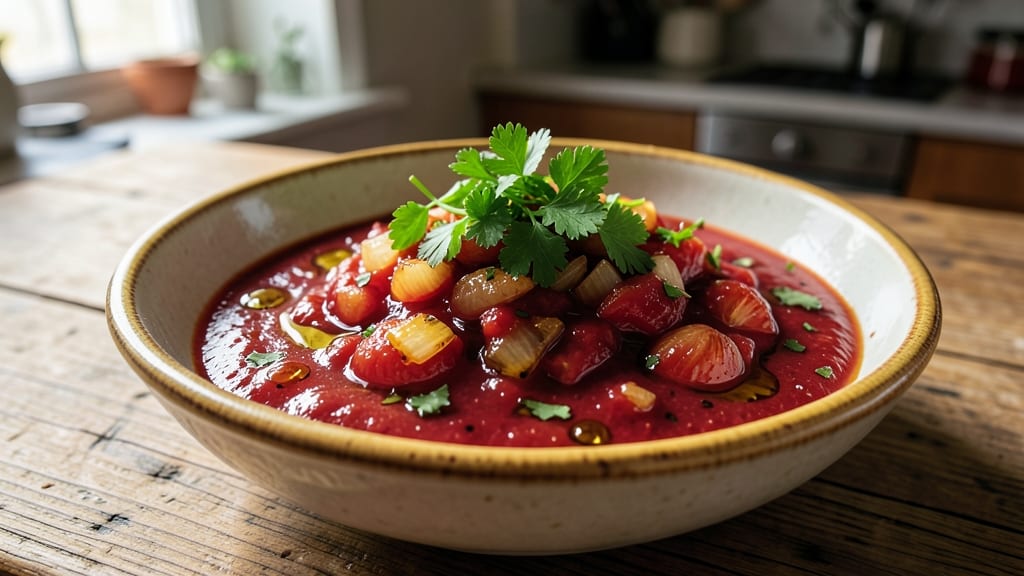
This Australian tomato sauce recipe delivers the bold, herbaceous flavor that makes Aussie cooking stand out—richer than marinara, brighter than ketchup, and packed with fresh herbs that transform ordinary meals. 🌿 The secret lies in balancing ripe tomatoes with a touch of vinegar and Worcestershire sauce, creating a sauce that's equally at home on grilled meats, pasta, or even as a dipping sauce for chips.
I developed this version after years of perfecting the balance between sweetness, acidity, and umami that defines authentic Australian tomato sauce.
The foundation starts with a simple blend of crushed tomatoes, onions, and garlic, but it's the fresh herbs—parsley, thyme, and bay leaf—that elevate it to something special. A splash of apple cider vinegar brightens the flavor while the Worcestershire sauce adds that unmistakable savory depth.
Unlike traditional marinara, this sauce isn't overly sweet; instead, it's tangy, slightly smoky, and complex enough to stand up to hearty dishes like steak or lamb chops. The best part? It comes together in under 30 minutes with just a handful of pantry staples.
What makes this sauce truly versatile is its ability to adapt to any dish while keeping its signature Aussie character. Use it as a marinade for grilled meats, a topping for roasted vegetables, or a bold addition to pasta.
The texture is smooth yet slightly chunky, with just enough body to coat without being heavy. Once you taste the difference between this and store-bought tomato sauces, you'll never go back to the bottled version again.
The recipe also includes tips for adjusting the thickness and heat level, so you can customize it to your taste. Whether you're cooking for a family dinner or prepping for a week of meals, this Australian tomato sauce delivers restaurant-quality flavor with minimal effort.
Let's get started on creating your own batch—your taste buds will thank you.
Ingredients for australian tomato sauce
Fresh herbs and bold flavors make this sauce stand out from regular marinara.
| Ingredient | Amount | Notes |
|---|---|---|
| Crushed Tomatoes 🍅 | 2 cups | Canned San Marzano preferred |
| Yellow Onion 🧅 | 1 whole | Diced, medium size |
| Garlic Cloves 🧄 | 4 cloves | Minced, fresh preferred |
| Apple Cider Vinegar 🍎 | ¼ cup | For brightness |
| Worcestershire Sauce 🍶 | 1 tbsp | For umami depth |
| Fresh Parsley 🌿 | ¼ cup | Chopped, stems removed |
| Fresh Thyme 🌿 | 1 tbsp | Leaves only, fresh preferred |
| Bay Leaf 🌿 | 1 whole | For aromatic depth |
| Olive Oil 🫒 | ¼ cup | Extra-virgin for richness |
| Salt 🧂 | 1 tsp | Diamond Crystal preferred |
| Black Pepper 🌶️ | ½ tsp | Freshly ground |
| Sugar 🍬 | 1 tbsp | Balances acidity |
The crushed tomatoes are the heart of this sauce—San Marzano makes all the difference with its sweet, meaty texture. Grab a 28-ounce can from the international aisle at Whole Foods or Trader Joe's if you want the best flavor. Fresh herbs are non-negotiable here; dried just won't cut it. Costco sells big bunches of parsley and thyme that last for weeks if you wrap them in damp paper towels. The bay leaf adds subtle earthiness, so don't skip it—just remember to fish it out before serving. For the Worcestershire, Lea & Perrins is the OG choice, but any good brand will work.
No fresh parsley? Dried oregano at half the amount works in a pinch, but you'll miss that fresh brightness. Short on thyme? Fresh rosemary at a quarter teaspoon gives a different but nice twist. The apple cider vinegar can be swapped for white wine vinegar, but apple cider adds subtle sweetness that pairs perfectly. If you're avoiding sugar, a pinch of honey (not vegan) or maple syrup works too. The onions and garlic can be sautéed in olive oil first to build flavor—don't skip this step if you want that deep, caramelized base.
This sauce keeps beautifully in the fridge for 1 week, and it actually tastes better the next day as the flavors meld. For longer storage, freeze in ice cube trays—just thaw and stir. I always make a double batch because it disappears fast. The texture thickens as it cools, so add a splash of water if it's too thick for your taste. Perfect for meal prep—just reheat and use on everything from grilled meats to roasted veggies.
Why You'll Love This Recipe
- Five-Ingredient Magic: I swear by this—no fancy prep, just crushed tomatoes, onion, garlic, and a splash of vinegar. The Worcestershire ties it all together like a secret handshake.
- Umami Bomb: That deep, tangy punch from the vinegar and Worcestershire? It’s the kind of flavor that makes you pause mid-bite. Honestly, I’ve tried store-bought sauces, but this one’s actually better.
- Pantry Staple Power: Use it on toast with cheese, drizzle it over pasta, or toss it with roasted veggies. Between us, I’ve even dumped it into scrambled eggs when I’m in a rush—no judgment.
- Leftovers That Last: Make a big batch—it keeps for weeks in the fridge. I freeze half for lazy nights, and the rest? Gone in two days. Budget-friendly, low-waste, and always delicious.
Step-by-step instructions for Australian tomato sauce
Here's how to make this rich, herb-forward sauce that captures true Aussie flavor.
🍳 Step 1: Sauté Onion and Garlic Until Golden
Heat the 0.25 cup olive oil in a medium saucepan over medium heat. Add the diced yellow onion and cook for 5-6 minutes until softened and translucent. Here's the thing—you want the onion to caramelize slightly at the edges for deeper flavor.
Add the 4 minced garlic cloves and cook for another 30 seconds until fragrant. Watch carefully—garlic burns quickly! Remove the pan from heat for just a moment if you see it starting to darken too much. This aromatic base is the foundation of your sauce, so take your time getting it right.
🍳 Step 2: Build the Sauce with Tomatoes and Vinegar
Return the pan to medium heat and stir in the 2 cups crushed tomatoes. Let it simmer for 5 minutes to break down slightly, then add the 0.25 cup apple cider vinegar and 1 tbsp Worcestershire sauce. The vinegar brightens the sauce while the Worcestershire adds that unmistakable umami depth that makes this sauce so special.
Add the whole bay leaf, 1 tsp salt, and 0.5 tsp black pepper. Stir everything together and let it simmer uncovered for 15 minutes on medium-low heat. You'll see the sauce reduce slightly and intensify in flavor—this is when the magic happens. Don't walk away; stir occasionally to prevent sticking.
👨🍳 Step 3: Finish with Herbs and Sugar
Remove the bay leaf and stir in the 1 tbsp fresh thyme leaves and 0.25 cup chopped fresh parsley. The parsley adds freshness while the thyme gives that classic Aussie herbaceous note. Add the 1 tbsp sugar to balance the acidity from the vinegar—this is crucial for that perfect sweet-savory balance.
Let the sauce simmer for another 5-7 minutes until it reaches your desired consistency. It should coat the back of a spoon but still be spoonable. If it's too thick, add 1-2 tablespoons water to loosen it. Taste and adjust seasoning—you might need a little more salt or pepper depending on your tomatoes.
⏰ Step 4: Rest and Serve
Transfer the sauce to a bowl and let it rest for 10 minutes at room temperature. This resting period allows all the flavors to meld together beautifully. The sauce will thicken slightly as it cools, so don't worry if it looks perfect right away.
Serve your Australian tomato sauce warm over pasta, with grilled meats, or as a dip for crusty bread. The fresh herbs will keep it vibrant, while the rich tomato base makes it versatile for any meal. Store leftovers in the refrigerator for up to 5 days or freeze for 3 months—it actually tastes better after a few days as the flavors develop further!
Pro Tips For Making Australian Tomato Sauce
- Sweat the Onion Slowly: Start with a cold pan and let the onions caramelize at medium-low heat for 10-12 minutes—don’t rush this. I learned the hard way that high heat burns them into bitter sludge, and you’ll taste it in every spoonful of sauce.
- Crush Garlic Properly: Minced garlic burns fast; smash 3-4 cloves with the flat side of your knife instead. This releases flavor without turning bitter, and you won’t spend the next 10 minutes fishing out blackened bits.
- Add Vinegar Last: Stir in the apple cider vinegar only after the sauce has thickened and reduced. Dumping it too early thins everything out, and you’ll end up with a watery, tangy mess instead of the rich, balanced sauce you’re after.
- Simmer Uncovered: Let the sauce bubble away uncovered for the final 10 minutes—this drives off excess moisture and concentrates the flavors. Covering it now just traps steam and keeps it from thickening right. (Yes, it’ll look weird, but it works.)
Wine and beer pairings for this dish
Red Wine Pairings
For this bright, herbaceous sauce, I reach for a Shiraz from Australia’s Barossa Valley—its bold berry flavors and subtle spice mirror the sauce’s depth. A Penfolds Bin 289 or Henschke Hill of Grace adds complexity that stands up to grilled meats or pasta.
The wine’s dark fruit and earthy notes complement the Worcestershire and thyme beautifully. 🍷
Crisp White Options
If you prefer white wine, a Sauvignon Blanc from New Zealand’s Marlborough region cuts through the sauce’s richness with its zesty citrus and herbal notes. Look for Cloudy Bay or Oyster Bay—their bright acidity refreshes your palate between bites.
The lime and grapefruit undertones balance the sauce’s sweet-savory profile perfectly.
Beer Pairings
A pale ale with Australian hops like Little Creatures or Coopers Pale Ale works wonders—its malty sweetness and hoppy bitterness contrast the sauce’s tanginess. For a lighter option, try a German wheat beer (Hefeweizen); its banana and clove notes harmonize with the thyme and parsley. 🍺
Non-Alcoholic Choices
For a mocktail, mix sparkling apple cider with a splash of ginger beer and a lime wedge. The effervescence cleanses your palate, while the ginger’s warmth complements the sauce’s herbal brightness. Serve chilled for a refreshing contrast to warm dishes.
Regional Aussie Wines
If you’re cooking for an Australian crowd, opt for McLaren Vale Grenache—its jammy red fruit and peppery finish echo the sauce’s complexity. For a budget-friendly pick, Jacob’s Creek Shiraz delivers consistent quality with a familiar Aussie taste. These wines feel like coming home to the flavors you’re serving. 🌏
Nutrition facts
Frequently asked questions
Can I substitute canned tomatoes with fresh?
Fresh tomatoes work but require extra prep! Use 4-5 medium ripe tomatoes, peeled, seeded, and roughly chopped. Simmer them for 10 minutes first to break down their texture before adding other ingredients. Fresh tomatoes add vibrant flavor but may make the sauce thinner—reduce cooking time by 5 minutes total.
How do I adjust the thickness for different dishes?
For pasta or lasagna, simmer uncovered for 20-25 minutes to thicken naturally. Need it thinner? Add 1-2 tbsp water at a time while stirring. For dipping sauces, reduce simmering to 10 minutes and finish with 1 tbsp tomato paste to stabilize. The sauce will thicken more as it cools!
What's the secret to making it taste more 'Australian'?
Three key elements: Worcestershire sauce (the umami heart), apple cider vinegar (bright acidity), and fresh thyme (herbaceous depth). For extra Aussie flair, add 1 tsp smoked paprika or a pinch of ground coriander—common in Aussie BBQ rubs. The sugar balance is also critical—never skip it!
Can I make this sauce in a slow cooker? Sauté onions/garlic first, then transfer everything to the slow cooker on low for 4 hours or high for 2 hours. Stir occasionally to prevent sticking. The slow cooker enhances the Worcestershire flavor—perfect for hands-off prep. Just
Why does my sauce taste bitter?
Bitter flavor usually means overcooked tomatoes or garlic. Prevent it by:
- Removing the pan from heat when garlic turns golden (not brown),
- Simmering uncovered (not covered) to prevent over-reduction, and
- Adding 1/2 tsp sugar at the end to balance bitterness. If already bitter, stir in 1 tsp honey or 1 tsp lemon juice to brighten.