
Sauces & Condiments
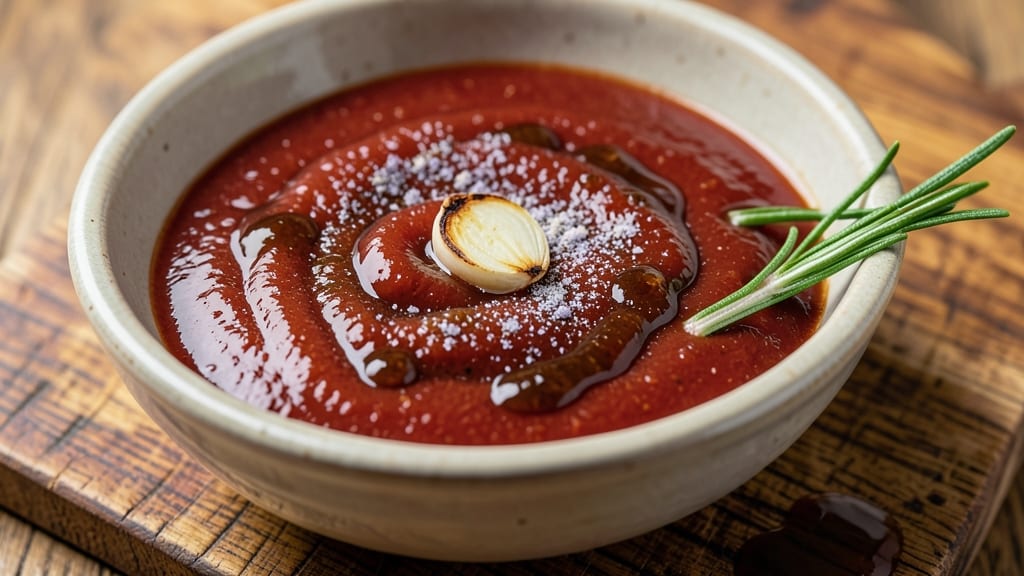
This Australian barbecue sauce delivers the perfect balance of smoky depth and tangy brightness without relying on refined sugar. 🔥 As a pitmaster who grew up surrounded by slow-cooked ribs, I know how crucial a quality sauce is to transform grilled meats into something unforgettable.
The secret lies in caramelizing tomato paste with vinegar and spices before simmering it into a glossy, concentrated sauce that clings beautifully to every bite.
The foundation of this recipe is a simple yet powerful combination: tomato paste, apple cider vinegar, and a touch of molasses for natural sweetness. We'll build layers of flavor by charring the spices in a dry pan first, which unlocks their aromatic potential before blending them into the sauce.
This method ensures every spoonful delivers complex, smoky notes that stand up to everything from grilled steaks to roasted vegetables.
What sets this Australian barbecue sauce apart is its versatility—it works as a marinade, glaze, or dipping sauce, and its balanced sweet-tangy profile makes it equally at home on chicken, pork, or even seafood.
The reduced consistency means it won't dilute when brushed over hot coals, and the vinegar base gives it a shelf life of up to 6 months when properly canned or refrigerated for 3 months.
Once you taste the difference between this homemade version and store-bought alternatives, you'll never go back. The key is patience during the simmering process, allowing the flavors to meld and deepen. Trust me, this sauce will elevate your grilling game to restaurant-quality levels—every time.
Ingredients for australian barbecue sauce
Smoky, tangy, and sweet without sugar—just 12 simple ingredients for restaurant-quality sauce.
| Ingredient | Amount | Notes |
|---|---|---|
| Tomato Paste 🍅 | ½ cup | High-quality, no salt added |
| Apple Cider Vinegar 🍏 | ½ cup | Raw, unfiltered preferred |
| Molasses 🍯 | ¼ cup | Unsulphured, dark variety |
| Garlic Cloves 🧄 | 4 cloves | Fresh, minced fine |
| Onion Powder 🧅 | 1 tbsp | Freshly ground preferred |
| Smoked Paprika 🌶️ | 1 tbsp | Spanish smoked preferred |
| Ground Cumin 🌿 | 1 tsp | Toasted for depth |
| Ground Coriander 🌿 | 1 tsp | Freshly ground if possible |
| Black Peppercorns 🌶️ | ½ tsp | Freshly cracked |
| Sea Salt 🧂 | 1 tsp | Kosher, fine grain |
| Olive Oil 🫒 | ¼ cup | Extra-virgin, fruity |
| Water 💧 | ½ cup | Filtered preferred |
The tomato paste is your flavor anchor—look for brands like Muir Glen or Cento at the grocery store. They're pasteurized and concentrated, meaning you get that deep, rich tomato flavor without watering it down. For the vinegar, Bragg's raw apple cider vinegar is my go-to because it's unfiltered and packed with flavor. Molasses can vary wildly in quality, so grab the unsulphured kind from the baking aisle—it'll have a richer, deeper taste. The spices? Toast them in a dry pan for 30 seconds before adding to the sauce—this unlocks their aromatic oils and makes all the difference.
No smoked paprika? Substitute with 1/2 tsp liquid smoke plus 1/2 tsp regular paprika—it won't be identical, but it'll get you close. Short on molasses? Maple syrup at half the amount works, though it leans sweeter. The garlic and onion powder can be swapped for 1/4 cup finely chopped fresh onion and 2 extra garlic cloves if you're feeling fancy. For the olive oil, avocado oil works too, but stick with extra-virgin for that fruity depth. If you're making a big batch, double the spices and water—this sauce keeps beautifully for months.
This sauce gets better with time—let it sit overnight before using for maximum flavor development. Keeps for 3 months refrigerated in an airtight jar, or up to 6 months if canned properly. I like to freeze it in ice cube trays for easy single-use portions—just pop one in when you're ready to grill. The vinegar base acts as a natural preservative, so you won't need to worry about spoilage. Store it in a cool, dark place away from heat sources to maintain its rich color and smoky aroma.
Why You'll Love This Recipe
- Pantry Magic: I swear by this sauce because it uses what I already have—no special trips to the store. That thick tomato paste and tangy vinegar? They’re the backbone, and molasses gives it that deep, caramelized richness without extra effort.
- Deep Umami Bang: The garlic and onion powder hit different—savory, slightly sweet, with a slow-building heat. Honestly, it’s the kind of flavor that makes you pause mid-bite, like, "Wait, is this actually homemade?" (Yes, it is.)
- Weeknight Hero: This sauce is my go-to for grilled chicken, roasted veggies, or even a quick stir-fry. I’ll be real: it’s saved me more than once when I’m staring at a fridge full of random proteins and need something fast that still tastes intentional.
- Stretch Your Budget: A little goes a long way—this batch lasts me weeks, and I’m not exaggerating. Drizzle it on burgers, toss it with fries, or use it as a marinade. The molasses keeps costs low, but the taste? That’s the real win.
Step-by-step instructions for Australian barbecue sauce
Here's how to make a bold, smoky sauce with deep flavor and no added sugar.
🍳 Step 1: Bloom the Spices in Olive Oil
Heat the 0.25 cup olive oil in a medium saucepan over medium-low heat. Add the 4 minced garlic cloves and let them sizzle gently for 1 minute until fragrant but not browned—this prevents bitterness. Then add the 1 tablespoon onion powder, 1 tablespoon smoked paprika, 1 teaspoon ground cumin, 1 teaspoon ground coriander, and 0.5 teaspoon black peppercorns.
Stir constantly for 30 seconds until the spices release their aroma and the mixture smells rich and earthy. This step builds the sauce's complex flavor foundation. If the spices start to darken too quickly, reduce the heat slightly—you want them toasted, not burned.
🍳 Step 2: Add Wet Ingredients and Simmer
Pour in the 0.5 cup apple cider vinegar and 0.5 cup water, stirring to combine. Bring the mixture to a gentle simmer over medium heat, then reduce heat to low. Add the 0.5 cup tomato paste and stir until fully dissolved, about 2 minutes—this prevents lumps and ensures smooth texture.
Here's where the magic happens: let the sauce simmer uncovered for 10 minutes, stirring occasionally. You'll notice the liquid reduce slightly and the spices meld together. The vinegar will mellow out, and the tomato paste will deepen in color to a rich, glossy red. This simmering step develops the sauce's depth of flavor.
🍳 Step 3: Incorporate Molasses and Salt
Remove the saucepan from heat and stir in the 0.25 cup molasses and 1 teaspoon sea salt. The molasses will darken the sauce and add that classic Australian sweetness without refined sugar. Return the pan to low heat and stir for 2-3 minutes until the molasses is fully incorporated and the sauce thickens slightly.
Real talk: the molasses is what gives this sauce its signature richness. If you're using unsulphured molasses, you'll get a deeper, more complex flavor than with regular molasses. Taste the sauce now—it should be tangy, sweet, and smoky with a hint of spice. If it needs more balance, you can add a splash of water or vinegar to adjust the consistency.
⏰ Step 4: Simmer to Perfect Consistency
Return the sauce to a gentle simmer and let it reduce for 15-20 minutes, stirring occasionally. You're aiming for a thick, glossy sauce that coats the back of a spoon but still flows freely. The sauce should reduce by about one-third—this concentration intensifies the flavors dramatically.
Watch carefully in the last 5 minutes of simmering. The sauce should thicken to a consistency similar to ketchup but with more body. If it thickens too quickly, add 1 tablespoon water at a time until you reach the right texture. The sauce is ready when it coats the back of a spoon smoothly but doesn't drip excessively.
🥘 Step 5: Cool and Store Properly
Remove the sauce from heat and let it cool completely at room temperature. This cooling process allows the flavors to meld further. Once cooled, transfer the sauce to a clean glass jar or airtight container. The sauce will thicken even more as it cools—this is normal and actually improves the texture.
Store the sauce in the refrigerator for up to 2 weeks or freeze it for up to 3 months. The flavors continue to develop over time, so it actually tastes better after a few days in the fridge. When ready to use, simply reheat gently on the stove or microwave until warmed through. This sauce is perfect for grilling, marinating, or drizzling over roasted meats.
Pro Tips For Making Australian Barbecue Sauce
- Simmer Low and Slow: I used to rush this sauce and end up with a thin, vinegary mess. Australian BBQ sauce needs at least 20 minutes of gentle simmering—no boiling—to let the molasses and tomato paste meld properly. Cover the pot for the first 10 minutes to help the vinegar mellow out before uncovering.
- Toast the Garlic: Skip mincing raw garlic—it’ll turn bitter. Heat a dry pan over medium-low and lightly toast 3–4 whole cloves (peeled after) until fragrant but not browned. Crush them right into the sauce; this adds depth without overpowering.
- Balance the Sweetness: Molasses is the star, but too much makes the sauce cloying. Start with 1–2 tablespoons, taste, then adjust. If it’s too sweet, add a splash more vinegar (1 tsp at a time) to cut through—this is where the sauce’s tangy-sweet magic happens.
- Strain the Paste: Tomato paste lumps are the enemy of silky texture. After mixing it in, press the sauce through a fine-mesh sieve or whisk vigorously with a splash of water to break up clumps. This ensures a smooth, restaurant-quality consistency.
Serving suggestions for this dish
Grilled Meats
This sauce is a game-changer for grilled chicken, pork chops, and steaks. I love brushing it on bone-in chicken thighs during the last 5 minutes of grilling—it caramelizes beautifully into a sticky glaze.
For pork, use it as a marinade for 4-6 hours before grilling, then finish with another brush while cooking. The vinegar base helps tenderize the meat while adding that signature tang. 🔥
For steak lovers, try this trick: mix 2 tablespoons of the sauce with 1 tablespoon olive oil and brush it on ribeye or sirloin steaks during the last 2 minutes of searing.
The high heat will create a delicious crust while keeping the interior juicy. I often serve it with a side of grilled asparagus and a simple arugula salad to balance the richness.
Seafood Applications
Don't limit this sauce to just meats—it works beautifully with seafood too. I love drizzling it over grilled salmon fillets or shrimp skewers during the final minute of cooking. The vinegar and spices complement the natural sweetness of seafood perfectly.
For a restaurant-worthy dish, toss grilled scallops with 1 tablespoon of the sauce and serve with a squeeze of lemon. 🍤
Try it on grilled mahi-mahi or blackened catfish for a Southern-inspired twist. The sauce adds a smoky depth that pairs wonderfully with the buttery texture of fish. Just be careful not to overcook the seafood—it should stay tender and flaky.
I recommend using it as a finishing sauce rather than a marinade for delicate fish.
Vegetable Sides
This sauce isn't just for meats—it elevates roasted and grilled vegetables too. Toss grilled portobello mushrooms with 1 tablespoon of sauce and a sprinkle of feta cheese for a vegetarian main dish. The umami from the mushrooms pairs perfectly with the smoky-sweet sauce. 🍄
For a side dish, brush it on grilled zucchini or eggplant slices before the final minute of cooking. The caramelization brings out their natural sweetness while adding a tangy kick. I also love drizzling it over roasted Brussels sprouts with crispy bacon—it takes this classic side to the next level.
The sauce's versatility makes it a pantry staple for any grilling occasion.
Dipping Sauce
Serve this sauce as a dipping sauce for fried chicken, mozzarella sticks, or even crispy Brussels sprouts. The balance of sweet, tangy, and smoky flavors makes it irresistible.
I keep a small bowl of it on the table during cookouts so guests can add it to their plates as they like. 🍗
For a fun twist, mix 1 tablespoon of the sauce with 2 tablespoons of mayonnaise and a pinch of hot sauce to create a quick barbecue ranch dip. This works perfectly with chicken tenders, onion rings, or veggie sticks.
The creamy texture balances the tangy sauce beautifully, making it a crowd-pleaser at parties and game days.
Breakfast Uses
Who says barbecue sauce is just for dinner? Use it to glaze grilled ham or turkey bacon for a smoky breakfast twist. I also love drizzling it over scrambled eggs with a sprinkle of cheddar cheese—it adds a surprising depth of flavor to your morning meal. 🍳
For a weekend brunch, try it on grilled peaches or pineapple slices with a sprinkle of crumbled bacon. The sweetness of the fruit pairs perfectly with the tangy sauce, creating a sweet-and-savory combination that's perfect for summer mornings.
It's a fun way to use this versatile sauce beyond the grill.
Nutrition facts
Frequently asked questions
What makes this Australian barbecue sauce different from American-style sauce?
This recipe focuses on a tangy, vinegar-forward profile with deep smoky notes, rather than the sweet, molasses-heavy American style. The key differences are the use of apple cider vinegar (not balsamic) and a more balanced sweetness from molasses rather than brown sugar. The spices are also lighter—think cumin and coriander instead of heavy paprika blends.
Can I make this sauce without molasses?
Yes! If you're avoiding molasses, substitute with 2 tablespoons of maple syrup or 1 tablespoon of honey—just reduce the vinegar by 1 tablespoon to balance the sweetness. For a deeper flavor, try 1 tablespoon of date syrup instead. The sauce will still develop that signature Australian tang, though the color may be slightly lighter.
How do I adjust the thickness of the sauce?
If your sauce is too thin, simmer it uncovered for 5-10 more minutes to reduce further. For a thicker consistency, add 1 tablespoon of tomato paste and simmer for 2 minutes. If it's too thick, thin it with 1 tablespoon of water or vinegar at a time. Pro tip: The sauce will thicken even more as it cools, so stop when it's slightly thinner than your target consistency.
Is this sauce safe to can at home?
Yes, but only if you follow proper canning techniques. This vinegar-based sauce is naturally acidic enough for water bath canning (pH < 4.6). Use sterilized jars and lids, process pints for 15 minutes and quarts for 20 minutes in boiling water. Store sealed jars in a cool, dark place. Always check for proper seal before storing long-term.
Can I use this sauce as a marinade?
This sauce makes an excellent marinade for pork, chicken, or beef. For best results, marinate for 4-6 hours (not overnight) to prevent the vinegar from over-tenderizing delicate meats. For seafood, use it as a finishing sauce only—never marinate for more than 30 minutes to avoid breaking down the proteins.