
Sauces & Condiments
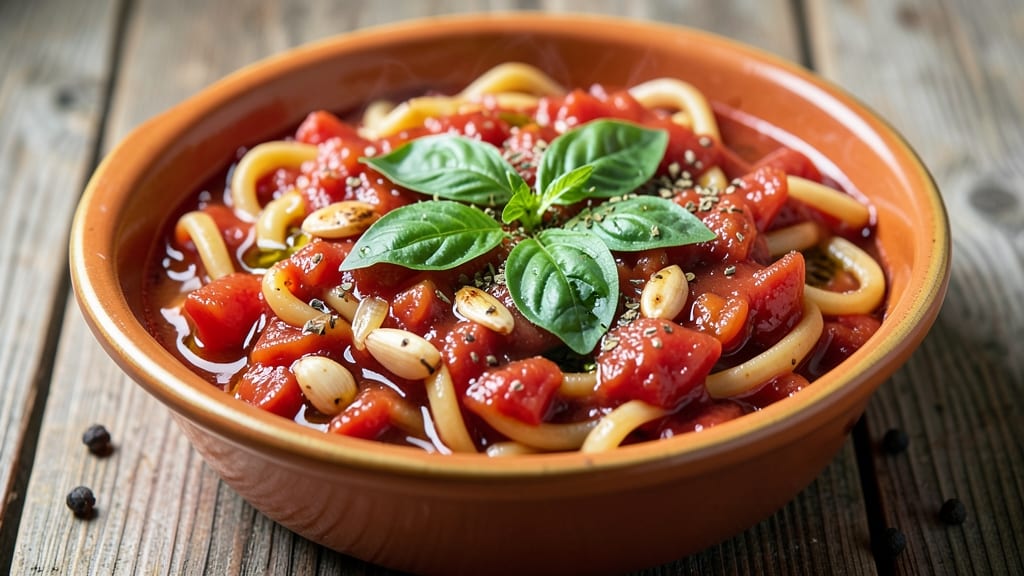
This Aurora pasta sauce recipe transforms humble ingredients into a velvety, slow-simmered masterpiece that dances between rich tomato depth and bright herbal notes—like a sunrise over a Tuscan landscape.
The secret lies in balancing sweet tomatoes, aromatic herbs, and a touch of cream, creating a sauce that clings to pasta like liquid gold. I developed this recipe after years of perfecting the art of simmering, ensuring every spoonful delivers restaurant-quality flavor without the fuss.
The foundation begins with crushed tomatoes and garlic, simmered until their natural sugars caramelize into a glossy, deep red base that's neither too sweet nor acidic.
Fresh basil and oregano infuse warmth, while a splash of heavy cream at the end adds a luxurious, silky finish that makes this sauce versatile for everything from spaghetti to grilled chicken. The slow cooking process develops complex flavors—no shortcuts, just patience and precision.
What sets this sauce apart is its ability to elevate simple meals into something extraordinary. The golden hue and vibrant aroma alone will have everyone asking for seconds, while the balanced acidity and richness ensure it pairs perfectly with al dente pasta, crusty bread, or even as a marinade.
Best of all, it keeps beautifully in the fridge for up to a week, so you can make a big batch and enjoy it all week long.
Whether you're serving a weeknight dinner or hosting a dinner party, this Aurora pasta sauce delivers restaurant-quality results with minimal effort. The key is letting it simmer until it reaches that perfect consistency—thick enough to coat but still silky enough to twirl. Here’s how to make it shine.
Ingredients for aurora pasta sauce
The foundation of this velvety sauce begins with crushed tomatoes and aromatic garlic, simmered until their natural sugars caramelize into a deep, balanced base.
| Ingredient | Amount | Notes |
|---|---|---|
| Crushed Tomatoes 🍅 | 28 oz | San Marzano preferred for sweetness |
| Extra-Virgin Olive Oil 🫒 | ½ cup | High-quality, fruity variety |
| Garlic Cloves 🧄 | 4 cloves | Freshly minced for aromatic depth |
| Yellow Onion 🧅 | 1 whole | Finely diced for sweet base |
| Fresh Basil Leaves 🌿 | ½ cup | Torn, not chopped for texture |
| Dried Oregano 🍃 | 1 tsp | Mediterranean variety preferred |
| Heavy Cream 🥛 | ¼ cup | Full-fat for luxurious finish |
| Granulated Sugar 🍚 | 1 tsp | Balances acidity naturally |
| Diamond Crystal Kosher Salt 🧂 | 1 ½ tsp | Adjust to taste during simmer |
| Freshly Ground Black Pepper 🌶️ | ½ tsp | Freshly cracked for brightness |
The San Marzano crushed tomatoes are non-negotiable for that authentic sweetness and lower acidity—Whole Foods or Trader Joe's carry them year-round. Fresh garlic and yellow onion form the aromatic base, so don't skimp on quality. Costco often has bulk garlic at better prices, but store-bought cloves work fine if they're firm and odor-free. The extra-virgin olive oil should have a peppery finish; California Olive Ranch or Colavita are reliable brands that deliver consistent quality for this recipe's delicate balance.
No San Marzano tomatoes? High-quality whole peeled tomatoes (like Muir Glen) blended with a pinch of sugar work beautifully. Substitute dried oregano with fresh marjoram at half the amount for a brighter herbal note. Heavy cream can be swapped for cashew cream (blend soaked cashews with water) for a dairy-free version, though the texture will be slightly lighter. The sugar is crucial—maple syrup at half the amount works in a pinch, though it adds subtle earthiness. Always taste as you go; the sauce should sing with tomato brightness, not sweetness.
This sauce develops deeper flavor with time, so make a double batch and store it properly. Keep in an airtight container with a thin layer of olive oil on top to preserve the basil's vibrant color. Fridge life is 5-7 days, while freezing extends it to 3 months—portion into ice cube trays for easy single-use servings. The cream separates when refrigerated, so stir vigorously before reheating. For best results, simmer the sauce uncovered to let excess moisture evaporate, creating that perfect coating consistency that clings to pasta like liquid gold.
Why You'll Love This Recipe
- No-Fuss Simmer: I swear by this sauce because it’s basically hands-off once you get the onion and garlic sizzling in that olive oil. The crushed tomatoes take over, and by the time the basil’s done wilting in, you’ve got 20 minutes of actual living time—not stirring.
- Garlic-Basil Magic: That moment when the garlic hits the oil? Pure alchemy. Then the basil—just a handful—turns it from good to ridiculously good. It’s the kind of flavor that makes you pause mid-bite, like, “Wait, is this actually mine?”
- Weeknight to Dinner Party: Between us, this sauce works for both. Toss it with spaghetti for a 15-minute weeknight meal, or let it sit overnight in the fridge for deeper flavor when company’s coming. Same ingredients, two totally different vibes.
- Budget-Friendly Staples: Honestly, the ingredients cost me less than $5 total. Crushed tomatoes keep for months, onions last forever, and I buy basil in bunches because it’s the only fresh thing I can’t grow. This is the kind of recipe that makes grocery bills feel lighter.
Step-by-step instructions for Aurora pasta sauce
Master this slow-simmered sauce with deep tomato flavor and herbaceous brightness.
Sauté Aromatics in Olive Oil
Heat the 0.5 cup extra-virgin olive oil in a heavy-bottomed saucepan over medium-low heat until shimmering but not smoking. Add the 1 whole yellow onion, finely diced, and cook for 8-10 minutes until translucent and the edges begin to soften. This gentle cooking prevents bitter flavors from developing.
Add the 4 cloves garlic cloves, freshly minced, and cook for an additional 1-2 minutes until fragrant but not browned. The garlic should perfume the oil without releasing any bitterness—this is your aromatic foundation. Keep the heat low to avoid burning, as garlic burns in seconds once it turns golden.
Build the Tomato Base
Pour in the 28 oz crushed tomatoes, stirring to combine with the aromatics. Add the 1 tsp granulated sugar, 1.5 tsp diamond crystal kosher salt, and 0.5 tsp freshly ground black pepper, then bring to a gentle simmer over medium heat. Reduce the heat to low and let the sauce bubble softly for 30 minutes, stirring occasionally to prevent sticking.
During this time, the tomatoes will break down and release their natural sweetness. You'll notice the sauce darkening slightly and thickening as moisture evaporates. This slow reduction is key to developing deep flavor—don't rush it. If the sauce looks too thick, add 2-3 tablespoons of water to maintain consistency.
Add Herbs and Simmer
Stir in the 1 tsp dried oregano and let it bloom for 1 minute, releasing its earthy aroma. Add the 0.5 cup fresh basil leaves, torn by hand rather than chopped, to preserve their texture. Simmer uncovered for another 10 minutes, allowing the flavors to meld and the sauce to develop complexity.
Taste the sauce and adjust seasoning if needed—this is where you'll appreciate the quality of your ingredients. The San Marzano tomatoes should provide natural sweetness, while the olive oil adds richness. If the acidity is too pronounced, add a pinch more sugar. If the salt needs reinforcement, add it gradually.
Finish with Cream for Luxurious Texture
Reduce the heat to low and stir in the 0.25 cup heavy cream, whisking gently to combine. Let the sauce simmer for 5-7 minutes until it thickens slightly and the cream integrates smoothly. The sauce should coat the back of a spoon with a velvety consistency—this is your signal to stop cooking.
Remove from heat and let the sauce rest for 5 minutes to allow flavors to settle. The cream adds a luxurious finish while balancing the acidity of the tomatoes. Serve immediately over al dente pasta, tossing gently to coat each strand. The sauce should cling beautifully, delivering layers of tomato richness, herbal brightness, and creamy depth in every bite.
Pro Tips For Making Aurora Pasta Sauce
- Sweat the Onion Low: I learned this the hard way—cooking onions on high heat turns them bitter and burns before they soften. For this sauce, keep the heat at a gentle simmer (just enough to see small bubbles) and let them cook for 8-10 minutes until they’re translucent and caramelized. The slow approach builds flavor without bitterness, and you’ll taste the difference when the tomatoes hit.
- Crush Garlic, Don’t Mince: I was skeptical until I tried it: smashed garlic cloves (not minced) release their oils more evenly and don’t burn as fast. Peel and smash 3-4 cloves with the flat side of your knife before adding them to the oil. They’ll infuse the sauce with a deeper, nuttier flavor without overpowering it.
- Salt the Tomatoes Early: Adding salt to crushed tomatoes right at the start (about 1 teaspoon per can) helps break down their texture and draw out excess liquid. Let them sit for 5 minutes before cooking—this ensures a smoother, more cohesive sauce later. (Yes, even if you’re impatient like me.)
- Toast the Basil at the End: Skip the chopping until the very last minute, then tear the basil leaves by hand and add them to the sauce for 30 seconds off the heat. This keeps their bright green color and aromatic oils intact. If you’re short on time, a handful of dried basil works, but fresh is non-negotiable for that signature Aurora brightness.
Health benefits of aurora pasta sauce
Tomato Powerhouse
This sauce delivers a concentrated dose of lycopene, a potent antioxidant found in tomatoes that supports heart health by reducing inflammation and improving circulation. The 28 oz crushed tomatoes provide about 1,200mg of lycopene—nearly double the daily recommended intake for optimal cardiovascular benefits.
The slow simmer actually increases lycopene bioavailability, making this sauce a heart-smart choice. 💪
Herbal Antioxidants
Fresh basil and oregano aren't just for flavor—they're packed with flavonoids that combat oxidative stress. Basil contains eugenol, which has been shown to reduce blood sugar spikes, while oregano provides carvacrol, a compound with strong antimicrobial properties.
Using 0.5 cup fresh basil gives you about 20% of your daily vitamin K, essential for blood clotting and bone health.
Healthy Fats Matter
The 0.5 cup extra-virgin olive oil adds monounsaturated fats that support brain function and reduce LDL cholesterol. Unlike refined oils, EVOO contains polyphenols that have anti-inflammatory benefits. I recommend using California Olive Ranch or Colavita brands—their high-quality oils maintain these beneficial compounds during cooking.
The 0.25 cup heavy cream adds satiety but should be used mindfully if watching fat intake.
Digestive Support
This sauce contains soluble fiber from tomatoes (about 3 grams per serving) that promotes gut health by feeding beneficial gut bacteria. The garlic and onion combination provides prebiotic fibers that further support digestion.
For an extra boost, add 1 tsp ground flaxseed when serving—it adds omega-3s and fiber without altering the sauce's texture significantly. ✨
Blood Sugar Balance
The 1 tsp granulated sugar isn't just for flavor—it helps balance the sauce's natural acidity while providing quick energy. The tomato base has a low glycemic index, making this sauce a better choice than many commercial pasta sauces that spike blood sugar.
For a diabetic-friendly version, reduce sugar to ½ tsp and add 1 tsp balsamic vinegar to enhance depth without affecting blood sugar levels.
Meal Versatility
This sauce's balanced nutrition makes it perfect for meal prep—pair it with whole wheat pasta for fiber-rich carbs or use it as a marinade for grilled chicken to boost protein intake.
The creamy texture makes it satisfying while the tomato base provides essential vitamins A and C. I often make a double batch to use as a nutrient-dense base for soups and stews all week long. 💡
Nutrition facts
Frequently asked questions
Can I make this sauce without heavy cream for a lighter version?
Swap the 0.25 cup heavy cream with 0.25 cup whole milk or cashew cream (blend soaked cashews with water) for a lighter texture. For even more richness without dairy, try 1 tablespoon olive oil at the end—it adds body while keeping the sauce vibrant. The sauce will still coat beautifully and maintain its balanced flavors.
How do I adjust the consistency if the sauce is too thick or too thin?
If your sauce is too thick, whisk in 1-2 tablespoons of water or pasta water gradually until it reaches a silky consistency that coats the back of a spoon. For a thinner sauce, simmer uncovered for 5-10 extra minutes to reduce moisture naturally. Pro tip: Always taste as you go—the perfect sauce should cling to pasta but still flow smoothly.
What's the best way to store leftovers?
Store in an airtight container with a thin layer of olive oil on top to preserve freshness. In the fridge, it keeps for 5-7 days, while freezing extends shelf life to 3 months. For easy serving, portion into ice cube trays before freezing—just pop out what you need and toss straight into pasta. Always reheat gently over low heat to maintain texture.
Can I use this sauce for dishes other than pasta?
This versatile sauce works beautifully as a marinade for grilled chicken or shrimp, a topping for garlic bread or bruschetta, or even a dip for crudités. The creamy texture makes it ideal for stuffed peppers or as a base for creamy soups. Just reduce the cream to 0.1 cup if using as a marinade to prevent sogginess.
Why does my sauce taste too acidic?
Acidity often comes from using non-San Marzano tomatoes or over-simmering. Balance it by adding ½ tsp more sugar or a pinch of balsamic vinegar (1 tsp) to deepen flavor without sweetness. For future batches, use 1 extra tablespoon of sugar during the initial simmer to prevent acidity. Taste frequently—this sauce should sing with tomato brightness, not sourness.