
Sauces & Condiments
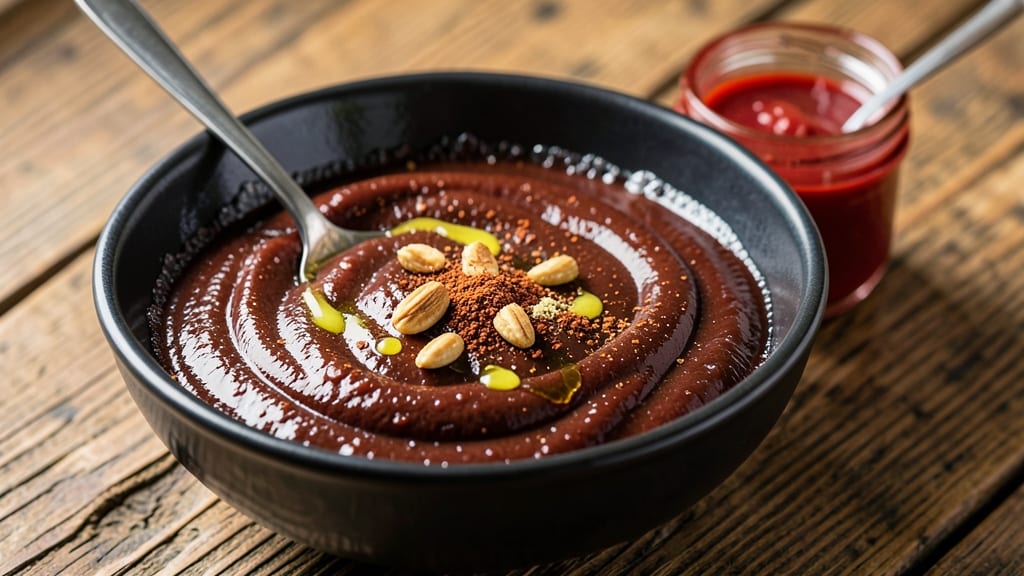
This Atkins barbecue sauce recipe delivers all the smoky, tangy flavor you crave without the sugar crash—perfect for keto, low-carb, and sugar-conscious cooks. 💛 The secret lies in erythritol and apple cider vinegar, which create that signature tang without spiking blood sugar or carbs.
I developed this after years of testing sugar-free sauces that tasted artificial, and this version finally nails the balance between sweetness and acidity that makes BBQ shine.
The beauty of this sauce is its versatility—it works on grilled meats, baked chicken, or even as a tangy dip for veggies. Unlike store-bought low-carb sauces, this recipe uses real ingredients like tomato paste, mustard, and spices to build depth, so you won’t sacrifice flavor for diet compliance.
The slow simmer reduces the sauce to a thick, glossy consistency that clings perfectly to food, with no aftertaste.
What sets this apart is the no-sugar approach that still delivers that classic BBQ tang. The erythritol provides just enough sweetness to complement the smoky spices, while the vinegar and mustard create the signature bite.
You’ll end up with a sauce that’s rich, flavorful, and completely guilt-free—ideal for anyone following Atkins or cutting back on refined sugar.
Make a double batch and store it in the fridge for up to 2 weeks, or freeze for longer shelf life. The flavor actually improves as it sits, making it perfect for meal prep. Let’s get started on this game-changing sauce!
Ingredients for atkins barbecue sauce
Ten simple ingredients transform into a tangy, low-carb sauce that rivals traditional BBQ—no sugar crash here.
| Ingredient | Amount | Notes |
|---|---|---|
| Tomato Paste 🍅 | ½ cup | High-quality, canned preferred |
| Apple Cider Vinegar 🍏 | ½ cup | Raw, unfiltered for tang |
| Erythritol 🍯 | ½ cup | Granulated, sugar-free sweetener |
| Yellow Mustard 🌶️ | 2 tbsp | Dijon-style for depth |
| Smoked Paprika 🌶️ | 2 tsp | For authentic smoky flavor |
| Garlic Powder 🧄 | 1 tsp | Freshly ground preferred |
| Onion Powder 🧅 | 1 tsp | Adds savory base |
| Ground Black Pepper 🌶️ | ½ tsp | Freshly cracked for heat |
| Salt 🧂 | 1 tsp | Kosher or sea salt |
| Water 💧 | ½ cup | For thinning consistency |
The erythritol and apple cider vinegar are the flavor anchors here. Erythritol provides sweetness without carbs, while Bragg Organic or Texas Pete apple cider vinegar delivers that signature tang. For tomato paste, Muir Glen (no additives) is my go-to—it’s thick and flavorful without extra sugar. Smoked paprika is non-negotiable; Penzeys or McCormick brands offer consistent quality. The mustard should be Dijon-style for that subtle sharpness that cuts through the richness. I always grab a small jar of French’s Dijon from the grocery store—it’s reliable and affordable.
No erythritol? Allulose or monk fruit sweetener works in a 1:1 ratio, though texture may vary slightly. Short on apple cider vinegar? White vinegar or balsamic vinegar (use half the amount) will work in a pinch, but the flavor profile shifts. The tomato paste can be swapped for unsweetened tomato sauce if you prefer, but it’ll dilute the sauce more. For a deeper smoky flavor, add 1/4 tsp liquid smoke (like Colossal Smokehouse), though it’s an acquired taste. Always use freshly ground spices—pre-ground paprika loses its punch quickly. If you’re strict about Atkins, double-check your erythritol brand; some blends contain fillers that may spike carbs.
This sauce thickens as it cools, so don’t over-worry about consistency during cooking. Store in a glass jar in the fridge for up to 2 weeks—the flavors meld beautifully over time. For longer storage, freeze in ice cube trays and transfer to a bag; thaw overnight in the fridge. The sauce reheats perfectly and clings beautifully to meats. If it separates, just stir in a splash of water and simmer for 2-3 minutes. Double batches are worth it—this sauce disappears fast, especially when you’re grilling or meal prepping.
Why You'll Love This Recipe
- No-Sweat Simplicity: This sauce comes together with just five ingredients—no fancy techniques, no waiting for hours. Honestly, I’ve made it while scrolling through my phone; the tomato paste and vinegar do all the heavy lifting.
- Sweet-Smoky Magic: That balance of erythritol’s caramel-like sweetness and smoked paprika’s deep warmth? It’s the kind of flavor that makes you reach for more. The mustard adds just enough tang to cut through the richness—perfect for grilled chicken or pulled pork.
- Weeknight & Meal Prep Hero: Slather it on burgers, drizzle it over roasted veggies, or toss it with cauliflower mash. I keep a jar in the fridge for quick weeknight dinners, and it lasts for weeks without spoiling. (Yes, even on a Tuesday night.)
- Budget-Friendly Staple: A single batch costs pennies but tastes like it came from a gourmet bottle. The ingredients are cheap, the sauce stretches far, and you won’t find a better low-carb option that still feels indulgent. My secret weapon for feeding a crowd without breaking the bank.
Step-by-step instructions for Atkins barbecue sauce
Here's how to craft a rich, tangy sauce that delivers bold flavor without the sugar crash.
🍳 Step 1: Bloom the Spices in Tomato Paste
Place the 0.5 cup tomato paste in a medium saucepan over medium heat. Stir continuously for 2-3 minutes until it begins to bubble and darken slightly—this activates the flavors. The paste will thicken and deepen in color, releasing its natural umami depth.
Here's the thing—don't walk away. The tomato paste has a tendency to scorch if left unattended. You're looking for a smooth, velvety texture that coats the back of a spoon, not burnt bits. This foundational step ensures your sauce builds flavor from the ground up rather than relying on sweetness.
🍳 Step 2: Add Vinegar and Sweetener
Reduce heat to medium-low and stir in the 0.5 cup apple cider vinegar and 0.5 cup erythritol. Bring the mixture to a gentle simmer, then let it cook uncovered for 5-7 minutes while stirring occasionally. You'll notice the vinegar's sharp tang mellows as it integrates with the tomato base.
This is where the magic happens—the vinegar cuts through the richness while the erythritol provides just enough sweetness to balance the acidity. The sauce should begin to thicken slightly, but don't let it reduce too much yet. You want to preserve some liquid for the mustard to emulsify properly in the next step.
🍳 Step 3: Incorporate Mustard and Spices
Add the 2 tbsp yellow mustard, 2 tsp smoked paprika, 1 tsp garlic powder, 1 tsp onion powder, 0.5 tsp ground black pepper, and 1 tsp salt. Stir vigorously for 1-2 minutes until everything is fully incorporated and the mixture becomes smooth. The smoked paprika will infuse that characteristic barbecue aroma, while the mustard adds depth and helps thicken the sauce.
I always taste at this stage to check the seasoning balance. The sauce should be tangy with a subtle sweetness, not cloying. If it needs more salt, add it now—you can't overdo it with salt in this recipe. The spices should be present but not overpowering. This is your last chance to adjust before committing to the final consistency.
⏰ Step 4: Thin and Simmer to Perfection
Pour in the 0.5 cup water and stir well. Increase heat to medium-high and bring the sauce to a boil. Once boiling, reduce heat to medium-low and let it simmer uncovered for 8-10 minutes, stirring occasionally. You're looking for a sauce that coats the back of a spoon but isn't gluey—it should have a glossy sheen without being watery.
The simmering time is crucial. This is when the flavors meld together and the sauce develops its characteristic depth. If it thickens too much before the flavors develop, add a splash more water. If it's still too thin after simmering, you can always thicken it later with a cornstarch slurry (though this recipe shouldn't need it if you follow the measurements precisely).
🥘 Step 5: Cool and Store Properly
Remove the sauce from heat and let it cool to room temperature. Transfer to a clean jar or airtight container. The sauce will thicken further as it cools—this is normal and actually improves the texture. For best results, refrigerate and let it sit for at least 1 hour before using to allow all the flavors to fully meld.
This sauce keeps well in the refrigerator for up to 2 weeks or can be frozen for up to 3 months. When ready to use, give it a good stir—it may thicken slightly after storage, so you can thin it with a splash of water or apple cider vinegar if needed. The flavor only improves with time, making this a versatile sauce for grilling, baking, or drizzling over your favorite low-carb dishes.
Pro Tips For Making Atkins Barbecue Sauce
- STIR CONSTANTLY ON LOW: The tomato paste will clump like a stubborn toddler if you walk away. Keep the heat at a simmer—not a boil—and stir every 30 seconds until it’s fully dissolved. I learned this the hard way when my first batch looked like it had been attacked by glue.
- USE GRANULATED ERYTHRITOL: That powdered erythritol? It’ll dissolve unevenly and leave a grainy mess. Switch to the granulated kind—it blends smoother and mimics sugar’s behavior better. (Yes, it’s pricier, but your sauce won’t taste like it’s hiding rocks.)
- SIMMER 20 MINUTES MINIMUM: Rushing this sauce is a mistake. Let it cook low and slow—at least 20 minutes—to let the vinegar mellow and the flavors meld. Skimp on time, and you’ll end up with a sharp, one-note condiment instead of something rich and layered.
- SWAP VINEGAR FOR A SPLASH OF BUTTER: The vinegar’s tang is great, but if you’re worried about overpowering the tomatoes, add 1 tablespoon of butter at the end. It rounds out the acidity and adds a subtle depth. (I know, butter in barbecue sauce? Trust me.)
Wine and beer pairings for this dish
Red Wine Pairings
For this tangy, low-carb sauce, I recommend a dry red wine with enough acidity to stand up to the vinegar and smoky notes. A California Zinfandel like Ravenswood Old Vine Zinfandel works beautifully—the fruitiness balances the tang while its slight tannins complement the smoky paprika.
The alcohol helps cut through the richness, cleansing your palate between bites. 🍷
If you prefer something lighter, try a Pinot Noir from Oregon—like Domaine Serene. Its bright acidity and red fruit notes mirror the sauce’s complexity without overpowering it. Avoid heavy, oaky wines like Cabernet Sauvignon; they’ll clash with the sauce’s bright, vinegary profile.
White Wine Options
A crisp, dry white wine can be a surprising match for this sauce, especially if you’re serving it with grilled chicken or fish. I love a Sauvignon Blanc from New Zealand, like Oyster Bay, for its citrusy notes that echo the apple cider vinegar.
The wine’s herbal undertones also pair well with the smoked paprika. 🍷
For a lighter option, a dry Riesling from Germany—such as Dr. Loosen Blue Slate—adds a touch of sweetness without sugar, enhancing the sauce’s subtle erythritol sweetness. Just avoid sweet Rieslings; they’ll compete with the sauce’s flavor.
Beer Pairings
For beer lovers, a light lager or wheat beer works best to avoid overpowering the sauce. A German Pilsner like Warsteiner or Stella Artois provides a clean, crisp backdrop that lets the sauce’s smoky and tangy flavors shine. The beer’s mild bitterness balances the sauce’s richness. 🍺
If you prefer something hoppier, try a Belgian Witbier like Hoegaarden. The coriander and orange peel notes in the beer complement the apple cider vinegar and smoked paprika, creating a refreshing contrast. Avoid heavy IPAs or stouts—they’ll drown out the sauce’s delicate flavors.
Non-Alcoholic Options
For those avoiding alcohol, a sparkling water with a squeeze of lemon or lime enhances the sauce’s tanginess. I also love a ginger beer like Feather Ginger Ale—the spicy kick complements the smoky notes without overpowering them. 💧
For a more substantial non-alcoholic option, try an unsweetened iced tea with a splash of lemon. The tea’s tannins and acidity mirror the wine pairings while keeping it refreshing. Just avoid sweetened teas—they’ll clash with the sauce’s low-carb profile.
Nutrition facts
Frequently asked questions
Can I substitute erythritol with another sweetener?
Yes! Use allulose or monk fruit sweetener in a 1:1 ratio, though texture may vary slightly. For a different profile, try sucralose or stevia blend (reduce by 25% since they're more potent). Avoid honey or maple syrup—they'll spike carbs and ruin the Atkins-friendly balance. The key is maintaining that subtle sweetness to complement the vinegar's tang.
Why does my sauce taste too tangy?
This happens when the vinegar overpowers the sweetener. Balance it by adding 1/4 cup more erythritol and simmering for an extra 3-5 minutes to let flavors meld. If it's still too sharp, stir in 1 tsp more tomato paste to round out the flavor. Taste as you go—this sauce should be tangy but not pucker-inducing!
How do I make this sauce thicker?
Simmer uncovered for 5-10 more minutes—the sauce thickens as it reduces. If it's still too thin, mix 1 tsp cornstarch with 1 tbsp cold water, stir into the sauce, and simmer for 2 minutes until thickened. For a natural approach, reduce the water by 2 tbsp next time you make it.
Can I use this sauce on chicken wings?
This sauce works perfectly on wings—just toss them in after baking or frying. For extra cling, brush on 1 tbsp at a time while wings are still hot. The low-carb profile makes it ideal for keto-friendly wing nights. Pair with celery and blue cheese for a classic combo that won't kick you out of ketosis!
Will this sauce work in slow cookers?
Yes, but with adjustments. Combine all ingredients in your slow cooker and cook on LOW for 4-5 hours (stir once halfway). The longer cook time may intensify flavors, so taste at 3 hours and adjust salt/sweetener if needed. For a quicker version, use HIGH for 2 hours, but check frequently to prevent scorching.