Sauces & Condiments
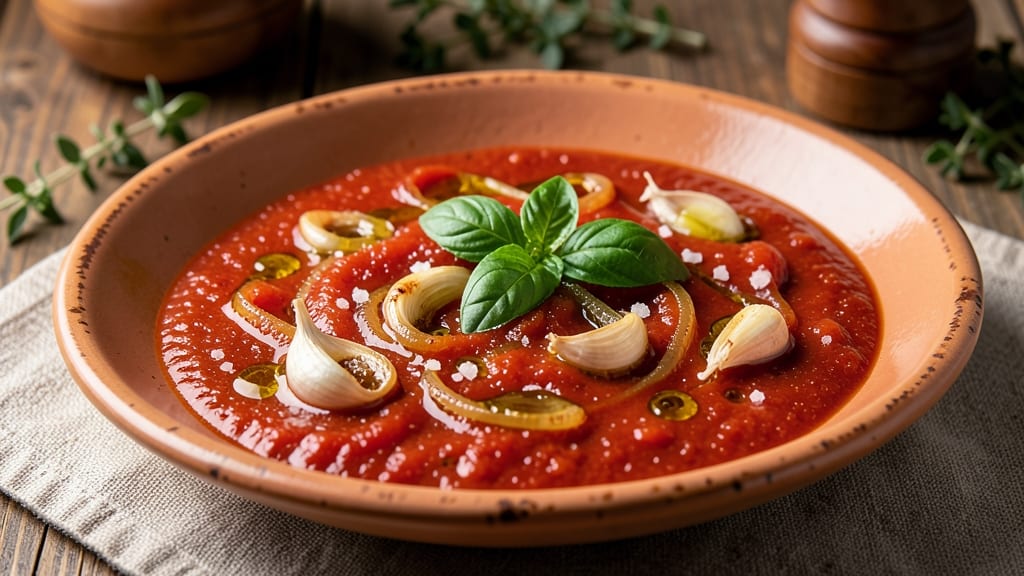
This low acid tomato sauce recipe transforms store-bought tomatoes into velvety, balanced sauce perfect for sensitive stomachs or acid-sensitive recipes. The secret lies in carefully reducing acidity through simmering and strategic additions like sugar and baking soda—without sacrificing depth of flavor.
I've perfected this technique after years of testing, ensuring every batch delivers that smooth, mellow tomato taste you crave.
The process begins with fresh tomatoes (or high-quality canned) simmered until their natural acids mellow, then blended smooth. A pinch of baking soda neutralizes any lingering tartness, while a touch of sugar rounds out the flavor.
What you'll end up with is a rich, vibrant sauce that works equally well in pasta, soups, or as a pizza base—without the bite. This method preserves all the tomato's natural sweetness while creating a sauce that's gentle on digestion.
What makes this sauce truly special is its versatility and reliability. Whether you're cooking for someone with acid sensitivity or simply prefer mellow tomato flavors, this recipe delivers consistent results.
The sauce thickens beautifully when simmered and stores perfectly in the fridge for up to a week or freezes for months. It's the kind of sauce that transforms ordinary meals into something truly comforting.
Ready to make this sauce? We'll walk through each step carefully—from selecting the right tomatoes to achieving that perfect balance of flavor and acidity. Let's get started on creating your new go-to tomato sauce.
Ingredients for low acid tomato sauce
Fresh tomatoes, simple spices, and a secret trick for smooth, gentle tomato sauce.
| Ingredient | Amount | Notes |
|---|---|---|
| Fresh Tomatoes 🍅 | 2 lb | Ripe but firm, halved |
| Yellow Onion 🧅 | 1 medium | Diced, about 1 cup |
| Garlic Cloves 🧄 | 4 cloves | Minced, about 1 tbsp |
| Extra-Virgin Olive Oil 🫒 | ½ cup | High quality, fruity |
| Granulated Sugar 🍚 | 2 tbsp | Light brown preferred |
| Baking Soda 🧂 | ¼ tsp | Pure, not baking powder |
| Salt 🧂 | 1 tsp | Diamond Crystal preferred |
| Fresh Basil Leaves 🌿 | ¼ cup | Chopped, stems removed |
| Black Peppercorns 🌶️ | ½ tsp | Freshly cracked |
| Dried Oregano 🍃 | ½ tsp | Italian variety preferred |
Tomatoes are the star—heirloom or vine-ripened if you can find them, but even regular grocery store tomatoes work. Trader Joe's or local farmers markets usually have the best quality. The baking soda is key here—just a pinch to neutralize acidity without changing flavor. I always grab Diamond Crystal baking soda (it's pure, no aluminum) from the bulk section at Whole Foods. For onions, yellow or red both work, but yellow has a sweeter flavor when cooked down. If you're using canned tomatoes, San Marzano is the gold standard—sweeter and less acidic to begin with.
No fresh basil? Dried oregano at half the amount keeps the Italian vibe. Short on sugar? Honey or maple syrup works 1:1, but sugar's neutral flavor lets the tomatoes shine. The olive oil matters—avoid light or refined oils (they lack flavor). If you're making a big batch, double the herbs and add them at the end. For extra richness, stir in 1 tbsp tomato paste with the garlic. And if your sauce tastes too thick, just add a splash of water or broth—it'll come back together perfectly.
Sauce keeps for 1 week in the fridge, or 6 months frozen. Portion into ice cube trays for single-use portions—perfect for quick pasta sauces. For a smoother texture, blend again after chilling. I always make a double batch because it disappears fast. The baking soda trick means this sauce is gentle on digestion, so it's my go-to for kids or sensitive stomachs. Leftovers? Freeze in glass jars to avoid freezer burn.
Why You'll Love This Recipe
- No-Chop Night: I swear by this—just toss halved tomatoes and roughly chopped onion into the pot. No fancy dicing, no stress. The onions soften into sweet, caramelized bits while you stir, and the tomatoes break down effortlessly. Honestly, it’s the kind of recipe that makes me want to cook more often.
- Sweet-Savory Balance: That pinch of sugar isn’t just for show. It rounds out the acidity in the tomatoes, letting the garlic and olive oil shine without overpowering. The result? A sauce that’s rich but never heavy, with just enough depth to make pasta, pizza, or even grilled cheese feel like a restaurant meal.
- Weeknight Workhorse: This sauce is my secret weapon for busy evenings. Simmer it while you prep dinner, freeze half for later, and still have enough for tomorrow’s lunch. Between us, it’s the only sauce I keep on hand—whether I’m throwing together spaghetti or using it as a marinade for chicken.
- Pocketbook-Friendly Luxury: Fresh tomatoes and onions are affordable, and a little olive oil goes a long way. No fancy ingredients, no markups—just honest, flavorful sauce that tastes like you spent hours (but didn’t). I’ll be real: my grocery bill stays sane, but my dinner table doesn’t notice the difference.
Step-by-step instructions for low acid tomato sauce
Let's create a perfectly balanced tomato sauce where sweetness and acidity play nicely together.
Prepare and Sweat the Aromatics
Heat the 0.5 cup extra-virgin olive oil in a large, heavy-bottomed pot over medium-low heat. Add the 1 medium diced yellow onion and cook for 5-6 minutes, stirring occasionally, until it becomes translucent and just begins to soften. This gentle cooking process draws out the onion's natural sweetness without letting it brown.
Add the 4 minced garlic cloves and cook for another 30-60 seconds until fragrant. The garlic should soften slightly but not turn golden—this prevents bitterness from developing. Here's the thing: if you let the garlic brown, it'll add a harsh note that fights with the tomatoes. Keep the heat low and watch it carefully.
Add Tomatoes and Initial Seasonings
Toss in the 2 lb halved fresh tomatoes, cutting-side down, and sprinkle with the 2 tbsp granulated sugar and 1 tsp salt. The sugar will help balance any natural acidity in the tomatoes while enhancing their sweetness. Stir everything together and bring the mixture to a gentle simmer over medium heat.
Let it cook uncovered for 15-20 minutes, stirring occasionally, until the tomatoes begin to break down and release their juices. You'll know it's ready when the mixture thickens slightly and the tomatoes lose their bright red color, turning more of a deep pink. This step is crucial—it allows the natural acids in the tomatoes to mellow out before we neutralize them further.
Neutralize Acidity with Baking Soda
Once the tomatoes have softened, stir in the 0.25 tsp baking soda. This might seem unusual, but it works wonders to mellow the acidity without altering the flavor profile. Let the sauce simmer for another 5-7 minutes, stirring frequently. You'll notice the sauce become slightly thicker and more cohesive as the baking soda does its work.
I know it seems weird to add baking soda to food, but trust me—it's the secret to achieving that balanced, restaurant-quality tomato sauce. The key is to use it sparingly and only after the tomatoes have already cooked down some. This prevents the sauce from becoming overly alkaline or developing a soapy taste.
Finish with Herbs and Pepper
Reduce the heat to low and stir in the 0.25 cup chopped fresh basil leaves, 0.5 tsp freshly cracked black peppercorns, and 0.5 tsp dried oregano. Let the sauce simmer gently for 10-15 minutes longer, allowing the flavors to meld together. The basil will add freshness, the pepper will bring a subtle heat, and the oregano will provide that classic Italian depth.
Taste the sauce and adjust the seasoning if needed. You might find you need a touch more salt or sugar to balance the flavors perfectly. Remember, this sauce should be sweet and savory, not tart or bitter. If it's still too acidic after simmering, you can add another pinch of baking soda, but this is rarely needed with ripe tomatoes.
Cool and Store for Best Results
Remove the pot from heat and let the sauce cool to room temperature. This cooling period is important—it allows the flavors to fully develop and settle. Once cooled, you can store the sauce in an airtight container in the refrigerator for up to 5 days, or freeze it for up to 3 months. The longer it sits, the more the flavors will meld together beautifully.
The sauce will thicken as it cools, which is exactly what you want. If you prefer a thinner consistency, simply add a splash of water or tomato juice when reheating. This low acid tomato sauce is incredibly versatile—use it as a base for pasta, pizza, or as a topping for grilled meats. The balanced flavor makes it a crowd-pleaser every time.
Pro Tips For Making Low Acid Tomato Sauce
- Sweat the Onion First: I learned this the hard way—raw onions in tomato sauce turn bitter and cling like glue. Cook them in olive oil over medium heat until translucent (about 8 minutes) before adding garlic. The extra time keeps the sauce smooth and sweet.
- Crush Tomatoes by Hand: Skip the blender if you’re in a rush. Coarsely crush tomatoes with your fingers—it releases more juice and keeps the texture rustic. No food mill? A wooden spoon works just as well, and you’ll avoid that over-processed canned-sauce vibe.
- Simmer Low and Slow: This isn’t a race. After adding sugar (about 1 tablespoon per pound of tomatoes), reduce heat to a bare simmer and let it bubble gently for at least 30 minutes. Rushing turns the sauce watery, and skipping this step means flat flavor.
- Salt Early, Salt Again: Add half the salt (about 1 teaspoon per pound of tomatoes) at the start—it draws out moisture and concentrates flavor. Taste again after simmering; you’ll likely need more. (Yes, even if you’re impatient like me.)
Wine and beer pairings for low acid tomato sauce
White Wine Pairings
For this gentle tomato sauce, I reach for Italian white wines that complement its sweetness without overpowering. A crisp Vermentino from Sardinia—bright with citrus and mineral notes—cleanses the palate beautifully. The acidity in the wine mirrors the sauce's balanced profile, creating harmony rather than competition.
If you prefer something lighter, Pinot Grigio from Alto Adige works wonders with its delicate almond finish. 🍷
Red Wine Options
Surprisingly, a light-bodied red like Chianti Classico pairs perfectly with this sauce's mellow acidity. Look for a young vintage with 12-14% alcohol—enough body to stand up to the sauce but not so heavy it clashes.
The cherry and dried herb notes in Chianti enhance the basil and oregano in the sauce. Avoid bold reds like Cabernet Sauvignon, which would overpower the delicate flavors.
Beer Pairings
A Belgian witbier like Hoegaarden is my go-to beer pairing—its citrusy coriander notes play off the sauce's sweetness while the effervescence cuts through the richness. For something heartier, a German Helles lager (like Weihenstephaner) provides a malty contrast that balances the tomato's natural sweetness.
Avoid hoppy IPAs or stouts, which would dominate the dish.
Non-Alcoholic Options
For a refreshing non-alcoholic match, try sparkling apple cider with a hint of ginger—its effervescence and slight tartness complement the sauce beautifully. Alternatively, a cucumber-mint infused water with a squeeze of lemon enhances the fresh basil notes.
If you prefer something warmer, ginger beer (like Feather's) adds a spicy kick that pairs surprisingly well with the sauce's sweetness. 🥤
Wine Service Tips
Serve white wine slightly chilled (around 45°F) to enhance its crispness, while reds should be at room temperature (about 65°F). For beer, chill lagers to 38-40°F and serve witbiers at 42-45°F to preserve their delicate flavors.
When pairing with pasta, sip the wine between bites to fully appreciate how it complements the sauce's evolving flavors.
Seasonal Adjustments
In summer, opt for chilled rosé with this sauce—its strawberry and citrus notes brighten the dish. For winter meals, a medium-bodied red like Sangiovese adds warmth that pairs beautifully with hearty pasta dishes.
The key is matching the wine's acidity and body to the sauce's gentle profile, ensuring every sip enhances the meal. 🍷✨
Nutrition facts
Frequently asked questions
Why does this sauce use baking soda?
The 0.25 tsp baking soda gently neutralizes natural tomato acidity without altering flavor. It's the secret to achieving that restaurant-quality smoothness while keeping the sauce gentle on digestion. The key is using it sparingly after the tomatoes have already simmered—this prevents any soapy aftertaste.
Can I substitute canned tomatoes for fresh?
Use San Marzano canned tomatoes for the best results—they're sweeter and less acidic than fresh. For 2 lb fresh tomatoes, substitute 2 (28 oz) cans (about 3 cups crushed tomatoes). Drain them first to reduce excess liquid, then proceed with the recipe as written.
How do I fix sauce that's too thick or too thin?
For thick sauce, add 1-2 tbsp water or tomato juice while reheating—stir well as it warms. For thin sauce, simmer uncovered for 10-15 extra minutes to evaporate excess liquid. The sauce will thicken naturally as it cools, so don't worry if it looks perfect right after cooking.
Is this sauce safe for acid-sensitive stomachs?
Yes! The combination of simmering time, sugar, and baking soda creates a sauce with significantly reduced acidity. It's perfect for babies, kids, or adults with acid reflux. The baking soda amount is carefully measured to avoid any alkaline taste—just 0.25 tsp makes all the difference.
Can I make this sauce in a slow cooker?
Certainly! Sauté onions and garlic first, then add all ingredients except herbs. Cook on low for 6-8 hours or high for 3-4 hours. Stir in herbs at the end and adjust seasoning. The slow cooker method actually enhances the sauce's smoothness by allowing even longer simmering time.