
Sauces & Condiments
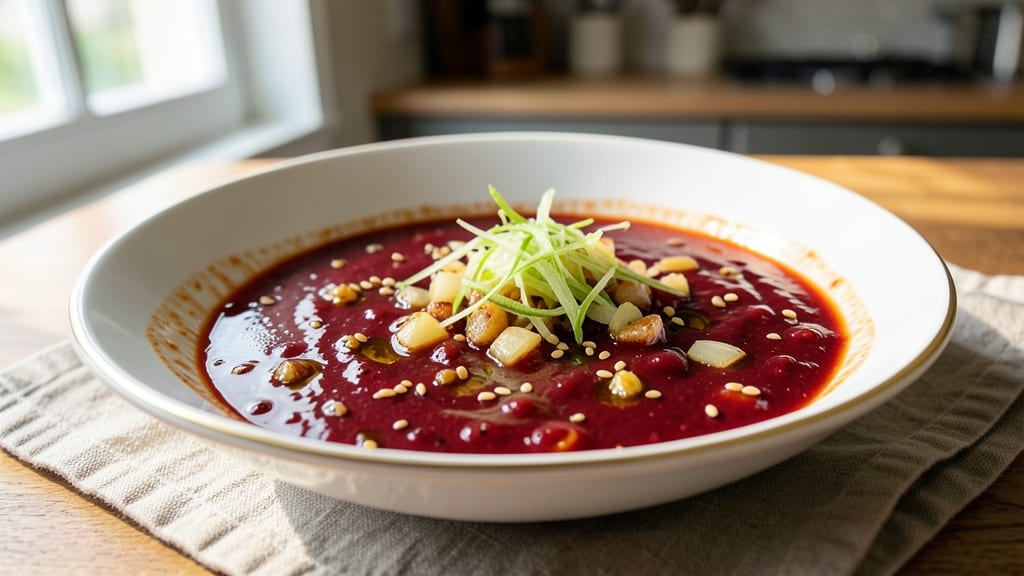
This Asian tomato sauce recipe transforms simple ingredients into a bold, umami-rich base that elevates stir-fries, noodles, and grilled dishes in just 15 minutes.
The secret lies in balancing sweet, tangy, and savory flavors—caramelized tomatoes meet aromatic garlic, ginger, and shallots, while soy sauce and a touch of fish sauce deepen the complexity.
I developed this sauce after craving the depth of restaurant-quality stir-fry sauces without the fuss, and it became my go-to for quick, flavorful meals.
The process is straightforward but precise: sauté aromatics until fragrant, then add tomatoes and simmer until they break down into a thick, glossy sauce. A quick blend smooths the texture while preserving the vibrant color and rich flavor.
What you’ll end up with is a versatile sauce that clings to noodles, enhances dumplings, and adds a sophisticated touch to grilled meats—all while keeping prep simple.
This sauce is restaurant-quality but designed for home cooks, with no complicated techniques or hard-to-find ingredients. The umami-packed profile comes from the perfect balance of soy, fish sauce, and a hint of sweetness, while the tomatoes provide natural acidity and depth.
Store it in the fridge for up to a week, or freeze for longer shelf life, making it the ultimate pantry staple.
Use it as a stir-fry base, a dipping sauce for spring rolls, or a glaze for grilled chicken. The possibilities are endless, and the flavor is undeniably addictive. Let’s make this sauce and transform your weeknight dinners into something extraordinary.
Ingredients for asian tomato sauce
Restaurant-quality stir-fry sauce starts with these 14 ingredients—simple but packed with umami depth.
| Ingredient | Amount | Notes |
|---|---|---|
| San Marzano Tomato Paste 🍅 | ½ cup | High-quality, no added sugar |
| Fresh Garlic Cloves 🧄 | 4 cloves | Minced for aromatic depth |
| Fresh Ginger Root 🌿 | 1 ½ tbsp | Finely grated, not powdered |
| Yellow Onion 🧅 | 1 whole | Diced, sweet variety preferred |
| Shallots 🧅 | 2 whole | Finely minced for delicate flavor |
| Extra-Virgin Olive Oil 🫒 | ¼ cup | For sautéing aromatics |
| Light Soy Sauce 🥢 | ¼ cup | Kikkoman preferred for balance |
| Dark Soy Sauce 🥢 | 1 tbsp | For rich color and depth |
| Fish Sauce 🐟 | 1 tbsp | Red Boat brand recommended |
| Brown Sugar 🍚 | 1 tbsp | For subtle sweetness |
| Rice Vinegar 🍶 | 1 tbsp | For bright acidity |
| Water 💧 | ½ cup | For thinning if needed |
| Diamond Crystal Kosher Salt 🧂 | ½ tsp | Adjust to taste |
| Black Peppercorns 🌶️ | ¼ tsp | Freshly cracked for heat |
The tomatoes are the foundation, so San Marzano is non-negotiable—sweeter and more flavorful than regular canned tomatoes. Grab a small can of paste (or a tube if you prefer) from Trader Joe's or any well-stocked grocery store. For the aromatics, fresh ginger and garlic make all the difference; pre-minced jars lack the punch. Shallots add subtle sweetness, but if you can't find them, extra onion works. The Red Boat fish sauce is a game-changer for umami—don't skimp here. I always buy it in bulk since it lasts forever and elevates everything.
No fish sauce? Extra soy sauce plus a pinch of sugar gets you close, but you'll miss that deep, salty funk. Running out of brown sugar? Honey or maple syrup works in a pinch, though it'll be slightly more liquid. The soy sauces—light and dark—are both essential; they balance the sweetness and add that signature stir-fry color. If you're making a big batch, double the soy sauces and adjust to taste. The rice vinegar adds brightness, so if you've got apple cider vinegar, use that instead. For extra richness, a splash of sesame oil at the end takes it to the next level.
This sauce keeps beautifully—1 week in the fridge or 3 months in the freezer. I always make a double batch because it disappears fast. Store it in a glass jar with a tight seal to preserve the flavors. If it thickens too much, just stir in a splash of water or broth. The sauce gets even better after a day or two as the flavors meld. Freeze in ice cube trays for single-use portions—perfect for quick meals when you only need a little.
Why You'll Love This Recipe
- Pantry-to-Pot Magic: I swear, this sauce starts with ingredients you already own—no fancy shopping needed. The San Marzano paste gives it that deep, sweet base while the shallots and onion caramelize into something almost fancy without extra work.
- Umami Bomb: That combo of fresh ginger and garlic? It’s like a flavor explosion in your mouth. The ginger’s zing cuts through the richness of the tomato paste, and the garlic—oh, the garlic—roasts until it’s sweet and jammy. Dangerously good.
- Weeknight Superhero: Slap this on noodles, stir it into rice, or drizzle it over grilled chicken—it’s the MVP of easy meals. Honestly, I’ve made it three nights in a row and still haven’t gotten sick of it. (Yes, even on a Tuesday night.)
- Stretch Your Budget: A single jar of tomato paste and a small ginger root last me months—this sauce costs pennies per serving. Plus, leftovers taste even better the next day, so you’re basically getting two meals for the price of one. Win.
Step-by-step instructions for Asian tomato sauce
This sauce comes together faster than you'd expect—just 15 minutes of focused work.
Bloom the Aromatics in Olive Oil
Heat the 0.25 cup extra-virgin olive oil in a medium saucepan over medium-low heat. Add the 1 whole diced yellow onion and 2 whole finely minced shallots, stirring occasionally for 5-6 minutes until they soften and begin to caramelize—you'll notice the edges turning just slightly golden. This slow cook prevents burning while developing deep flavor.
Next, add the 4 cloves minced fresh garlic cloves and 1.5 tbsp finely grated fresh ginger root. Stir for 30 seconds until fragrant—you should smell that bright, zesty aroma. Here's the thing: ginger burns fast, so keep the heat gentle. If the mixture starts to sizzle too aggressively, immediately reduce the heat to low. The goal is to perfume the oil without color development.
Build the Sauce Base with Tomato Paste
Push the aromatics to one side of the pan and add the 0.5 cup San Marzano tomato paste, stirring constantly to prevent sticking. Let it cook for 2-3 minutes until it darkens slightly and releases its rich, concentrated flavor. This step transforms the paste from bitter to sweet and complex.
Pour in the 0.25 cup light soy sauce, 1 tbsp dark soy sauce, and 1 tbsp fish sauce, stirring well to combine. The dark soy sauce will give your sauce that signature deep mahogany color, while the fish sauce adds umami depth. Let the mixture simmer for 3 minutes until it thickens slightly and the raw sauce smell disappears—you're building layers of flavor here.
Balance Flavors with Sweet and Acid
Add the 1 tbsp brown sugar and 1 tbsp rice vinegar, stirring constantly. The sugar will mellow the acidity while the vinegar brightens the overall profile. Let the sauce simmer for 2 minutes until the sugar dissolves completely. Taste at this stage—you should notice a complex interplay of sweet, salty, umami, and slightly tangy notes.
Pour in the 0.5 cup water and bring to a gentle simmer. Reduce heat to low and let it cook uncovered for 5-7 minutes, stirring occasionally, until the sauce thickens to your desired consistency. If it's too thick, add 1-2 tablespoons water at a time until it reaches a glossy, spoonable texture perfect for tossing with stir-fries.
Season and Finish
Remove the pan from heat and stir in the 0.5 tsp Diamond Crystal kosher salt and 0.25 tsp freshly cracked black peppercorns. Taste again and adjust seasoning—you might need a touch more soy sauce for saltiness or vinegar for brightness. The sauce should be balanced, with no single flavor overpowering.
Let the sauce rest for 5 minutes before using. This resting period allows the flavors to meld completely. Serve warm over noodles, rice, or as a dipping sauce for spring rolls. The sauce keeps well in the refrigerator for up to 5 days, and it actually improves overnight as the flavors continue to develop.
Pro Tips For Making Asian Tomato Sauce
- Sweat, Don’t Burn, Your Aromatics: Cook your onions and shallots low and slow—think 8-10 minutes—until they’re translucent and just starting to caramelize. I learned the hard way that rushing this step turns your sauce bitter, and no amount of garlic or ginger can fix it.
- Peel Ginger Like a Pro: Use a spoon to scoop out the fibrous center before grating—it’s faster and keeps your sauce smooth. Fresh ginger is non-negotiable here, but skip the pre-peeled jars; they’re often waxed and lack real flavor.
- Bloom the Garlic in Oil: Add your minced garlic to the pot after the onions have sweated, then let it sit in the oil for 30 seconds before stirring. This prevents burning and lets the garlic infuse without turning acrid—trust me, your nose will thank you.
- Simmer, Don’t Boil, the Paste: Once you stir in the San Marzano paste, reduce the heat to medium-low and let it cook uncovered for 5 minutes. This thickens it properly without scorching—boiling it turns the sauce grainy and dull.
Troubleshooting your asian tomato sauce
Sauce Too Thin?
If your sauce ends up too thin after simmering, don’t panic—simply return it to low heat and reduce by simmering uncovered for 5-10 minutes. Stir occasionally to prevent sticking, and add 1 tbsp cornstarch mixed with 1 tbsp water if you need a quicker fix.
I’ve found that 1-2 minutes of vigorous stirring after adding the slurry will thicken it beautifully. For extra insurance, simmer slightly longer next time—10-12 minutes total will give you a thicker base. 🔥
Sauce Too Thick?
Thick sauce? No problem! Thin it with warm water or chicken broth—start with 1 tbsp and add gradually until you reach a glossy, spoonable consistency. Avoid cold liquids, as they’ll shock the sauce and potentially separate the ingredients.
If you’re using it immediately, a quick 30-second blend with a splash of water smooths out the texture beautifully. For storage, thick sauce freezes well—just thaw and thin with water or broth when ready to use. 💧
Tomato Paste Too Bitter?
If your tomato paste tastes bitter, it’s likely undercooked. Always simmer for at least 2-3 minutes after adding it to the pan—this caramelizes the sugars and mellows the bitterness. For extra depth, add ½ tsp sugar or 1 tsp honey while simmering.
I’ve also found that sautéing the aromatics longer (8-10 minutes) before adding the paste builds more flavor to balance any bitterness. 🍯
Fish Sauce Overpowering?
Fish sauce can be intense, so start with ½ tbsp and adjust to taste. If it’s too strong, balance it with 1 extra tbsp rice vinegar or ½ tsp brown sugar.
For a milder alternative, swap it for ½ tbsp soy sauce + ¼ tsp sugar, though you’ll lose some umami depth. Taste as you go—this sauce is all about balance, and a little goes a long way. 🧂
Sauce Separating?
Separation usually happens if the sauce cools too quickly or if fats (like olive oil) aren’t emulsified properly. To fix it, whisk in 1 tbsp water or broth and reheat gently while stirring constantly.
For prevention, simmer uncovered and stir occasionally to keep ingredients integrated. If blending, pulse briefly to recombine—this works wonders for a silky texture. 💫
Lacking Depth?
Need more umami? Boost it with 1 tsp miso paste or ½ tsp oyster sauce while simmering. For a smoky twist, add ¼ tsp smoked paprika or a pinch of five-spice powder.
I often finish with ½ tsp toasted sesame oil—it adds richness and aroma that elevates the entire dish. Taste and adjust gradually to avoid overpowering the tomato base. 🌶️
Nutrition facts
Frequently asked questions
Can I use regular canned tomatoes instead of tomato paste?
You can, but the texture and flavor will differ. For a smoother sauce, blend 1 cup crushed tomatoes until smooth before using. The paste gives a deeper, more concentrated flavor—essential for that restaurant-quality umami. If substituting, add 1 extra tbsp sugar to balance the acidity from fresh tomatoes.
How long will this sauce keep, and can I freeze it?
This sauce stays fresh in the fridge for up to 1 week in an airtight container. For longer storage, freeze it for 3 months—portion into ice cube trays for easy single-use servings. Thaw overnight in the fridge before reheating gently. The flavors actually improve over time as the ingredients meld!
What are the best ways to use this sauce?
This versatile sauce shines in stir-fries, noodle dishes, and as a dipping sauce for dumplings or spring rolls. Try it as a marinade for grilled chicken or pork, or drizzle over ramen. For extra richness, finish with 1 tsp toasted sesame oil before serving. The possibilities are endless!
Can I make this sauce vegan?
Swap the fish sauce for 1 tbsp vegan fish sauce substitute or ½ tbsp soy sauce + ¼ tsp nori flakes. Use vegetable broth instead of water, and ensure your soy sauces are vegan-certified. The umami will still pack a punch, though the depth may differ slightly.
Why does my sauce taste too salty?
Too much soy sauce or salt can overpower the balance. Dilute with 1 tbsp water or broth and taste again. If needed, add ½ tsp brown sugar or 1 tsp rice vinegar to restore harmony. Remember, you can always add more sauce later—better to start slightly under-seasoned!